(+86)133 8819 6153
info@chinawildlifetour.com

Price from $4199 May 10, 2027
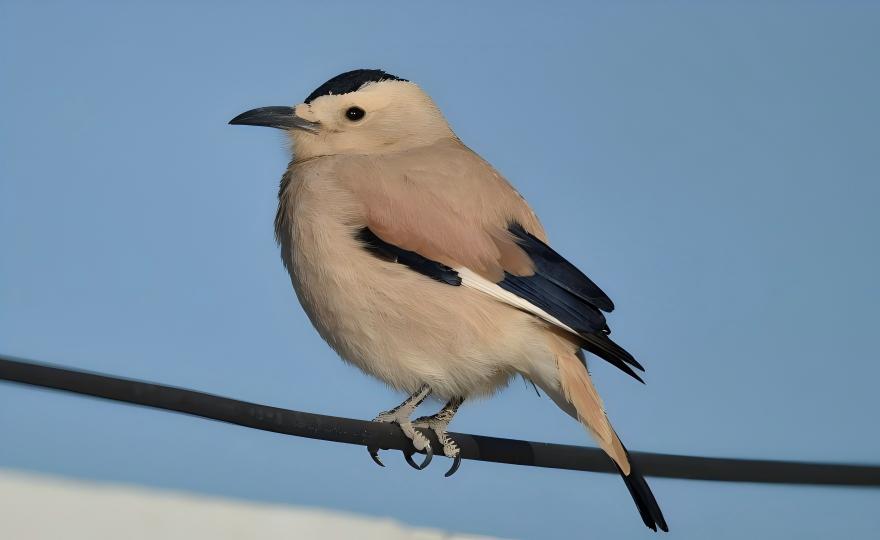
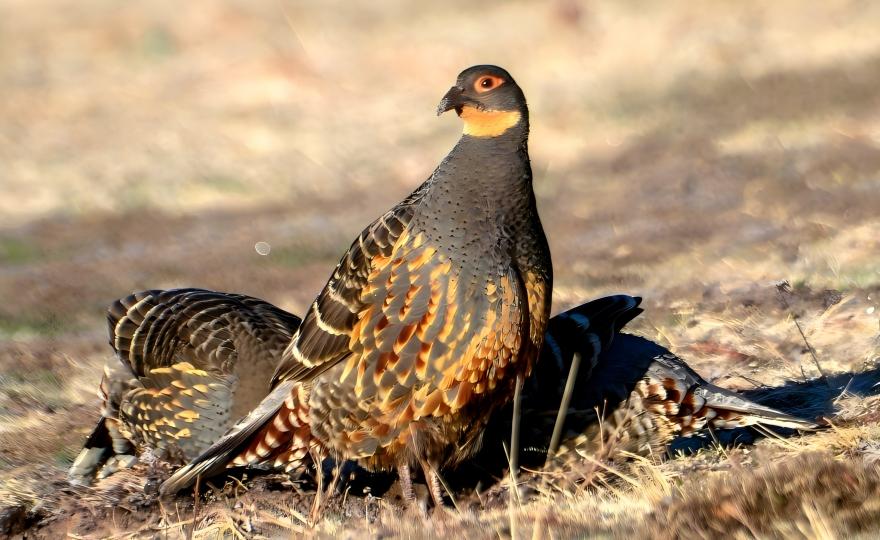
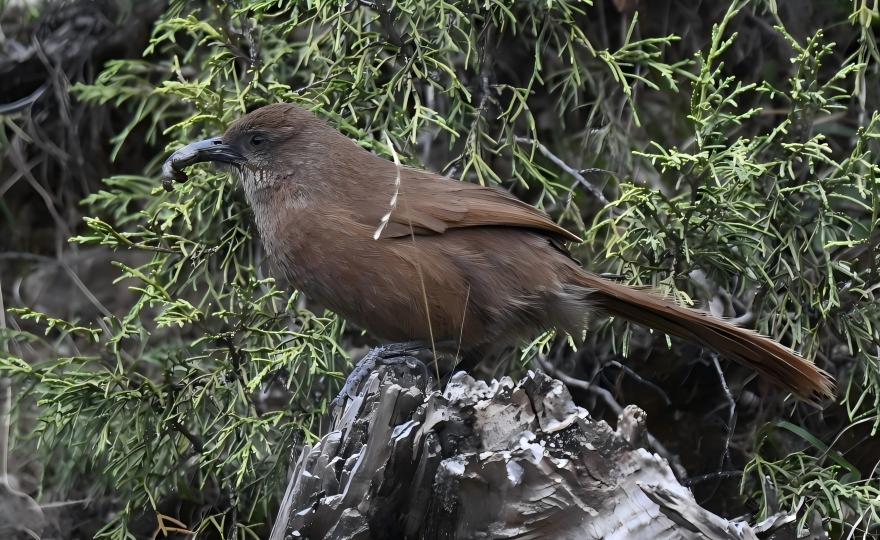
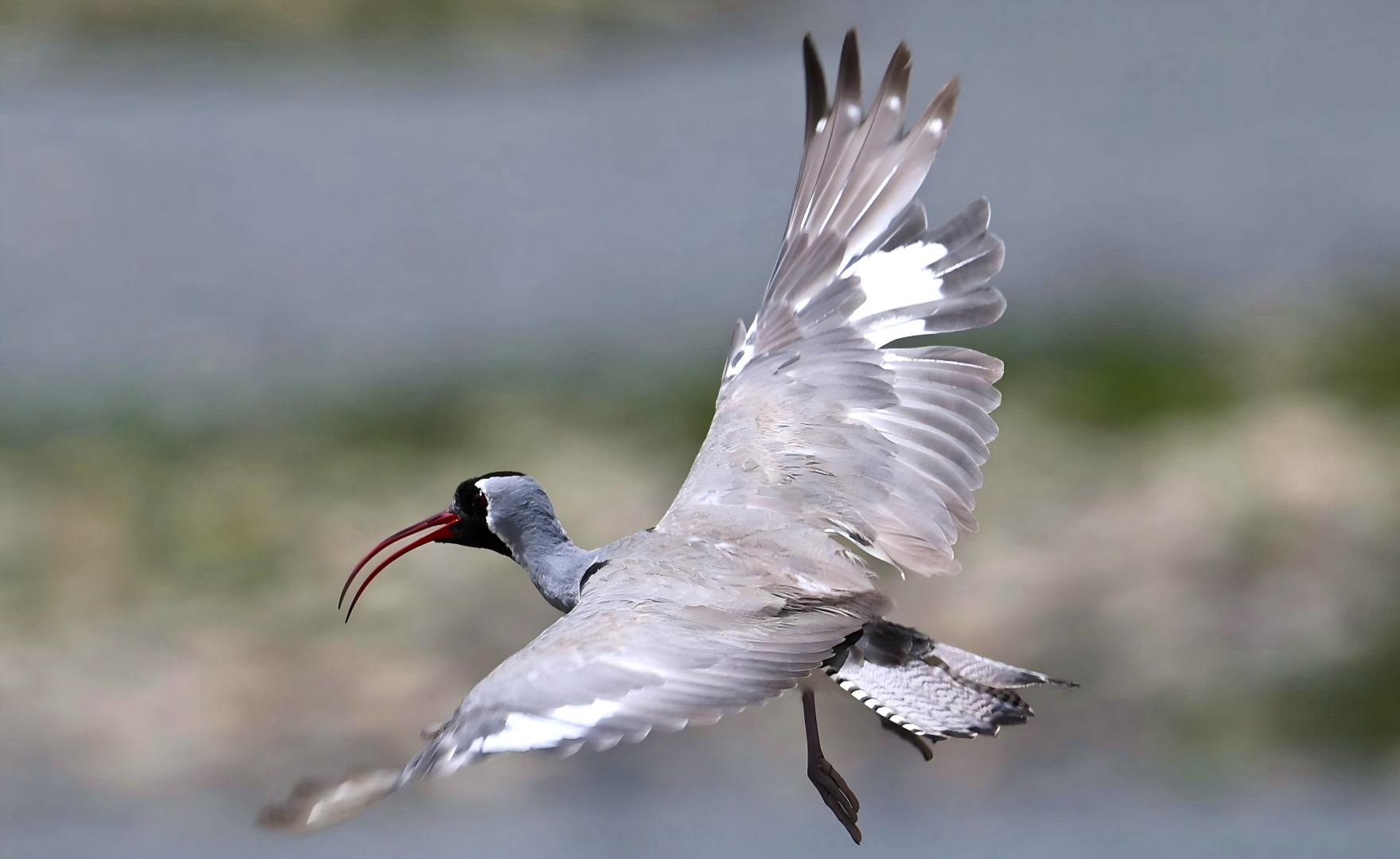
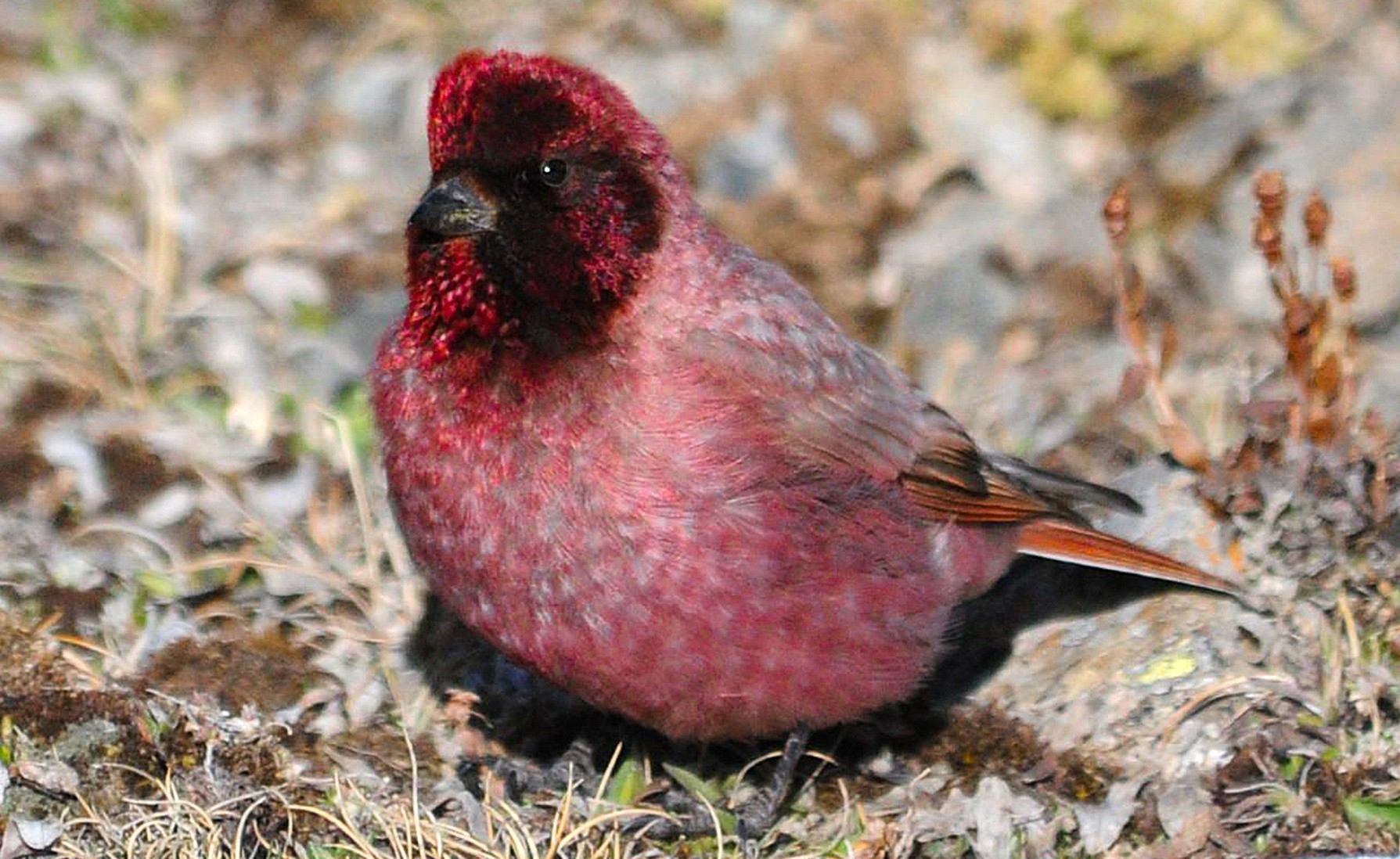
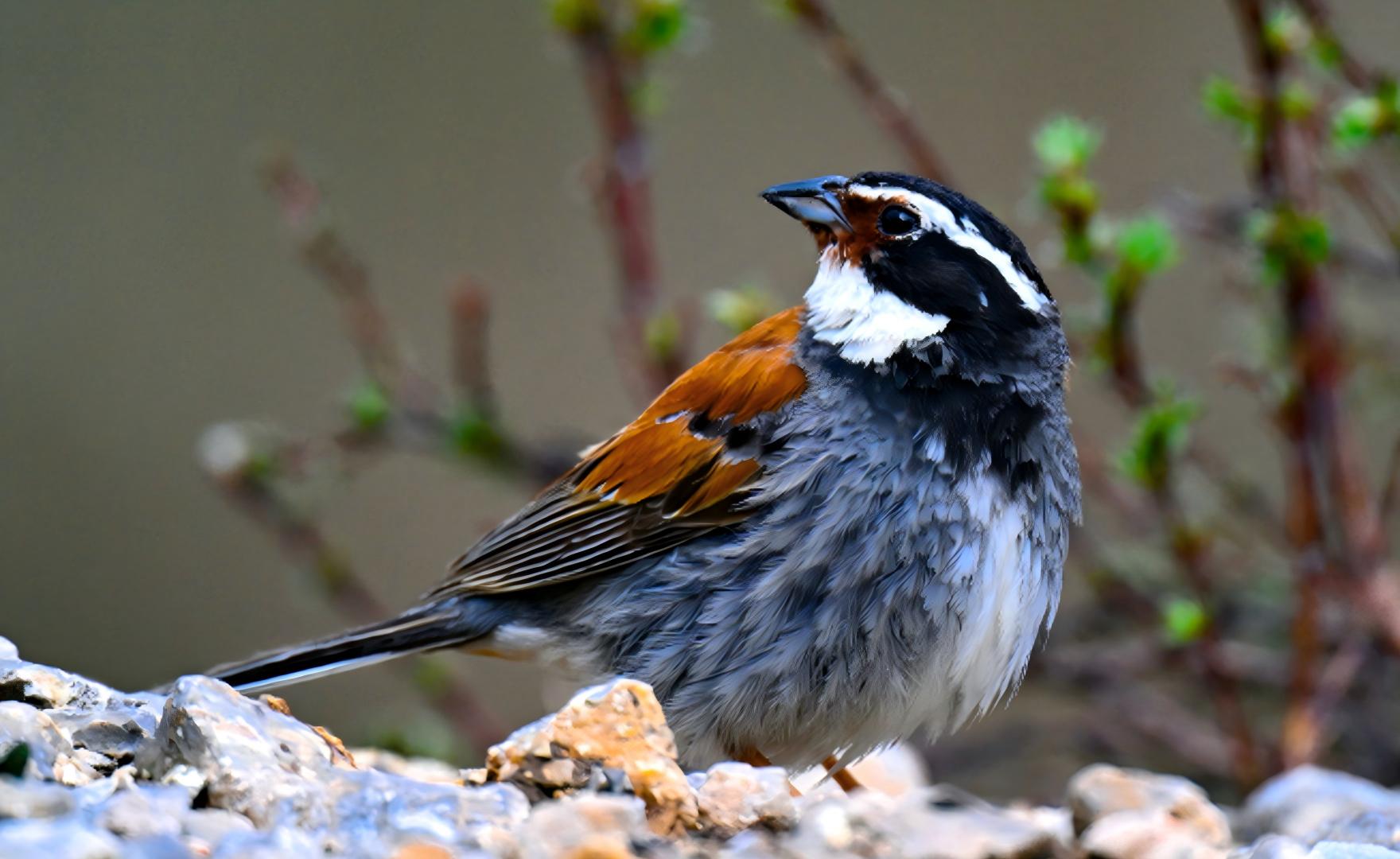
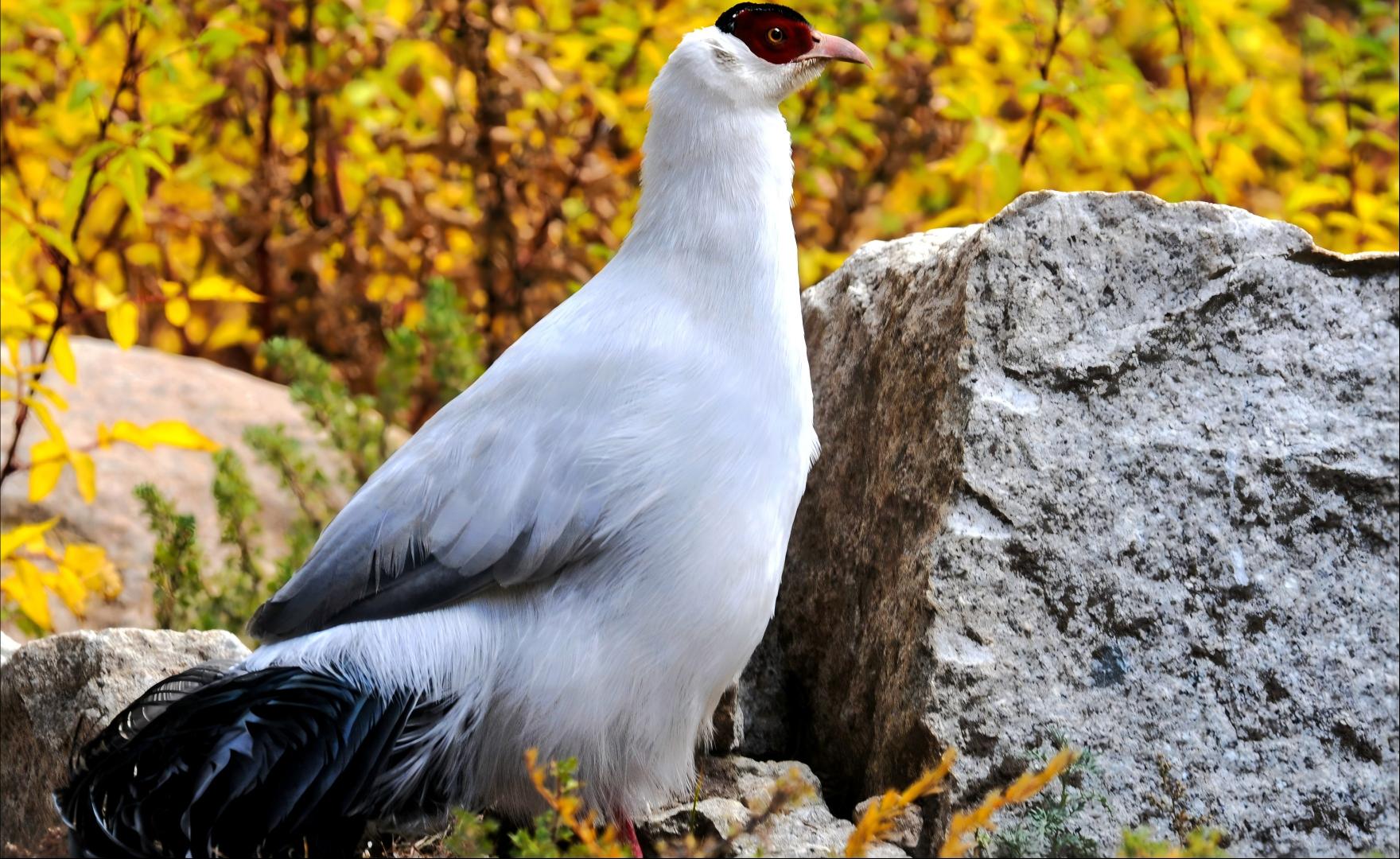
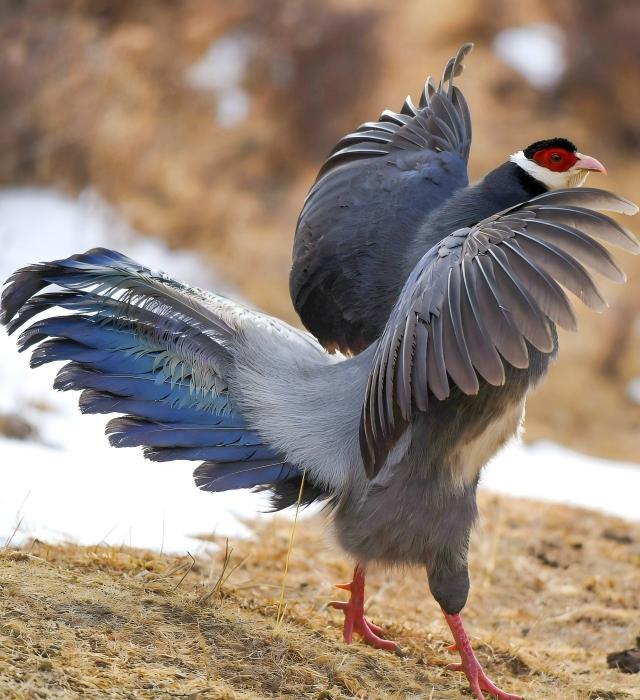
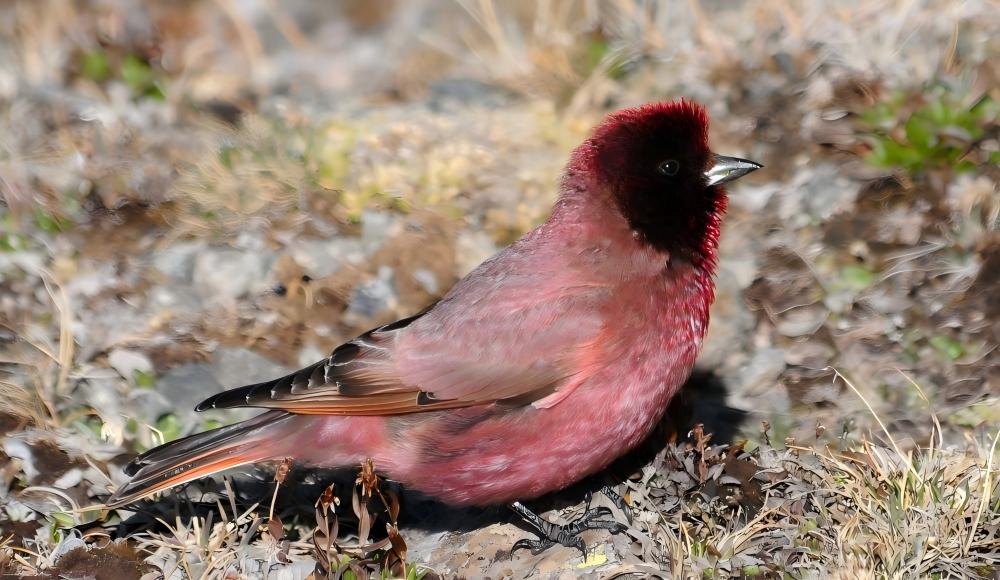
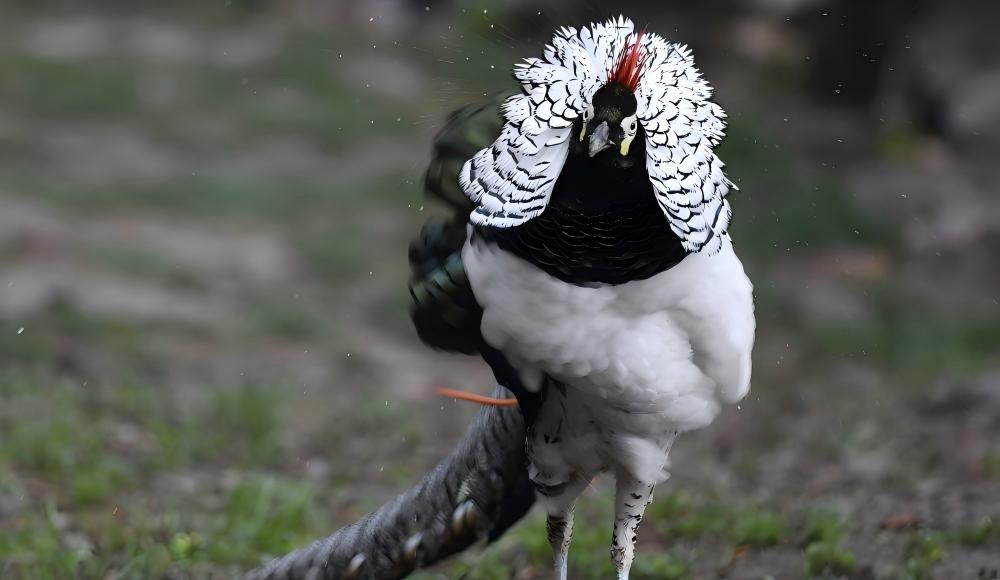
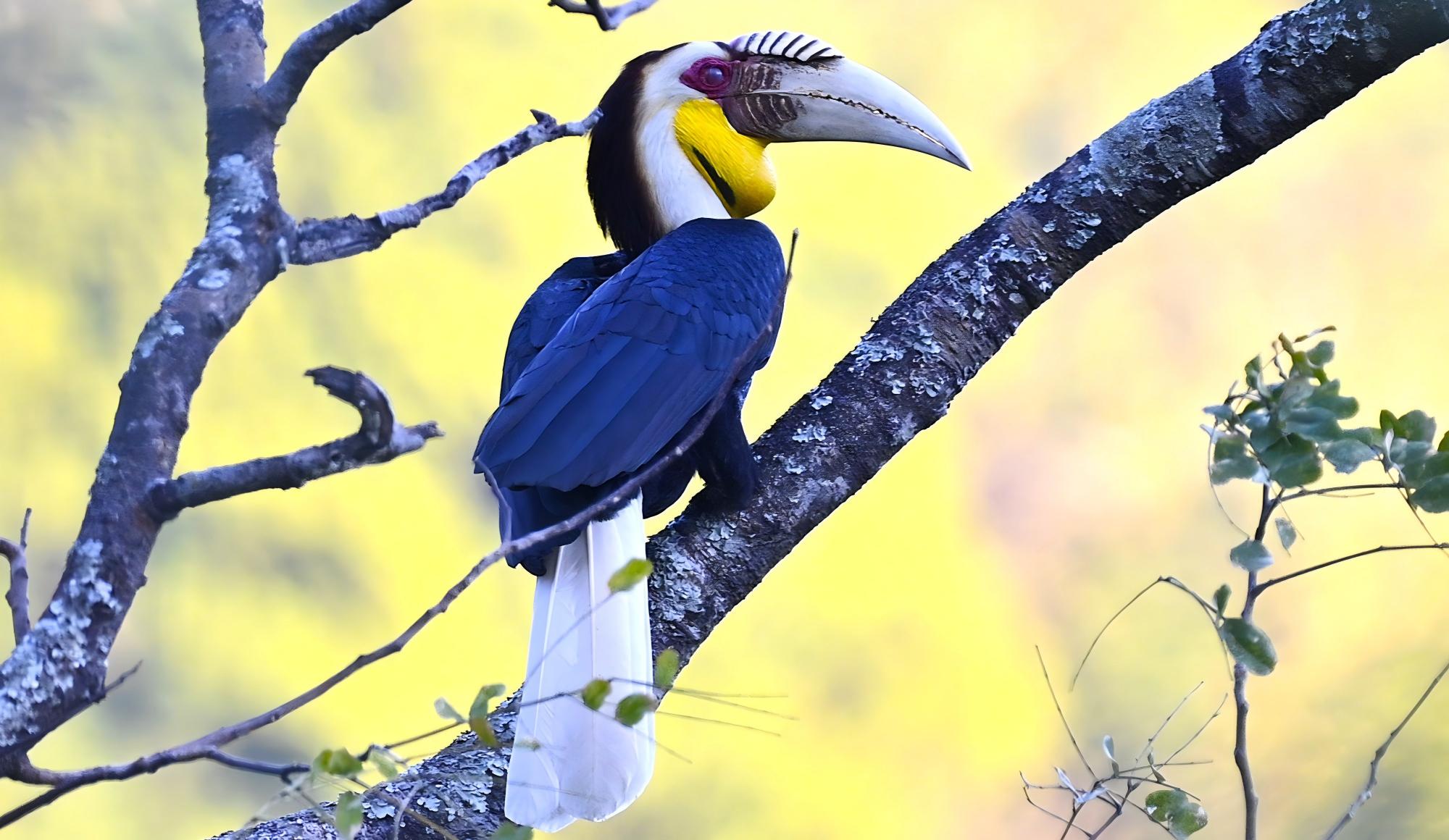
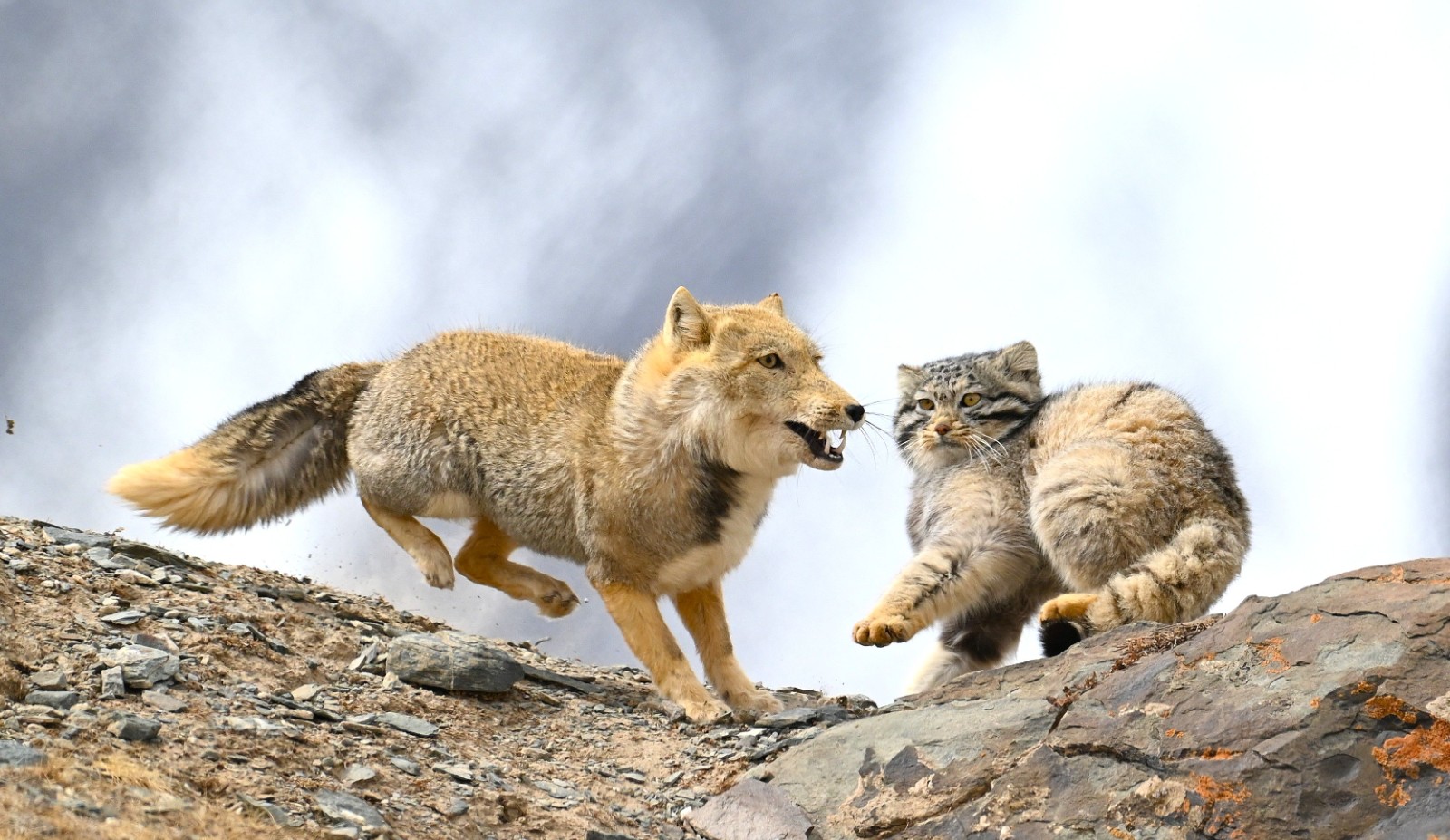
Embark on a 14-day birding expedition across Qinghai, the “Water Tower of China” and the source of the Yellow River and Yangtze River. This journey traverses eastern and southern Qinghai — from the coniferous forests of the Hengduan Mountains foothills to the snowline barrens of the Tibetan Plateau — targeting over 300 species across five distinct altitudinal zones. Designed for the discerning naturalist, the itinerary focuses on seven Chinese endemics including Blue Eared-pheasant, Tibetan Bunting, and Tibetan Babax, alongside high-altitude specialists such as Tibetan Rosefinch, Tibetan Snowcock, and the rare Black-headed Mountain Finch. Beyond birds, the open grasslands of Ela Mountain Pass and Maduo offer reliable encounters with Tibetan Gazelle, Tibetan Fox, and Kiang (Tibetan Wild Ass), making this one of China’s most rewarding plateau wildlife experiences.

The “Big 7” Qinghai Endemics
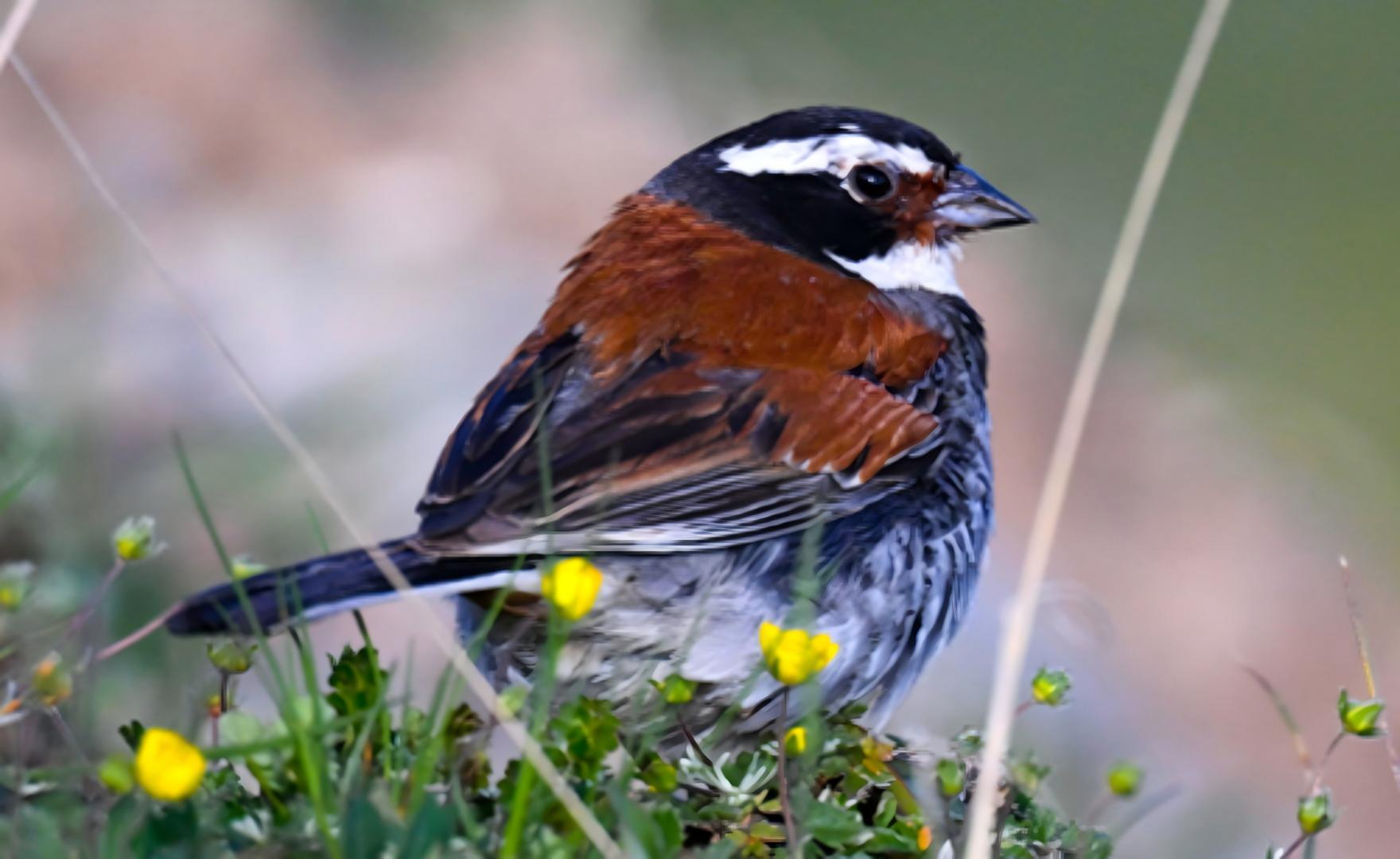
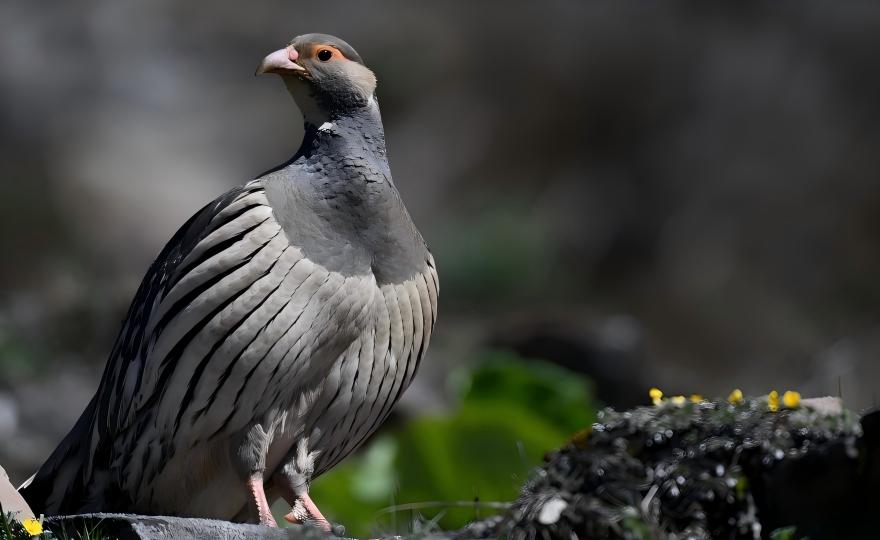
Seven Chinese endemic or near-endemic species define this route: Blue Eared-pheasant (Huzhu Beishan), White Eared-pheasant (Kangda Mountain), Buff-throated Partridge (Baizha Forest), Pink-tailed Bunting / Przewalski’s Finch (Rubber Mountain), Tibetan Rosefinch (Ela Mountain Pass), Tibetan Bunting (Baizha Forest), and Tibetan Babax (Baizha Forest). Several of these have extremely restricted global ranges, making Qinghai one of the few places on Earth to see them.
Five Altitudinal Zones in One Journey
This itinerary compresses a remarkable ecological gradient into a single trip:
Zone | Altitude | Key Sites | Representative Species |
Coniferous forests | ~2,800m | Dongxia Forest, Huzhu | Crested Tit-warbler, White-browed Tit-warbler, Chinese Nuthatch |
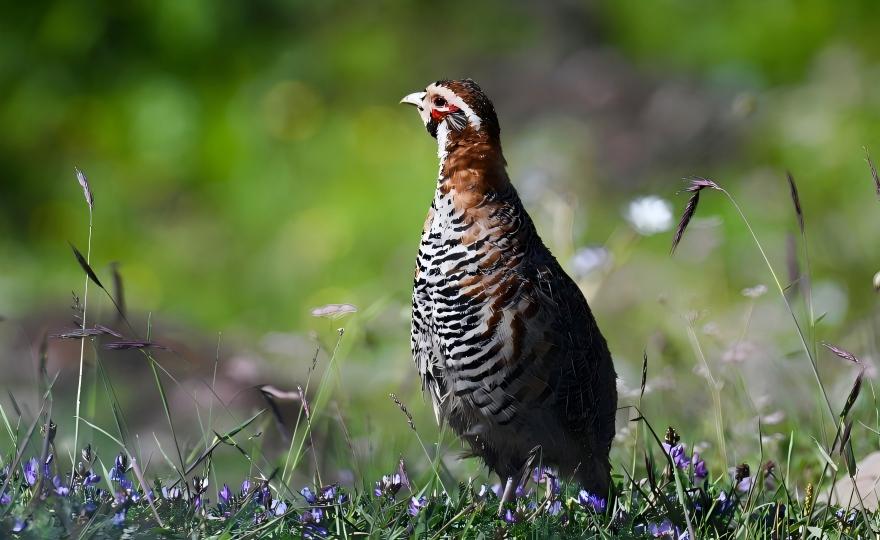
Alpine meadows | ~3,200–4,000m | Huzhu Beishan, Rubber Mountain | Blue Eared-pheasant, Tibetan Partridge, Pink-tailed Bunting |
Desert steppes | ~3,200m | Chaka | Henderson’s Ground Jay, Pallas’s Sandgrouse, Horn Lark |
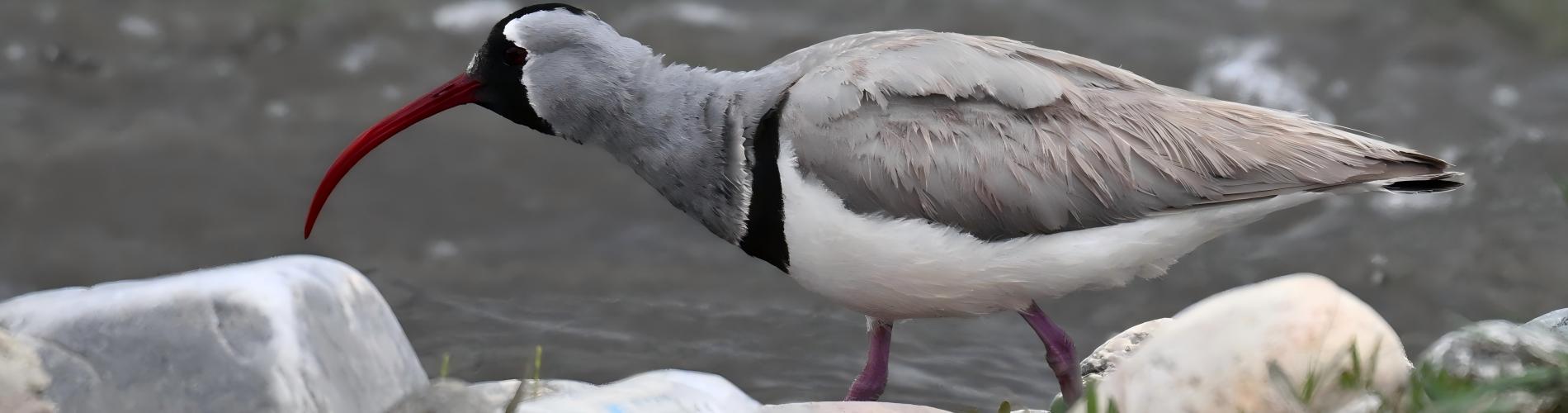
Riverine wetlands | ~3,200m | Qinghai Lake, Yushu river shoals | Black-necked Crane, Bar-headed Goose, Ibisbill |
Snowline barrens | ~4,500m | Ela Mountain Pass | Tibetan Rosefinch, Tibetan Sandgrouse, Black-headed Mountain Finch |
High-Altitude Specialists at Ela Mountain Pass
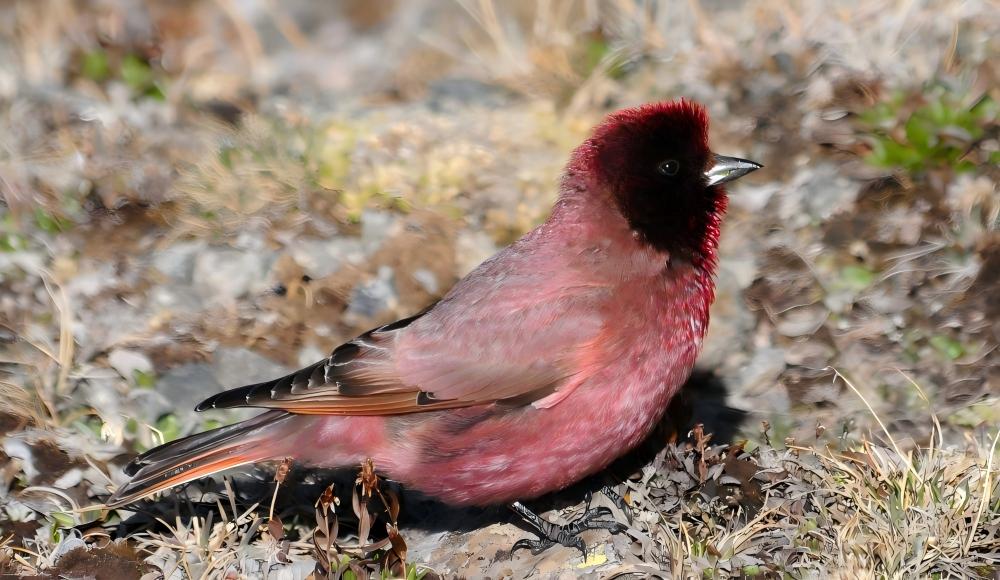
The Ela Mountain Pass (~4,500m) is the high-altitude centerpiece of this itinerary. Two dedicated mornings maximize chances for the range-restricted Tibetan Rosefinch and the cryptic Tibetan Sandgrouse on the high screes. The pass also offers opportunities for Tibetan Snowcock, Black-headed Mountain Finch, Bearded Vulture, and Lammergeier against a backdrop of snow-capped peaks.
The Baizha Forest Endemic Stronghold
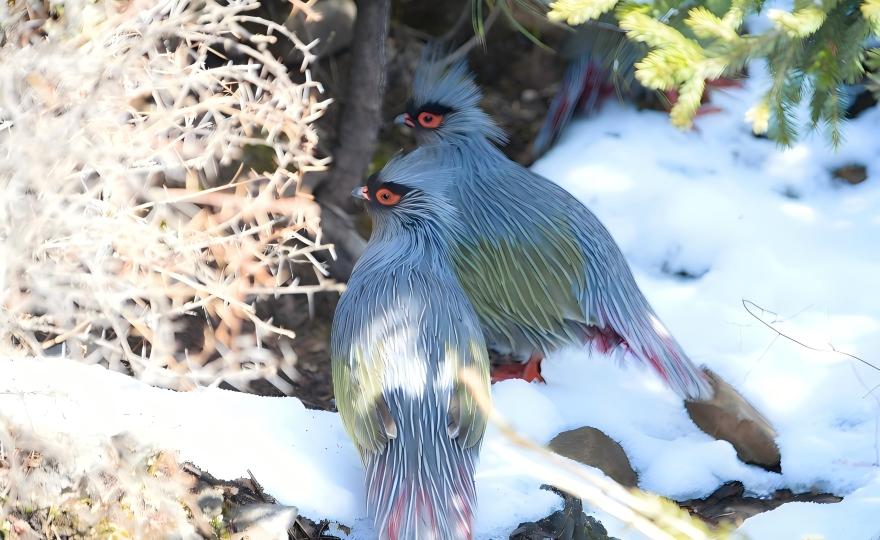
Baizha Forest is the endemic heartland of this journey. A full day here targets three pheasant species — Buff-throated Partridge, Blood Pheasant, and White Eared-pheasant — alongside the Chinese endemic Tibetan Bunting and Tibetan Babax, both with very restricted global ranges. The pristine forest also hosts Three-toed Woodpecker, Black Woodpecker, and soaring Golden Eagle.
Plateau Mammal Encounters
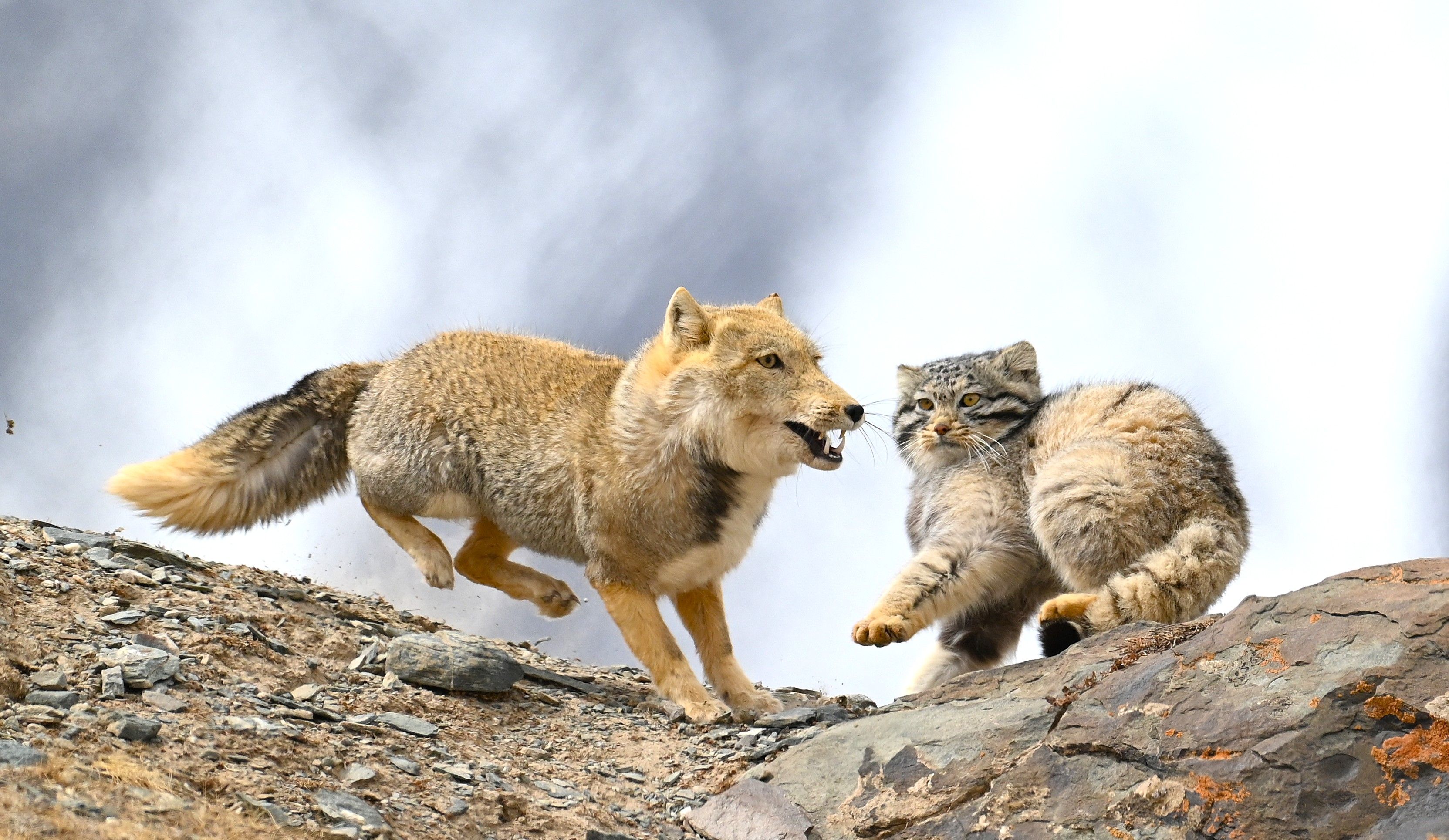
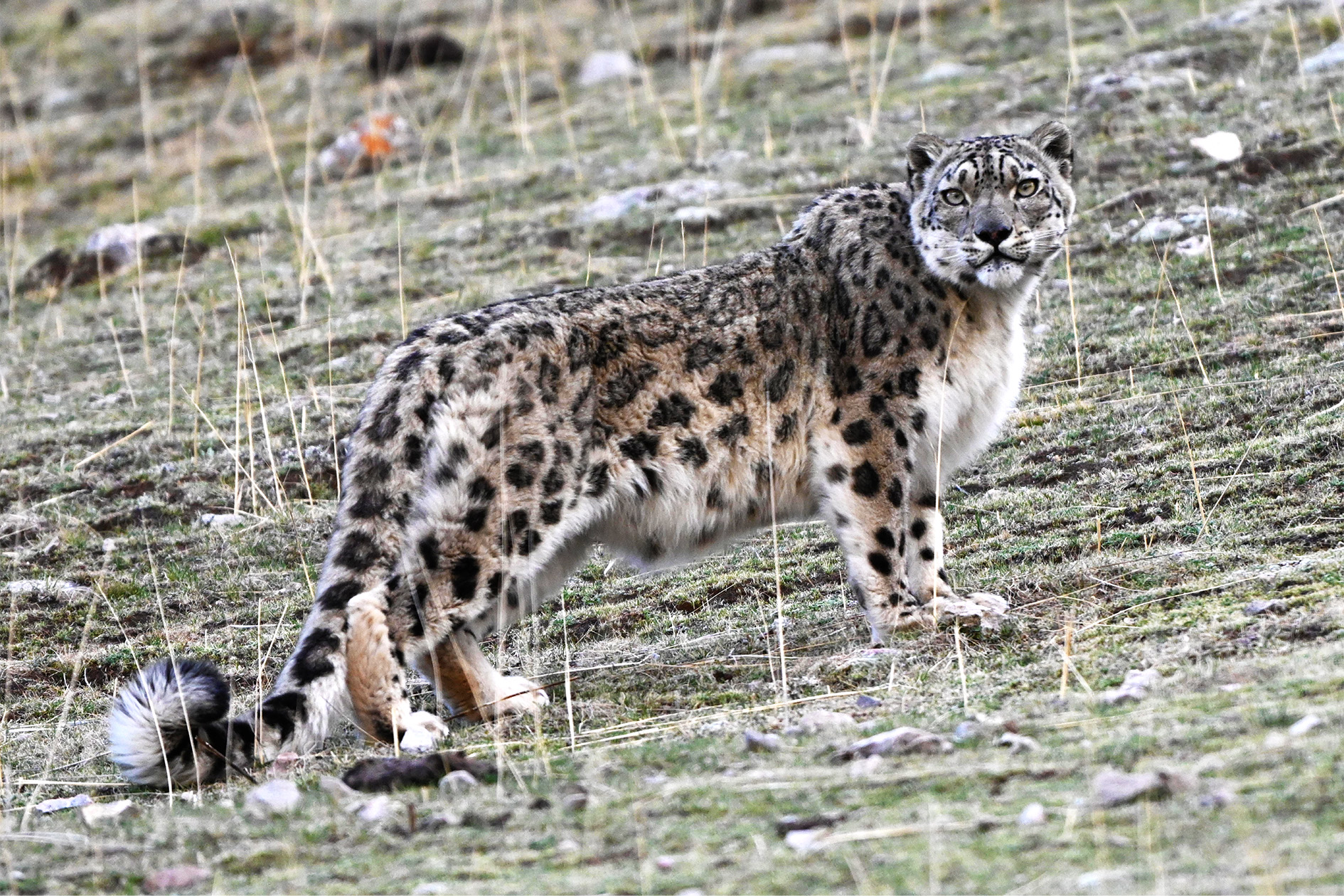
The vast grasslands between Maduo and Ela Mountain Pass provide some of the most reliable mammal watching in Qinghai. Tibetan Gazelle and Tibetan Fox are regularly sighted, while Kiang (Tibetan Wild Ass), Himalayan Marmot, and with luck Blue Sheep may also be encountered. These open landscapes, framed by distant snow peaks, offer exceptional wildlife photography opportunities.
1. China’s Premier Endemic Birding Route
Qinghai’s eastern and southern corridors host the highest concentration of Chinese endemic birds outside of Sichuan. This itinerary targets seven endemics — more than any comparable-length route in the region — including several species that are virtually impossible to find elsewhere in their global range.
2. Unmatched Altitudinal Diversity
Five distinct ecological zones — from lush coniferous forests to barren snowline screes — compressed into 14 days. This altitudinal gradient is the key driver of species diversity, allowing you to experience the full spectrum of Tibetan Plateau birding without the need for multiple separate trips.
3. The Ela Mountain Pass Advantage
Few birding itineraries dedicate two mornings to a single high-altitude pass. This approach maximizes success rates for the most elusive alpine specialists — Tibetan Rosefinch, Tibetan Sandgrouse, and Black-headed Mountain Finch — species that require patience, altitude acclimatization, and ideally a second attempt.
4. Baizha Forest: A One-Stop Endemic Hub
Baizha Forest is arguably the single most productive day on this itinerary for endemic species. The combination of three pheasant species, Tibetan Bunting, and Tibetan Babax in one location is unmatched anywhere in Qinghai — and arguably in all of China outside Sichuan’s Wolong-Balangshan corridor.
5. Birds and Mammals Combined
This is not just a birding trip. The Maduo grasslands offer some of Qinghai’s most consistent Tibetan Gazelle and Tibetan Fox sightings, while the chance of Kiang and Blue Sheep adds a mammal-watching dimension that elevates this beyond a standard birding itinerary.
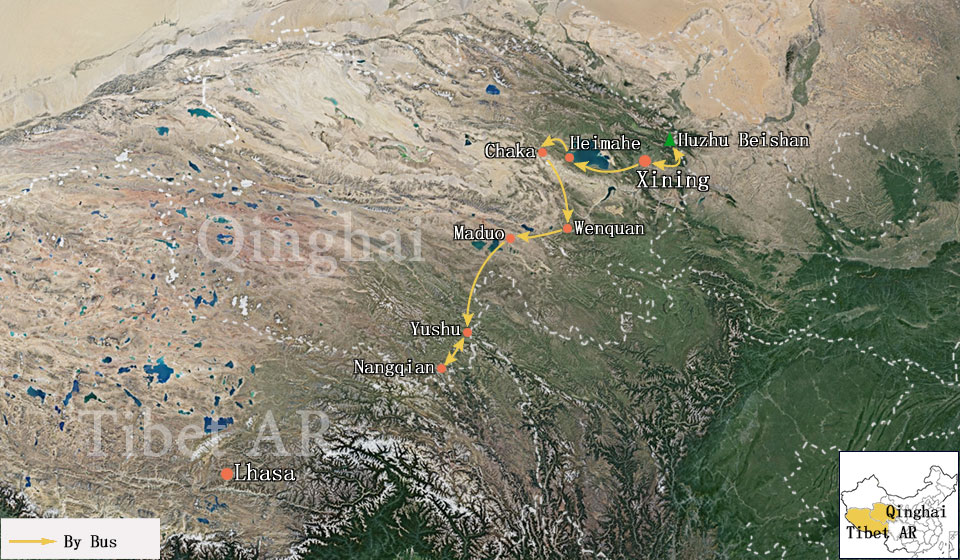
Day | Location | Key Birding Sites & Activities |
Day 1 | Xining | Arrival; optional city park birding |
Day 2 | Datong East Gully Forest | Coniferous forest with specialties like Grey-crested Tit, White-browed Tit-warbler, Crested Tit-warbler and Gansu Leaf Warbler |
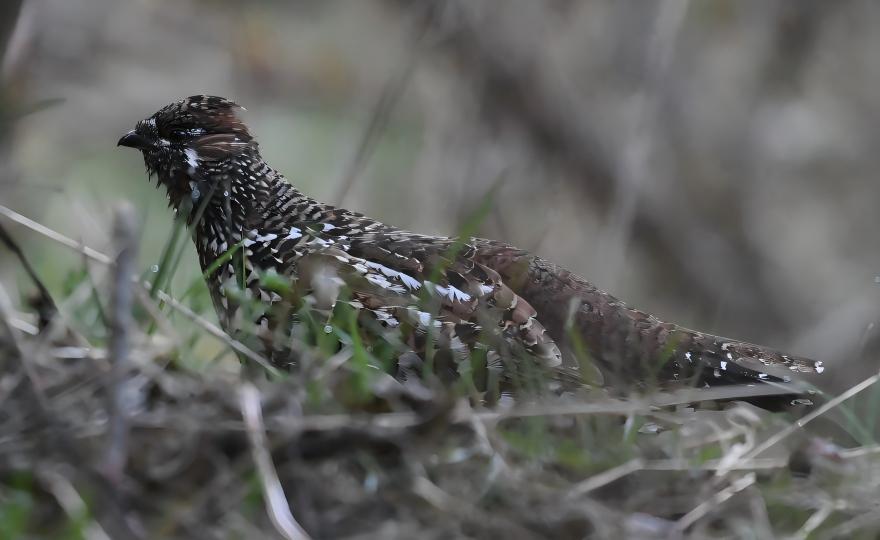
Day 3 | Huzhu North Mountain | Home to two Chinese endemics: Blue Eared-pheasant and Chinese Grouse; also rich in rosefinches, warblers and buntings |
Day 4 | Qinghai Lake & Heimahe | Wetland and grassland paradise for Black-necked Crane, Bar-headed Goose, Whooper Swan, Common Pochard and Mongolian larks |
Day 5 | Mt. Xiangpi | Prime site for the endemic Przevalski’s Rosefinch, along with Saker Falcon, Chinese White-browed Rosefinch, and Rufous-necked Snowfinch |
Days 6–7 | Chaka | Arid zone birding for elusive targets like Sandgrouse, Mongolian Ground Jay, Isabelline Shrike and Crested Lark |
Day 8 | Xinghai | Final checklists before heading south |
Day 9 | Erla Pass | High-altitude pass (c. 4,500 m) with Tibetan Rosefinch, Tibetan Sandgrouse, Horn Lark, and Tibetan Lark |
Day 10 | Maduo to Nangqian | Riverine stop for Ibisbill and possible sightings of Tibetan Gazelle,Tibetan Wild Ass and Tibetan Fox |
Days 11–12 | Mt. Kanda & Baiza Forest | Kanda: Endemic Tibetan Buntitng, Tibetan Babax, White Eared Pheasant; Baiza: Buff-throated Monal-Partridge, Blood Pheasant, and Tibetan Partridge |
Day 13 | Nangqian to Yushu | Morning birding wrap-up, followed by arrival in Yushu |
Day 14 | Departure from Yushu | Breakfast and transfer to airport; end of trip |
Daily Itinerary
Day 1: Arrival in Xining (~2,260m)
Welcome to Xining, the "Gateway to the Tibetan Plateau" and the largest city on the plateau. Upon arrival, you will be met by your AlpineBirding guide and transferred to your hotel. If time permits, an introductory birding session on a nearby mountain slope targets forest species such as Eurasian Sparrowhawk, Grey-headed Woodpecker, Plain Laughingthrush, Chestnut Thrush, Godlewski’s Bunting, and the elusive Pale Rosefinch. The evening features a welcome dinner and a comprehensive trip briefing.
*Accommodation: Hotel in Xining*
Day 2: Dongxia Forest Park — Huzhu (~2,800m)
We depart early for Dongxia Forest Park, where lush conifers and shrubbery provide a haven for woodland species. Targets include Chinese endemic Crested Tit-warbler, White-browed Tit-warbler, Gansu Leaf Warbler, Chinese Nuthatch, Przewalski's Nuthatch, Elliot's Laughingthrush, and the skulking Smoky Warbler. Other possibilities include Siberian Rubythroat, Chinese Thrush, Red Crossbill, and Grey-headed Bullfinch. After lunch, we drive to Huzhu, stopping en route to scan for Blue Eared-pheasant.
*Accommodation: Hotel in Huzhu*
Day 3: Huzhu Beishan Mountains (up to ~4,000m)
A full day exploring the Huzhu mountains. Our primary target is the superb Blue Eared-pheasant, a Chinese endemic often found foraging near the forest line. In the lower forests, we search for Himalayan Bluetail, Chestnut Thrush, Goldcrest, Rufous-breasted Accentor, and White-winged Grosbeak. With luck, Wallcreeper or Eurasian Eagle-Owl may appear on the cliffs. Mountain streams offer chances for White-throated Dipper, White-capped Water Redstart, and Plumbeous Water Redstart.
*Accommodation: Hotel in Huzhu*
Day 4: Huzhu — Qinghai Lake — Heimahe (~3,200m)
After a final morning in Huzhu, we drive to Heimahe via the breathtaking Qinghai Lake. The lake supports an array of waterfowl, including Black-necked Crane, Bar-headed Goose, Whooper Swan, Ferruginous Duck, Ruddy Shelduck, and Pallas's Gull. Surrounding grasslands may yield Twite, Hume's Short-toed Lark, Tibetan Lark, Rufous-necked Snowfinch, Pere David's Snowfinch, Isabelline Wheatear, and the enigmatic Ground Tit.
*Accommodation: Hotel in Heimahe*
Day 5: Heimahe — Rubber Mountain — Chaka (~3,200m)
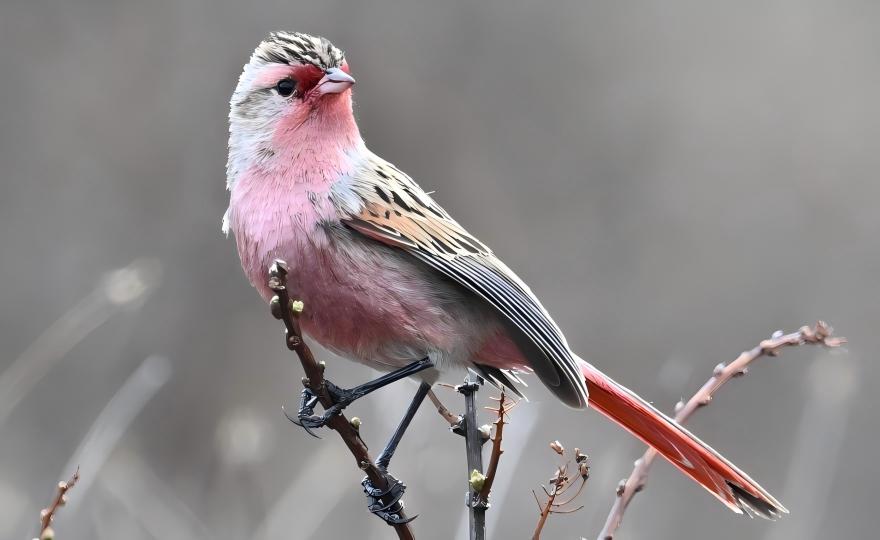
This morning we visit Rubber Mountain, where mixed shrubs and meadows provide habitat for Tibetan Partridge, Saker Falcon, Streaked Rosefinch, White-rumped Snowfinch, Brown Accentor, and Robin Accentor. With persistence, we may find the rare Pink-tailed Bunting (Przewalski's Finch), a species with a very limited global range. After a productive session, we continue to Chaka.
*Accommodation: Hotel in Chaka*
Days 6–7: Chaka Area (~3,200m)
Two days exploring the arid deserts and mountains around Chaka. Targets include the well-camouflaged Pallas's Sandgrouse, Henderson's Ground Jay, Isabelline Shrike, Desert Wheatear, Horn Lark, and Rufous-necked Snowfinch on the open grasslands. In village-edge forests, we look for Eurasian Golden Oriole, Azure-winged Magpie, and Amur Falcon. Nearby valleys may yield Przevalski's (Ala Shan) Redstart — a scarce and localized species.
*Accommodation: Hotel in Chaka*
Day 8: Chaka — Ela Mountain Pass — Wenquan (~3,450m)
Departing Chaka, we traverse the vast plateau to Ela Mountain Pass (~4,500m). Surrounded by snow-capped peaks, this is our first dedicated search for Tibetan Sandgrouse on the high screes. Other high-altitude targets include Güldenstädt's Redstart, Shore Lark, Black-winged Snowfinch, and the rare Black-headed Mountain Finch (Tibetan Finch). We overnight at Wenquan.
*Accommodation: Hotel in Wenquan*
Day 9: Ela Mountain Pass — Maduo (~4,200m)
A second morning at Ela Mountain Pass to focus on alpine specials. Our primary quest is the range-restricted Tibetan Rosefinch and the cryptic Tibetan Sandgrouse. Other possibilities include Bearded Vulture, Tibetan Snowcock, and a second chance for Tibetan Finch if needed. In the afternoon, we drive to Maduo, scanning the grasslands for mammals such as Kiang (Tibetan Wild Ass), Tibetan Fox, Himalayan Marmot, and Tibetan Gazelle. Telephone poles often serve as perches for Upland Buzzard.
*Accommodation: Hotel in Maduo*
We drive southeast through the Yellow River watershed towards Yushu. The shifting landscapes offer diverse birding: grasslands are vital breeding grounds for Black-necked Crane and Bar-headed Goose, while raptors including Upland Buzzard and Saker Falcon are frequently seen. Upon nearing Yushu, we search the pebbled river shoals — ideal habitat for the stunning Ibisbill — before checking into our hotel.
*Accommodation: Hotel in Yushu*
Today we travel to Nangqian, birding en route at Kangda Mountain. Key targets include Buff-throated Partridge (Szechenyi’s Partridge), Chinese endemic White Eared-pheasant, Snow Pigeon, Kessler’s Thrush, Blue-fronted Redstart, and Godlewski’s Bunting. We also check river shoals at the base of the mountain for Ibisbill.
*Accommodation: Hotel in Nangqian*
A full day in the pristine Baizha Forest — the endemic heartland of this itinerary. Morning targets include Buff-throated Partridge, Blood Pheasant, White Eared-pheasant, and Tibetan Snowcock on the forested slopes. The area is also one of the most reliable sites for Chinese endemic Tibetan Bunting and Tibetan Babax, both Chinese endemics with very restricted ranges. The diverse forest hosts Three-toed Woodpecker, Black Woodpecker, Sichuan Tit, Crested Tit-warbler, and White-browed Tit-warbler. Lammergeier and Golden Eagle often soar above the ridges.
*Accommodation: Hotel in Nangqian*
A final morning birding around Nangqian to secure any remaining target species. In the afternoon, we drive back to Yushu, enjoying the scenic grandeur of the plateau valleys one last time.
*Accommodation: Hotel in Yushu*
After a leisurely breakfast, you will be transferred to Yushu Batang Airport for your departure. This concludes the AlpineBirding service. Safe travels and happy birding!
This trip is rated moderate. Most birding is done on gentle trails and roadside stops, which are manageable for anyone with a reasonable level of fitness. However, Ela Mountain Pass (~4,500m) involves walking on uneven scree slopes at high altitude, which can be physically demanding. We allocate two mornings here to allow a gradual pace. Your guide will always offer shorter, easier alternatives at each site — you are never required to attempt any strenuous section.
The full itinerary typically records 250–320 species, depending on seasonal conditions and weather. The primary focus is on seven Chinese endemics — Blue Eared-pheasant, White Eared-pheasant, Buff-throated Partridge, Pink-tailed Bunting, Tibetan Rosefinch, Tibetan Bunting, and Tibetan Babax — alongside high-altitude specialists such as Black-headed Mountain Finch, Tibetan Sandgrouse, and Tibetan Snowcock at Ela Mountain Pass. A full species checklist is available upon request.
The grasslands around Maduo and Ela Mountain Pass offer some of Qinghai’s most consistent mammal watching. Tibetan Gazelle and Tibetan Fox are regularly sighted, while Kiang (Tibetan Wild Ass) and Himalayan Marmot are frequently encountered. With luck, Blue Sheep may appear on rocky slopes near Baizha Forest. These encounters add a rewarding wildlife photography dimension to the trip.
The optimal window is late May to mid-July, when most target species are breeding, vocal, and relatively approachable. June is generally considered the peak month — weather is milder, snowline has receded to expose scree slopes for Tibetan Sandgrouse and Black-headed Mountain Finch, and Tibetan Bunting at Baizha Forest is most reliably located. Early departures (late May) may encounter residual snow at high passes, while late July trips may see reduced vocal activity as the breeding season winds down.
Expect large temperature swings: cold, windy mornings (near freezing at 4,500m) and strong daytime UV at altitude. Essential items include a down jacket or insulated layer, windproof outer shell, fleece mid-layers, sun hat, UV-protection sunglasses, and high-SPF sunscreen. Snow is possible at Ela Mountain Pass even in June. Layering is key — you may start the morning in a down jacket and shed to a t-shirt by midday.
Accommodation is in comfortable local hotels in Xining, Huzhu, Heimahe, Chaka, Wenquan, Maduo, and Yushu. All rooms have private bathrooms and heating. Transport is by 4WD or minivan (5–19 seats, depending on group size), chosen for reliability on plateau roads and large windows for scenic viewing and roadside birding. The vehicle stays with the group throughout, allowing flexible stops.
Yes. The open grasslands, river shoals, and relatively approachable plateau species offer excellent bird photography opportunities. Ibisbill at Yushu, Tibetan Fox near Maduo, and pheasants at Baizha Forest are particularly photogenic subjects. A 300–600mm lens is recommended for most situations. Your guide is experienced in positioning the group for optimal light and background.
We strongly recommend consulting your physician before the trip. The highest point is Ela Mountain Pass at ~4,500m, where we spend short periods with gradual exertion. Most participants acclimatize well with the built-in schedule — Xining (2,260m) on Day 1 provides an initial acclimatization night. Common precautions include staying hydrated, avoiding alcohol, and ascending gradually, all of which are built into the itinerary design.
*This review was originally posted on Alpine Birding, a brand of China Wildlife Tours.*
Feb 2019 • Couples
We decided to visit Tibet for birding and contacted Alpine Birding for itinerary recommendation. The suggested routing is interesting and their staffs were highly efficient in arranging the land transfer and accommodation for us.
Philip, our guide is an exceptionally competent knowledgeable birder and photographer. He was quick to spot the birds and seemed to know all the best spots to see them. He was eager to help us to get a good spotting on different spectacular feather creatures through our binoculars. Even though many of the birds were well hidden and moving from tree to tree, he would quietly tracked their movements and swiftly showed us the direction.
Through his passion, we were able to see the winter migratory birds in Tibetan region. We were successful at seeing flocks of impressive species, such as the Black-necked Crane, Himalayan Monal, Tibetan Eared Pheasant, Blood Pheasant, Lord Derby’s Parakeet, Snow Pigeon and some waterfowls. All these could never have even glimpsed on our own.
Philip was a great birding companion, he has given us a great deal of information concerning the behaviours of those birds that we have encountered. We felt at ease with him as he patiently showed us the specific cues in bird photography. He even offered his professional telephoto lens to us to enhance our photos presentations which obviously was the icing on the cake.
We place a very high value on the professional guide we had in Philip especially because of the high altitudes in our birding trail. The tour was well thought out and executed. He is reliable and will deal with all details in advance. Hot tea and snacks are always available which were soothing and recharging when the outdoor temperature was freezing. The pace was comfortable and we never felt rushed or inadequate during birding. Philip always concern about our responses to the environment and would refine the itinerary according to our physical conditions and preferences.
We have experienced a safe and enjoyable Tibetan Plateau birding tour and see a different facet of Tibetan nature. The landscape was breathtaking, it was such a pleasure to see stunning snow-capped mountains, beautiful lakes, forests and wild animals throughout the whole adventurous trip. Besides, we have tried stone claypot chicken hotpot (shiguoji), the soup was super delicious and welcoming especially after a long excursion.
All in all, the entire tour was full of positive experience and invaluable memories. Philip is superb and well acquainted with the nature ecosystem. We really appreciated the time he took to share with us about the birdlife, local culture and no need to mention the tremendous photos we took. We will never forget this fabulous experience and feel so fortunate to see all these wonderful flying creatures under his guidance. Certainly, it was clear that how much he loved what he does and we did learn a lot in this trip.
We cannot recommend his services enough and have no hesitation in recommending Philip for his birding skills, his determination to find beautiful birds and his pleasant character.
If you have any interest in birds or even just want to take a walk through some incredible forest or wildlife related travel with a guide there to teach you something new, this is the company for you! We think you will be as pleased as we have been and want to go somewhere new as soon as you return home.
Written March 2, 2019
Thanks for helping us to fill the following form about your personal preferences. This information you provide can help us to plan the best trip especially for you.




Copyright © 2026 • China Wildlife Tour All Rights Reserved Safari in Cina
 中文
中文