(+86)133 8819 6153
info@chinawildlifetour.com

Price from $3499 May 06, 2027
Overview:
Discover the avian wonders of western Sichuan on this comprehensive 14-day birding tour. Spanning an elevational gradient from 2,000m to 4,500m across the Hengduan Mountains — one of the world's 36 biodiversity hotspots — the expedition traverses subtropical broadleaf forests, alpine meadows, and snow-capped peaks, each harboring a distinct assemblage of species. This region is globally celebrated for its concentration of Sichuan endemic birds, particularly parrotbills, babblers, and pheasants, many of which are found nowhere else on Earth.
Key Birding Sites
✅ Longcang Gorge
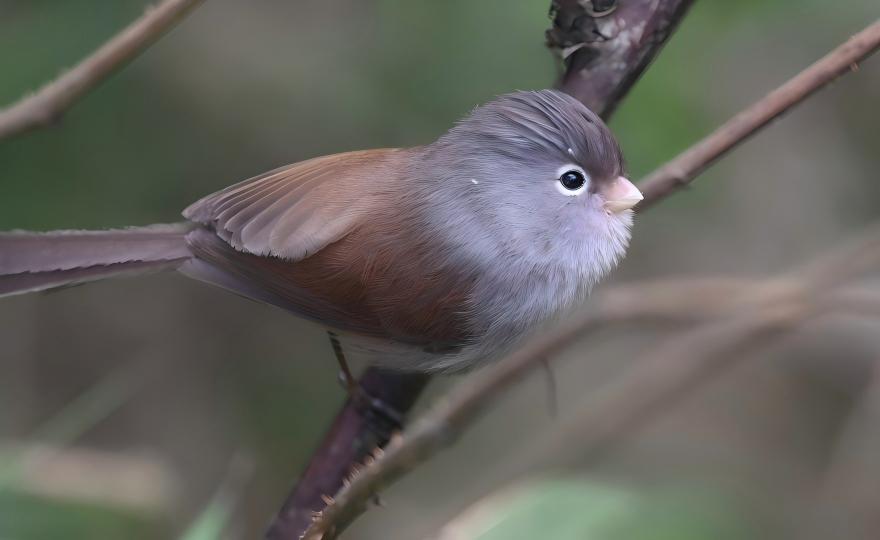
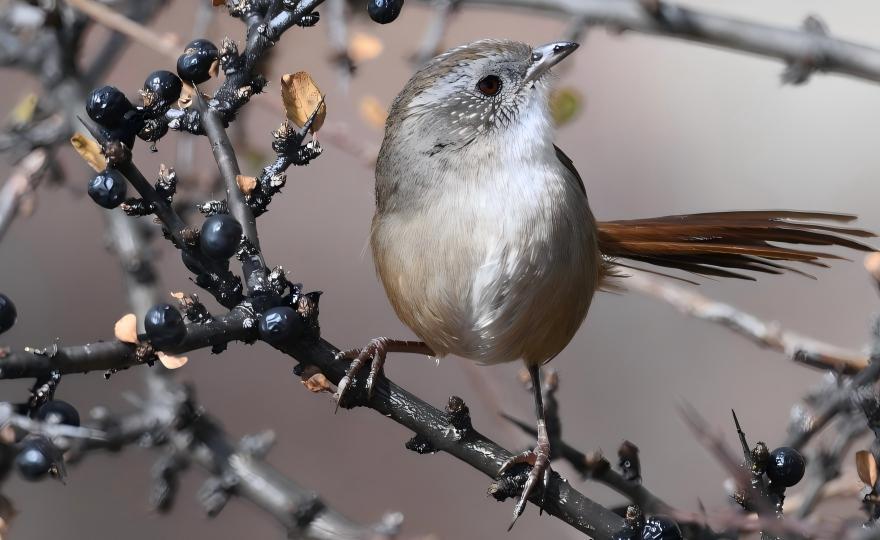
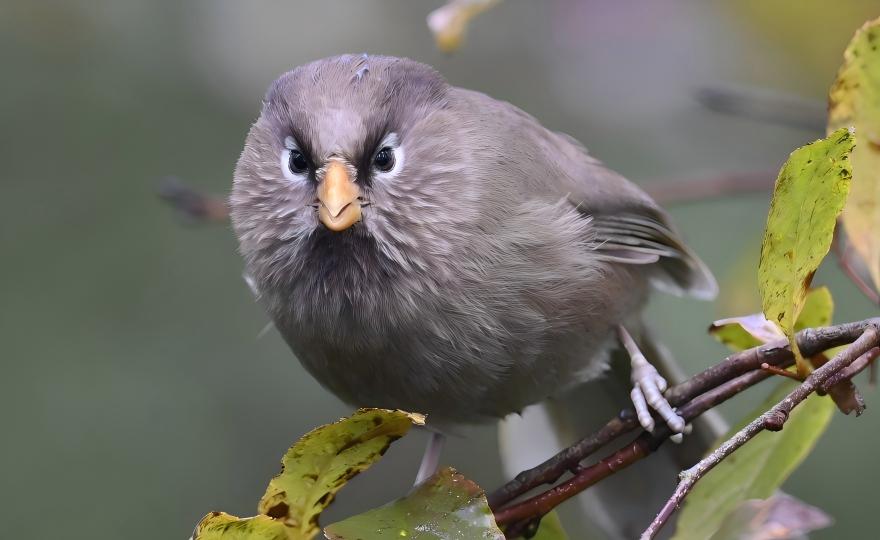
Global Hotspot for parrotbills and babblers: Grey-hooded Parrotbill, Three-toed Parrotbill, Golden Parrotbill, Golden-fronted Fulvetta, Spotted Laughingthrush, Emei Shan Liocichla
Ecological significance: Situated in the transition zone between the Sichuan Basin and the Qinghai-Tibet Plateau, where evergreen broadleaf forests and bamboo thickets support an extraordinary concentration of endemic species
✅ Labahe Reserve
Ecological significance: A pristine forest corridor on the eastern edge of the Hengduan Mountains, and a key habitat for both Giant Panda and Red Panda
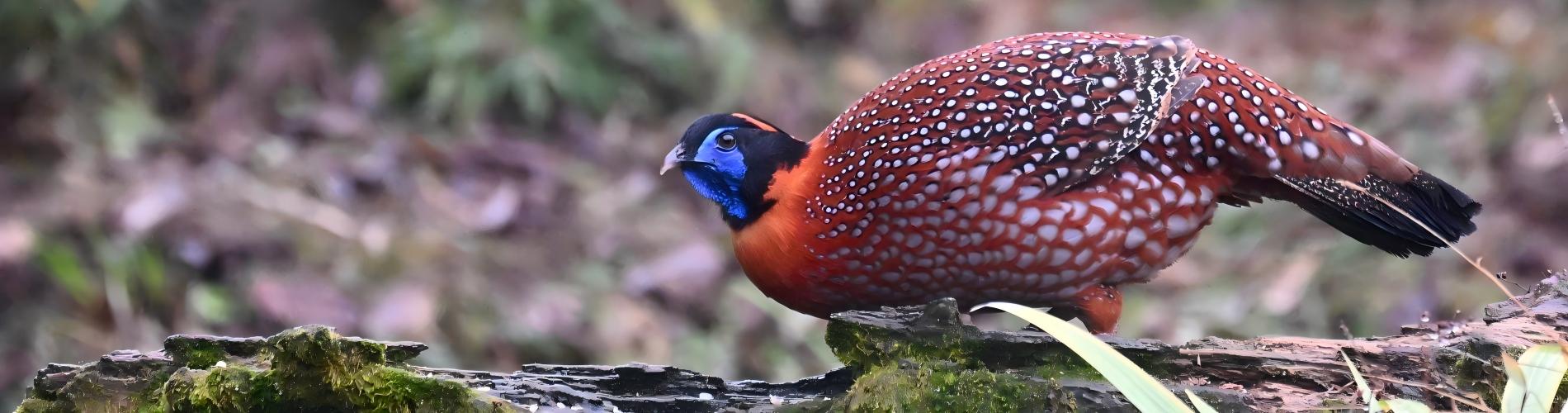
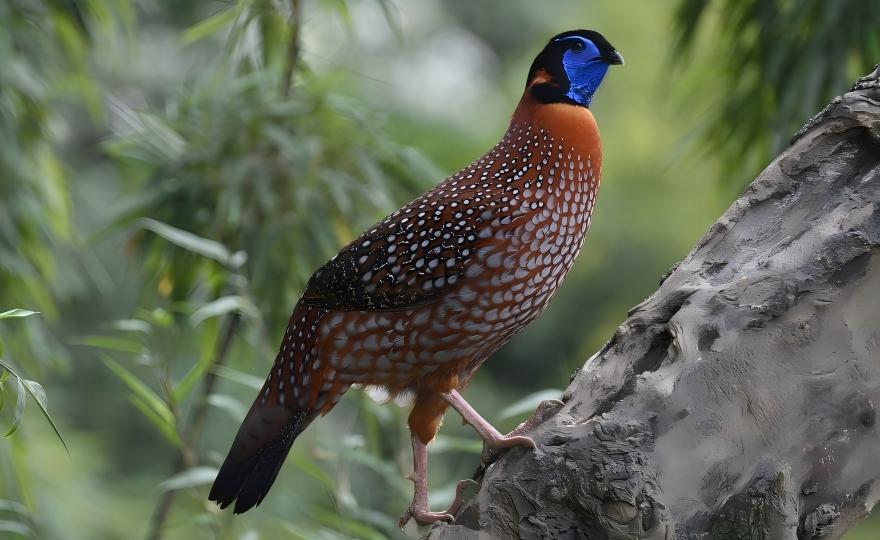
Representative Birds : Lady Amherst's Pheasant, Firethroat, Rufous-tailed Babbler, Temminck's Tragopan, Black-streaked Scimitar Babbler
Extra Experience : nocturnal wildlife walks for Red-and-white Giant Flying Squirrel and Sambar Deer
✅ Kangding, Xinduqiao & Yajiang
Ecological significance: River valleys and high-altitude slopes where the Sichuan lowlands meet the Tibetan Plateau
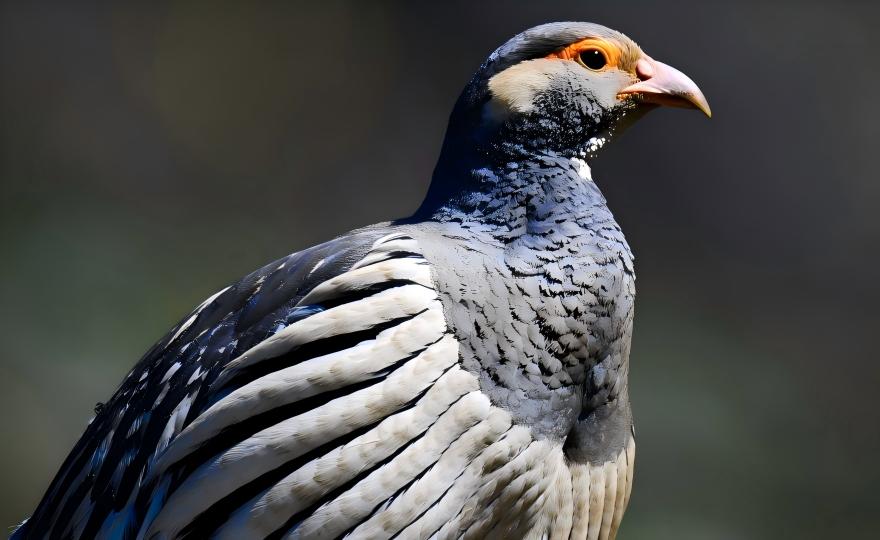
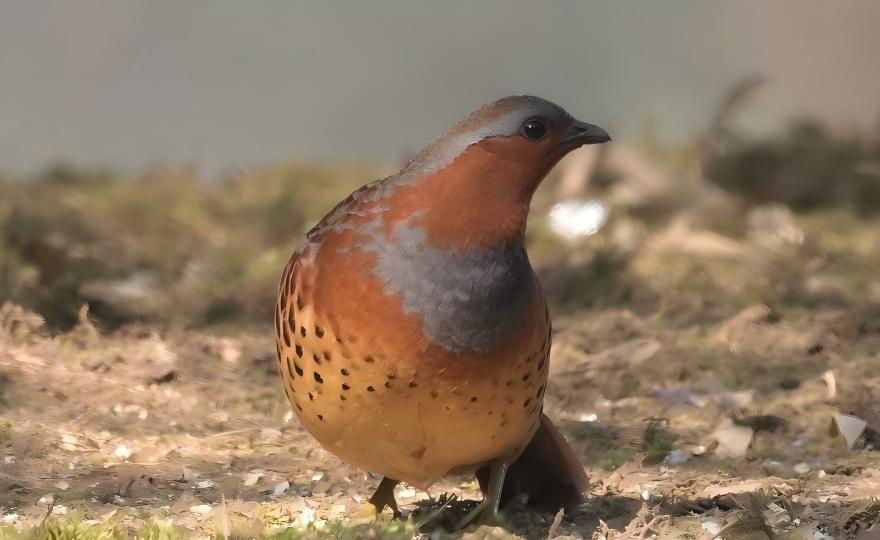
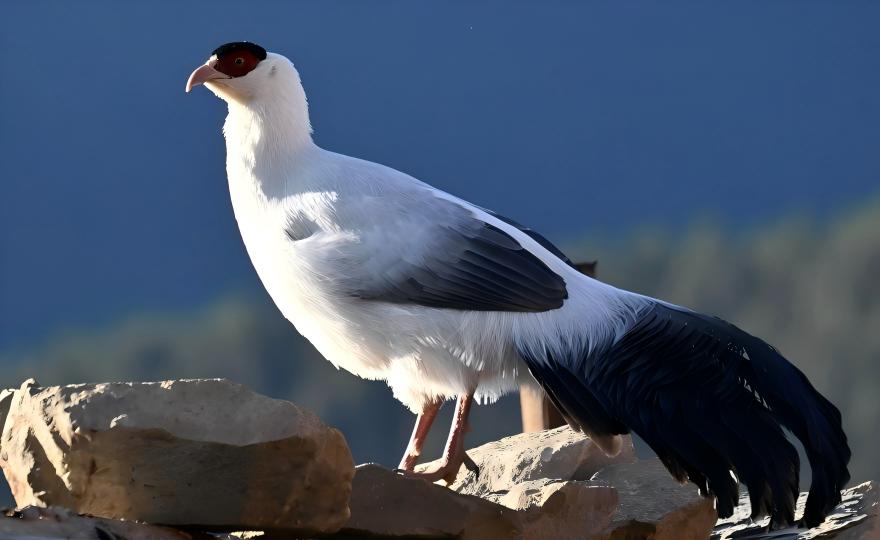
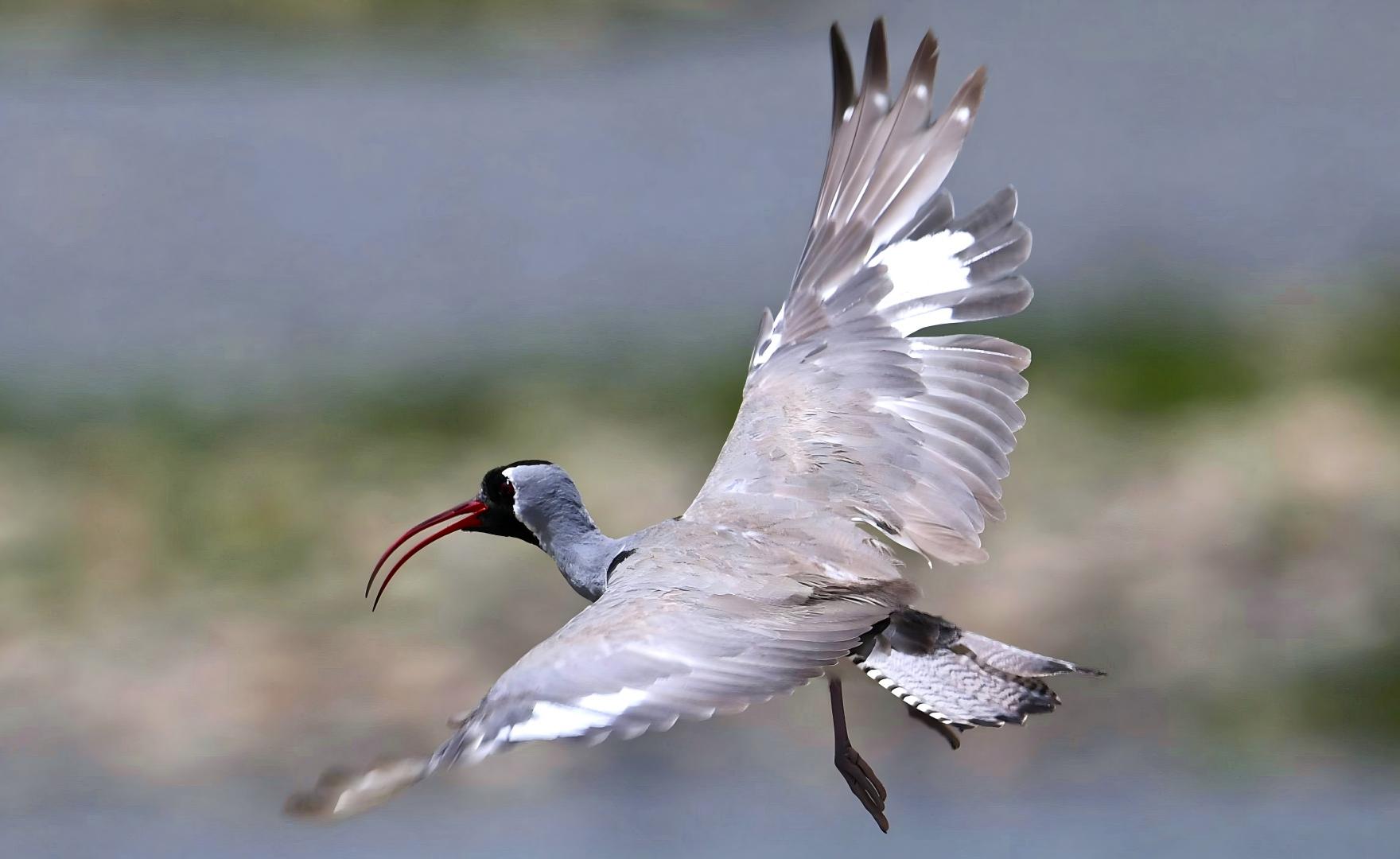
Representative Birds : Buff-throated Monal-Partridge, Blood Pheasant, White Eared Pheasant, Lord Derby's Parakeet, Koklass Pheasant, Ibisbill
Extra Experience : Visit to Pamuling Monastery, where Tibetan Buddhist traditions have protected wildlife for centuries, making the birds remarkably approachable
✅ Balang Mountain (2,000m–4,484m)
Altitude Range : A dramatic elevational rise from 2,000m to 4,484m, creating complete vertical habitat zonation — from broadleaf forest through subalpine scrub to alpine snowline
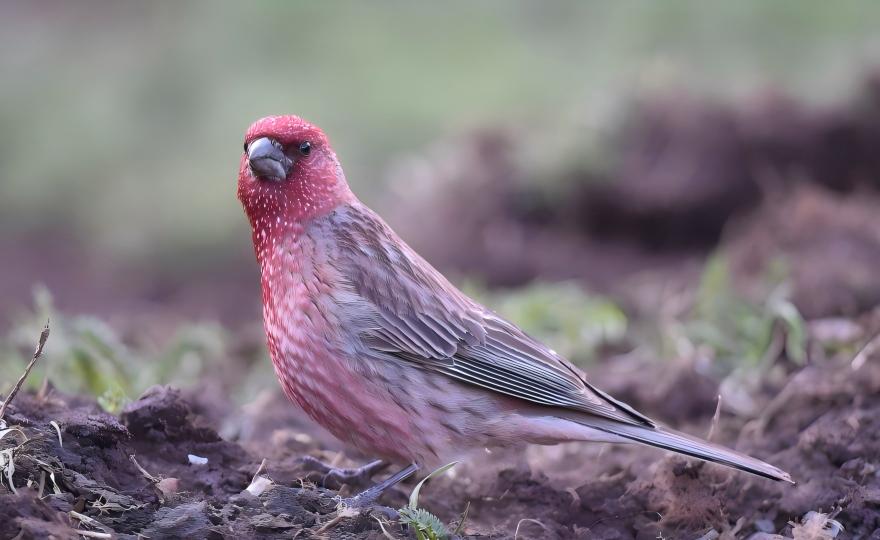
High-altitude highlights: Tibetan Snowcock, Snow Partridge, Grandala, Bearded Vulture, Streaked Rosefinch
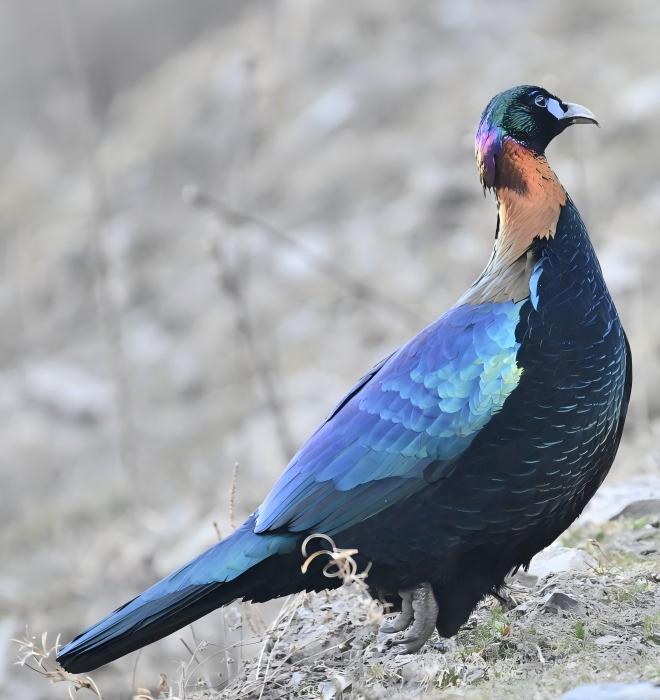
Timberline and mid-altitude highlights: Chinese Monal, White Eared Pheasant, Chestnut-throated Partridge, Blood Pheasant, Koklass Pheasant, Chinese Rubythroat, Chinese Leaf Warbler
Notable Wildlife
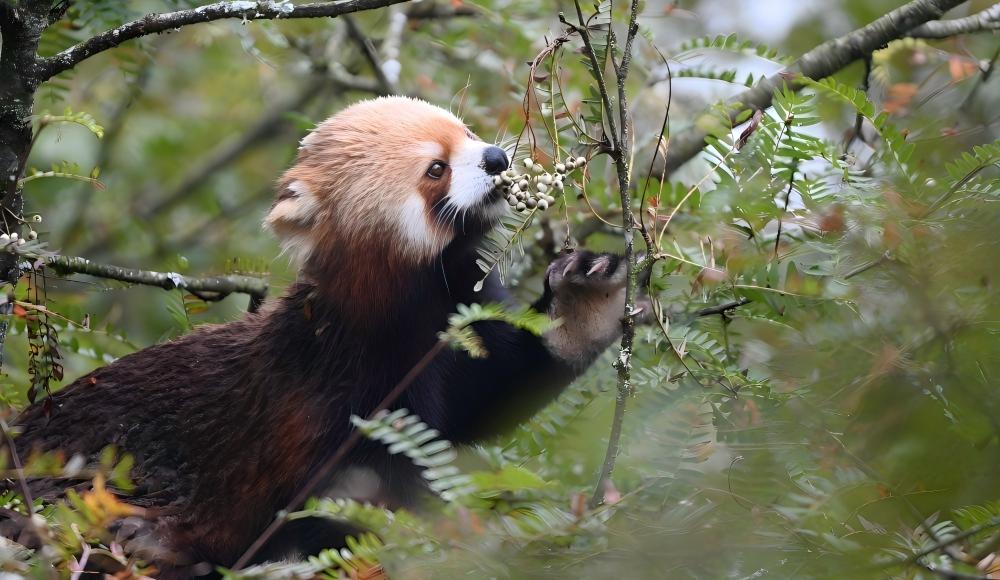
Red Panda — Labahe is one of the best locations in China for sightings
Giant Panda — Labahe is a key habitat within the Giant Panda National Park
Nocturnal species: Red-and-white Giant Flying Squirrel, Sambar Deer, Masked Palm Civet
Forest mammals: Tibetan Macaque, Chinese Takin, Chinese Goral, Hog Badger
Who This Trip Is For
Dedicated birdwatchers (intermediate to advanced level) seeking Sichuan endemic species
Nature and eco-tourism enthusiasts interested in the Hengduan Mountains biodiversity hotspot
Wildlife photographers targeting pheasants, parrotbills, and high-altitude specialties
Travelers drawn to the geography, ecology, and Tibetan culture of western Sichuan
What Makes This Trip Unparalleled?
✅ Iconic Birding sites & Breathtaking Scenery
Premier Sichuan birding destinations — Balang Mountain, Longcanggou, and Labahe — each representing a distinct habitat type within the Hengduan Mountains
Target groups: pheasants (10+ species possible), parrotbills, rosefinches, laughingthrushes, and warblers
Scenic highlights: Pamuling Monastery at 4,000m and Balang Pass at 4,484m, with panoramic views of snow-capped peaks
✅ Expert Local Guidance
Guides with years of field experience in these specific sites and intimate knowledge of bird calls and behavior
Real-time access to the latest sighting information from local networks
Proven track record of serving international birding clients, with an understanding of diverse expectations and needs
✅ Beyond the Birds: Wildlife & Culture
Mammal highlights include chances to encounter Red Panda and signs of Giant Panda in Labahe
Cultural immersion in Khampa Tibetan communities, including a visit to Pamuling Monastery
A natural history expedition that integrates ecology, mammalogy, and cultural heritage
✅ Exclusive Small Group Experience
Maximum 8 participants, ensuring personalized attention and flexibility in the field
Ability to adjust pacing and focus based on the group's target species and interests
An intimate, high-quality experience that larger tours cannot replicate
✅ Trusted Professionalism & Exceptional Service
A long-standing local partner for prestigious Western wildlife tourism companies
A balance of authentic field adventure and reliable logistical support
A dedicated team ensuring a seamless, comfortable, and genuinely immersive journey
Itinerary Overview (14 Days)
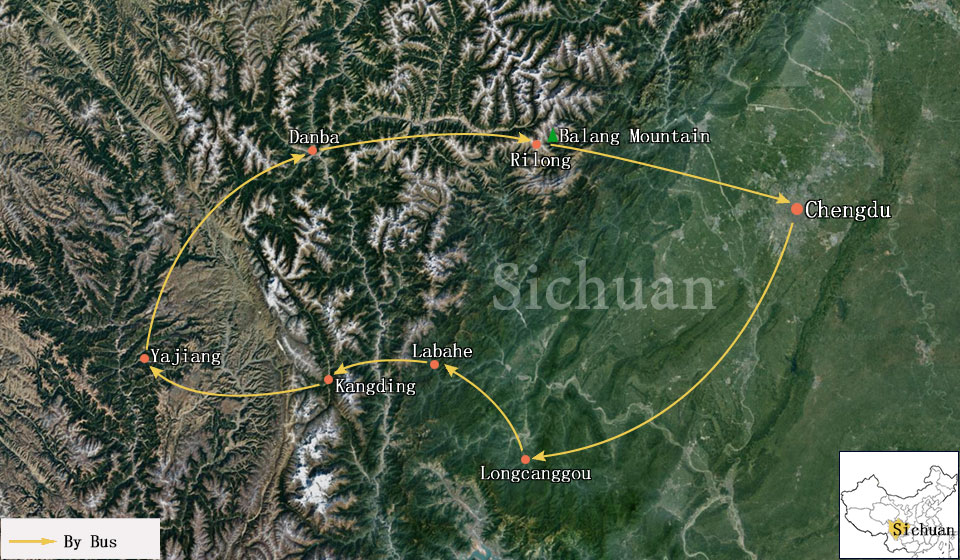
Day | Focus | Key Highlights |
Day 1 | Arrival in Chengdu | Urban birding warm-up: Vinous-throated Parrotbill, Fork-tailed Sunbird) |
Day 2 | Chengdu – Longcanggou | Lowland endemics: Chinese Bamboo Partridge, Ashy-throated Parrotbill, Chinese Hwamei |
Day 3-4 | Longcanggou | China’s premier babbler hotspot: Grey-hooded Parrotbill, Three-toed Parrotbill, Golden-fronted Fulvetta, Spotted Laughingthrush, Emei Shan Liocichla |
Day5 | Longcanggou – Labahe Reserve | Streamside specialties (Brown Dipper, Plumbeous Water Redstart) + night walk for Red Panda & Red-and-white Flying Squirrel |
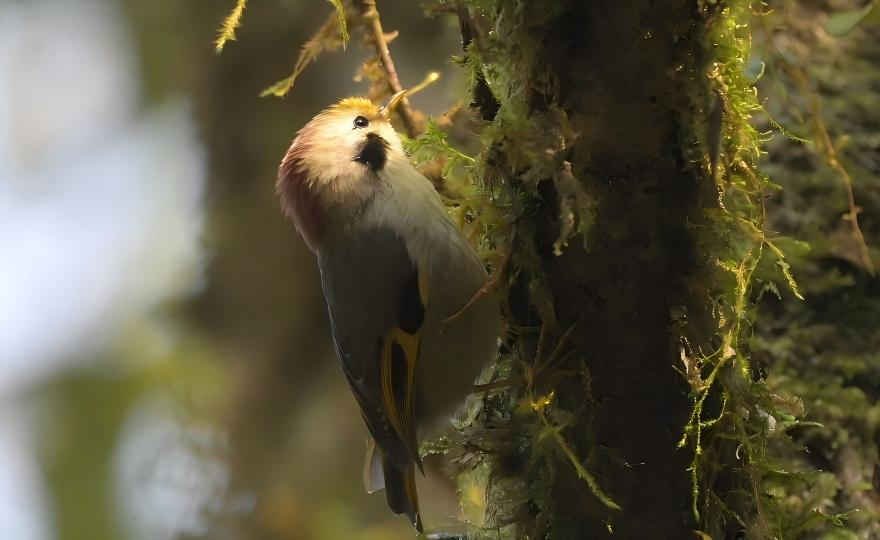
Day 6 | Labahe Reserve | Red Panda habitat birding: Temminck’s Tragopan, Lady Amherst’s Pheasant, Golden Bush Robin,Sichuan Treecreeper, Brown Parrotbill |
Day 7 | Labahe Reserve – Kangding | Final Labahe morning session; scenic drive to the gateway of the Tibetan Plateau |
Day 8 | Kangding- Xinduqiao -Yajiang | Morning searching for Lady Amherst's Pheasant, Barred Laughingthrush, Streak-breasted Scimitar Babbler, Chinese Babax+ Ibisbill along riverbeds |
Day 9 | Yajiang - Danba(via Pamuling, 4,000m) | Tibetan monastery birding: Buff-throated Monal-Partridge, Blood Pheasant, White Eared Pheasant, Koklass Pheasant, Yunnan Nuthatch |
Day 10 | Danba - Rilong | Alpine transitions: Grandala, Beautiful Rosefinch, Brand’s Mountain Finch, Red-billed Chough |
Day 11–12 | Balang Mountain (up to 4,484m) | China’s top high-altitude birding site: Chinese Monal, Tibetan Snowcock, Snow Partridge, 10+ pheasant species |
Day 13 | Rilong – Chengdu | Final target sweep on Balang; celebratory Sichuan hotpot dinner |
Day 14 | Departure from Chengdu | Airport transfer; end of tour |
Daily Itinerary
Day 1: Arrival in Chengdu
Meet your private guide at Chengdu Shuangliu or Tianfu International Airport and transfer to your downtown hotel. For early arrivals, enjoy a relaxed birding session at a nearby park — a gentle introduction to Sichuan’s common yet charming species, including Vinous-throated Parrotbill and Fork-tailed Sunbird.
Day 2: Chengdu to Longcanggou National Forest Park
Begin at Chengdu Botanical Garden, one of China’s finest urban birding sites, where forest cover attracts Vinous-throated Parrotbill, Light-vented Bulbul, White-browed Laughingthrush, Red-billed Leiothrix, Japanese White-eye, Fork-tailed Sunbird, and Eurasian Hoopoe. After lunch, drive approximately 3 hours to Longcanggou. Arrive with time for light birding around the guesthouse — Ashy-throated Parrotbill, Chinese Hwamei, and Oriental Greenfinch are often found within steps of the door.
Days 3–4: Longcanggou National Forest Park
Situated in the ecological transition zone between the Sichuan Basin and the Qinghai-Tibet Plateau, Longcanggou’s evergreen broadleaf forests and bamboo thickets harbor an extraordinary concentration of Sichuan endemic birds — widely regarded as China’s single best site for parrotbills and babblers.
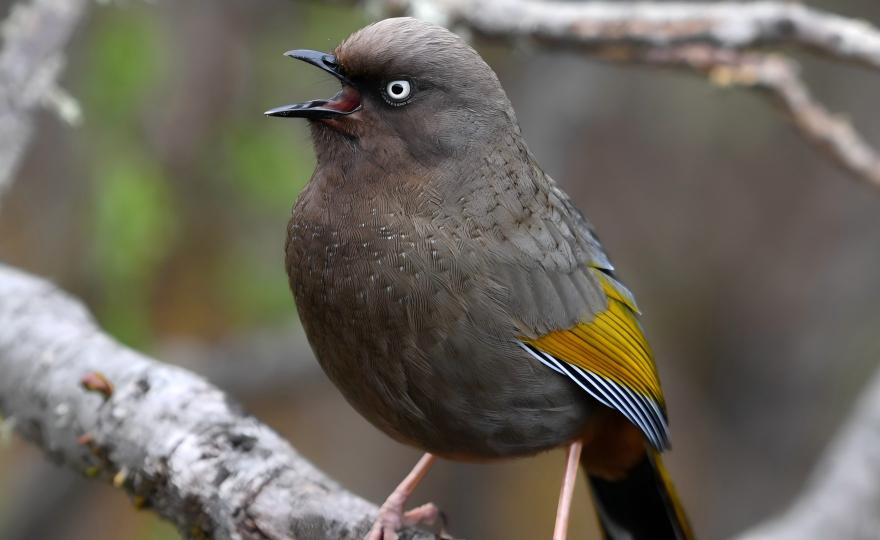
*High-elevation bamboo forests:* Great Parrotbill, Three-toed Parrotbill, Grey-hooded Parrotbill, Golden Parrotbill, Emei Shan Liocichla, and Temminck’s Tragopan.
*Lower broadleaf forests:* Golden-fronted Fulvetta, David’s Fulvetta, Crimson-breasted Woodpecker, Sichuan Bush Warbler, Pygmy Cupwing, Black Bulbul, Red-tailed Minla, and Blue-winged Minla.
Two full days allow us to work different elevations systematically, maximizing our chances at these sought-after specialties.
Day 5: Longcanggou to Labahe Nature Reserve
A final morning search for any missed Longcanggou targets, then drive to Labahe Nature Reserve — a pristine forest corridor and key habitat for both Giant Panda and Red Panda. Upon arrival, bird the streamsides for Red-billed Blue Magpie, White-capped Water Redstart, Plumbeous Water Redstart, and Brown Dipper, with a chance encounter of Tibetan Macaque. After dinner, venture on a night walk in search of Red-and-white Giant Flying Squirrel and Sambar Deer.
Day 6: Labahe Nature Reserve
Labahe ranks among China’s most rewarding birding destinations for its combination of rare mammals and superb forest birds. While Red Panda sightings require patience and fortune, the avian highlights are reliable: Lady Amherst’s Pheasant, Brown Parrotbill, Sichuan Treecreeper, Speckled Wood Pigeon, Fire-capped Tit, Pere David’s Tit, Chinese Cupwing, and Golden Bush Robin.
Day 7: Labahe to Kangding
A last productive morning in Labahe’s forests, then drive to Kangding — the historic gateway town where Sichuan’s lowland valleys meet the Tibetan Plateau. Enjoy the dramatic shift in landscape and culture as you ascend.
Day 8: Kangding to Yajiang via Xinduqiao
Morning birding around Kangding for Lady Amherst’s Pheasant, Barred Laughingthrush, Chinese Babax, and White-collared Yuhina. Then follow the river valleys towards Yajiang, stopping at gravel banks to search for the extraordinary Ibisbill — a monotypic species with no close relatives — along with Brown Dipper, White-throated Dipper, and Daurian Jackdaw.
Day 9: Yajiang to Danba via Pamuling (Alt.: up to 4,000m)
Today we visit a Tibetan Buddhist monastery on Pamuling Mountain, where centuries of spiritual protection have made the wildlife remarkably approachable. This sacred site offers some of the easiest sightings in China of Buff-throated Partridge, Blood Pheasant, White-browed Tit Warbler, Yunnan Nuthatch, Black-browed Tit, Chinese White-browed Rosefinch, and White-backed Thrush. Continue to the picturesque Tibetan village of Danba in the afternoon.
Day 10: Danba to Rilong
Depart for the Balang Mountain region — the climax of our birding journey. En route, stop at Yala Mountain for White Eared Pheasant, Chinese Babax, and Brown Dipper. As we gain altitude, scan open slopes for Red-billed Chough, Grandala, Beautiful Rosefinch, Brand’s Mountain Finch, and White-winged Grosbeak. Arrive in Rilong, nestled at the foot of snow-capped peaks.
Days 11–12: Balang Mountain (Alt.: up to 4,484m)
Two full days on what many international birders consider China’s single greatest high-altitude birding site. The mountain’s dramatic elevational gradient — from 2,000m to 4,500m — creates a living laboratory of habitat zones, each with its own suite of species.
*Alpine zone (the pass, ~4,400m+):* Snow Partridge, Tibetan Snowcock, Grandala, Lammergeier (Bearded Vulture), Golden Eagle, Red-billed Chough, Alpine Accentor, Brandt’s Mountain Finch, and Snow Pigeon.
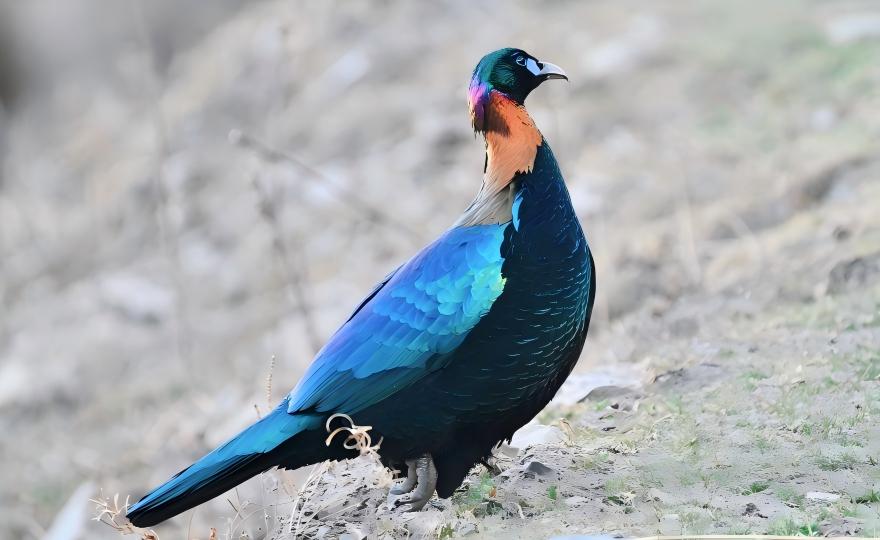
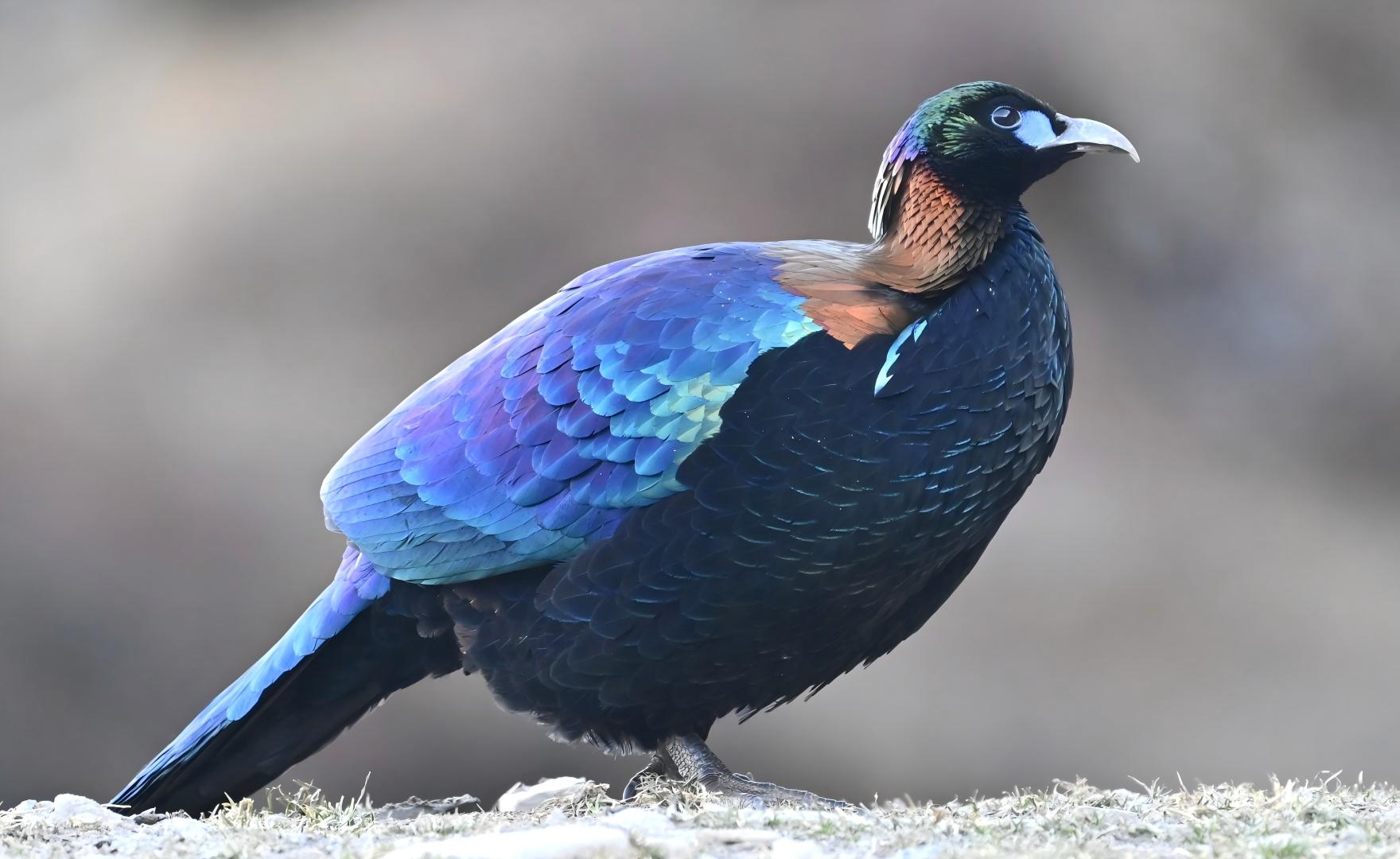
*Timberline and subalpine scrub:* The stunning Chinese Monal — arguably China’s most spectacular pheasant — White Eared Pheasant, Chestnut-throated Partridge, Blood Pheasant, Koklass Pheasant, Chinese Rubythroat, and Giant Laughingthrush.
*Lower broad-leaved forests:* Chinese Fulvetta, Green-backed Tit, Chinese Leaf Warbler, Martens’s Warbler, Chinese Babax, Verditer Flycatcher, and the elusive Golden Pheasant.
With two days, we can thoroughly work each habitat band and return for species that may have been missed.
Day 13: Rilong to Chengdu via Balang Mountain
A final morning on Balang to clean up any remaining target species, then descend through the mountains back to Chengdu. In the evening, gather for a celebratory authentic Sichuan hotpot dinner — a fitting finale to an extraordinary birding adventure.
Day 14: Departure from Chengdu
After breakfast, transfer to the airport for your flight home or onward journey. Tour services conclude.
Frequently Asked Questions (FAQ)
Q1: Who is this trip designed for?
A: This tour is designed for intermediate to advanced birders seeking Sichuan endemic species, particularly parrotbills, babblers, and pheasants of the Hengduan Mountains. It also suits wildlife photographers targeting species such as Chinese Monal, Red Panda, and Firethroat, as well as nature enthusiasts interested in the ecology and Tibetan culture of western Sichuan.
Q2: When is the best time to take this tour?
A: The optimal window is March to May. During this period, many pheasant species are calling and more visible as breeding activity begins, vegetation is still relatively open before summer growth, and conditions at high altitude are more accessible than in winter. This season also coincides with the peak calling period for key targets such as Temminck’s Tragopan and Chinese Monal.
Q3: What other attractions can I expect besides birding?
A: Beyond birding, the tour integrates several dimensions of natural and cultural exploration:
Mammal watching: Nocturnal walks in Labahe for Red-and-white Giant Flying Squirrel and Sambar Deer, with a chance of encountering Red Panda
Giant Panda habitat: Labahe is a key habitat within the Giant Panda National Park
Tibetan culture: Visits to Khampa Tibetan communities and Pamuling Monastery, where Buddhist traditions have shaped local wildlife protection
Sichuan cuisine: Authentic local dishes throughout the journey, including a celebratory hotpot dinner in Chengdu
Q4: What are the photography opportunities like?
A: Photography opportunities are excellent. Several factors work in the photographer’s favor:
Approachable wildlife: At Pamuling Monastery, long-standing Buddhist protection has made species such as Blood Pheasant and Buff-throated Partridge notably tame
Diverse backdrops: Habitats range from subtropical broadleaf forest to alpine snowline, offering varied natural settings
Key subjects: Chinese Monal at timberline, pheasants on forest trails, Grandala in open alpine areas, and streamside species such as Ibisbill and dippers
Q5: What types of habitats will we visit?
A: The tour traverses a complete elevational gradient across the Hengduan Mountains, covering:
Subtropical broadleaf forests (Longcanggou, ~2,000m) — parrotbills, babblers, fulvettas
Mixed coniferous-broadleaf forests (Labahe, ~2,500m) — Lady Amherst’s Pheasant, Sichuan Treecreeper, Brown Parrotbill
Subalpine scrub and timberline (Balang Mountain, ~3,500–4,000m) — Chinese Monal, White Eared Pheasant, Chestnut-throated Partridge
Alpine snowline and scree slopes (Balang Pass, ~4,400–4,484m) — Tibetan Snowcock, Snow Partridge, Lammergeier, Brandt's Mountain Finch
Riverine gravel banks (Yajiang area) — Ibisbill, Brown Dipper, White-throated Dipper
This habitat diversity is the key to the tour's exceptional species list.
Q6: What is the expected climate during the tour?
A: Conditions vary significantly with elevation:
Lower elevations (Chengdu, Longcanggou, ~500–2,500m): Mild and comfortable, typically 10–20°C in spring
Mid elevations (Labahe, Kangding, ~2,500–3,500m): Cool, with temperatures around 5–15°C; rain is possible
High altitude (Balang Pass, ~4,484m): Cold and windy, temperatures can drop to near or below freezing, even in spring
We recommend a layered clothing system and waterproof outer layers to adapt to these conditions throughout the day.
Q7: How physically demanding is the trip?
A: The majority of birding involves walking at a moderate pace on roads and trails. The most demanding sections are at Balang Mountain, where we bird at altitudes up to 4,484m. Participation in higher-altitude sections is always optional — our guides can adjust the plan to suit individual fitness levels. We also build in gradual ascent over several days to aid acclimatization.
Q8: What are the accommodations like?
A: Accommodations are carefully selected local hotels and guesthouses. In larger towns (Chengdu, Kangding, Rilong), properties are comfortable with en-suite facilities. In nature reserves (Longcanggou, Labahe), guesthouses are simpler but clean and adequate, placing you close to the birding action. All accommodations include breakfast.
Q9: How should I prepare for the weather and altitude?
A:
Clothing: Pack in layers — a moisture-wicking base layer, an insulating mid-layer (fleece or down), and a windproof, waterproof shell. A warm hat and gloves are essential for Balang Pass
Altitude: The itinerary ascends gradually from Chengdu (~500m) to Balang Pass (~4,484m) over several days, which aids natural acclimatization. We recommend arriving in Chengdu at least one day before the tour starts to rest. If you have concerns about altitude, consult your doctor before travel
Q10: What gear should I bring?
A:
Optics: A quality pair of binoculars (8×42 or 10×42 recommended); a spotting scope is useful but not essential
Reference: A field guide to the birds of China (e.g., *Birds of East Asia* by Mark Brazil, or the *MacKinnon & Phillips* guide)
Clothing: Sturdy, waterproof walking shoes; layered clothing as described above
Accessories: A small daypack, sunscreen, lip balm, a headlamp (for nocturnal walks), and a reusable water bottle

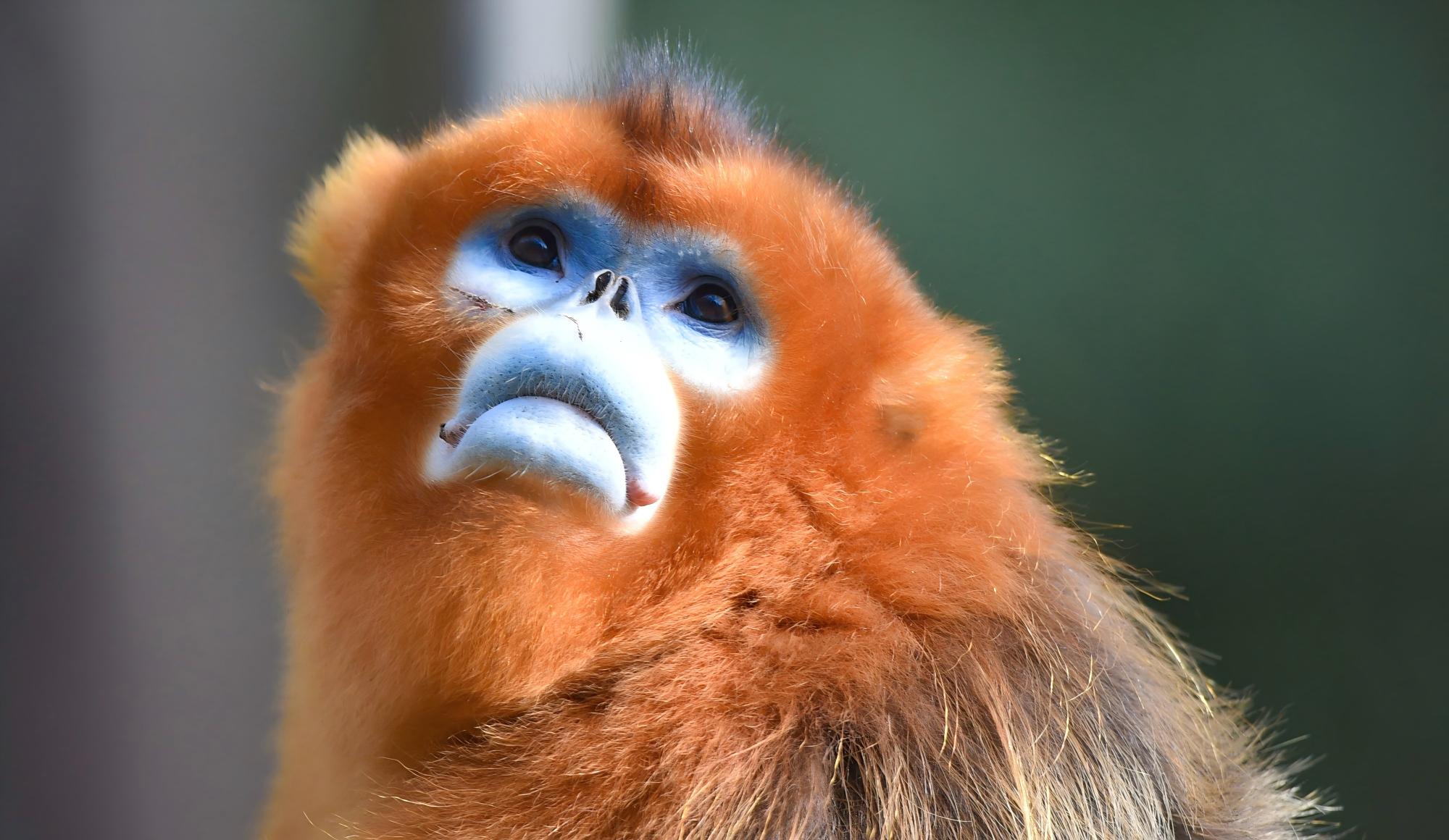
Oct 2025 • CouplesHighly recommended! China Wildlife Tour provided an excellent, customized, birding and wildlife tour in Sichuan province, China. We have participated in wildlife travel in Africa, India, Mexico, Canada, and the U.S. Therefore, we can say that our China Wildlife Tour ornithologist, Shay Xie, was truly world class. We were able to photograph a wide variety of endemic and migratory birds in several different habitats. Furthermore, we photographed the red panda, golden snub-nosed monkeys, Takins, Tibetan foxes, and many other animals in their natural habitat. We plan to travel with China Wildlife Tour again!
Thanks for helping us to fill the following form about your personal preferences. This information you provide can help us to plan the best trip especially for you.




Copyright © 2026 • China Wildlife Tour All Rights Reserved Safari in Cina
 中文
中文