(+86)133 8819 6153
info@chinawildlifetour.com

Price from $ 1499/pax for group of 4-8 pax June 03, 2027
Hengduan Enigma: Alpine Herpetology & Canyon Ecology of Balang Mountain
Destination: Sichuan Wolong National Nature Reserve & Balang Mountain & Gengda Panda Base
Theme: Herpetology · Alpine Birds · Botany · Mammals
Overview
Journey into the heart of the Hengduan Mountains, one of the world's thirty-six biodiversity hotspots. This expedition is meticulously designed for wildlife enthusiasts seeking a deep dive into the hidden world of Southwest China's herpetofauna and alpine ecology.
We navigate a dramatic vertical spectrum, from the arid river valleys to the snow-dusted peaks. Our focus is on the "Cold-Blooded Hengduan"—from the endemic Wenchang Japalure and Tung River Skink basking on warm rocks to the elusive Stream Salamander lurking in crystal-clear torrents. The journey culminates with a visit to the Gengda Giant Panda Base, offering a comprehensive look at the region's conservation efforts. Combined with sightings of the Grandala soaring over high passes, this tour offers a scientifically structured immersion into one of China's most biodiverse regions.
Highlights
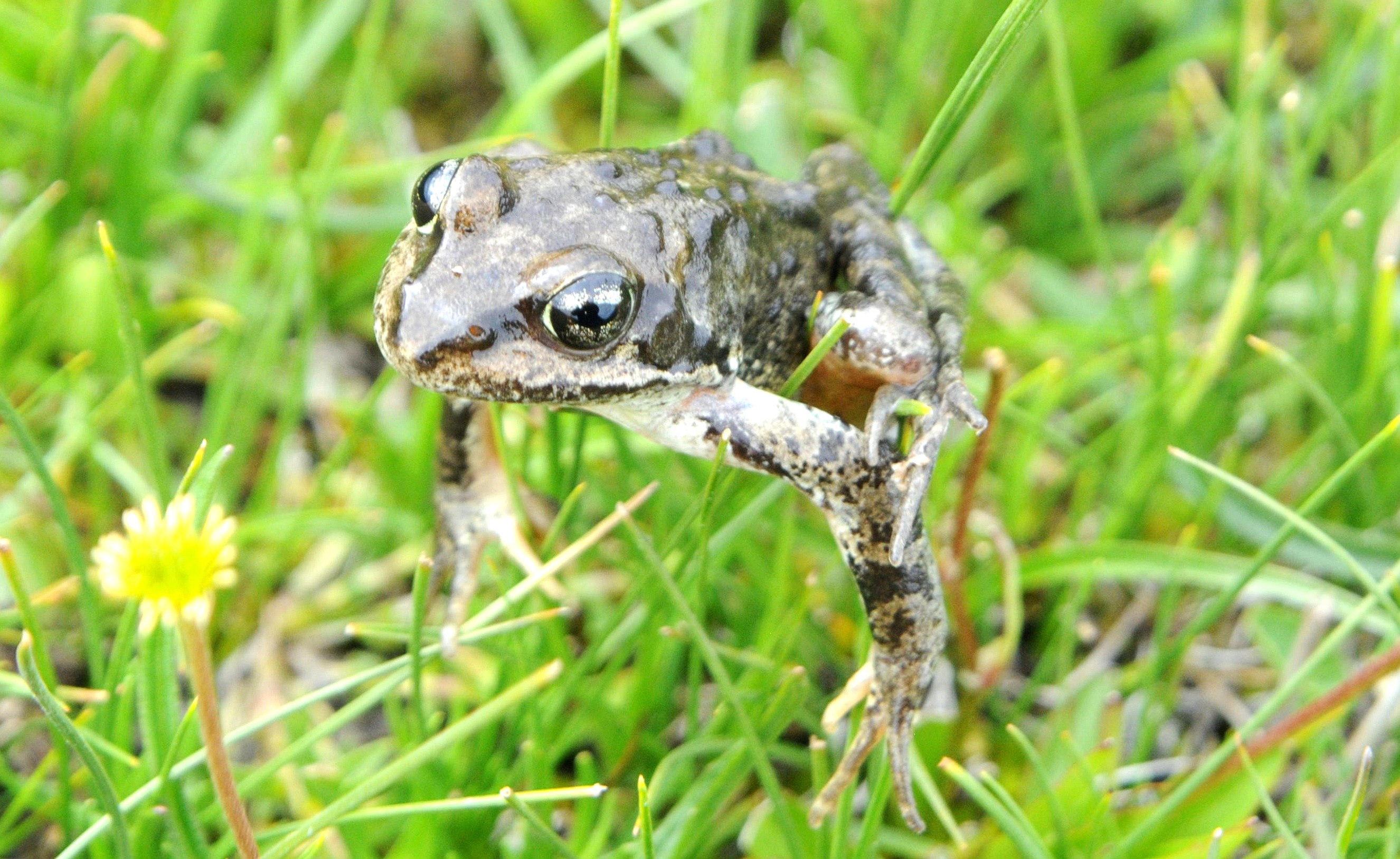
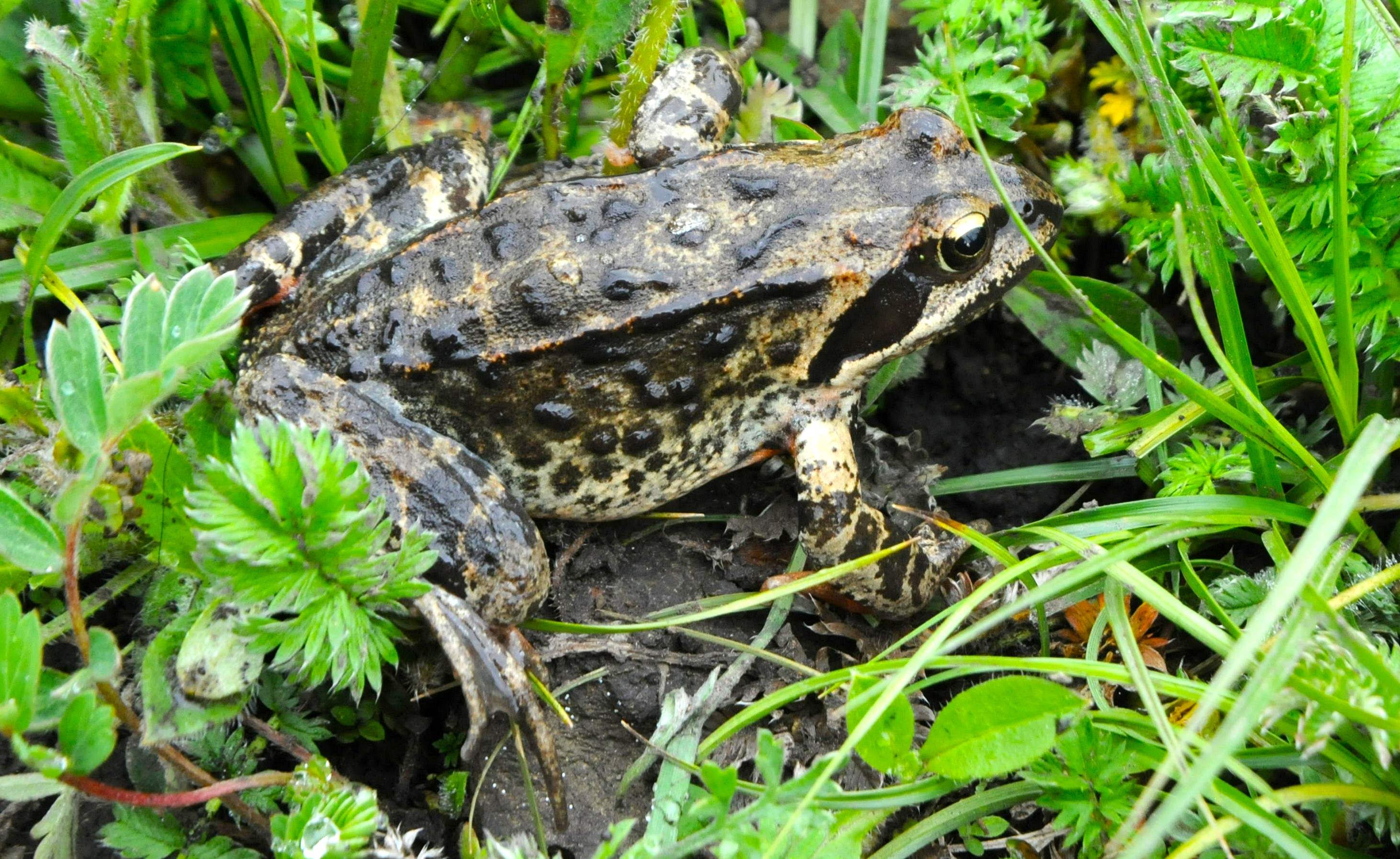
Endemic Herpetofauna: Target specialty species including the Stream Salamander (*Batrachuperus pinchonii*), the recently described Tung River Skink, and the regionally endemic Wenchang Japalure.
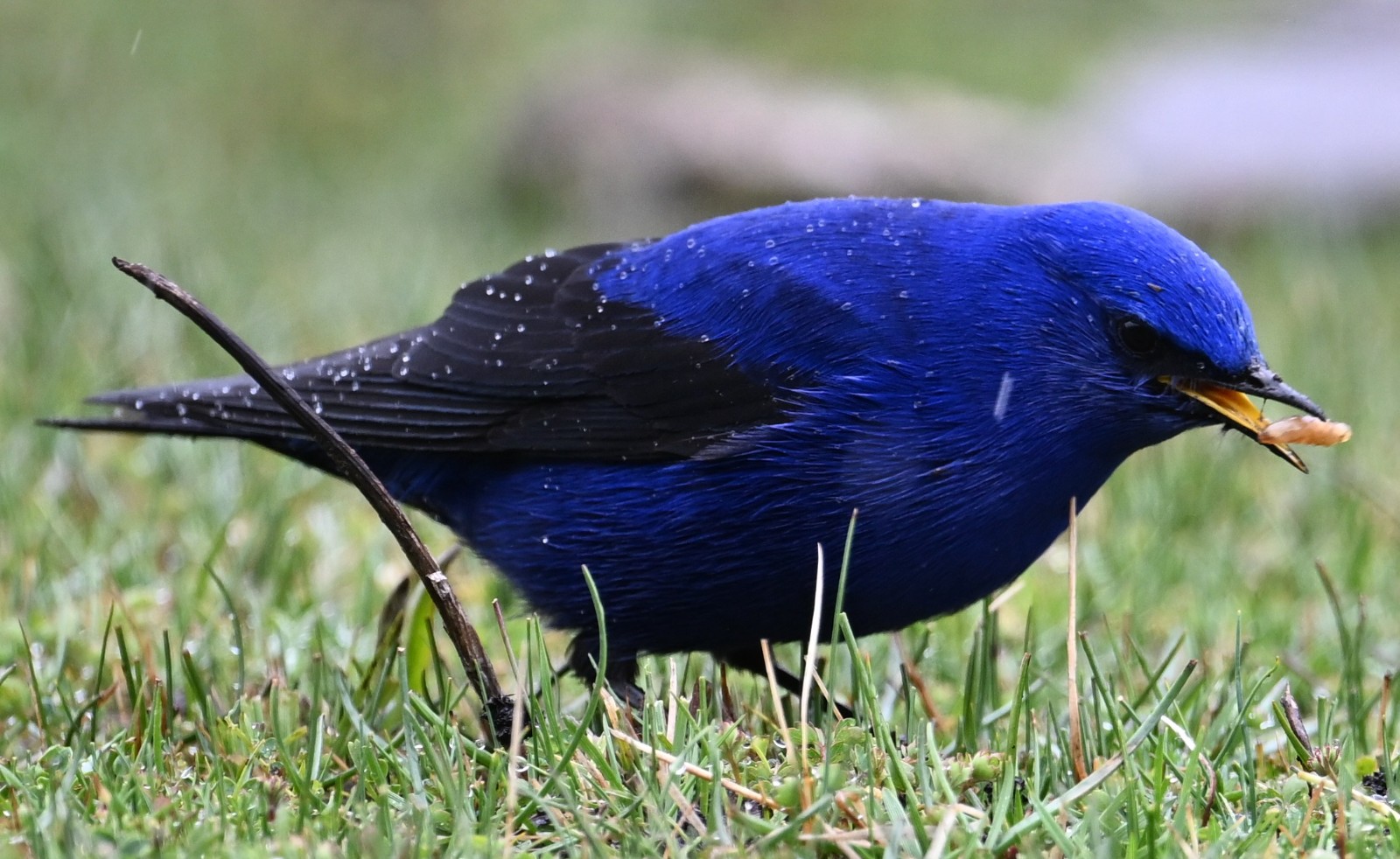
Alpine Avifauna: Witness the stunning contrast of the Grandala against alpine scree, alongside high-altitude specialists like the Snow Partridge, Collared Grosbeak, and Blue Bunting.
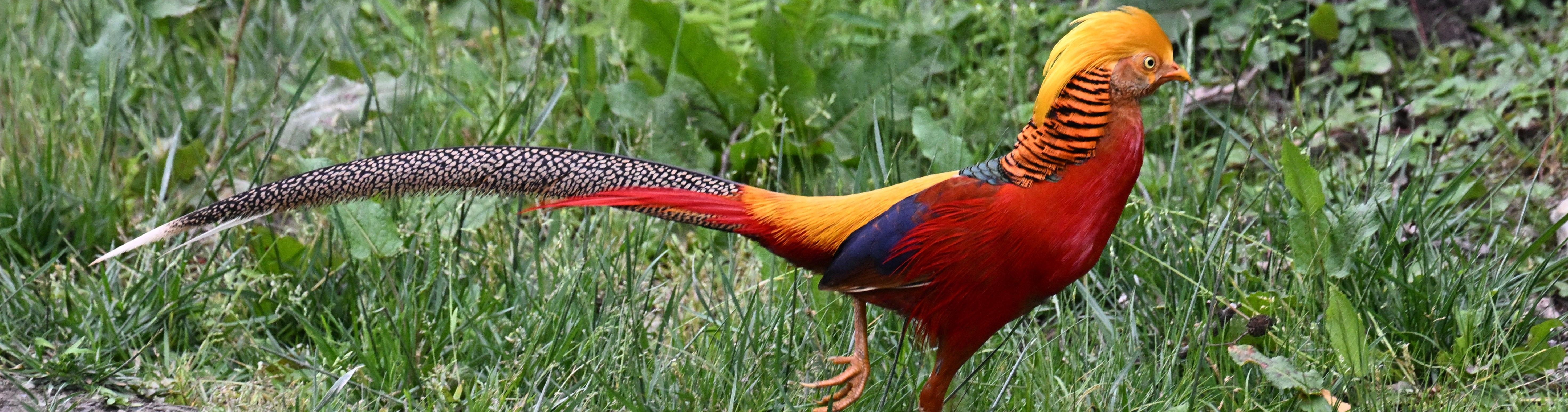
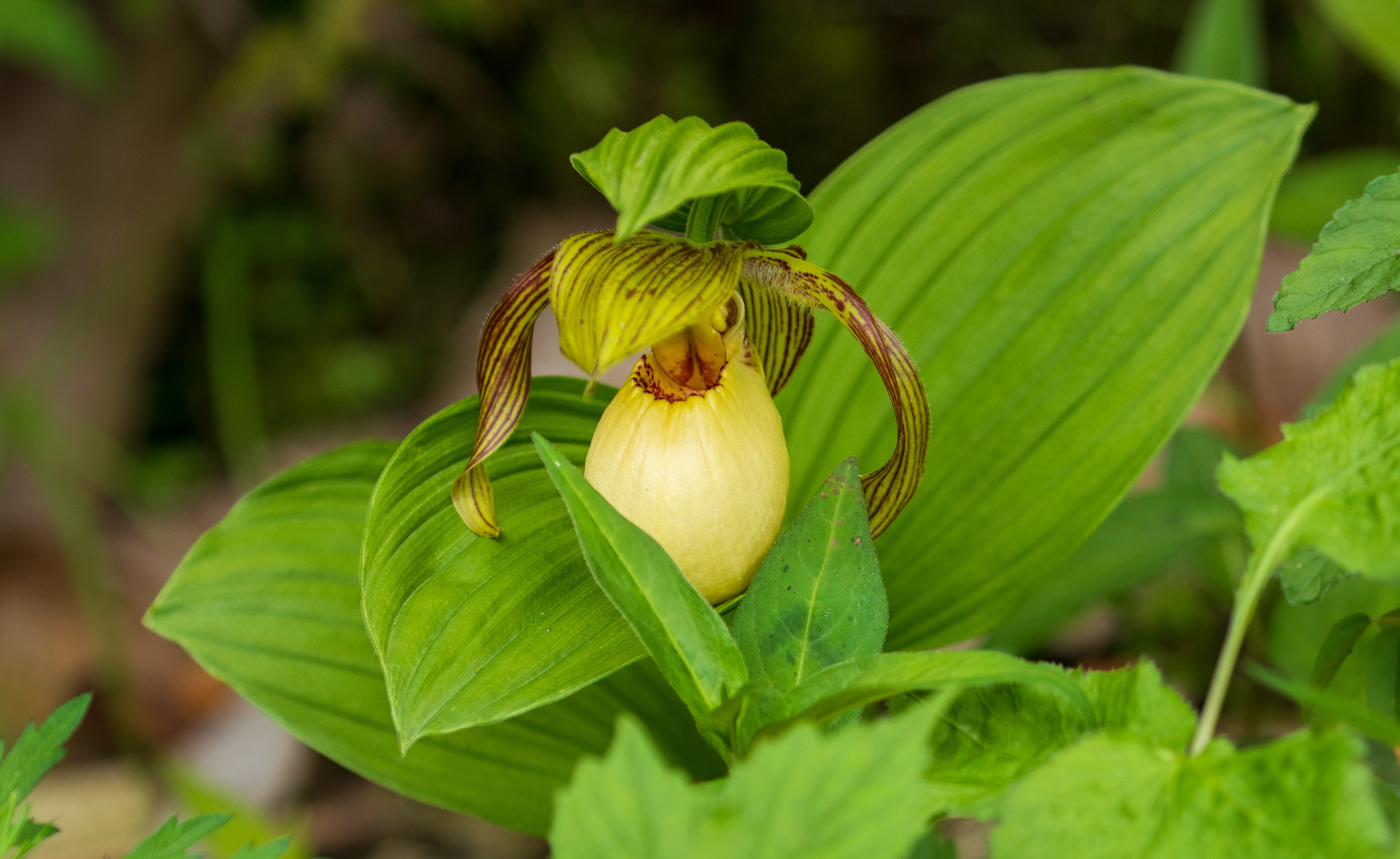
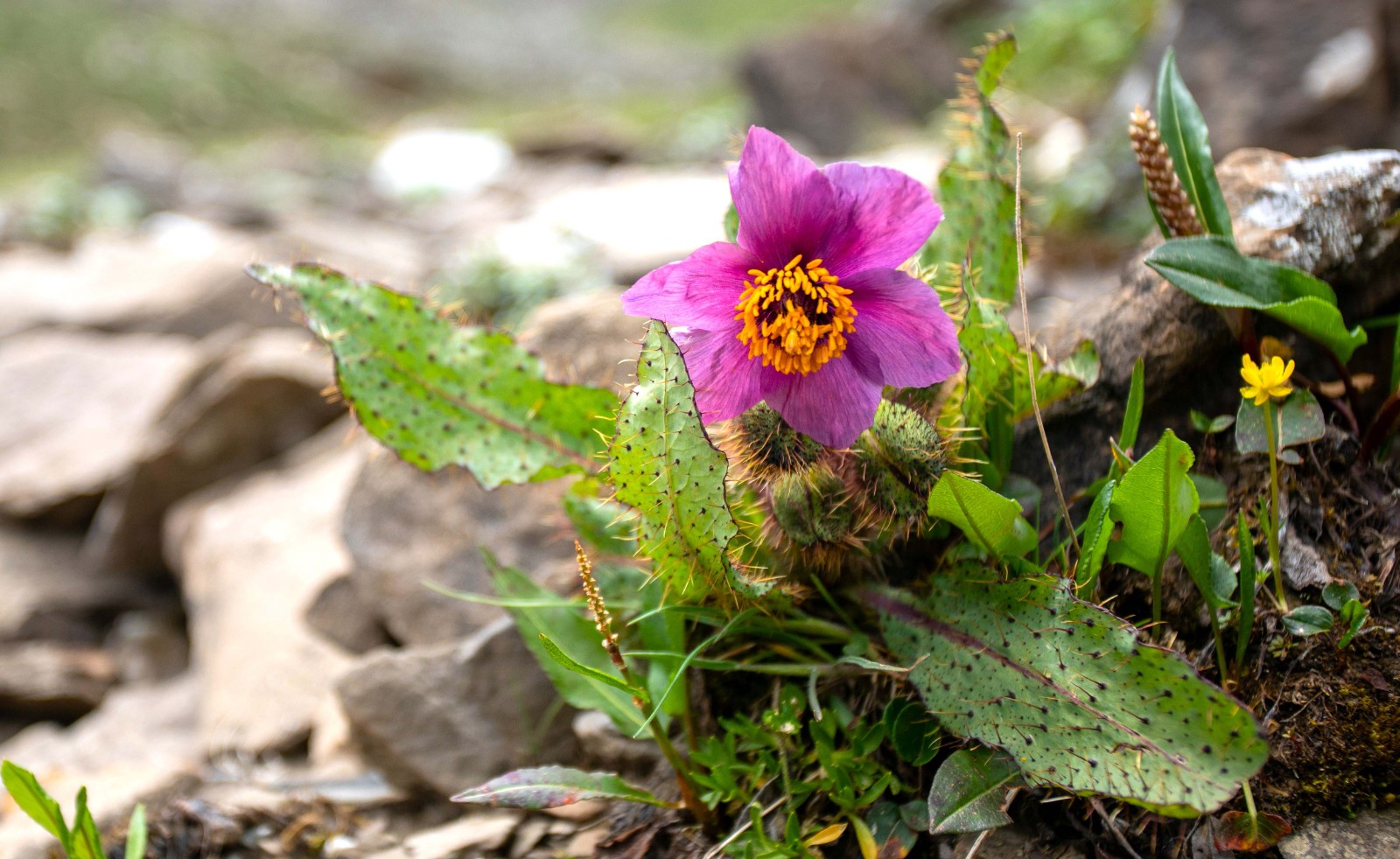
Vertical Zonation: Experience a full altitudinal gradient of species, from the lowland Golden Pheasant to the high-altitude Balang Mountain Meconopsis.
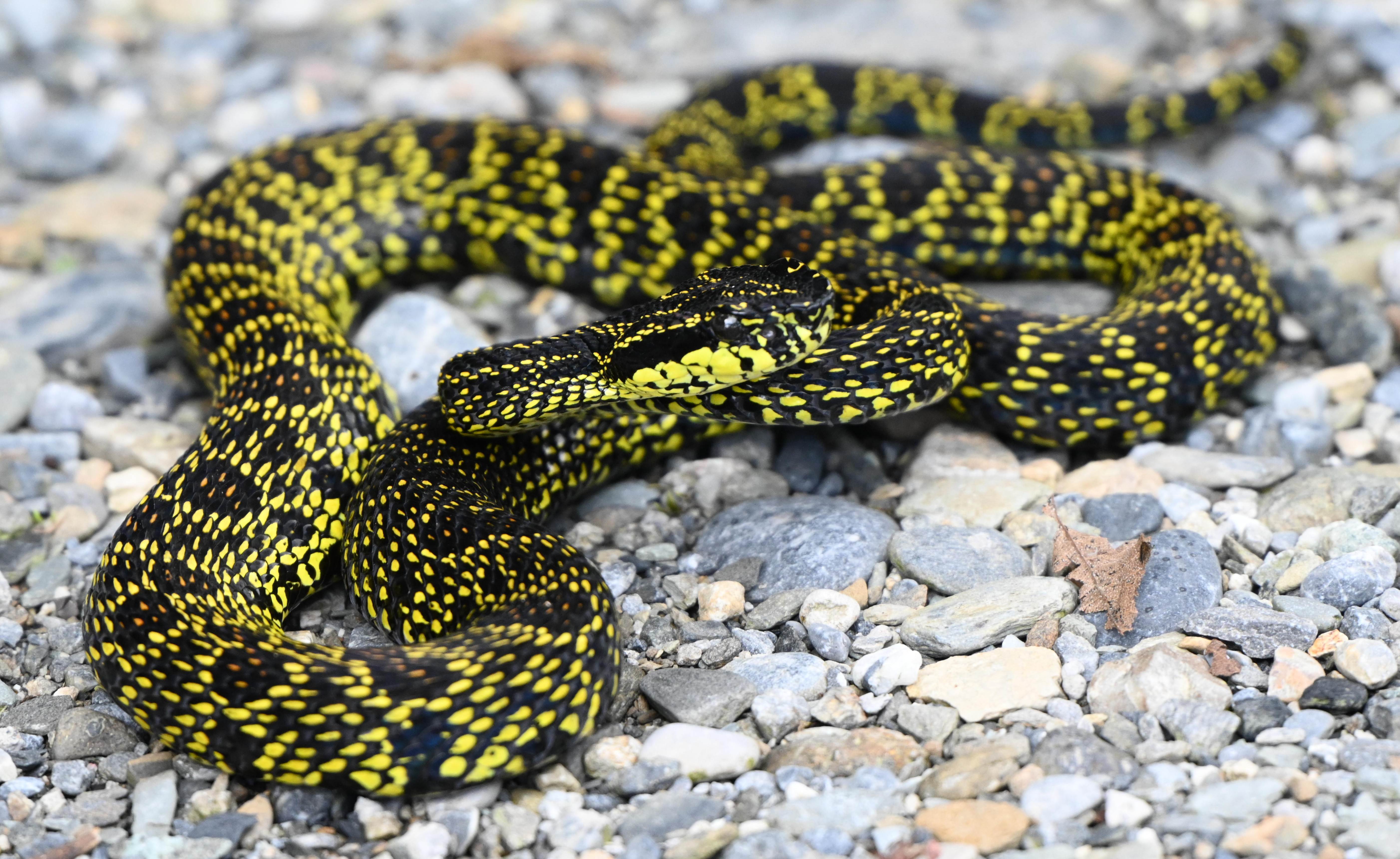
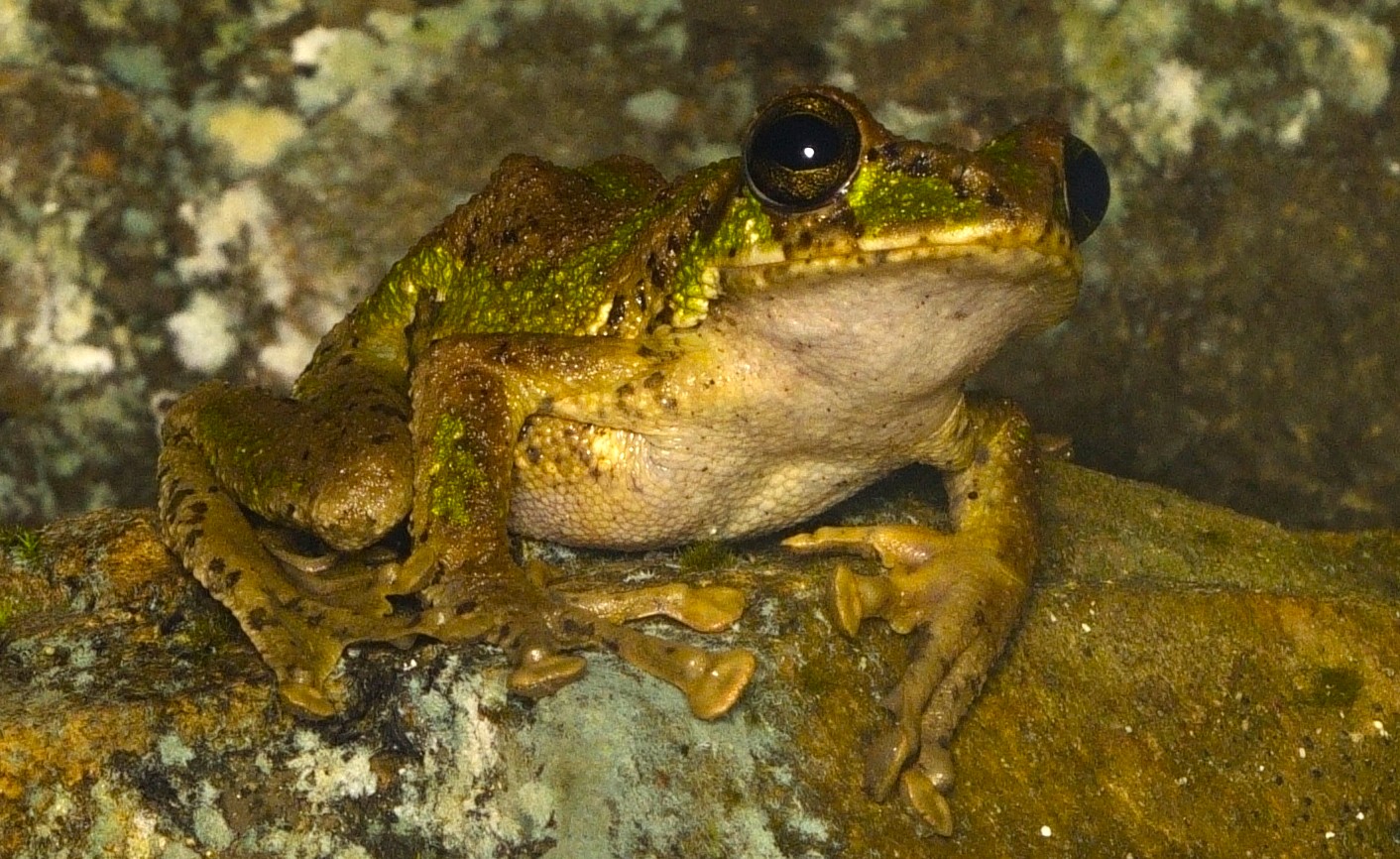
Nocturnal Discoveries: Specialized night surveys to observe nocturnal snakes like the Mang Mountain Pit Viper and breeding amphibians like the Omei Tree Frog.
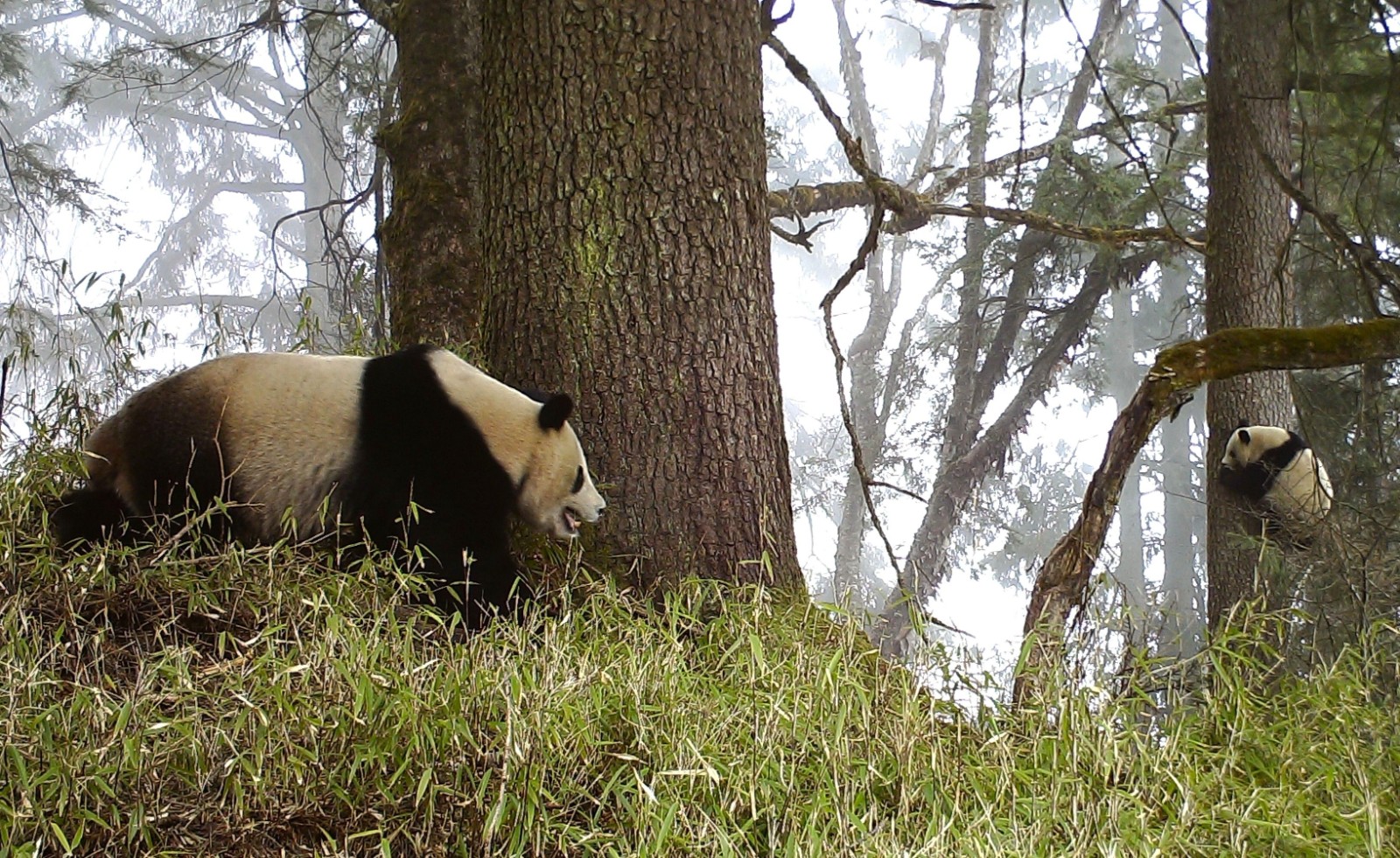
Conservation & Flagship Species: A concluding visit to the Gengda Giant Panda Base to observe Giant Pandas in their semi-wild enclosure and understand the broader ecosystem conservation narrative.
Day-by-Day Itinerary
Day 1: Valley Threshold – Pheasants & Sun-Basking Reptiles
Morning: Meet your guide at agreed meeting place, then transfer to Wolong. Acclimatization at lower elevations.
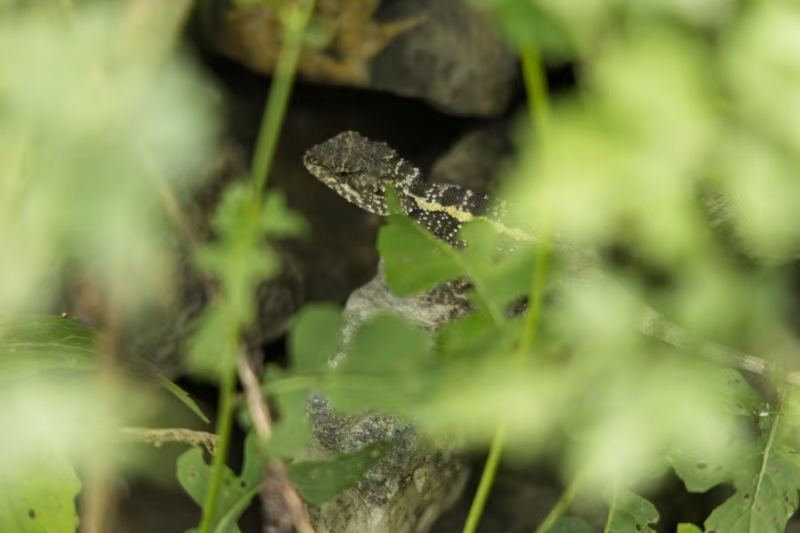
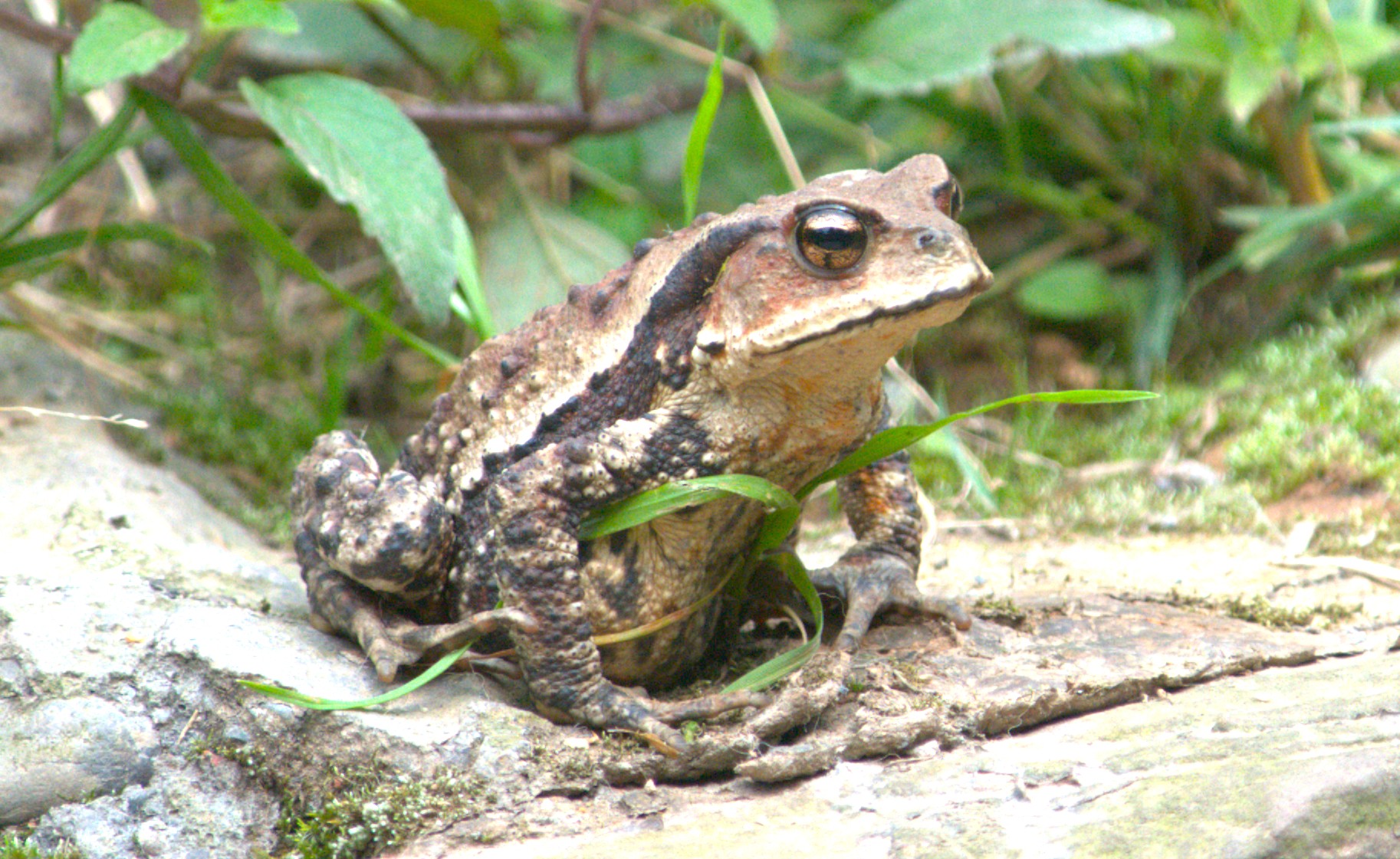
Afternoon (Lower Altitude): Explore the shrublands near the Lama Temple for the stunning Golden Pheasant. As the sun warms the rocky slopes, we will scan for basking Wenchang Japalure (*Japalura wenchangensis*) and Chinese Toads.
Evening: Night walk in the valley. Search for the Emei Tree Frog and nocturnal snakes along the riparian zones.
Overnight: Guesthouse in Wolong.
Day 2: Ascending the Mountain – Skinks, Raptors & Alpine Giants
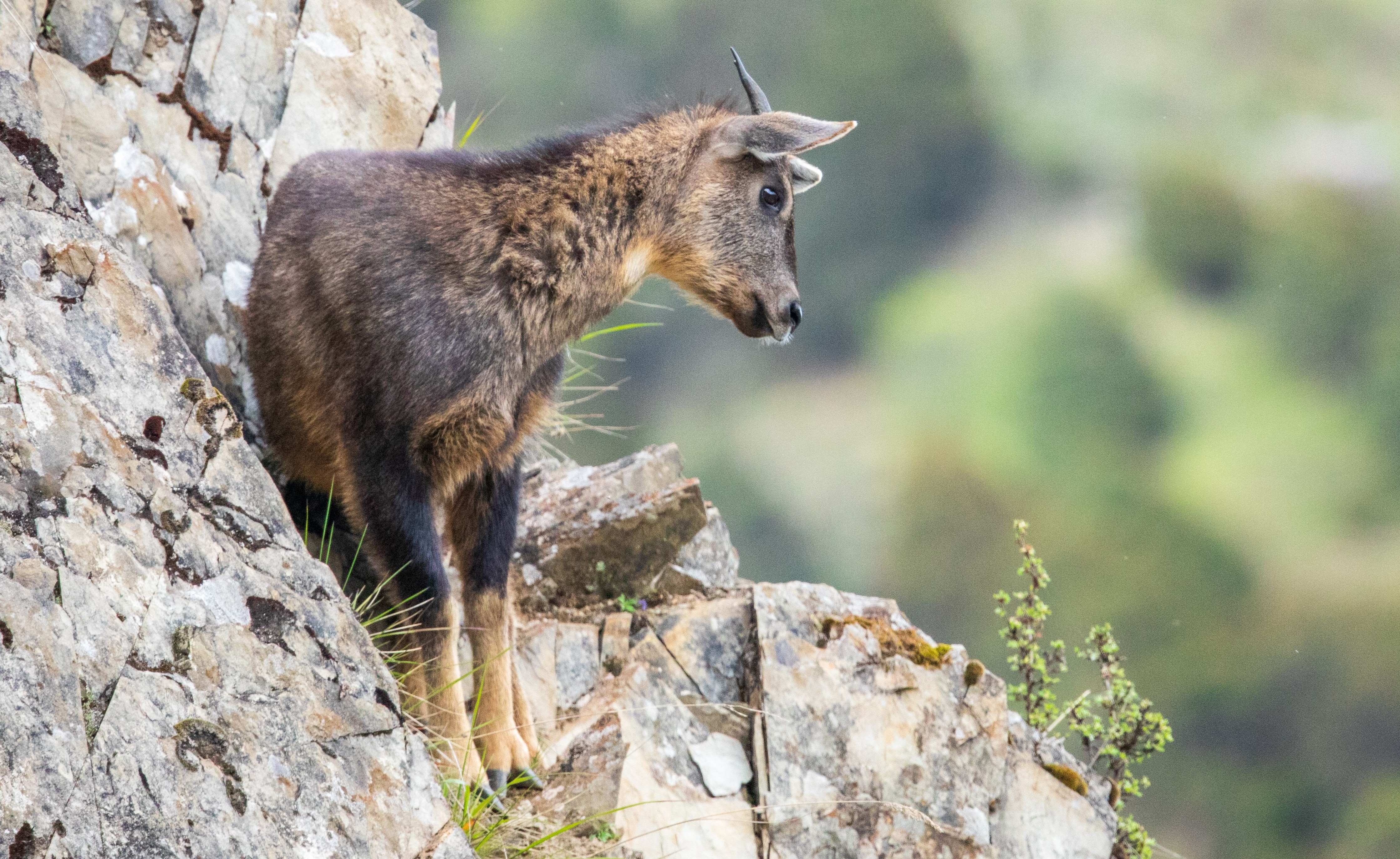
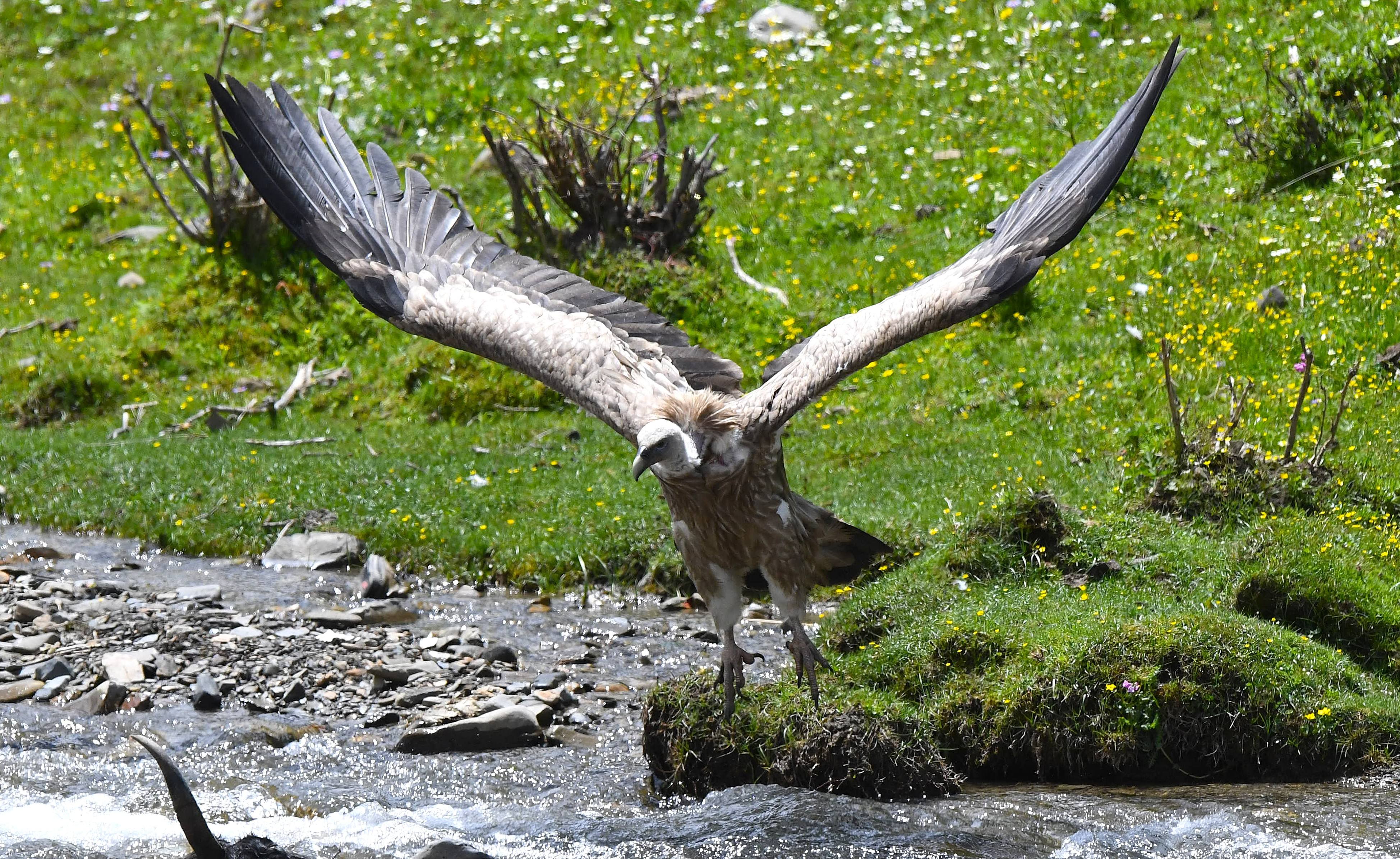
Early Morning (Dawn): Drive up Balang Mountain. Scan open slopes for Goral and Red Panda. Watch the skies for Himalayan Vultures riding the thermals.
Mid-Morning to Afternoon (Mid-to-High Altitude): As temperatures rise, target reptiles in the mid-altitude scree slopes: the Dadu Japalure and the elusive Tung River Skink. During the heat of the day, admire alpine flora like Balang Mountain Meconopsis.
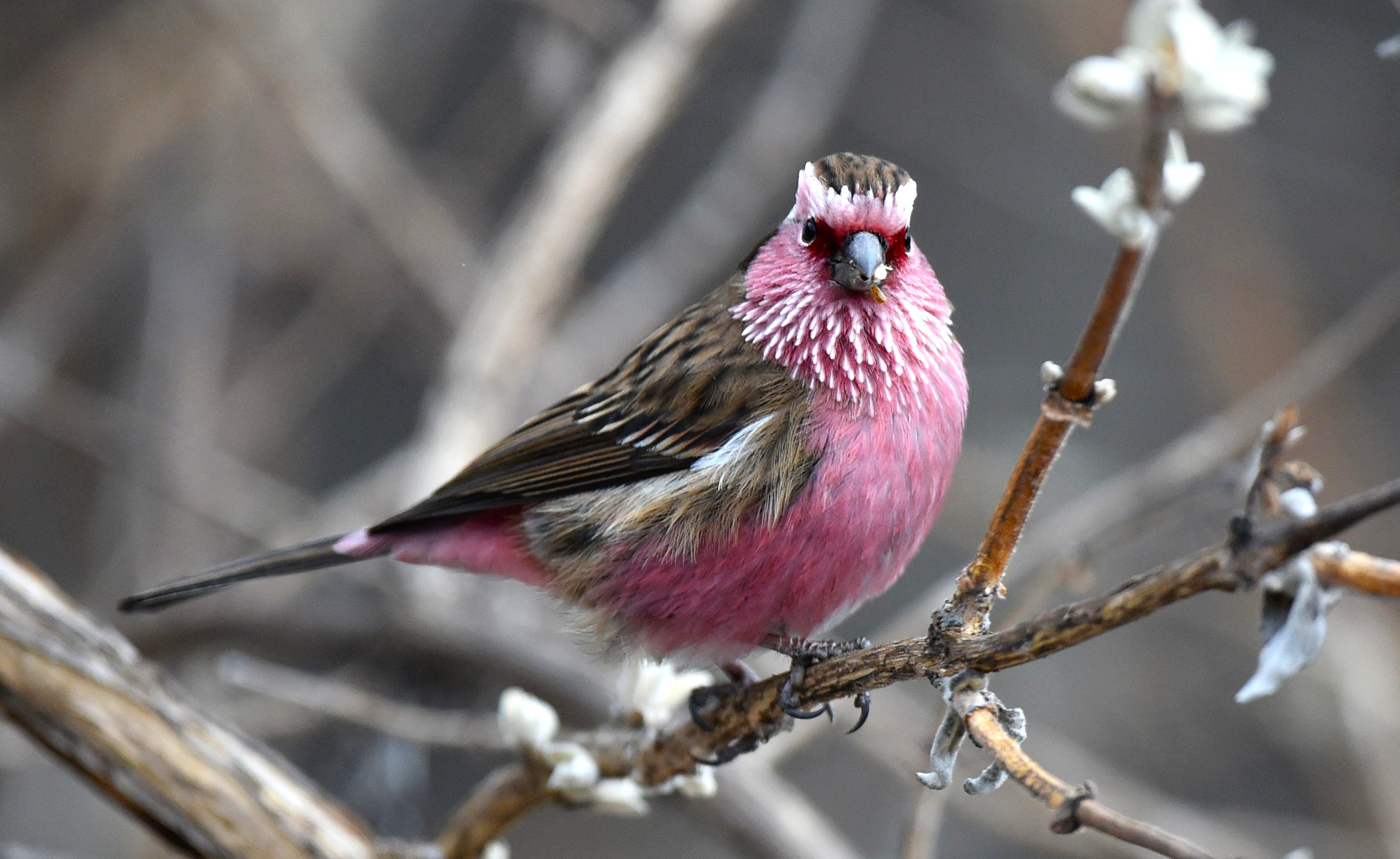
Late Afternoon: High-altitude birding for Grandala, Snow Partridge, and Chinese White-browed Rosefinch.
Evening: Descent to mid-altitude. Night drive for the Mang Mountain Pit Viper.
Overnight: Guesthouse in Wolong.
Day 3: The Hidden Waters – Specialized Herping
Morning: Dedicated trek to a pristine, shaded stream habitat. In-depth survey for the Stream Salamander (*Batrachuperus pinchonii*).
Midday: Botany and insect observation. Search for Collared Grosbeaks and Blue Buntings.
Late Afternoon: Continue scanning for reptiles on sun-exposed walls or birding near the valley rim.
Overnight: Guesthouse in Wolong.
Day 4: Conservation Legacy – Pandas & Return
Morning: Visit the Gengda Giant Panda Base. Observe Giant Pandas in a semi-natural environment. This serves as a fitting conclusion to the trip, highlighting the connection between habitat preservation and the wildlife we have observed.
Midday: Departure transfer to Chengdu.
End of Services.
FAQ
Q: How is the itinerary timed for optimal wildlife viewing?
A: We follow natural biological rhythms. Dawn and Dusk are reserved for birds and mammals. Mid-day warmth is utilized for "cold-blooded" wildlife like the Wenchang Japalure and Tung River Skink. Night walks focus on amphibians and vipers.
Q: What are the key reptile species targeted?
A: We target three distinct lizards: the Wenchang Japalure (lower valleys), the Dadu Japalure (mid-altitude), and the Tung River Skink. We also search for the Mang Mountain Pit Viper.
Q: Is the night herping dangerous?
A: The Mang Mountain Pit Viper is venomous. Our expert guides enforce strict safety protocols. Participants must follow instructions and use provided lighting.
Q: Does the visit to the Panda Base detract from the "wild" experience?
A: On the contrary, the Gengda Base is located within the reserve and features large, semi-wild enclosures. It provides an educational perspective on how protecting the "Umbrella Species" (the Panda) inadvertently protects the habitats of the amphibians and reptiles we observed earlier in the trip.
Thanks for helping us to fill the following form about your personal preferences. This information you provide can help us to plan the best trip especially for you.




Copyright © 2026 • China Wildlife Tour All Rights Reserved Safari in Cina
 中文
中文