(+86)133 8819 6153
info@chinawildlifetour.com


Price from $ 2199/pax for group of 4-8 pax June 12, 2027
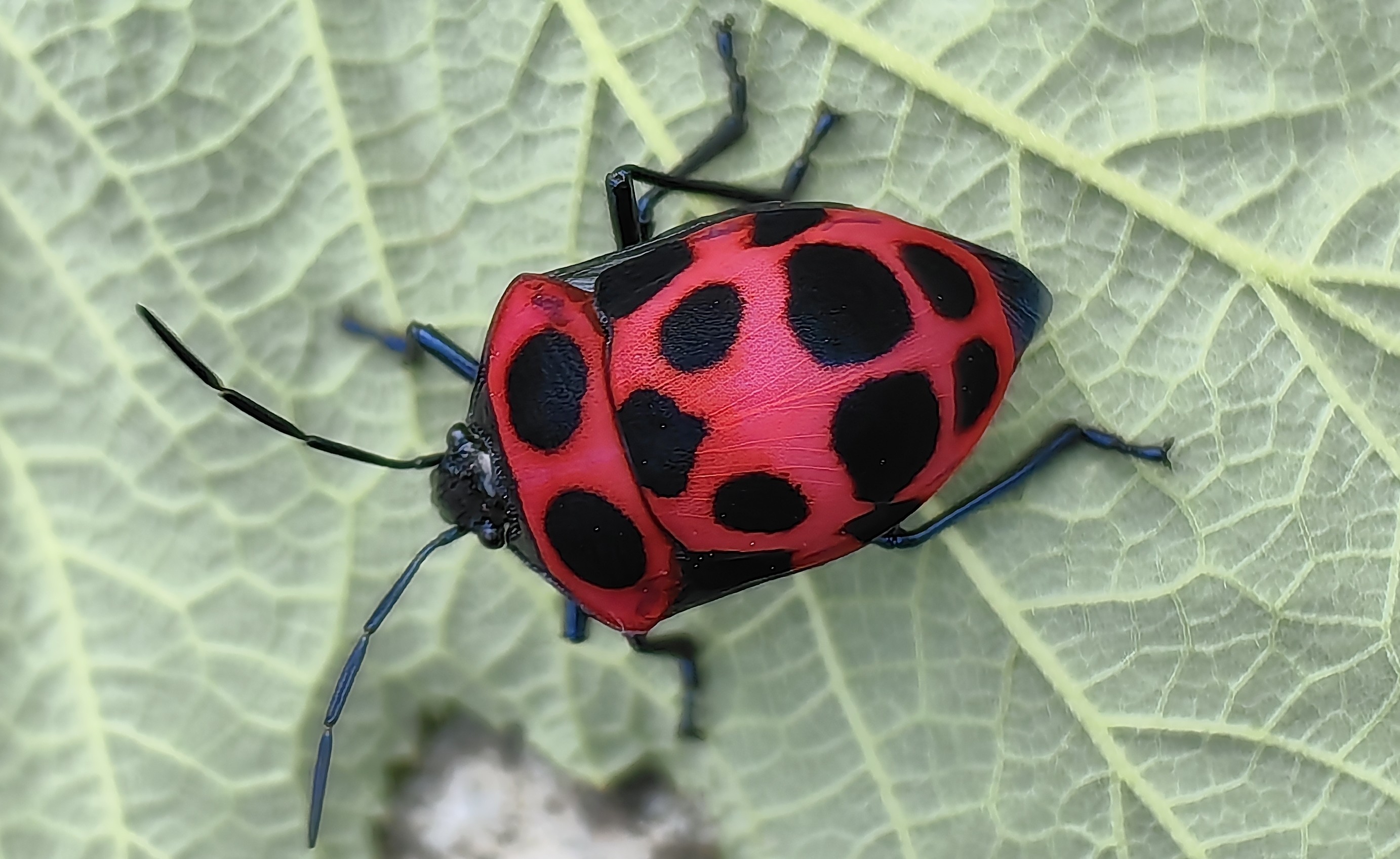
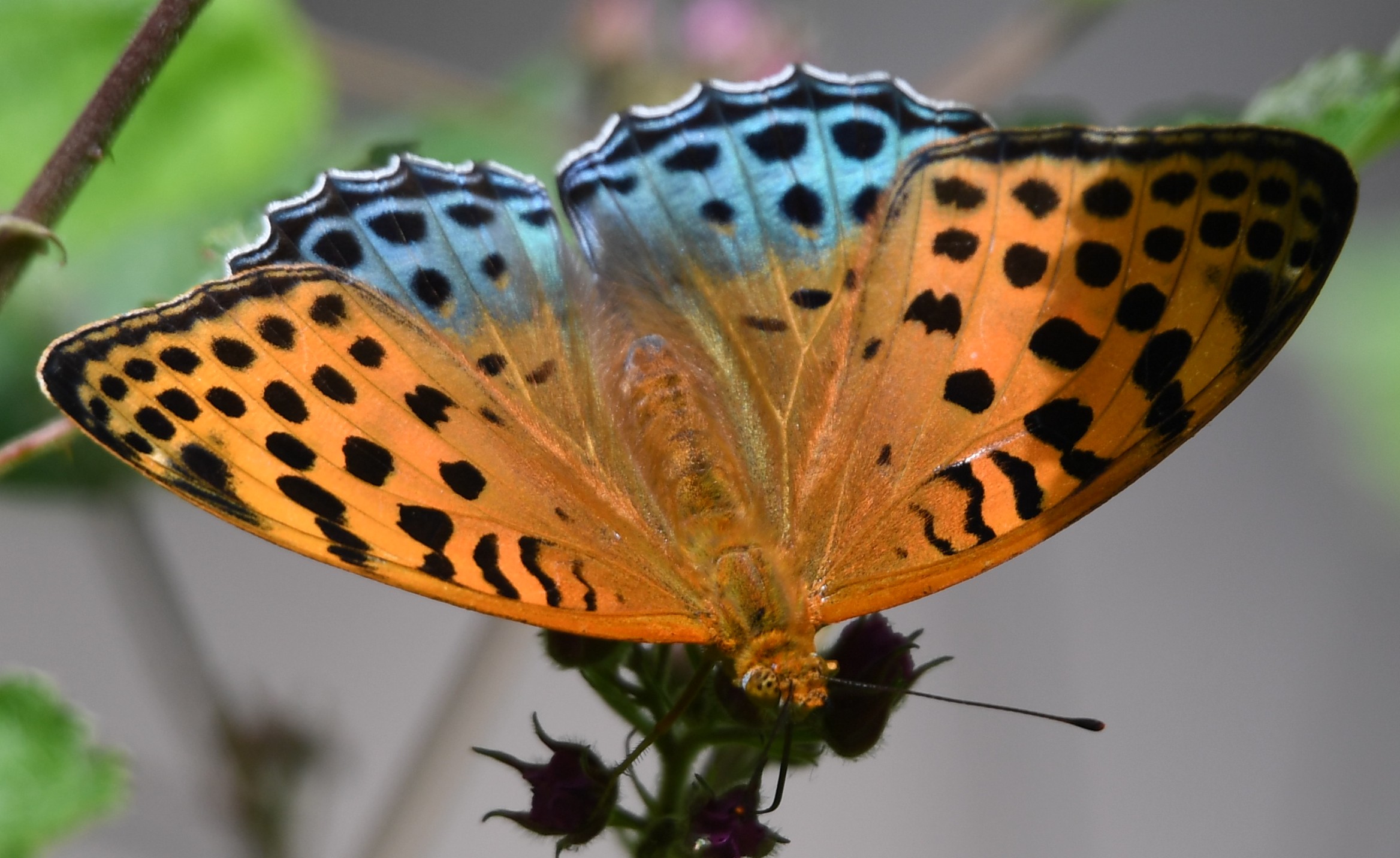
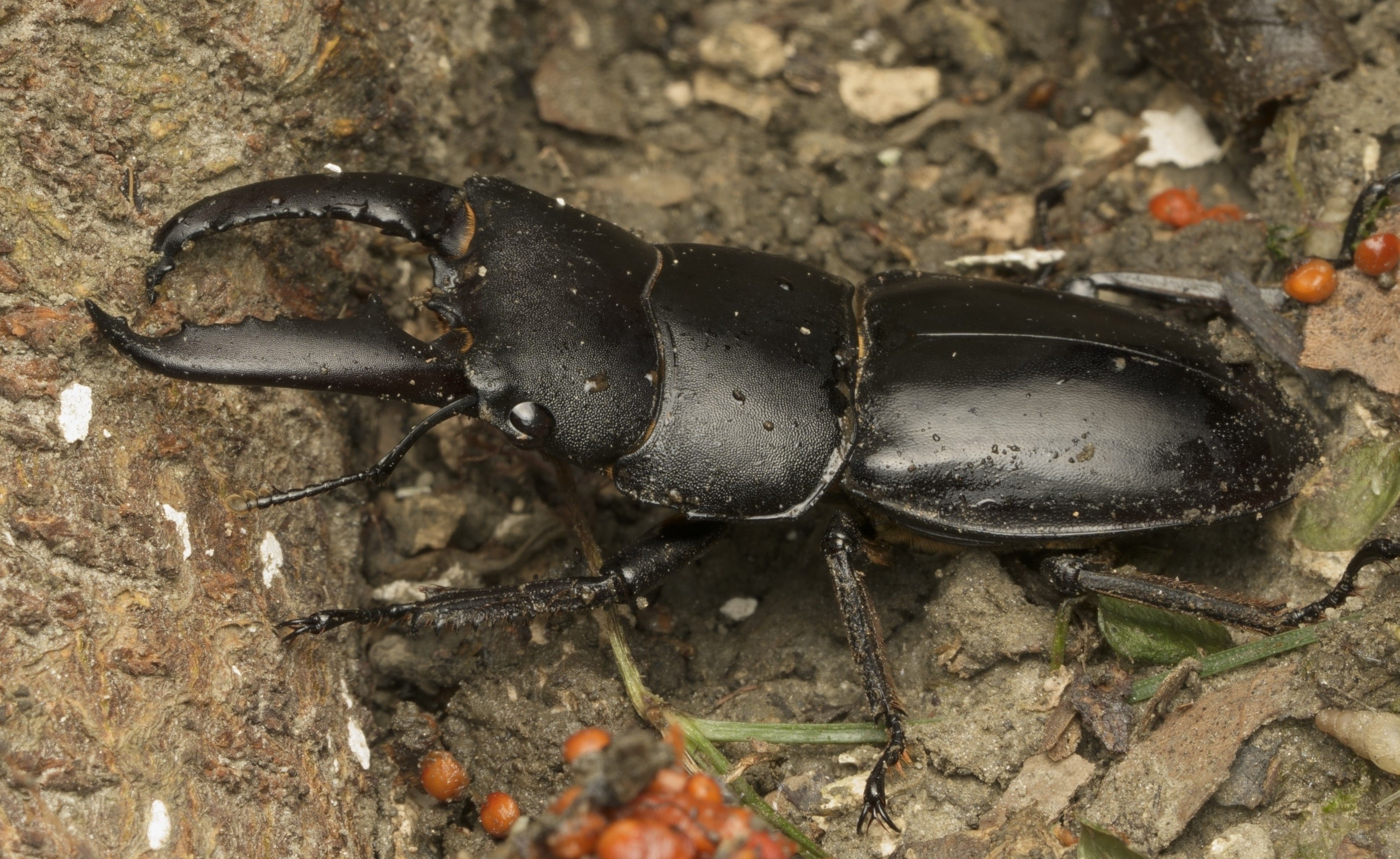

The Golden Window: Mid-to-Late June (June 10 – June 25)
This window offers the perfect balance for wildlife and flora:
Rhododendrons: Massive sea of blossoms in full bloom at mid-to-high elevations (2800m – 3200m).
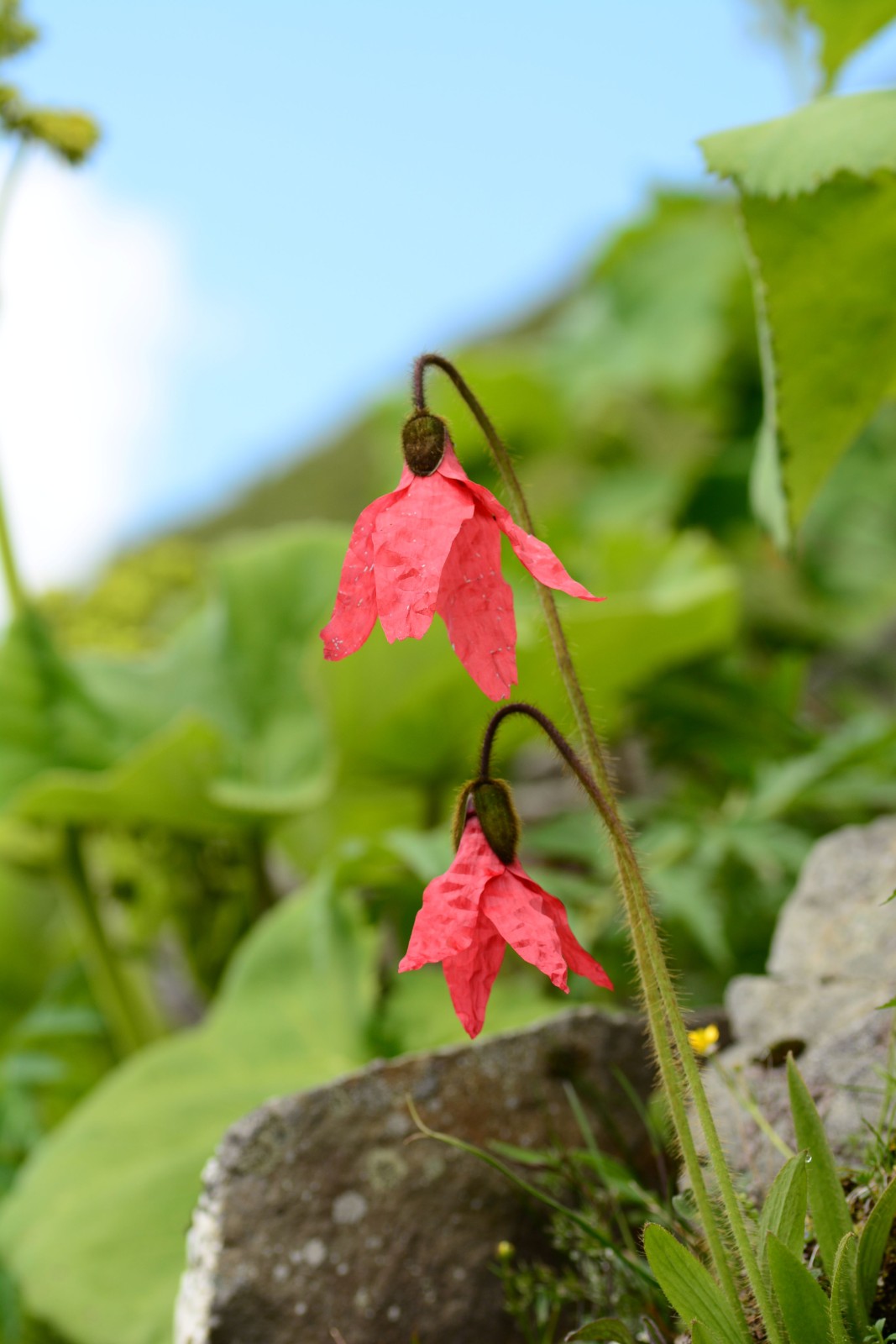
Blue Poppies (Meconopsis): Early bloom to peak season at high-altitude scree slopes (3300m+).
Primroses: Peak bloom at mid-elevations.
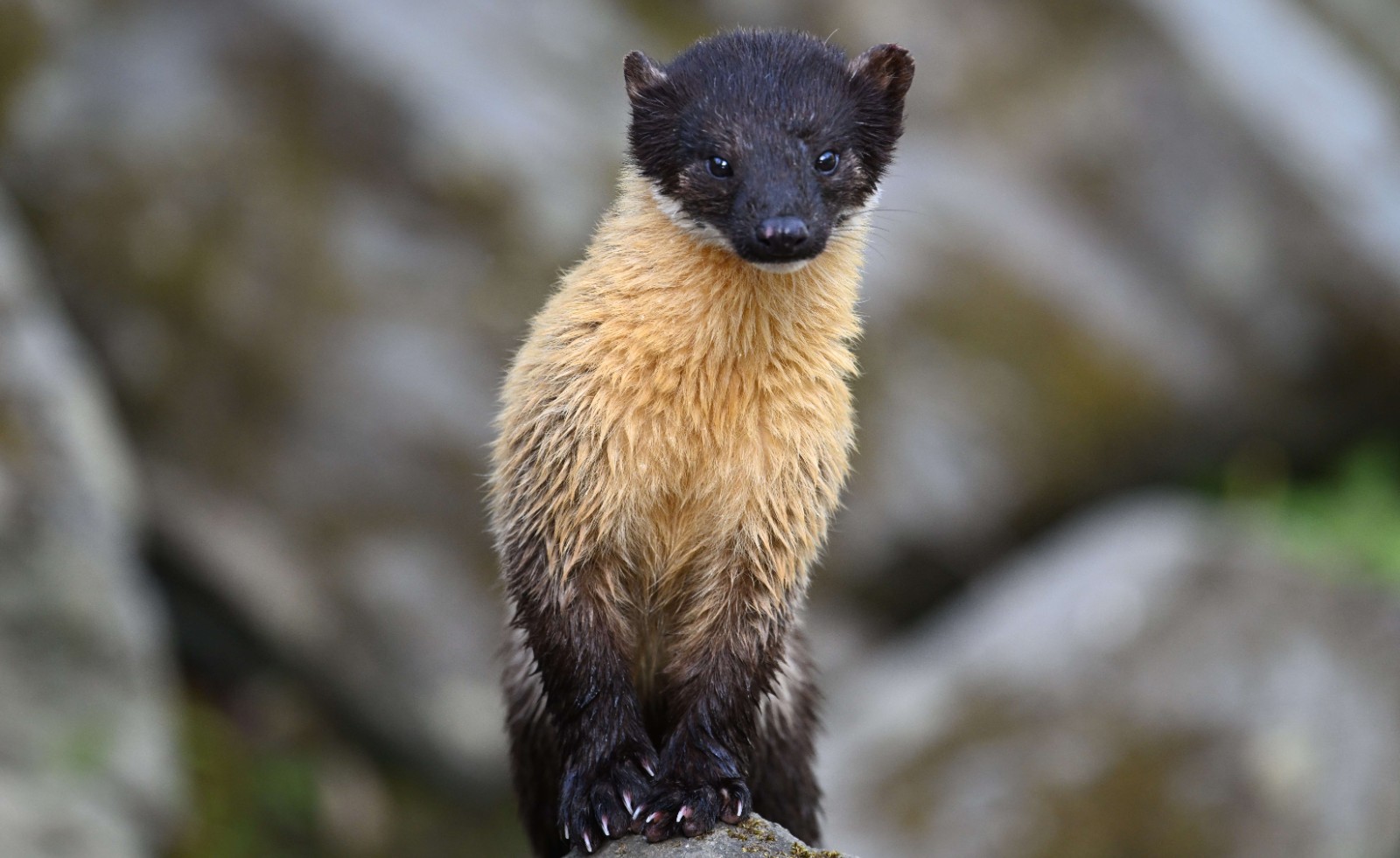
Wildlife: Active season for Takin, Yellow-throated Martens, and the emergence of high-altitude butterflies.
Note: For hardcore botanists aiming for the absolute peak of the Blue Poppy bloom, early July is recommended, though some lower-elevation Rhododendrons may have faded.
This expedition takes you from the edge of the Tibetan Plateau to the deep river valleys of the Minshan Mountains. Starting from Chengdu, we venture into the Tangjiahe National Nature Reserve, famous for having the highest density of large mammals in China.
From there, we travel to Pingwu, the “Hometown of the Giant Panda,” to visit the stable Huangyangguan Golden Monkey site. Finally, we ascend the majestic Huya Grand Canyon, a hidden gem of alpine scenery. Here, amidst ancient glaciers and towering cliffs, we seek out the legendary Blue Poppy (Meconopsis) and vibrant Rhododendron forests while searching for high-altitude insects like the Parnassius (Apollo Butterfly).
This is a professional journey balancing high-probability mammal viewing with specialized alpine botany and entomology.
Tangjiahe: High-Probability Mammal Tracking
Focus on the “Golden Hours” for sightings. Dawn riverbank walks target the elusive Yellow-throated Marten and Golden Pheasant, while twilight drives and night walks yield frequent encounters with Takin, Tibetan Macaques, Gorals, and Masked Palm Civets.
Pingwu Golden Monkey Reserve
Avoid the restricted and expensive areas of other reserves. At Huangyangguan, we enjoy stable, close-range observations of the Sichuan Golden Snub-nosed Monkey in a semi-wild environment that is friendly to international visitors.
Huya Grand Canyon: Rhododendrons & Blue Poppies
Explore an off-the-beaten-path alpine wonderland. In June, the mountainsides are painted with multi-colored Rhododendrons. Higher up, in the scree slopes, we hunt for the elusive Blue Poppy (Meconopsis) and Primroses.
Cultural & Natural Transition
Begin with a stroll through the historic Qingxi Ancient Town, bridging the gap between human history and the wild wilderness to come.
Day 1: Arrival & The Gateway
Meet your private guide and driver at Chengdu Airport, Then we transfer to Tangjiahe National Nature Reserve. En route visit Qingxi Ancient Town, a historic stop on the ancient Yinping path.
Evening: Enter the reserve. The road into the park is a hotspot for Tibetan Macaques, Takin, and Red Muntjac.
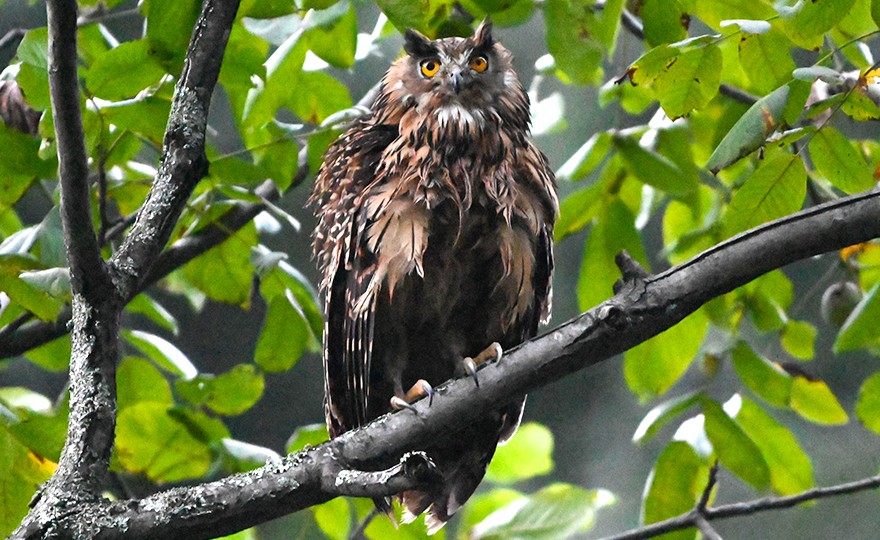
Night Walk: A walking trek near the hotel to search for Masked Palm Civets and Brown Wood Owls.
Overnight: Tangjiahe Reserve Hotel.
Day 2: Dawn Patrol & The Yellow-throated Marten
Early Morning (06:30-08:00): Walk along the river (e.g., Caijiaba area). Prime time for the Yellow-throated Marten and a chance for the Golden Pheasant.
Morning(09:00-12:00): Hiking along the core zone road. Looking for Wild Boar, Hog Badger, Blue Sheep, and raptors like the Golden Eagle.
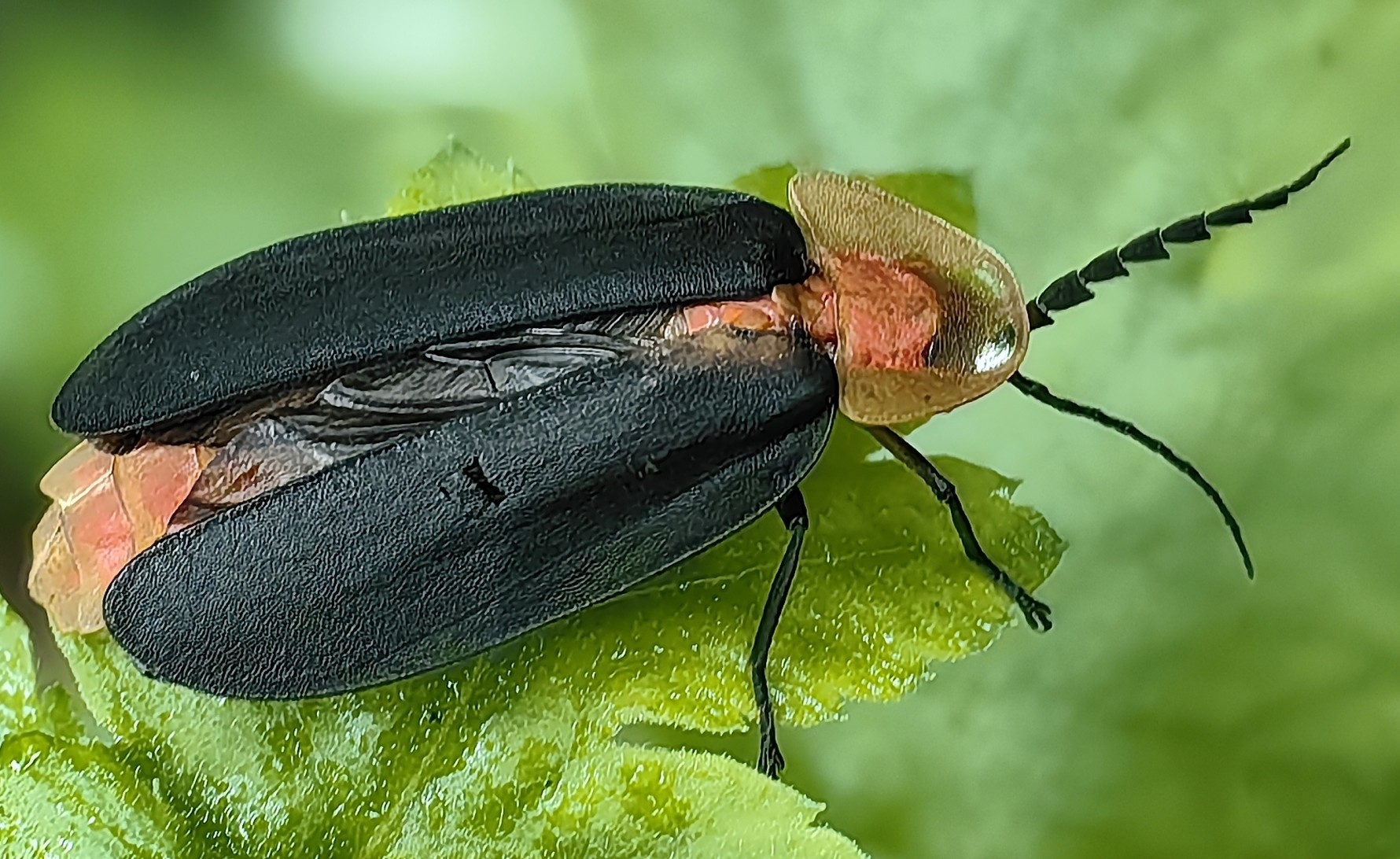
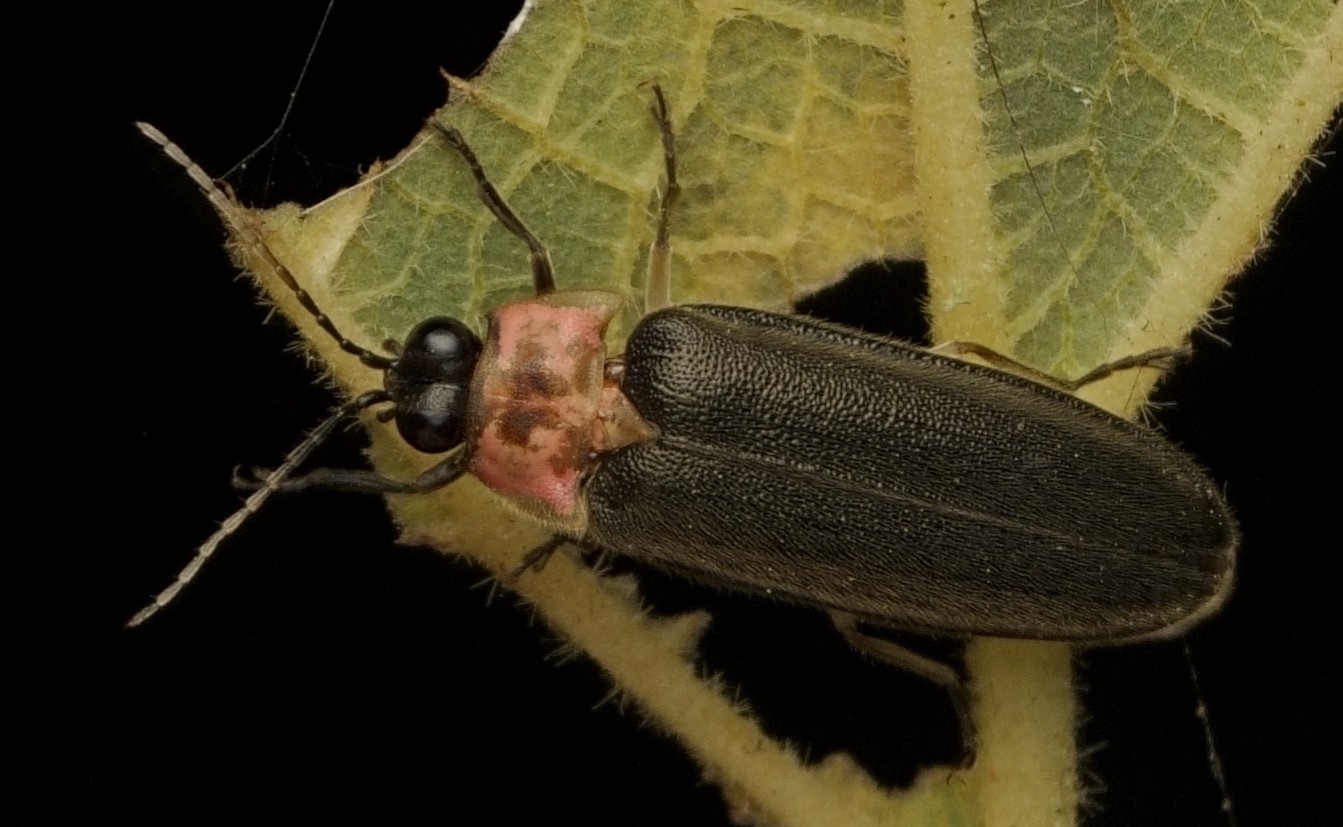
Afternoon: Insects & Reptiles Exploration: Relaxing observation of riverine butterflies and Morningselflies.
Night: Another walking route to focus on nocturnal insects (Stag Beetles, Longhorns) and Morningphibians.
Overnight: Tangjiahe Hotel.
Day 3: Transfer to Pingwu
Morning: Final morning observation in Tangjiahe to fill any species gaps.
Afternoon: Drive to Pingwu County (approx. 3 hours). Enjoy the scenic Bailong River Valley.
Evening: Check into a comfortable hotel in Pingwu town.
Overnight: Pingwu City Hotel.
Day 4: The Golden Monkeys Reserve
Morning: Drive to the Golden Monkey Reserve. This stable, semi-wild group offers excellent photographic opportunities of the monkeys’ social behaviors and interactions.
Afternoon: Visit a local Baima Tibetan village to learn about their unique “White Feather” headdress culture.
Late Afternoon: Drive towards Huya Township (approx. 2.5 hours on mountain roads). Vegetation shifts to alpine conifer forests.
Overnight: Huya Township Guesthouse (Basic).
Day 5: Huya Grand Canyon – Flowers & Butterflies
All Day Alpine Ascent: Hike to elevations of 2800m – 3500m to explore the alpine wildlife.
Flora: Target the vast Rhododendron forests (purple, pink, white varieties) and the legendary Blue Poppy (Meconopsis) and Primroses in the scree slopes.
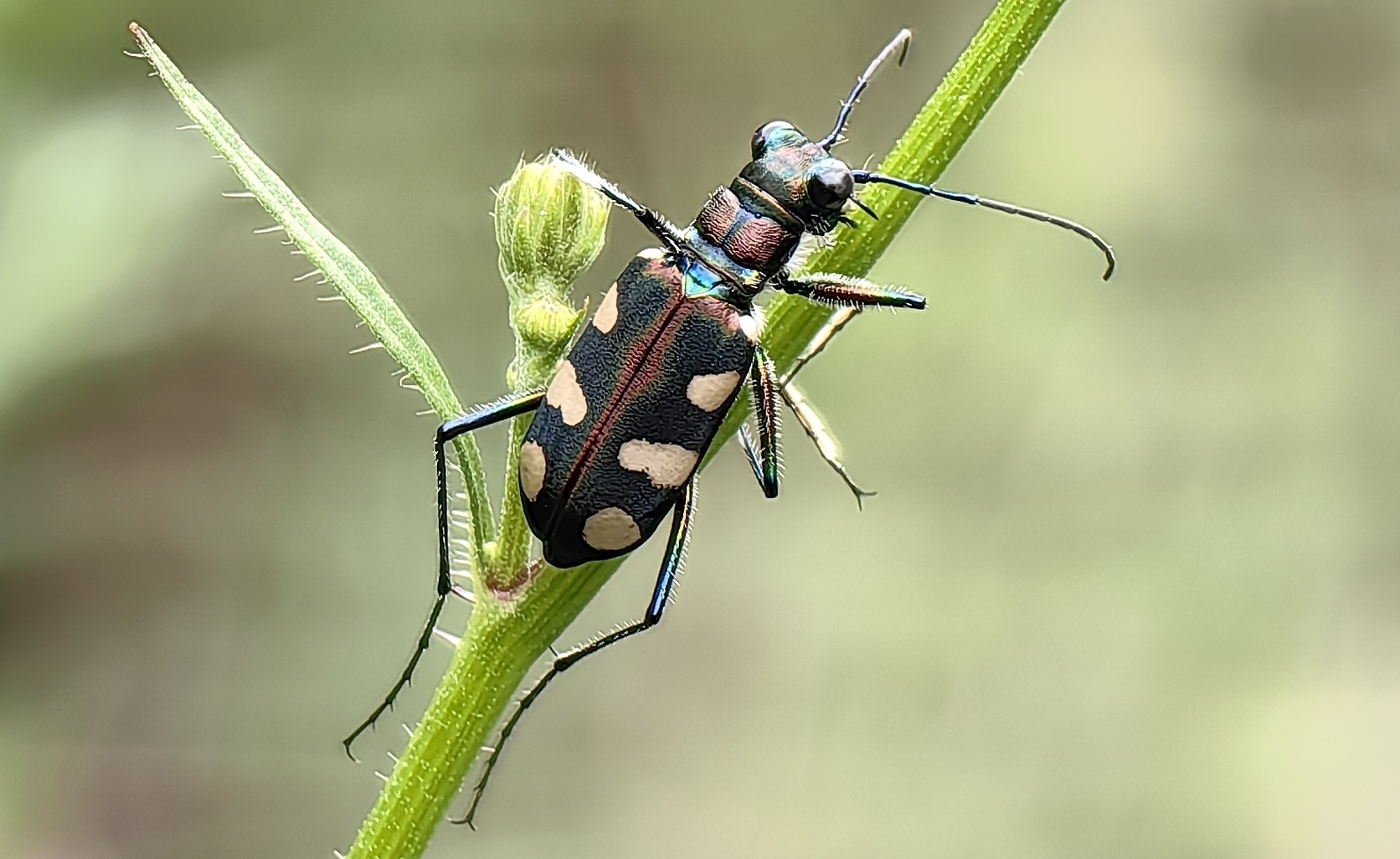
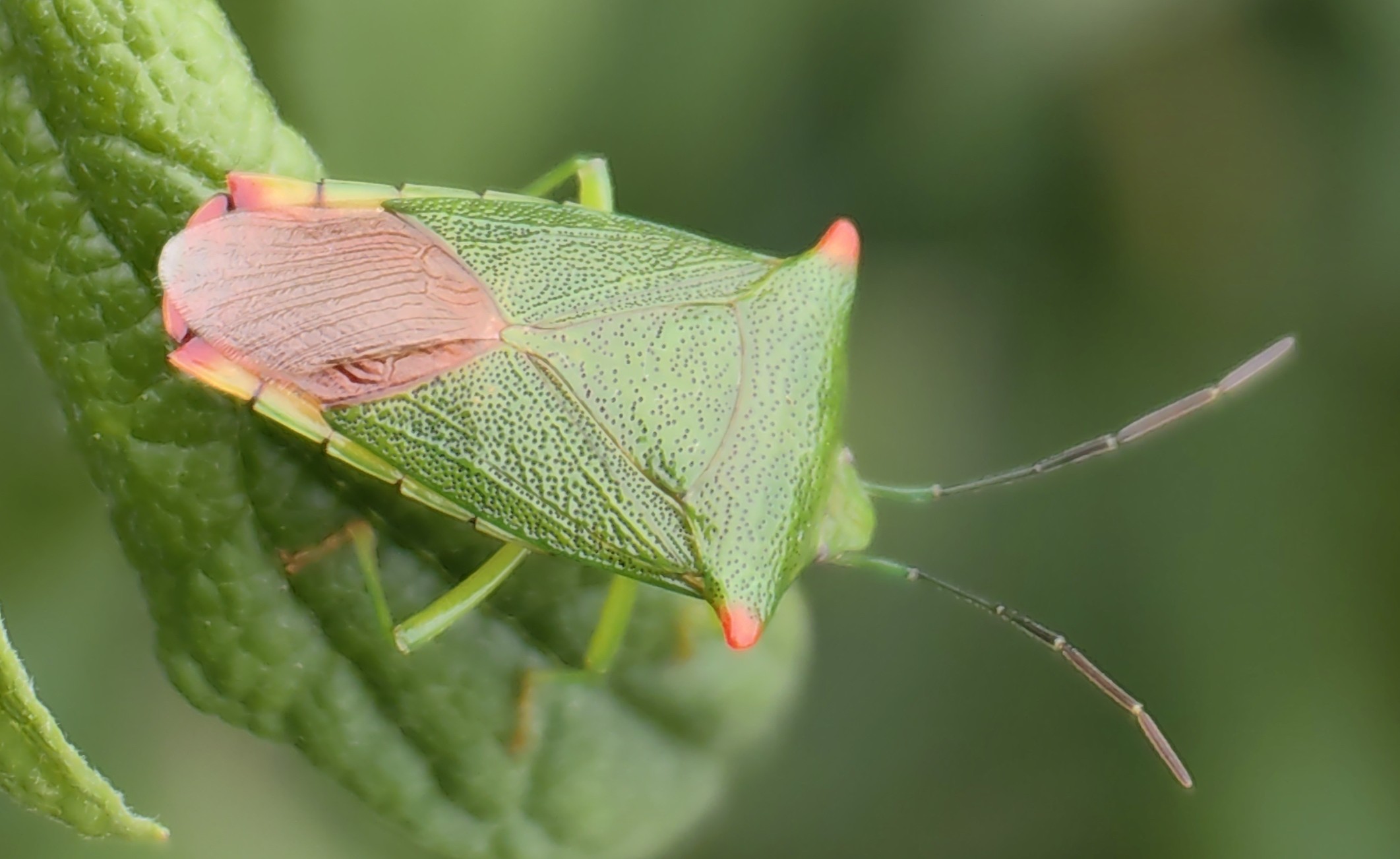
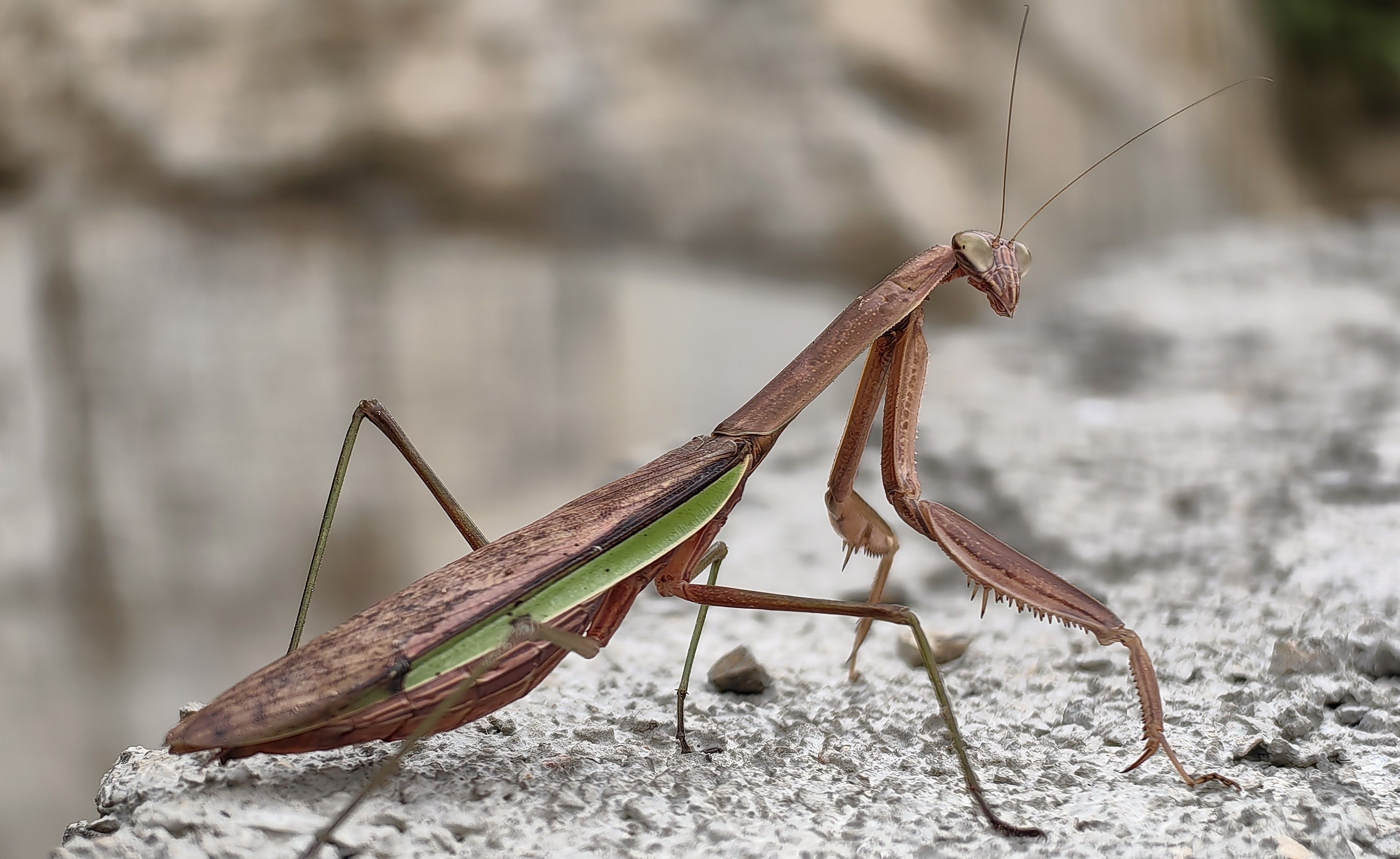
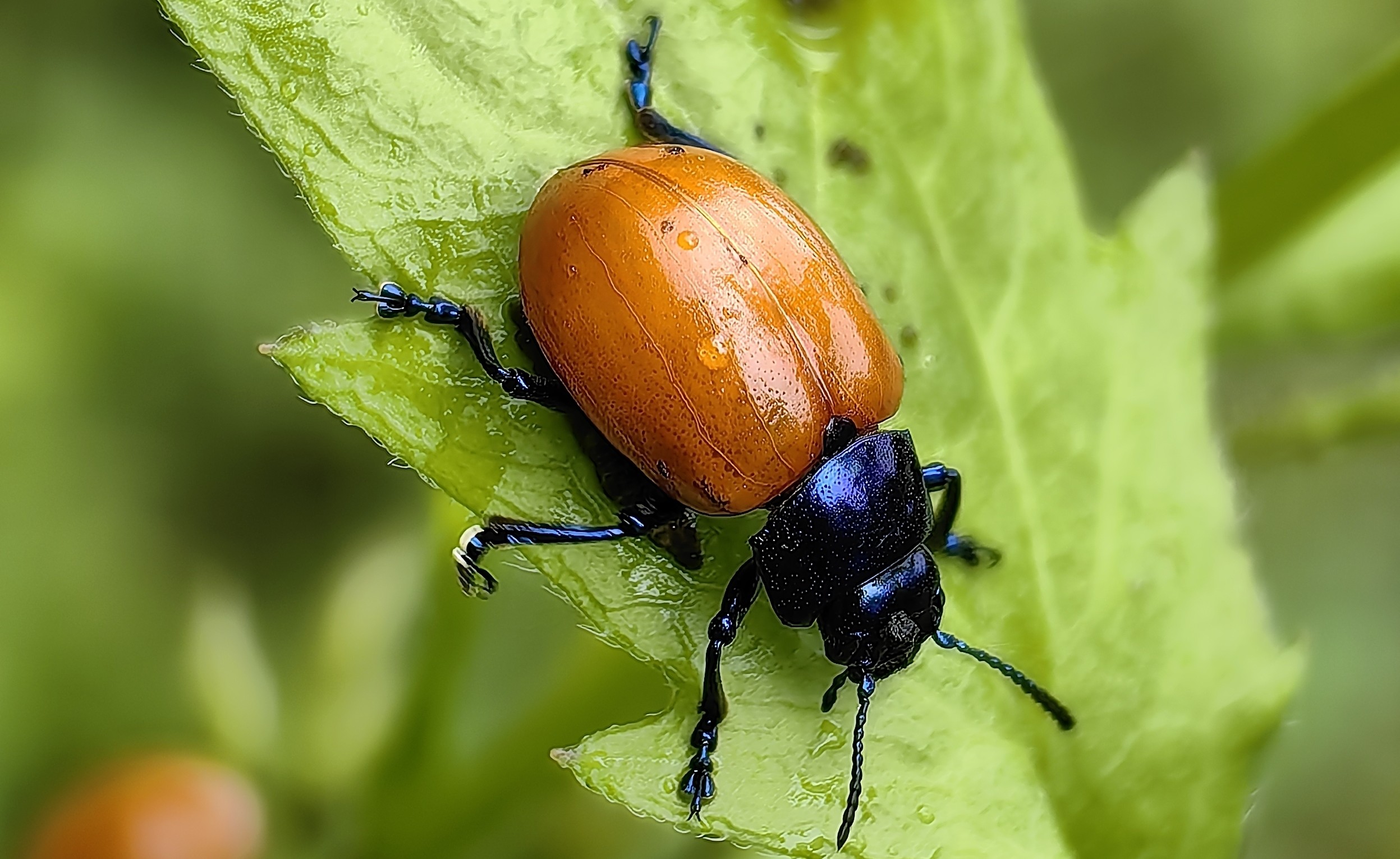
Insects: Search the alpine meadows for Parnassius (Apollo Butterflies), Leopard Lacewings, and cold-adapted Ground Beetles (Carabus).
Night: Macro Photography: Night walk around the guesthouse for high-altitude micro-moths and beetles.
Overnight: Huya Township Guesthouse.
Day 6: Huya to Pingwu
Morning Birding: Final morning in the Huya valley. Chance to see Blood Pheasants or Verreaux’s Monal Partridges (lucky).
Afternoon: Drive back to Pingwu County.
Evening: Farewell dinner.
Overnight: Pingwu Hotel.
Day 7: Return to Chengdu
Morning: Depart Pingwu and drive back to Chengdu Airport.
Afternoon: Arrive at Chengdu Airport (TFU/CTU) for drop-off.
Q1: Will we definitely see wild Giant Pandas?
A: While Tangjiahe is a crucial habitat for the Giant Panda, direct encounters are extremely rare due to their elusive nature and dense bMorningboo cover. We do not promise pandas. However, the high probability of seeing Takin, Sichuan Golden Monkeys (in Pingwu), and Yellow-throated Martens ensures a spectacular wildlife experience.
Q2: Why do we go to Pingwu for Monkeys instead of Tangjiahe?
A: The core Golden Monkey area within Tangjiahe is currently restricted for foreigners and is expensive to access. The Huangyangguan site in Pingwu offers a stable, semi-wild population that is accessible to international visitors, providing a closer and longer viewing experience at a better value.
Q3: How is the Overnight in Huya?
A: Huya is a remote, wild frontier area. Overnight is in local guesthouses (homestays), which are basic compared to city hotels. Facilities may be simple (e.g., limited hot water hours), but they are clean and offer an authentic local experience.
Q4: What is the best time for flowers?
A: We recommend Mid-to-Late June (June 10-25). This is the “Golden Window”:
Rhododendrons: Full bloom at mid-to-high altitudes.
Blue Poppies (Meconopsis): Starting to bloom at high altitudes (3300m+).
Primroses: Blooming at mid-altitudes.
*Botanists seeking the absolute peak of Blue Poppies may prefer Early July, though some lower Rhododendrons may have faded by then.*
Q5: Is the night watching done by car or walking?
A: In Tangjiahe, night observations are primarily walking near the hotel. This is quieter and less intrusive to the wildlife along the road, and it actually offers better chances to spot Brown Wood Owls and small mMorningmals like Civets than driving in a vehicle.
Q6: What physical fitness is required?
A: The trek is Moderate. Most mMorningmal watching in Tangjiahe is roadside or on flat river valleys. The ascent in Huya involves driving to high altitudes, followed by hiking on alpine meadows and scree slopes. Good walking shoes are essential. No technical climbing is required.
Q7: What equipment should I bring?
A:
Clothing: It can be near freezing at night in Huya (3500m) even in summer. Bring a down jacket or heavy fleece, waterproof jacket/pants (rain season), and sturdy hiking boots.
Optics: A spotting scope is great for the Golden Monkeys and distant mMorningmals; a macro lens is highly recommended for the alpine flowers and insects.
Thanks for helping us to fill the following form about your personal preferences. This information you provide can help us to plan the best trip especially for you.




Copyright © 2026 • China Wildlife Tour All Rights Reserved Safari in Cina
 中文
中文