(+86)133 8819 6153
info@chinawildlifetour.com

Price from $ 4180 for group of 8 pax June 20, 2027
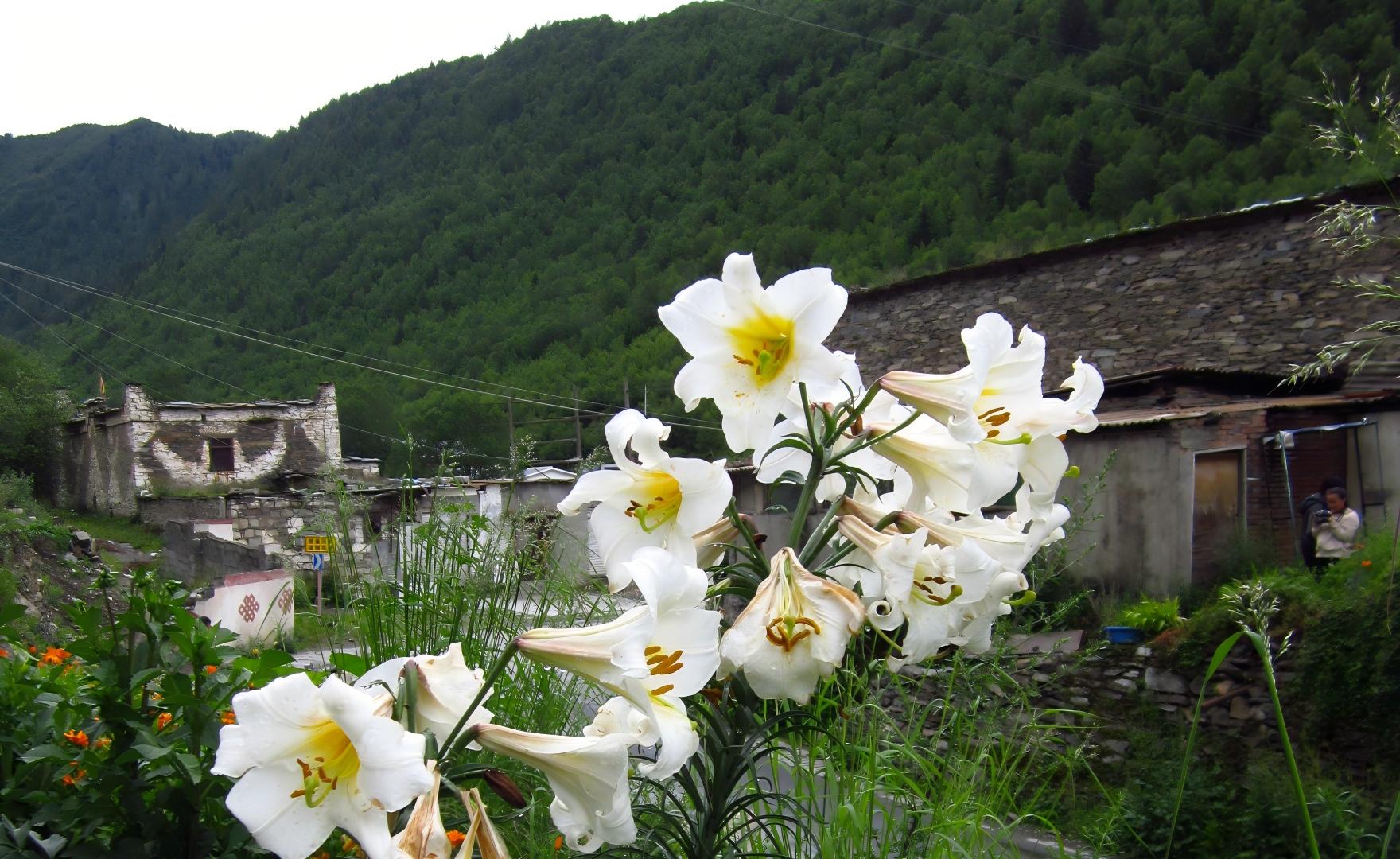
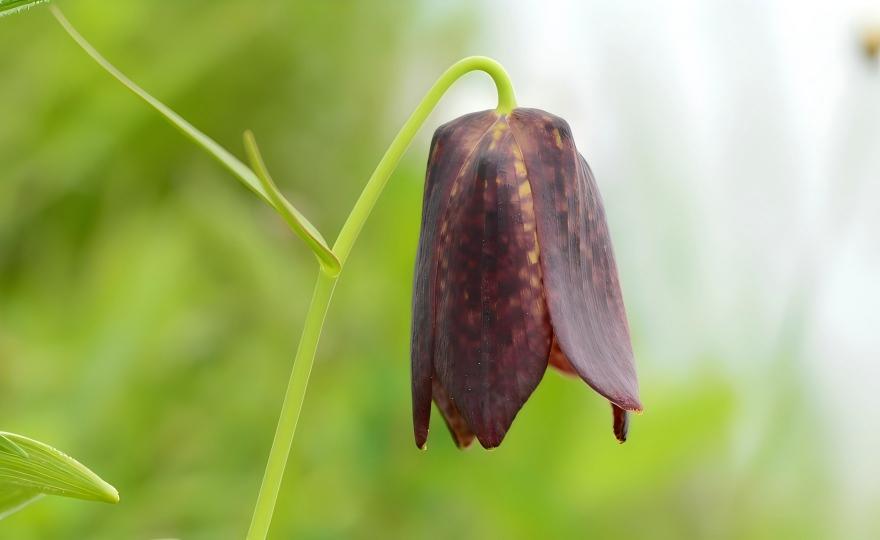
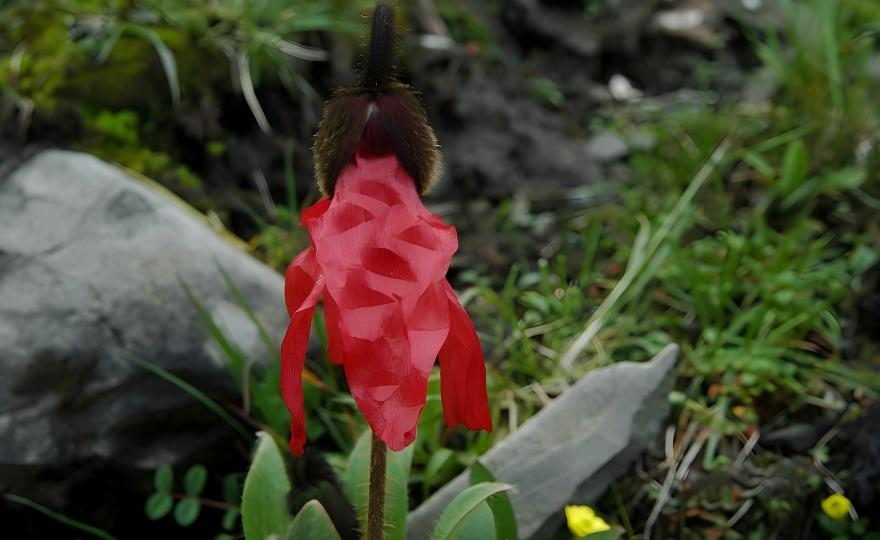
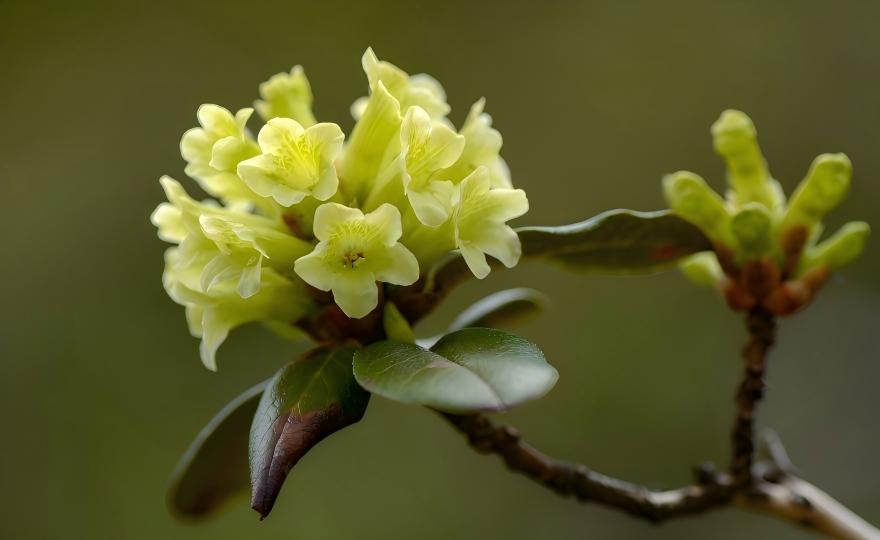
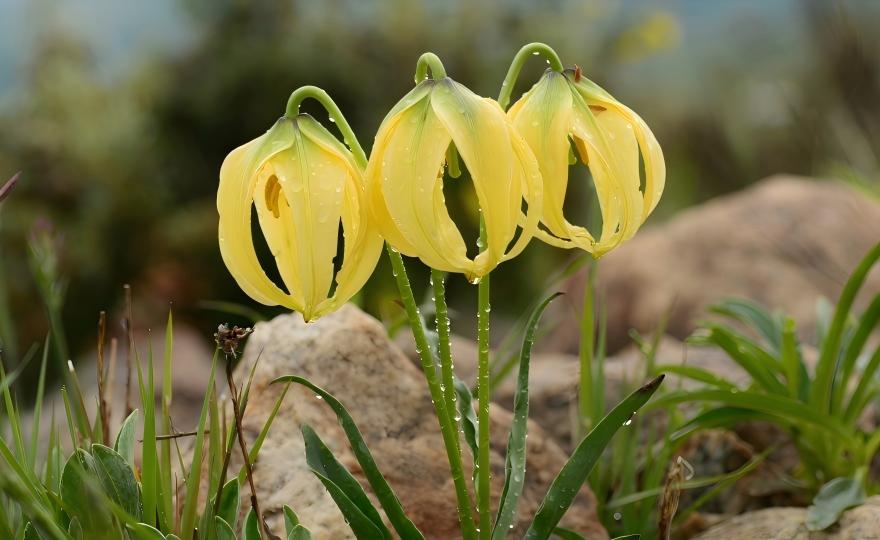
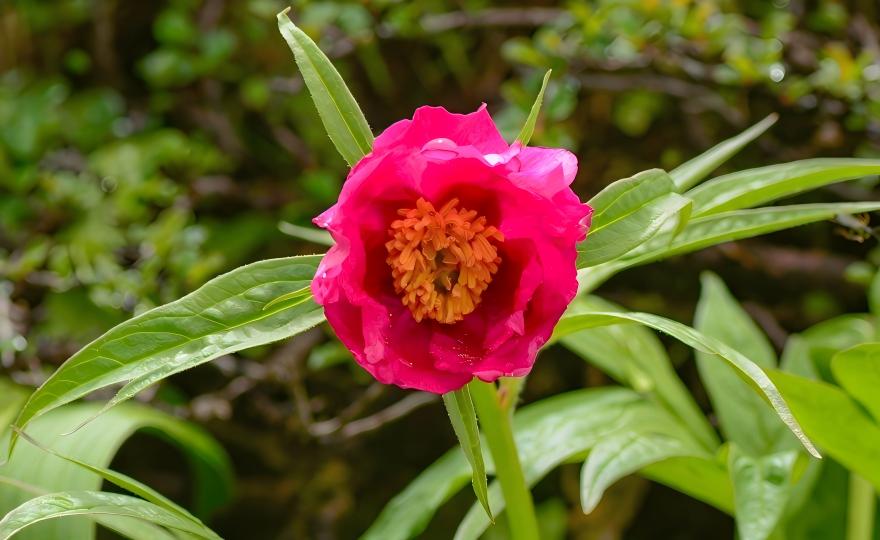
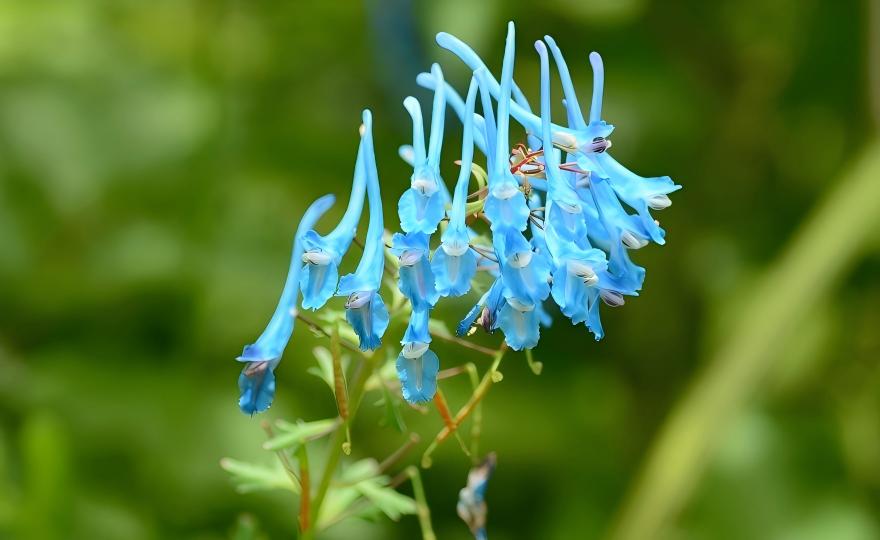
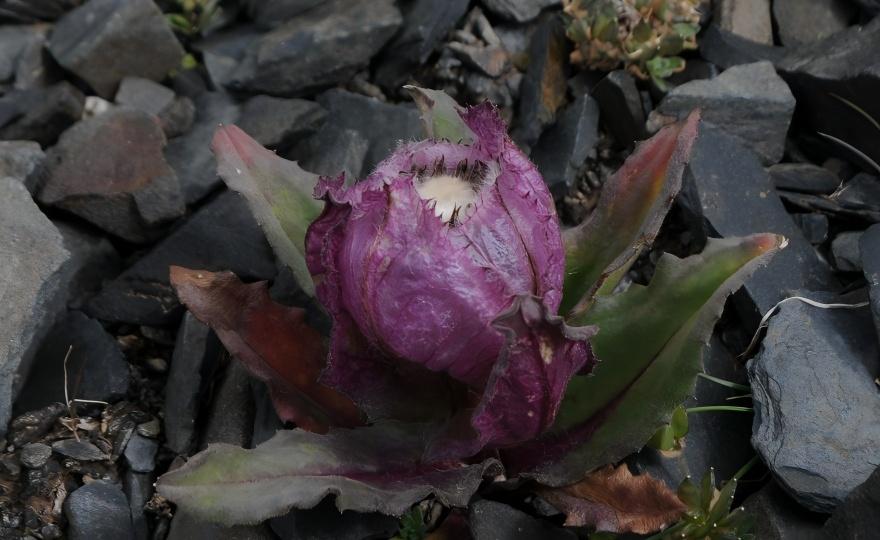
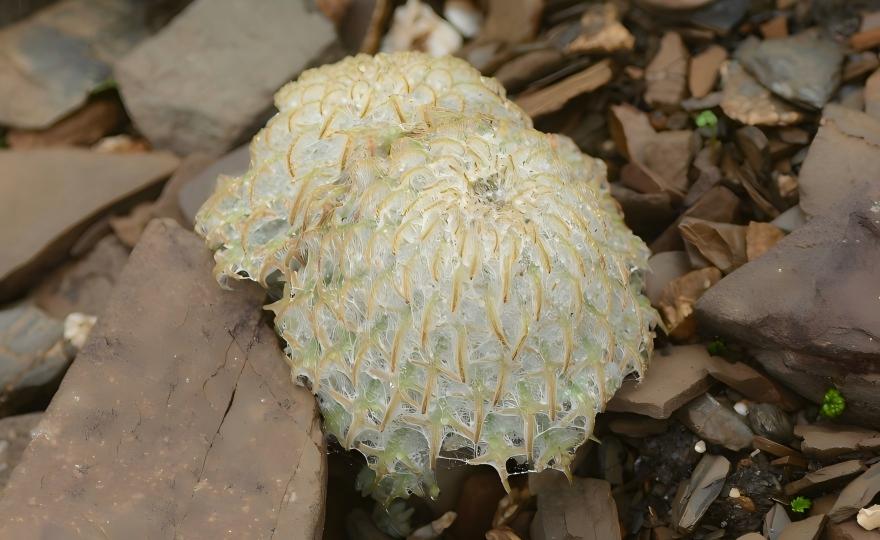
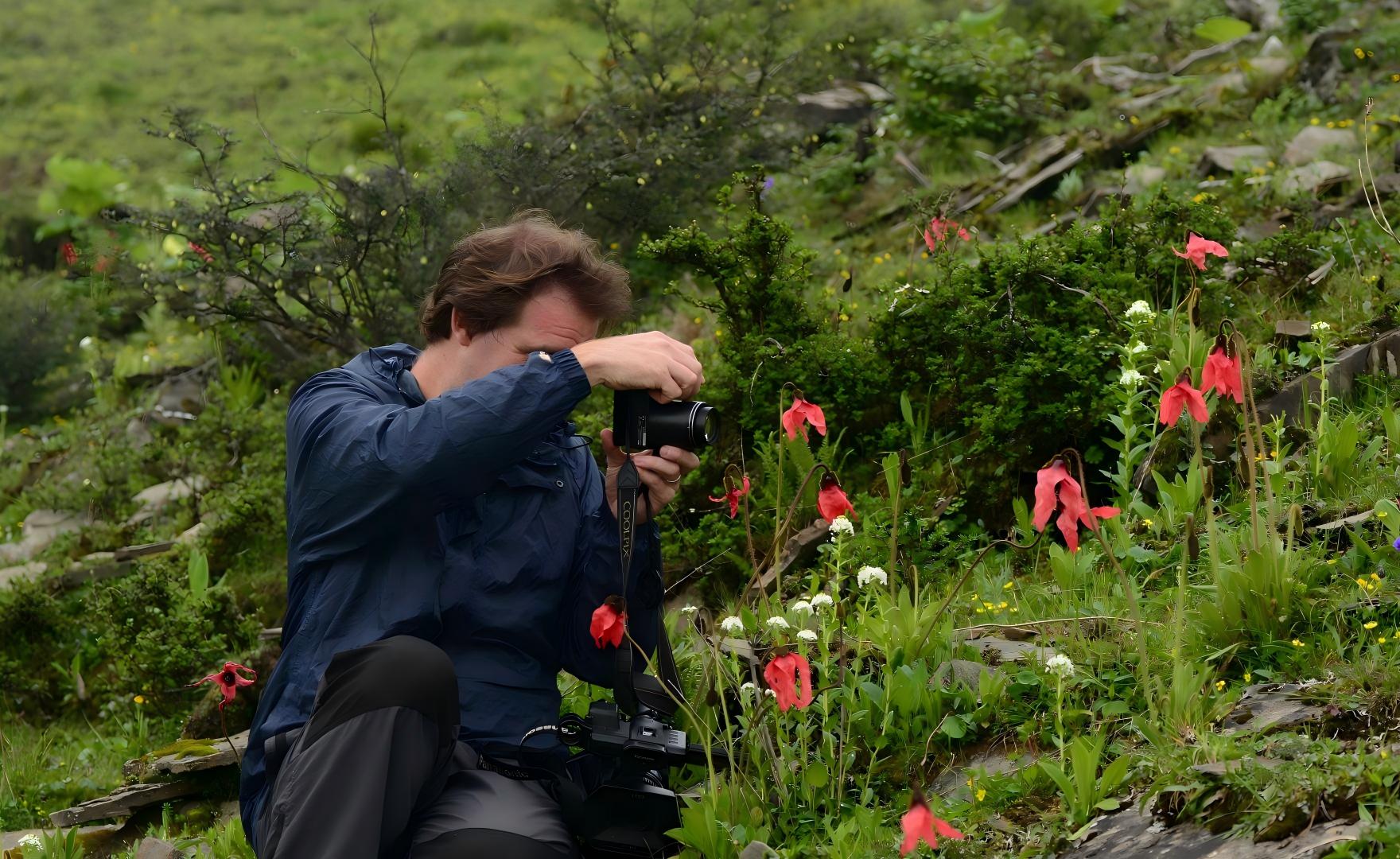
Follow in the footsteps of Ernest Henry Wilson, the legendary “Chinese” plant hunter who introduced over 2,000 plant species from western China to the world. This 14-day China botanical tour takes you from the misty gorges of Sichuan to the ancient forests of Shennongjia in Hubei — traversing the very landscapes where Wilson collected Magnolia dawsoniana, Lilium regale (Wilson’s Lily), and the iconic Himalayan blue poppy (*Meconopsis* spp.). Along the way, you’ll encounter over 50 rare and protected species across altitudes ranging from 1,500m to 4,000m, experiencing firsthand why western China is recognized as one of the world’s biodiversity hotspots for temperate flora.
Highlights
�� Wilson’s Plant Hunting Trail — Follow E.H. Wilson’s original routes to discover rare species he recorded
��️ 1,500m–4,000m Altitude Gradient — From valley lilies to alpine blue poppies in one trip
�� Plant Identification & Field Journaling — Expert-led workshops, not just sightseeing
�� 50+ Rare & Protected Species — Including Wilson’s Lily, Magnolia King, and Himalayan blue poppy
��️ Conservation Impact — Your participation supports biodiversity preservation at two nature reserves
Wilson’s Original Routes — Unlike generic nature tours, this itinerary follows verified plant hunting routes from Wilson’s field notes. Stand where he stood, see what he saw.
Unmatched Species Access — From the 460-year-old Magnolia dawsoniana to glacial Saussurea on Xuebaoding’s 4,000m summit, targeting species inaccessible on standard China botanical tours.
Altitudinal Gradient in One Trip — From arid valley lilies (~1,500m) to alpine Meconopsis (~3,500m) to glacial Saussurea (4,000m). Observe how elevation shapes plant diversity in real time.
Expert-Led, Not Self-Guided — Guided plant identification and field journaling sessions each day, designed for serious botanical travelers who want to learn, not just look.
Conservation Impact — A portion of your participation supports biodiversity preservation at Tangjiahe and Shennongjia, continuing Wilson’s mission of protecting China’s endangered species.
Morning: Gather at the designated Chengdu location and depart for Longcang Gorge (190km, 2.5h).
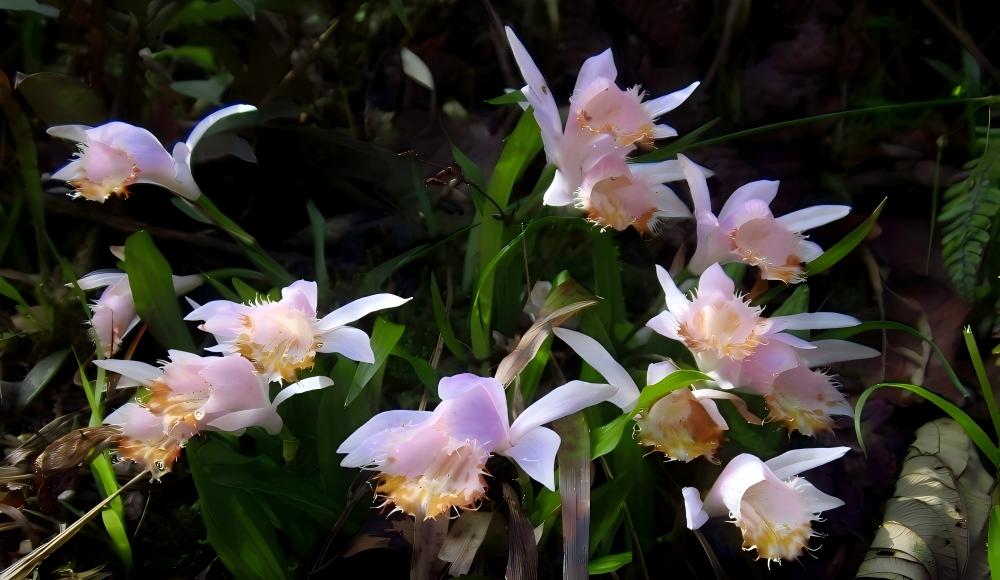
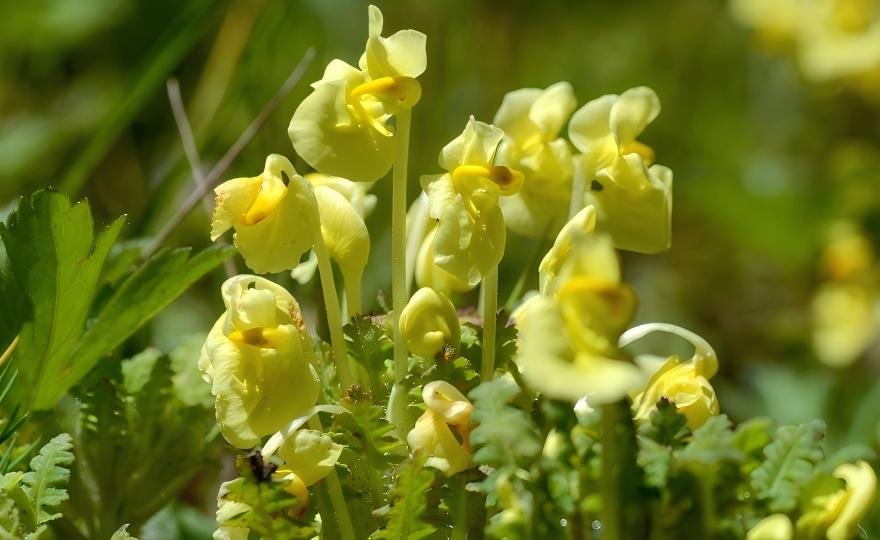
Afternoon: Post-lunch botanical exploration in the gorge, focusing on rare species such as Cremastra appendiculata, Dysosma versipelis, Pleione limprichtii Schltr., Rhododendron stamineum, and Epimedium brevicornu Maxim.
Night: Stay in Longcang Gorge, reflecting on the initial steps into Wilson’s botanical realm.
Morning: Continue trekking in the gorge, documenting plant diversity along this China botanical tour route.
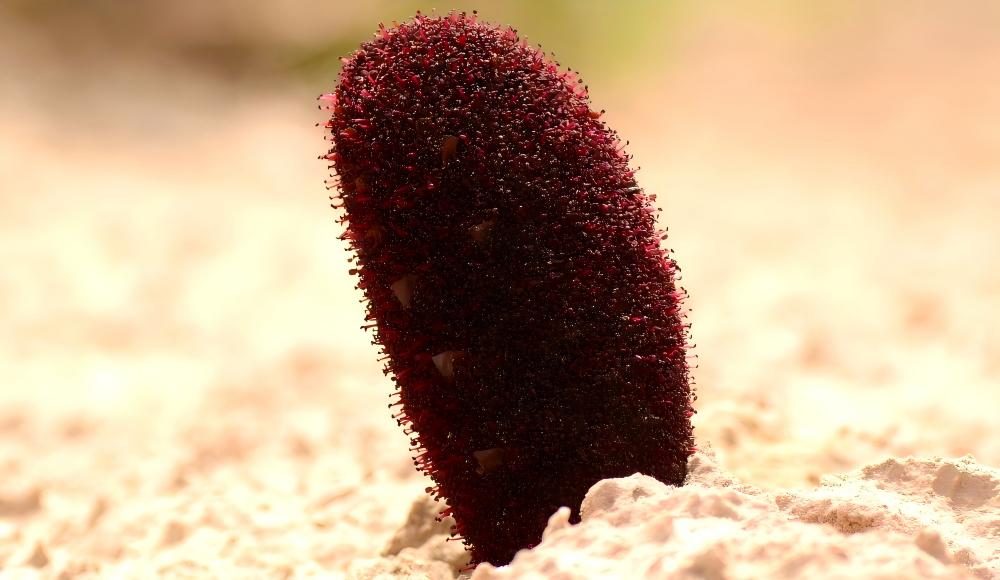
Afternoon: Travel to Moxi Town (190km, 3h) and explore Red Stone Beach, a key site for rare alpine flora.
Night: Overnight in Moxi Town, preparing for deeper highland discoveries.
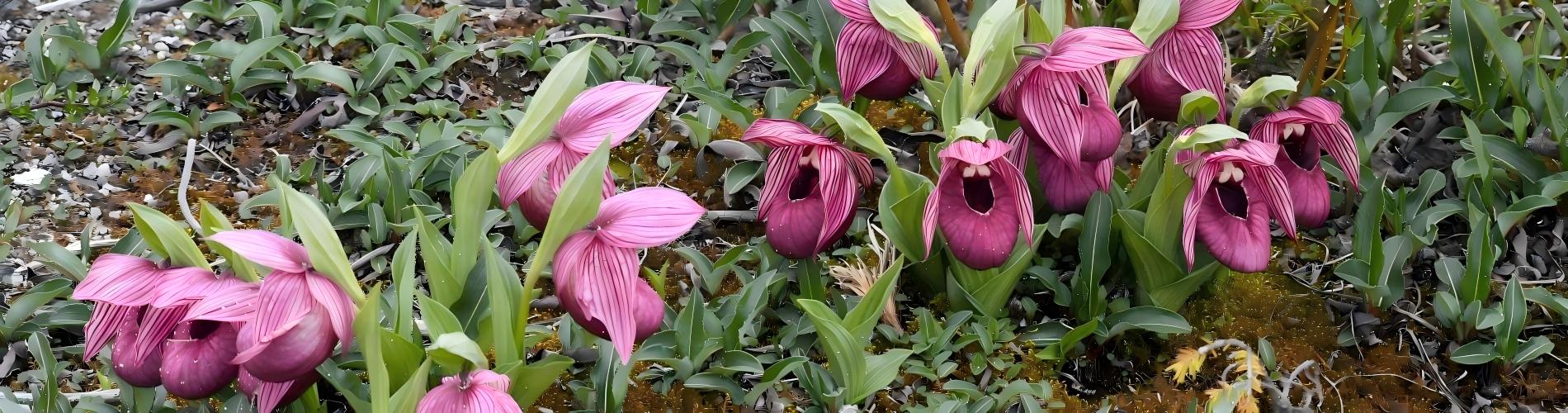
Full Day: Trek through Hailuogou’s alpine meadows and forests, targeting high-altitude Rhododendron spp., Primula spp., and Cypripedium spp. — highlights of any Sichuan wildflower tour.
Night: Return to Moxi Ancient Town for rest and discussion of findings.
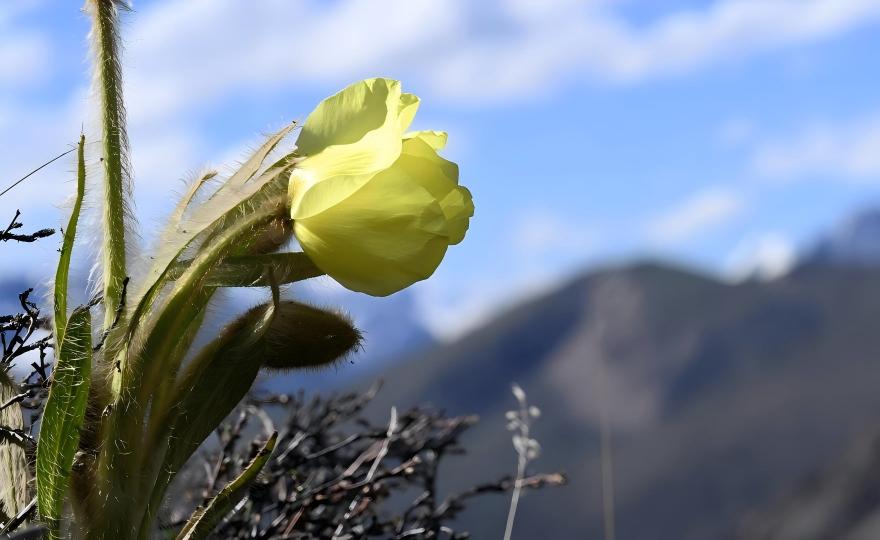
Morning: Visit Yajiageng to witness the 460-year-old Magnolia dawsoniana (Kangding Magnolia King), a living testament to Ernest Henry Wilson’s plant hunting legacy in China.
Afternoon: Continue exploring for rare Primula spp. and Cypripedium spp. in surrounding forests.
Evening: Arrive in Kangding for a local ethnic cuisine experience.
Night: Stay in Kangding.
Morning: Trek at Mugecuo Lake (~3,000m altitude), observing alpine Rhododendron spp. and other highland wildflowers.
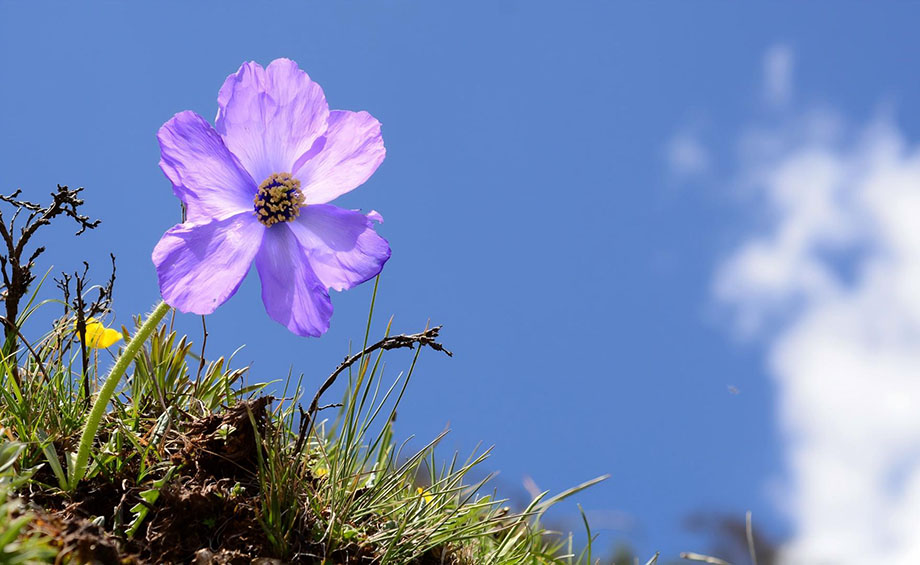
Afternoon: Head to Jiajin Mountain National Park, focusing on Meconopsis balangensis var. atrata, a flagship species from Wilson’s plant hunting era.
Night: Overnight at Jiajin Mountain’s Red Army Rest Station, blending ecological exploration with historical context.
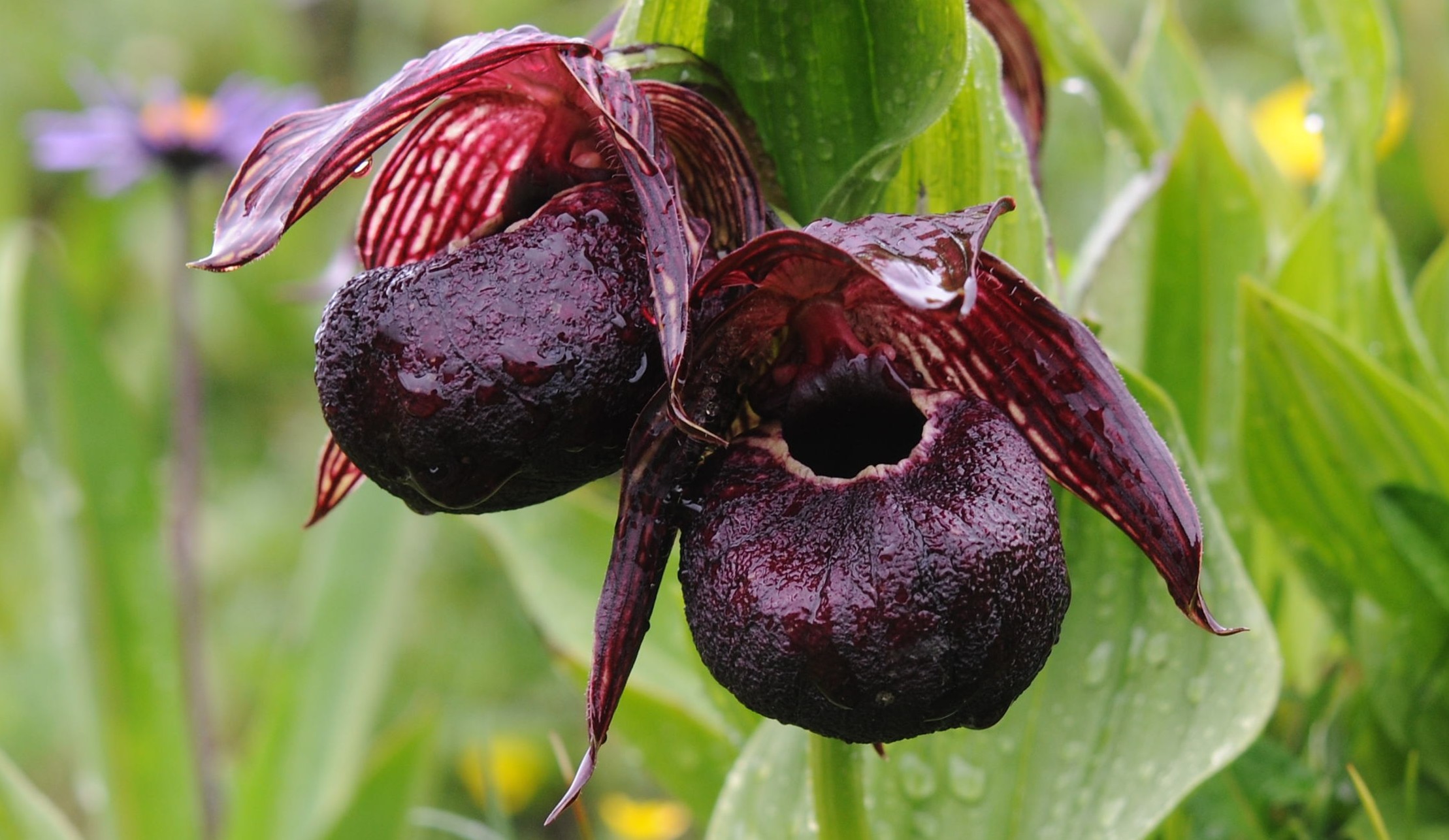
Full Day: Deep dive into Jiajin Mountain’s biodiversity, searching for Meconopsis balangensis var. atrata, Meconopsis racemosa Maxim., and Meconopsis punicea Maxim. — the iconic Himalayan blue poppy species that draw botanical travelers worldwide.
Night: Stay at Jiajin Mountain’s Red Army Rest Station.
Morning: Drive to Balang Mountain, seeking Meconopsis balangensis in its namesake habitat.
Afternoon: Trek in Wolong’s low-altitude areas, searching for Cypripedium and other transitional zone species on this Sichuan botanical tour.
Night: Stay in Wolong Town.
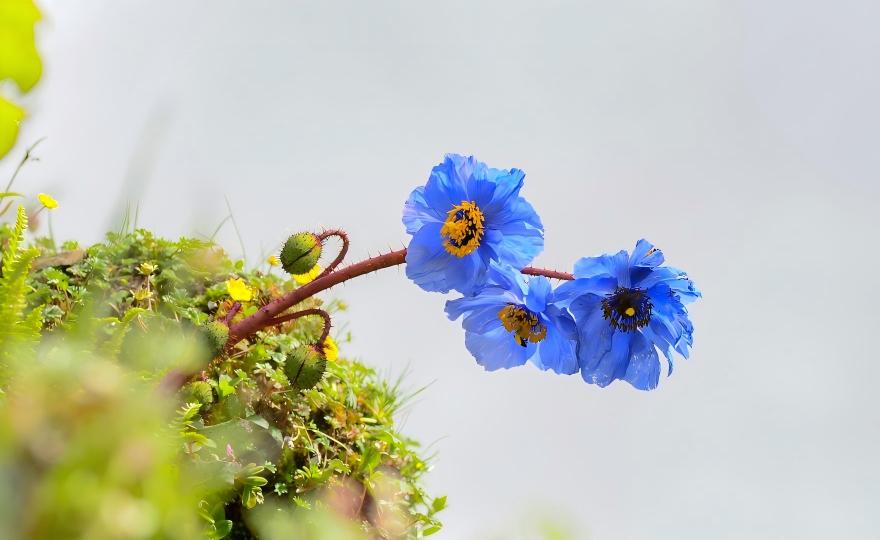
Day 8: Wolong – Wenchuan – Mao County – Wilson’s Lily Route
Morning: Explore Wolong’s low-altitude flora.
Afternoon: Travel along the Min River’s arid valley zone, targeting Lilium regale E. H. Wilson (Wilson’s Lily), Lilium duchartrei Franch., Lilium davidii, and Lilium lophophorum — signature discoveries from Wilson’s plant hunting expeditions in western China.
Night: Stay in Mao County.
Morning: Observe alpine canyon flora en route.
Afternoon: Ascend Xuebaoding (4,000m) to discover glacial flora such as Saussurea medusa and Saussurea involucrata, overlooking the magnificent scene where glaciers and primeval forests intermingle — a highlight of this China plant hunting tour.
Night: Stay in Songpan County.
Full Day: Arrive at Tangjiahe, a biodiversity hotspot. Focus on endemic species including Ginkgo biloba, Davidia involucrata, Taxus wallichiana var. chinensis, Cercidiphyllum japonicum, Tetracentron sinense, Pleione bulbocodioides, and Cornus officinalis.
Evening: Participate in a naturalist-led plant identification workshop.
Night: Stay at Tangjiahe.
Morning: Continue Tangjiahe’s botanical survey, documenting species distribution.
Afternoon: Return to Chengdu.
Night: Stay in Chengdu for rest.
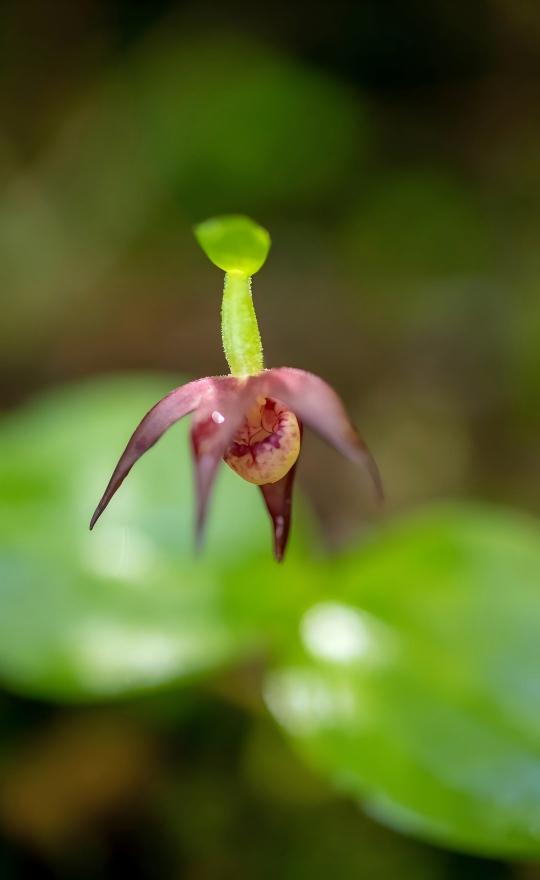
Morning: Depart Chengdu by high-speed rail for Shennongjia, one of China’s most important botanical reserves.
Afternoon: Post-arrival botanical exploration, focusing on transitional flora between eastern and western, southern and northern China.
Night: Stay in Shennongjia.
Day 13: Shennongjia – Endemic Species & National Protected Plants
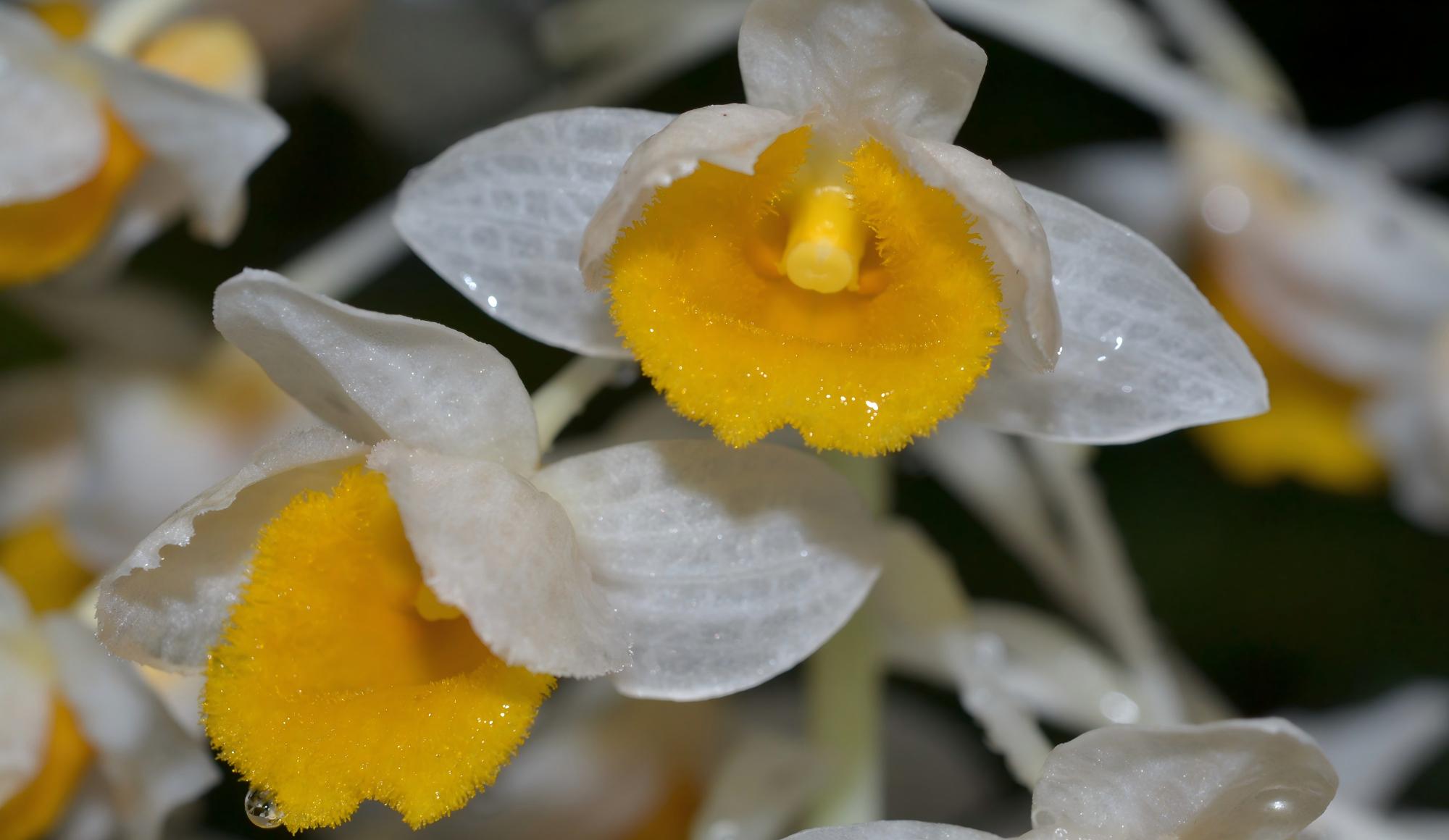
Full Day: Comprehensive survey in Shennongjia National Park, a critical corridor for China’s vegetation zones. It supports a highly concentrated population of endangered species and represents one of the three major distribution centers for endemic genera of seed plants in China. Target nationally protected I-level species (e.g., Ginkgo biloba, Taxus wallichiana var. mairei, Dendrobium flexicaule, Calanthe sieboldii, Paeonia qiui, Paeonia rockii) and 82 II-level species — the ultimate destination for botanical tour enthusiasts seeking China’s rarest plants.
Evening: Share findings with local conservation experts, emphasizing the park’s role in biodiversity preservation.
Night: Stay in Shennongjia.
Morning: Final summary session, sharing collected plant samples, photos, and notes from this 14-day China botanical tour.
Afternoon: Transfer to the nearest airport or train station for departure.
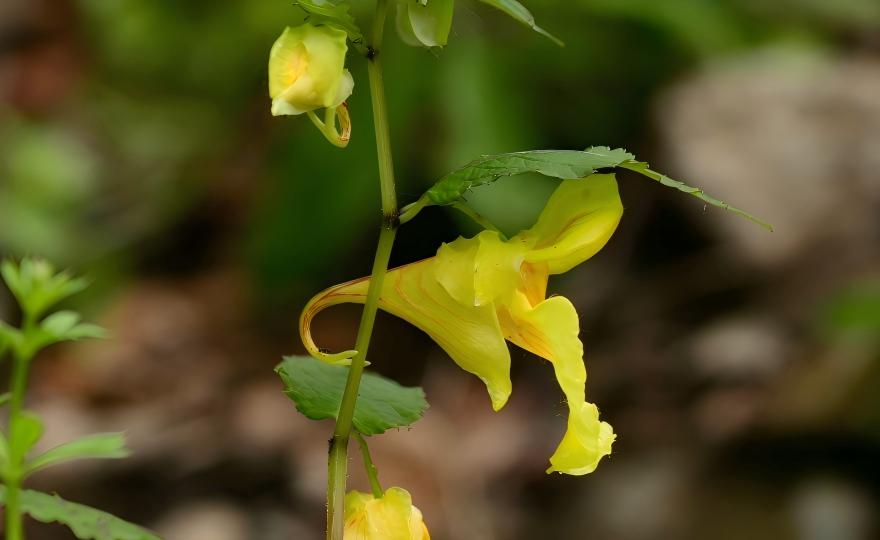
Q1: Is this China botanical tour suitable for families or solo travelers?
A: The trip involves high-altitude treks and ascents up to 4,000m, but we offer graded difficulty options with naturalist guides supporting varying fitness levels. Families with children 12+ are welcome, while solo botanical travelers with trekking experience are the ideal fit.
Q2: What kind of transportation is used on this Sichuan botanical tour?
A: The journey combines road transfers (Chengdu–Longcang Gorge, Songpan–Shennongjia) and high-speed rail (Chengdu–Shennongjia). All vehicles are equipped for highland travel, ensuring safety and comfort on mountain roads.
Q3: How do we handle high-altitude acclimatization on this tour?
A: We follow a gradual ascent strategy — from ~2,000m to 4,000m over multiple days — with built-in rest days (Day 4, Day 10) for adaptation. Medical kits and hydration reminders are standard on all China plant hunting tours.
Q4: Will we collect plant samples or just observe?
A: The trip emphasizes non-invasive observation and photography. Experts may create leaf/flower impressions or collect seed samples (with permits) for educational purposes, following strict conservation protocols — aligned with Wilson’s original principle of documenting without destroying.
Q5: Are there opportunities to experience local culture on this China nature tour?
A: Yes. In Kangding, Mao County, and Songpan, you can visit Tibetan and Qiang communities to learn about traditional plant knowledge — including Tibetan herbal medicine and Qiang dyeing and weaving techniques — as well as community conservation projects.
Q6: What equipment is required for this botanical tour in China?
A: Essential gear includes sturdy hiking boots, layered clothing for cold highlands, and waterproof notebooks for field journaling. We provide infrared camera access (for wildlife tracking) and plant identification tools.
Thanks for helping us to fill the following form about your personal preferences. This information you provide can help us to plan the best trip especially for you.




Copyright © 2026 • China Wildlife Tour All Rights Reserved Safari in Cina
 中文
中文