(+86)133 8819 6153
info@chinawildlifetour.com

Price from $ 3580 for group of 4-8 pax June 01, 2027
Overview
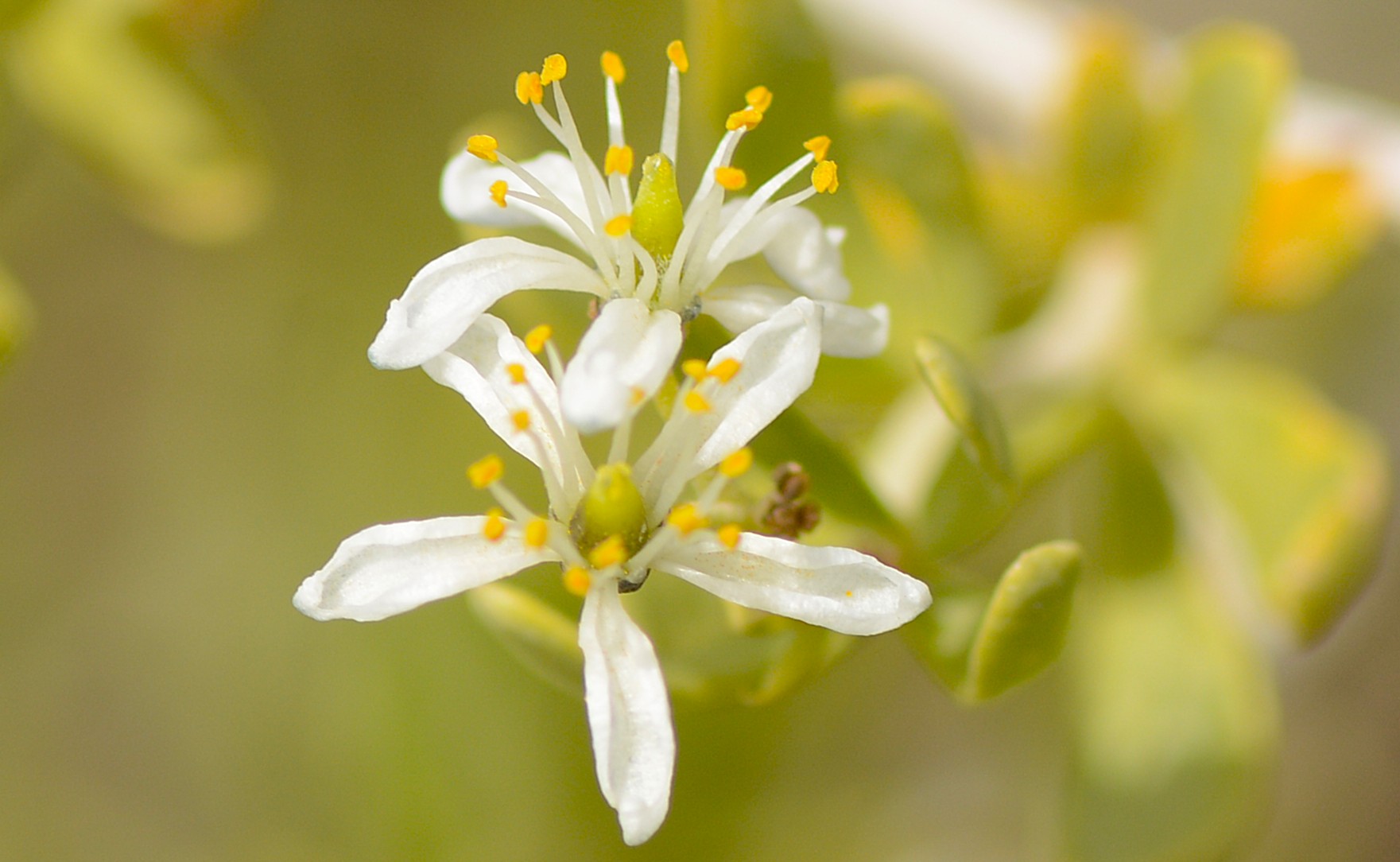
Immerse yourself in the botanical wonders of Central Asia on this 12-day expert-led journey. From alpine meadows of the Tianshan to the Taklamakan Desert, discover the “Mother of Gardens” — Wild Peonies, Wild Tulips, ancient Schrenk’s Spruce forests, and remarkable desert flora — woven into the cultural tapestry of the ancient Silk Road.
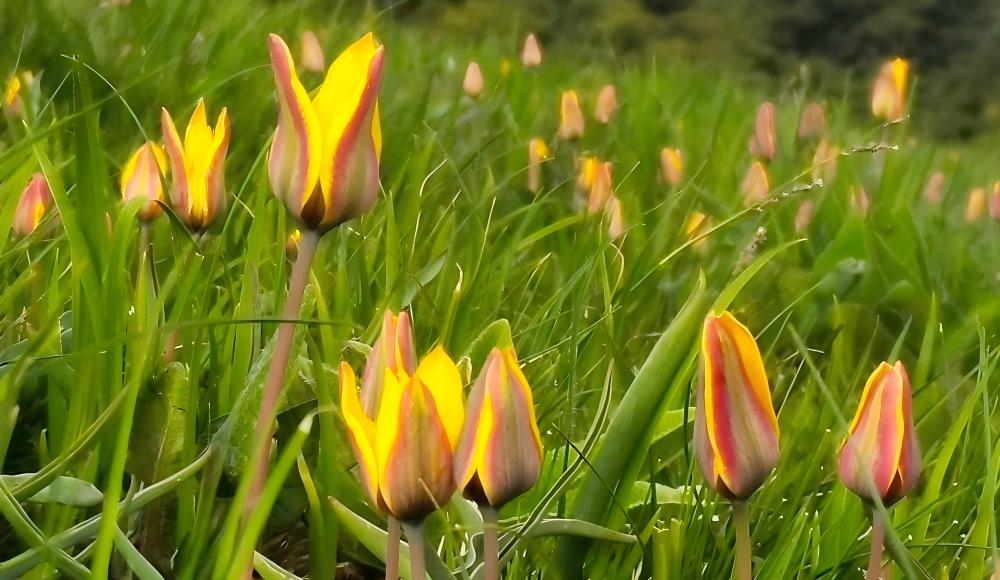
Chase Wild Tulips & Peonies: See endemic Tulipa schrenkii at Sayram Lake and walk through a sea of Xinjiang Peony (*Paeonia anomala*) in the Ili Valley — the only tour covering both at peak bloom.
Master Vertical Zonation in One Day: Traverse the Duku Highway and watch vegetation shift from alpine tundra → spruce forest → steppe → desert — a living textbook no garden can replicate.
Decode Desert Survival: Stand beneath the “Desert Hero Tree” (*Populus euphratica*) and learn why its leaves change shape — the only journey linking alpine wildflowers to desert adaptations in one route.
Taste the Silk Road: Sip herbal tea from Desert Ginseng (*Cistanche*) in a Kashgar courtyard — where botany becomes a living culture, not just a field lesson.
Route: Urumqi → Sayram Lake → Yining → Yining Grassland → Tekes & Kalajun → Narat → Kuqa → Kashgar
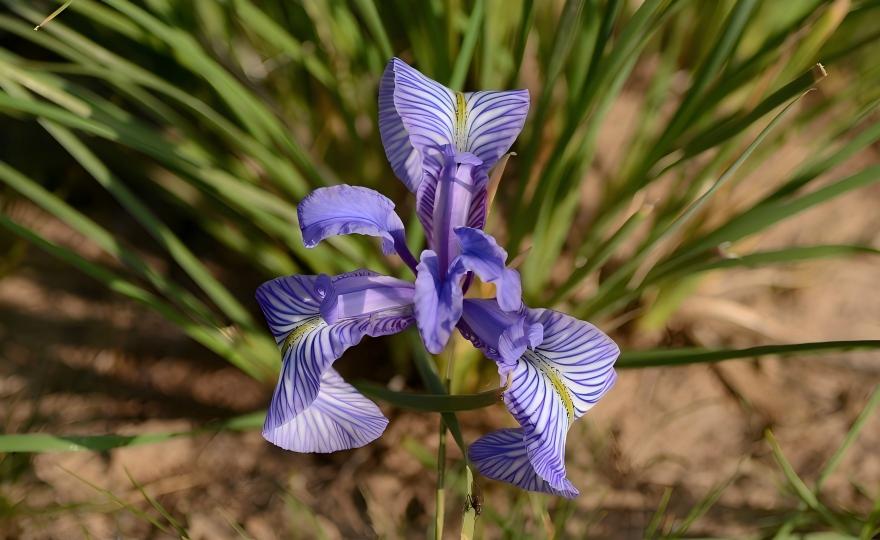
Focus: Wild Tulips, Peonies, Irises, Alpine Cushion Plants, & Desert Adaptations.
Day-by-day Itinerary
Day 1: Arrival in Urumqi – The Gateway to the Flora of Central Asia
Arrive in Urumqi. Meet your private guide and driver and then transfer to your hotel. If time permits, we will visit the Xinjiang Natural History Museum (or the Botanical Garden).
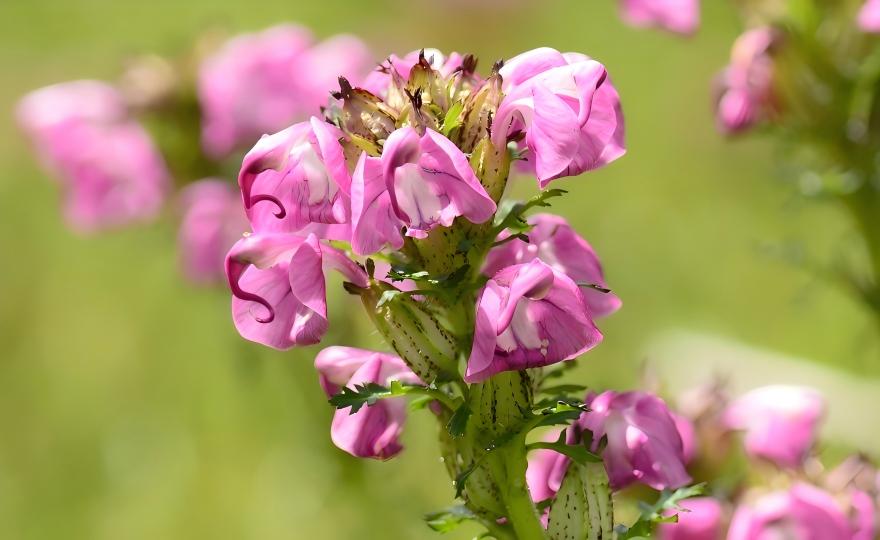
Botanical Focus: Introduction to the Flora of Xinjiang. Understand the transition from the Pale-arctic to Central Asian flora. Preview the key genera: Tulipa, Iris, Allium and Pedicularis.
Highlight: Get your first glimpse of Saxaul (*Haloxylon ammodendron*) planted in the city—a key desert pioneer species.
*Overnight: Urumqi*
Day 2: The Transition Zone – From Desert Gobi to Alpine Pearls
*Morning:* Drive from Urumqi to Sayram Lake (approx. 5.5 hours).
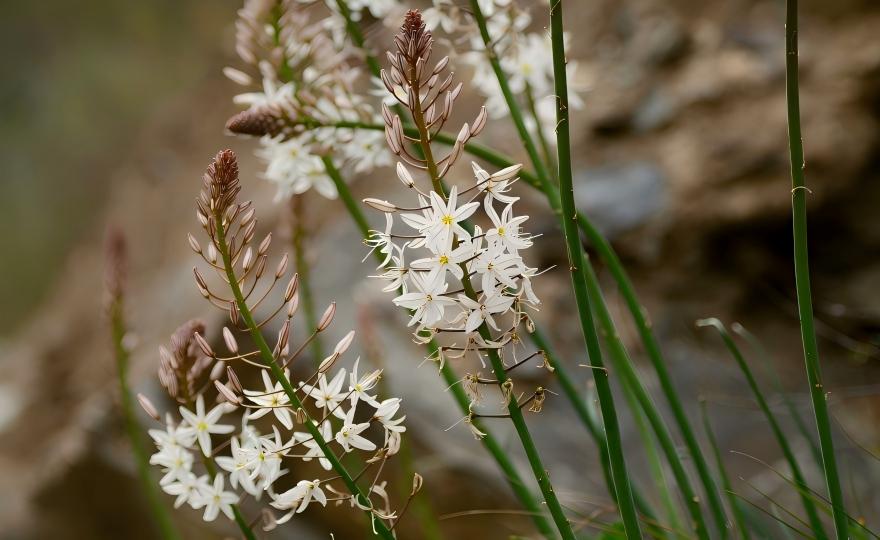
Botanical Stop: The Dabancheng Wind Farm area. Observe the Gurbantünggüt Desert edge vegetation. Look for White-branch Saxaul, Desert Candle (*Eremurus*) (tall spikes), and *Reaumuria* (a salt-tolerant shrub). Discuss how these plants survive extreme drought and saline soils.
*Afternoon:* Arrive at Sayram Lake (2,073m).
*Late Afternoon:* Begin exploring the Alpine Serpentine Meadow.
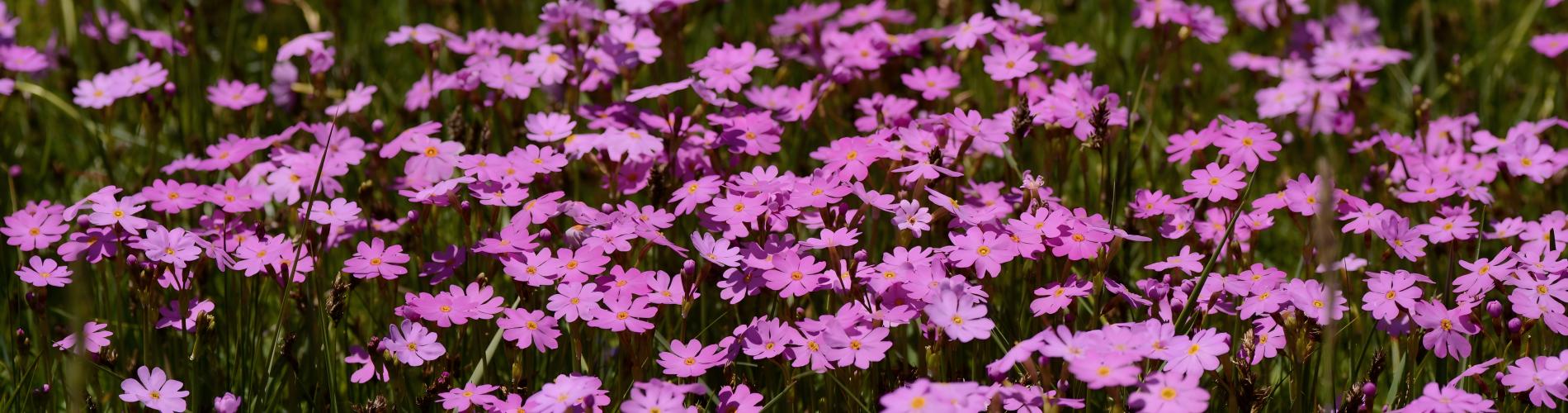
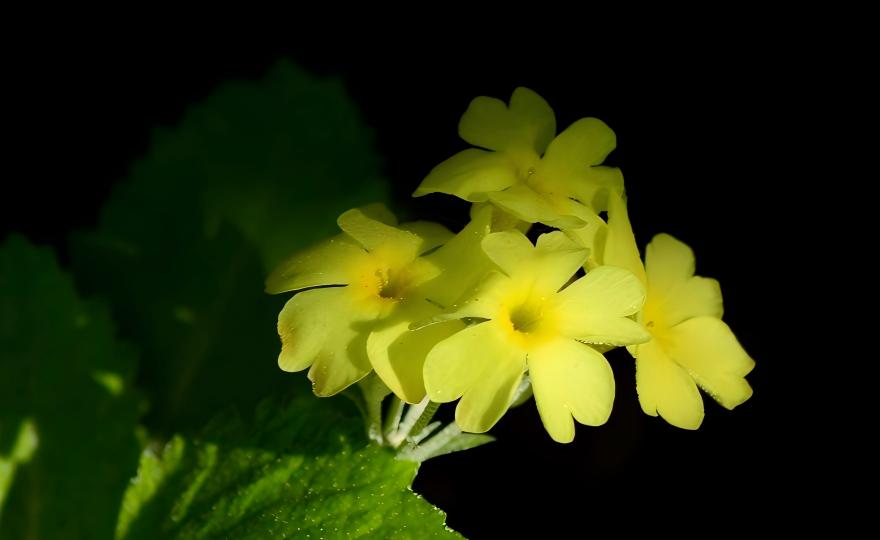
Botanical Focus: Hunt for Wild Tulips (*Tulipa schrenkii* or *Tulipa sinkiangensis*). Unlike the rigid garden hybrids, these wild tulip species are vibrant and variable. Also look for *Primula nutans* hiding in the moist grass.
Highlight: Photography session: Scarlet wild tulips against the piercing blue of the “Atlantic’s Last Tear.”
*Overnight: Sayram Lake (Lakeside Luxury Yurt/Camp).*
Day 3: Sayram Lake in Bloom – The Vertical Gradient
*Morning:* Hike along the Swan Lake wetland trail.
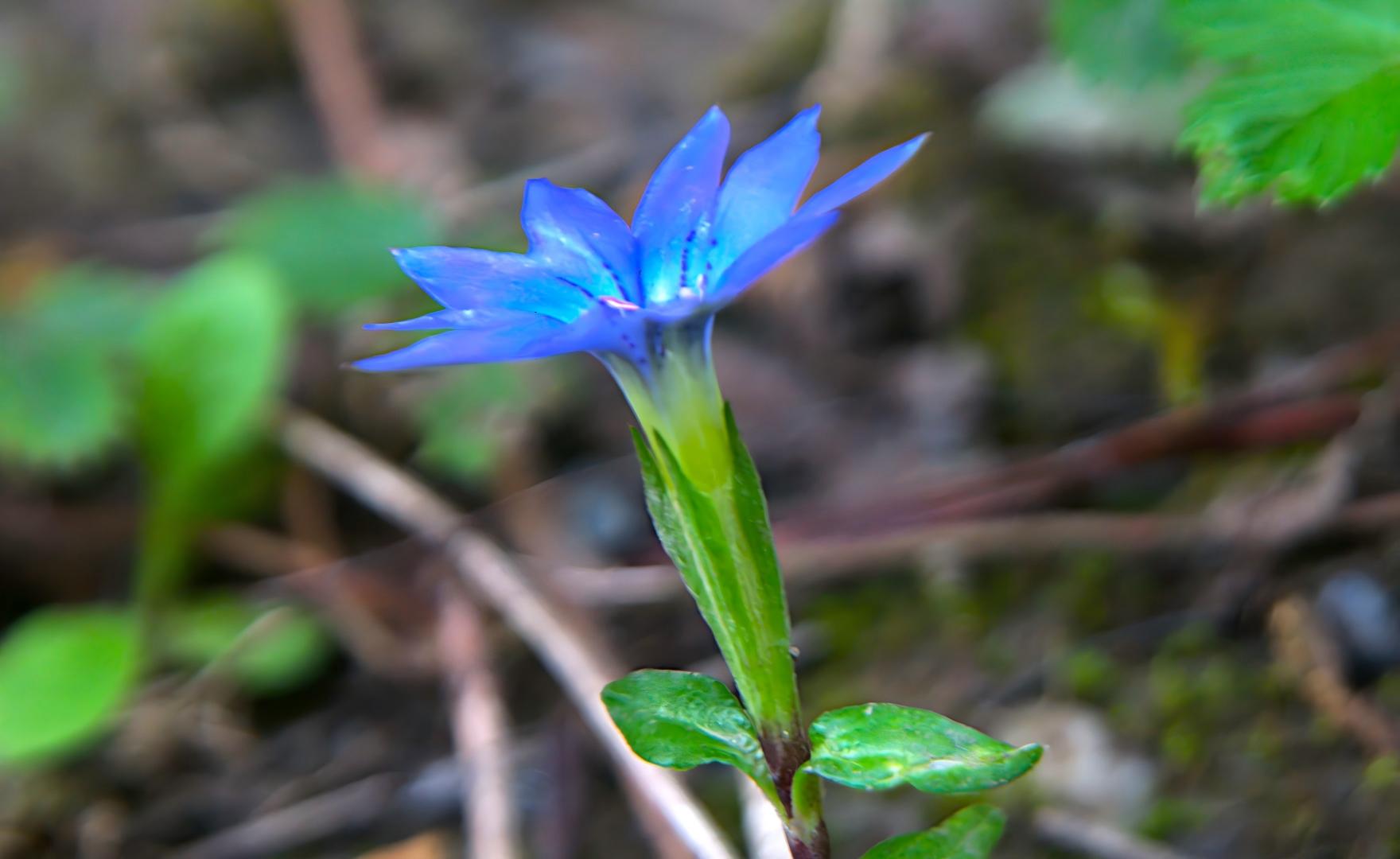
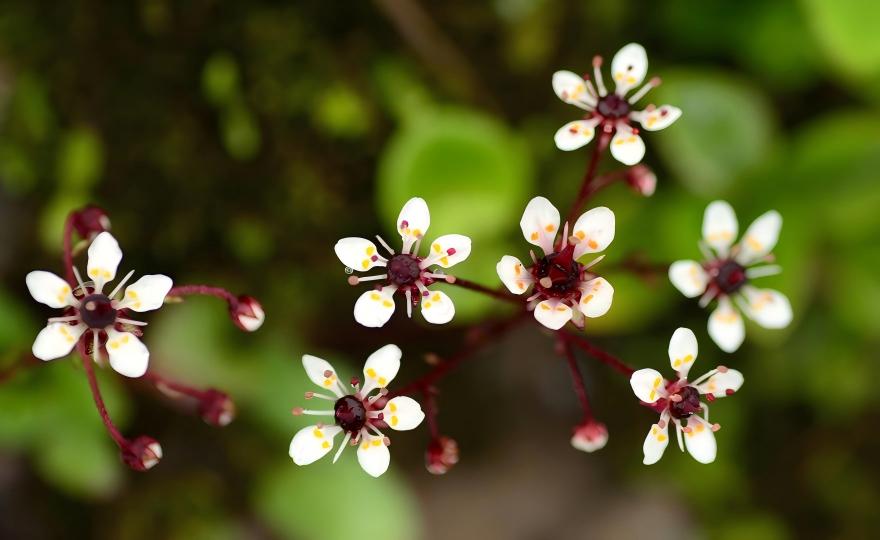
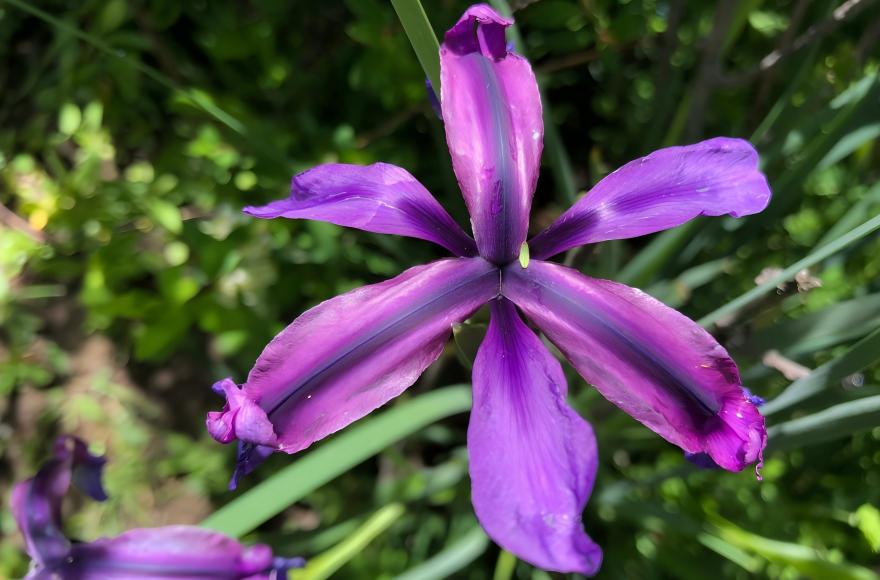
Botanical Focus: Search for Iris bloudowii (yellow, dwarf iris) and *Gentiana* species. Observe the “inverted tree line” effect where the cold lake keeps the vegetation stunted.
*Afternoon:* Drive across the Guozigou Bridge into the Ili Valley.
Botanical Focus: Stop in the Fruit Valley (Guozigou). Examine the wild ancestors of fruit trees: Wild Apple (*Malus sieversii*) and Wild Apricot (*Prunus armeniaca*).
*Evening:* Arrive in Yining. Walk through Kazanqi Folk Village to see courtyard gardening culture.
*Overnight: Yining City.*
Day 4: The Valley of Giants – Wild Peonies of the Ili Grassland
*Morning:* Early departure to a secret Wild Peony Reserve in the Ili River Valley.
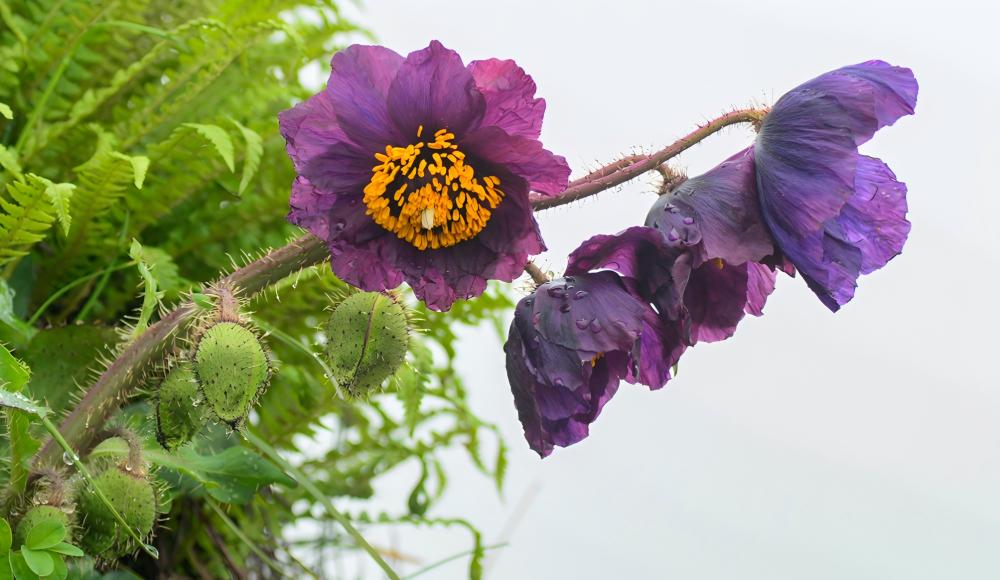
Botanical Focus: Thousands of Xinjiang Peony (*Paeonia anomala*) and *Paeonia intermedia*. Observe the flower morphology (yellow stamens vs. petals) and the specific micro-habitat they require (semi-shaded slopes). Note the ant-plant mutualism on the flower buds.
*Afternoon:* Picnic lunch among the peonies. Continue exploring the surrounding steppe.
Botanical Focus: Find Sugar Beet wild relatives and *Crambe* (a crucifer with white flowers). Discuss the adaptation of rhizomatous plants to survive cold winters.
Highlight: Walking through a pink and white sea of wild peonies—a sight found nowhere else on this scale.
*Overnight: Yining City.*
Day 5: The “Bagua” City and Ascent to the Hanging Grassland
*Morning:* Drive to Tekes (the Bagua City layout) and ascend to Kalajun Grassland.
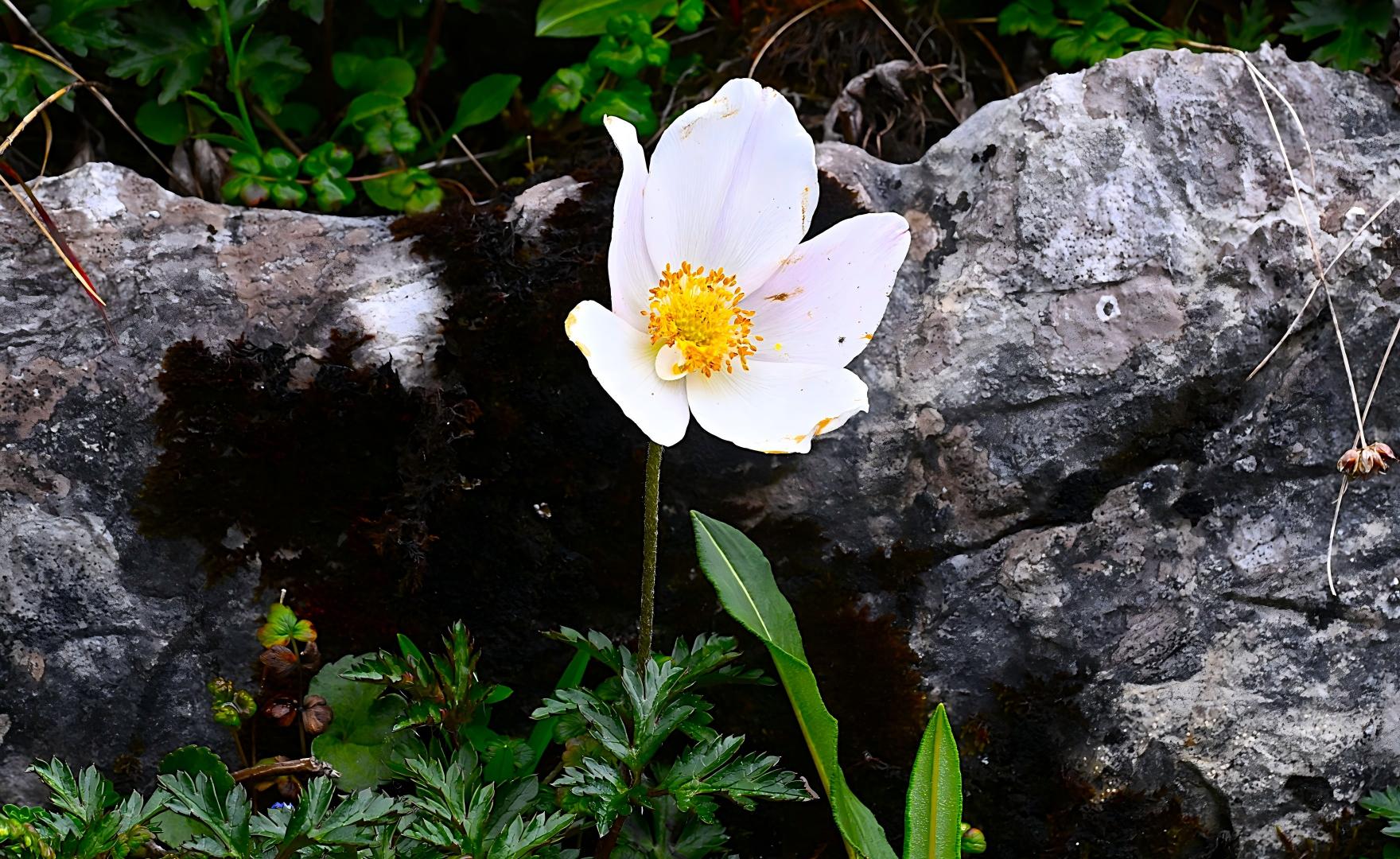
Botanical Focus: Notice the shift in flora as we climb. The Chestnut-steppe soil zone gives way to Mountain Meadow Chernozem. Watch for Pasque Flower (*Pulsatilla*) with their silky seed heads.
*Afternoon:* Full-day immersion in Kalajun.
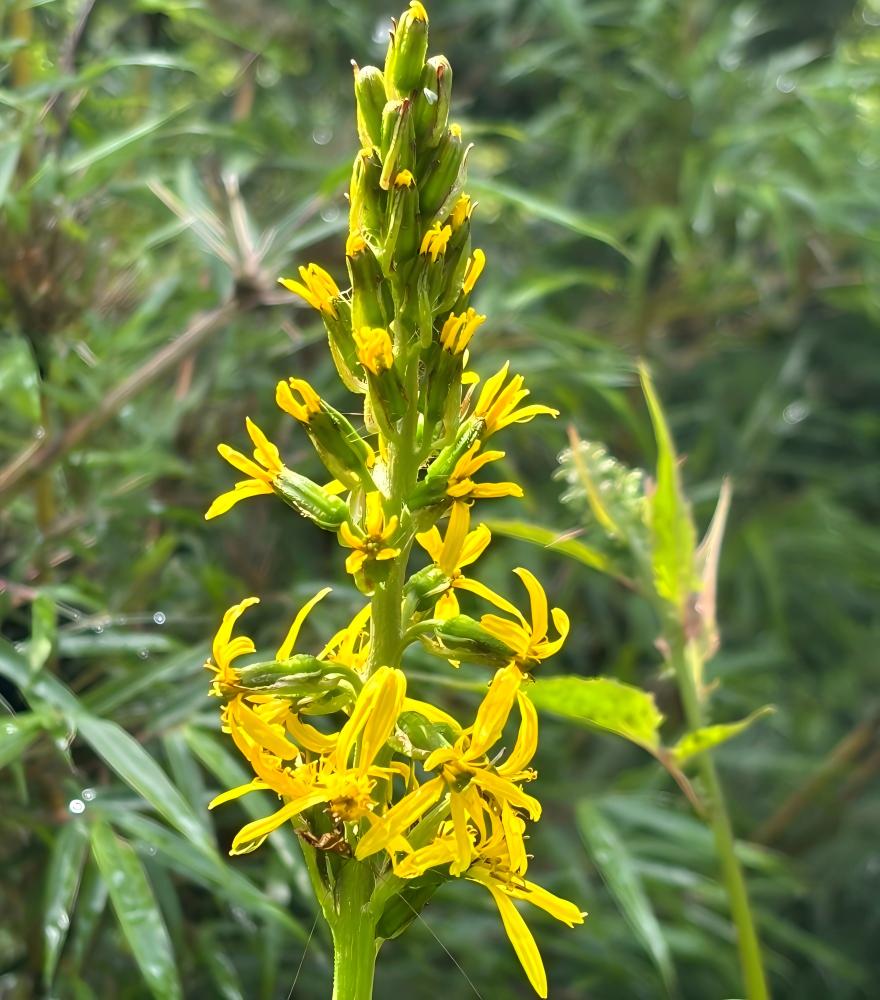
Botanical Focus: Kalajun is famous for Wild Chives (*Allium* species). Taste them! Look for Lousewort (*Pedicularis*)—the “cheating” plant that is actually a hemiparasite on roots. Identify Leopard Plant (*Ligularia*) in the moister ravines.
Highlight: Standing on the Falcon Terrace, viewing the “body curves” of the grassland carpeted with wildflowers.
*Overnight: Kalajun (Star-gazing Yurt Hotel).*
Day 6: Kalajun to Narat – Spruce Forest Interiors
*Morning:* Guided botanical hike in a remote side valley of Kalajun.
Botanical Focus: Target the Siberian Lily (*Lilium martagon* var. *pilosiusculum*) and Yellow Daylily (*Hemerocallis lilioasphodelus*) which thrive on the forest edges.
*Afternoon:* Drive to Narat Grassland.
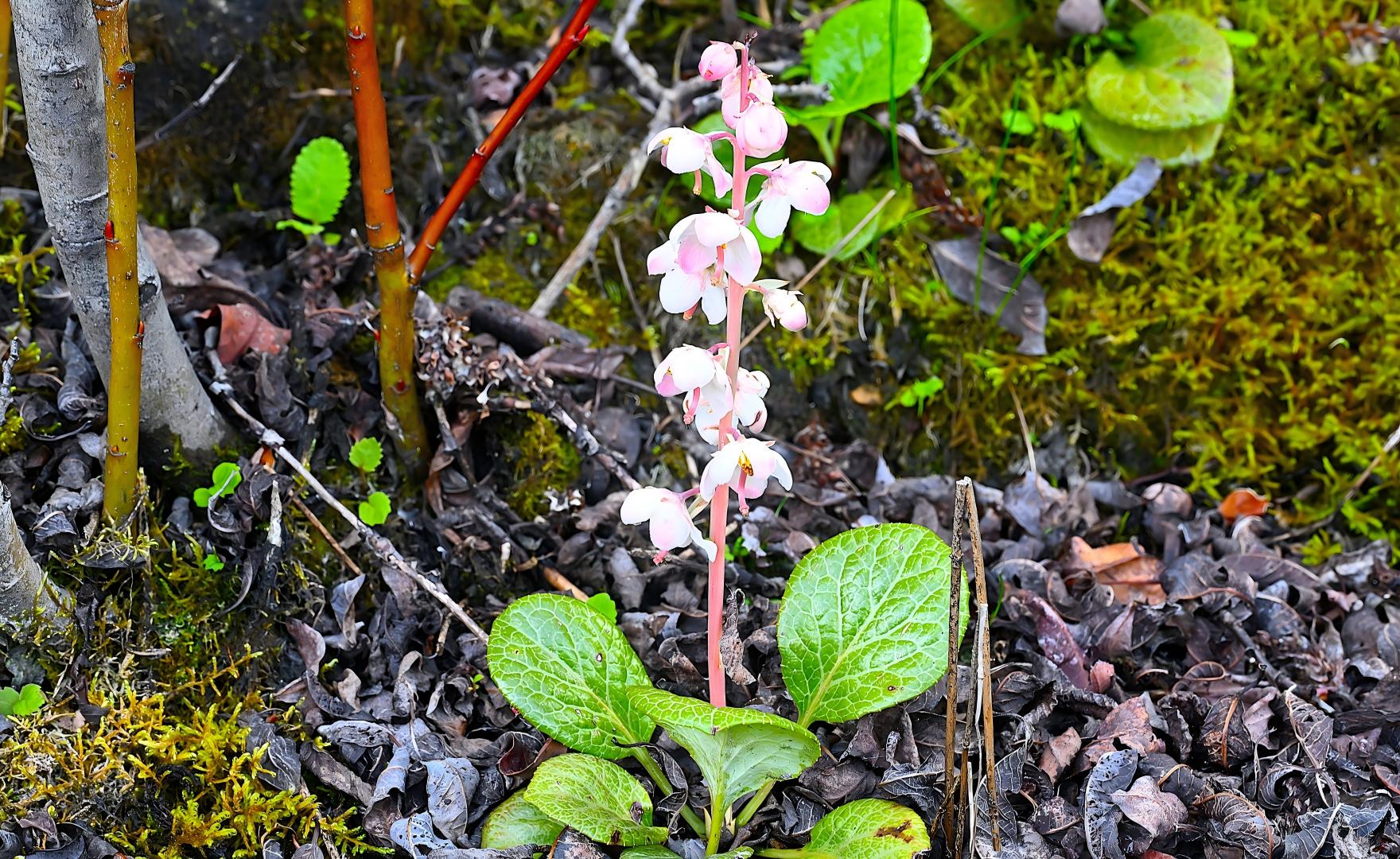
Botanical Focus: Enter the Schrenk’s Spruce (*Picea schrenkiana*) zone. This is the “Green Sea of Tianshan.” Stop to examine the mossy understorey where Wintergreen (*Pyrola*) hides. Discuss the role of spruce in creating a microclimate for moisture-loving herbs.
Highlight: Walking beneath towering spruce cathedrals, where every fallen log is a garden of mosses and ferns.
*Overnight: Narat (Resort Hotel).*
Day 7: The Epic Duku Highway – A Living Textbook of Altitudinal Zonation
*Full Day:* Traverse the Duku Highway from North to South (or to Dushanzi).
Botanical Stop 1 (High Altitude): Dushanzi Grand Canyon. Observe Juniper (*Sabina*) scrub and Stonecrop (*Sedum*) clinging to cliffs.
Botanical Stop 2 (Mid Altitude): The forest zone.
Botanical Stop 3 (Low Altitude): The rapid transition to Gobi Desert vegetation. Observe how plant density drops and species change from herbs to shrubs (e.g., *Nitraria*—a thorny shrub with red berries).
Highlight: Witnessing the vegetation change from Alpine Tundra → Forest → Steppe → Desert in just a few hours.
*Overnight: Kuqa (Drive through the afternoon to reach the oasis).*
Day 8: Kuqa – The Desert Botany of the Tarim Basin
*Morning:* Visit the Tarim Populus Forest (*Populus euphratica*) reserve.
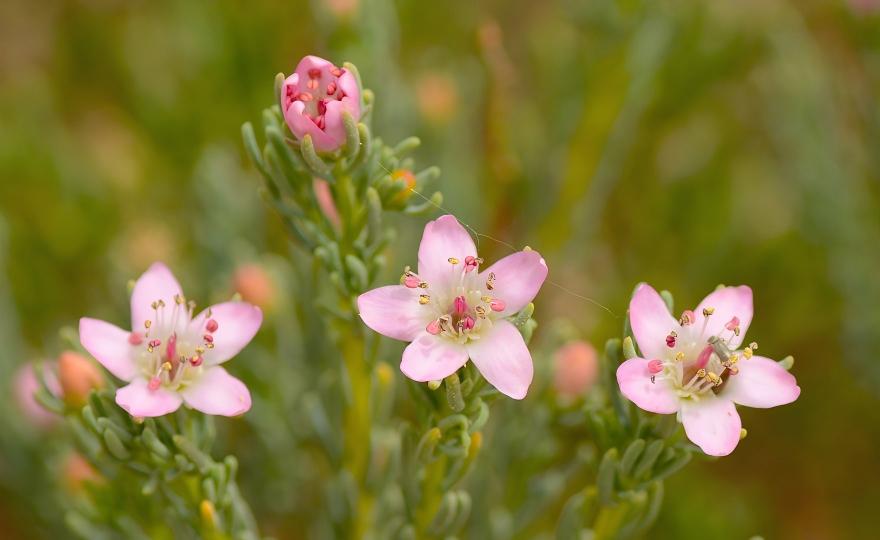
Botanical Focus: Study the “Desert Hero Tree” (*Populus euphratica*). Look for the heterophylly (different leaf shapes on the same tree: lanceolate vs. broad vs. lobed)—a classic desert adaptation to salinity and water availability. Look for *Alhagi* (*Alhagi camelorum*) with its deep taproot.
*Afternoon:* Visit the Kizil Thousand Buddha Caves.
Botanical Focus: Examine the vegetable pigments used in ancient murals and the surrounding desert flora (e.g., *Zygophyllum xanthoxylum*) that survives in the rocky hills.
*Overnight: Kuqa.*
Day 9: Flight to Kashgar – Oasis Ethnobotany
*Morning:* Fly to Kashgar.
*Afternoon:* Explore the Kashgar Old City and Ancient Tea House.
Botanical Focus: Oasis Ethnobotany. Spot pomegranate trees, grape arbors, and jasmine flowers in the courtyards. Visit a Herbal Medicine Market to see dried desert herbs like Desert Ginseng (*Cistanche*), *Cynomorium songaricum* and Licorice roots (*Glycyrrhiza uralensis*).
Highlight: Tasting herbal teas made from local desert plants.
*Overnight: Kashgar (Traditional-style Boutique Hotel).*
Day 10: Sunday Market (Livestock) & High Altitude Prep
*Morning:* Visit the Livestock Market (Sunday only) or the Sunday Bazaar.
Botanical Focus: Observe the fodder plants being sold (dried hay, alfalfa). Discuss the relationship between pastoralism and grassland health.
*Afternoon:* Visit Apak Hoja Tomb and Id Kah Mosque.
Botanical Focus: Garden design in Islamic architecture—use of poplars for shade and roses for fragrance in the courtyards.
*Overnight: Kashgar.*
Day 11: Karakul Lake – The Roof of the World Flora
*Morning:* Drive on the Karakoram Highway (KKH).
*Afternoon:* Arrive at Karakul Lake (3,600m).
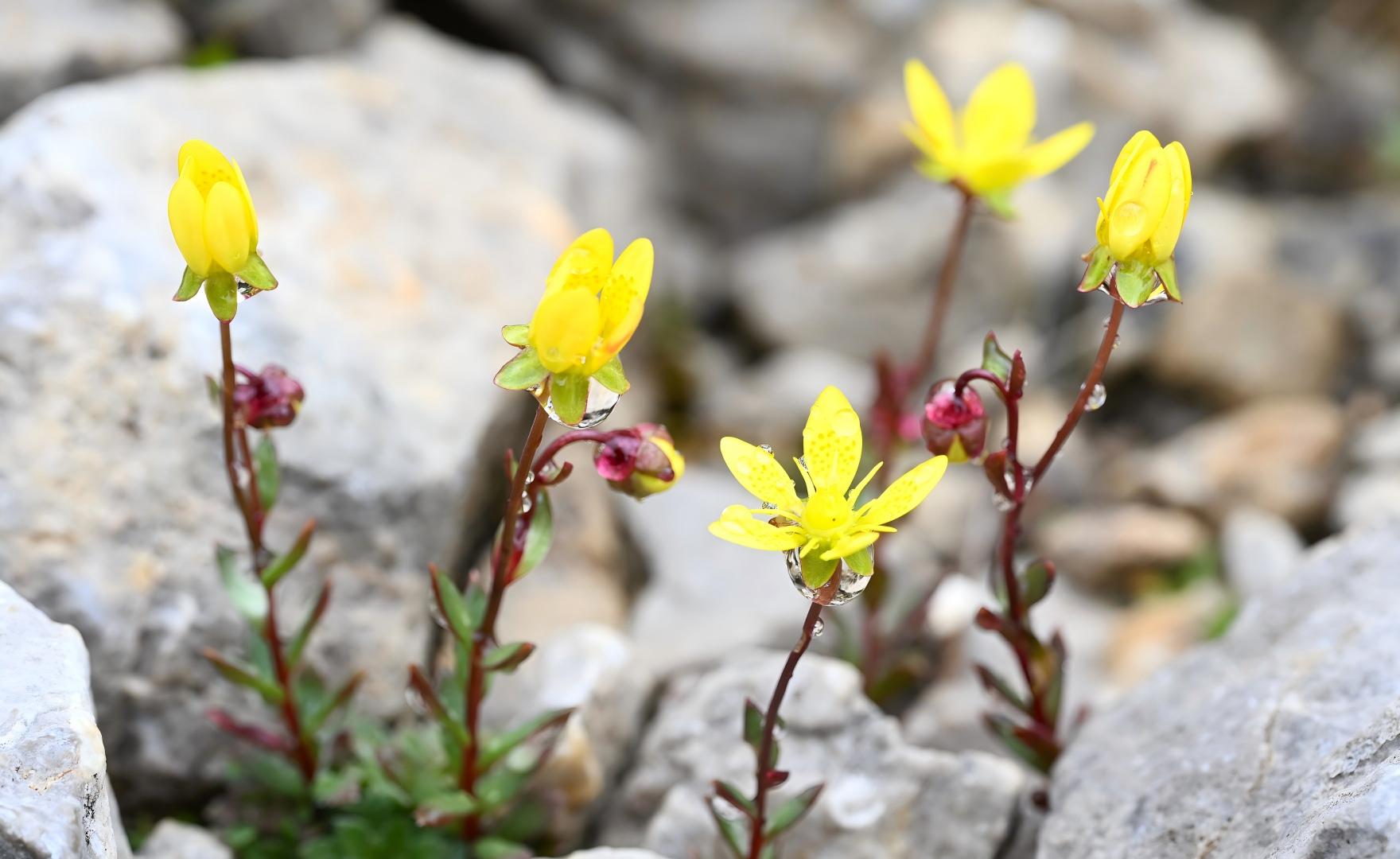
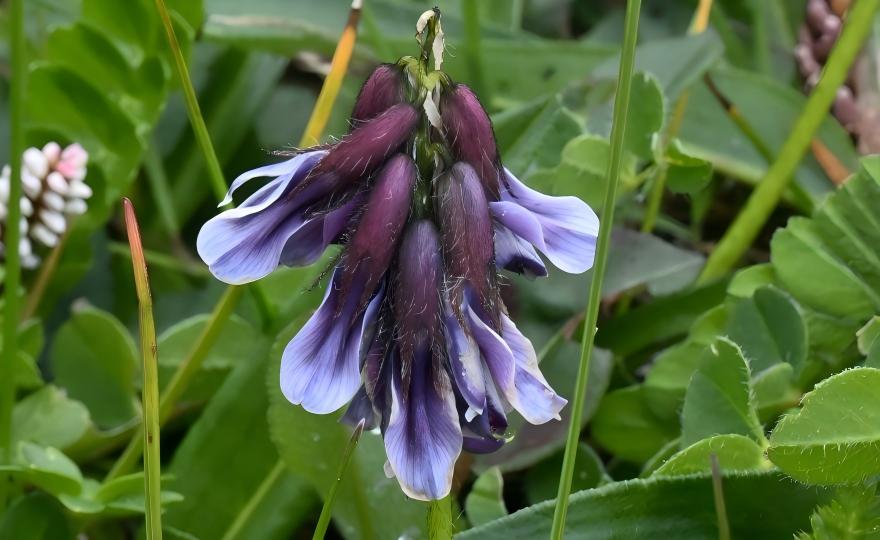
Botanical Focus: The extreme environment of the Pamir Plateau. Look for Cushion Plants (*Arenaria* or *Saxifraga*)—their dome shape protects them from wind and cold. Search for Pedicularis species with their intricate beaked flowers. Observe the Kobresia (sedge) meadows that feed the yaks.
*Cultural:* Tea with a Kyrgyz herder family. Ask how they use wild herbs for medicine.
*Overnight: Kyrgyz Yurt by the lake or return to Kashgar (recommended for comfort).*
Day 12: Farewell to the Silk Road
*Morning:* Final shopping at the Grand Bazaar for dried fruits, nuts (walnuts from Xinjiang are famous), and local handicrafts.
*Transfer:* Transfer to Kashgar Airport.
Highlight: Depart with a deep understanding of how wildflowers bloom against all odds—from the deserts to the highest peaks.
FAQ
Q1: What is the best time to see the Wild Tulips and Peonies?
A: Late May to mid-June. The Ili Valley peonies and Sayram Lake tulips peak simultaneously in this narrow window — miss it by a week, and the alpine blooms fade.
Q2: How fit do I need to be?
A: Light to moderate. We walk 1–3 hours on natural trails at 500–3,600m. No technical hiking, but you should be comfortable on uneven meadow and rocky terrain.
Q3: Is this just plants, or will I see Silk Road sights too?
A: Both. Kashgar Old City, Id Kah Mosque, and Kizil Caves are woven in — because understanding the Silk Road means understanding how flora shaped its history.
Q4: What are the accommodations like?
A: 3–5 star hotels in cities; the best yurt camps or eco-lodges at Sayram Lake, Kalajun, and Karakul Lake. Yurts are authentic and scenic, with private bathrooms but simple amenities.
Q5: Is this suitable for professional botanists?
A: Yes. Your guide is trained in local taxonomy, and we provide a detailed species list targeting endemic species and micro-habitats — from *Paeonia anomala* to Pamir cushion plants.
Thanks for helping us to fill the following form about your personal preferences. This information you provide can help us to plan the best trip especially for you.




Copyright © 2026 • China Wildlife Tour All Rights Reserved Safari in Cina
 中文
中文