(+86)133 8819 6153
info@chinawildlifetour.com

Price from $ 2600 for group of 4-8 pax July 01, 2027
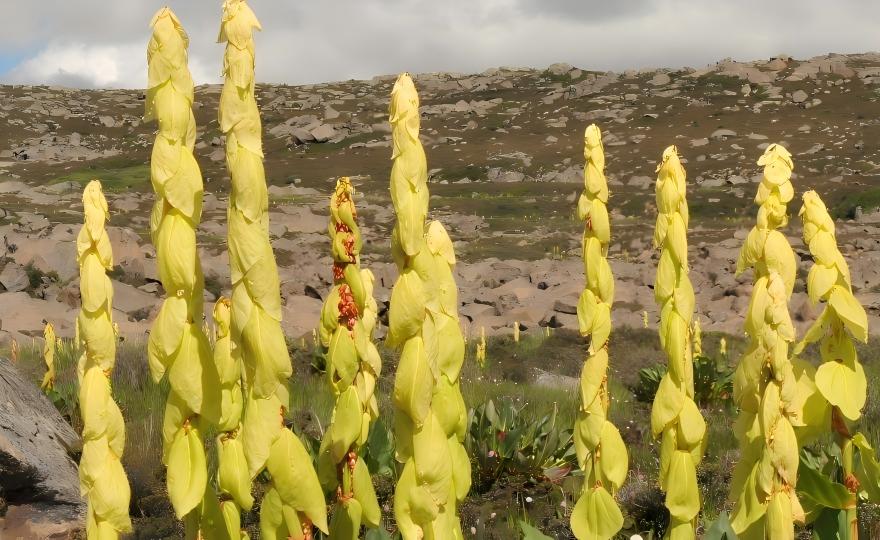
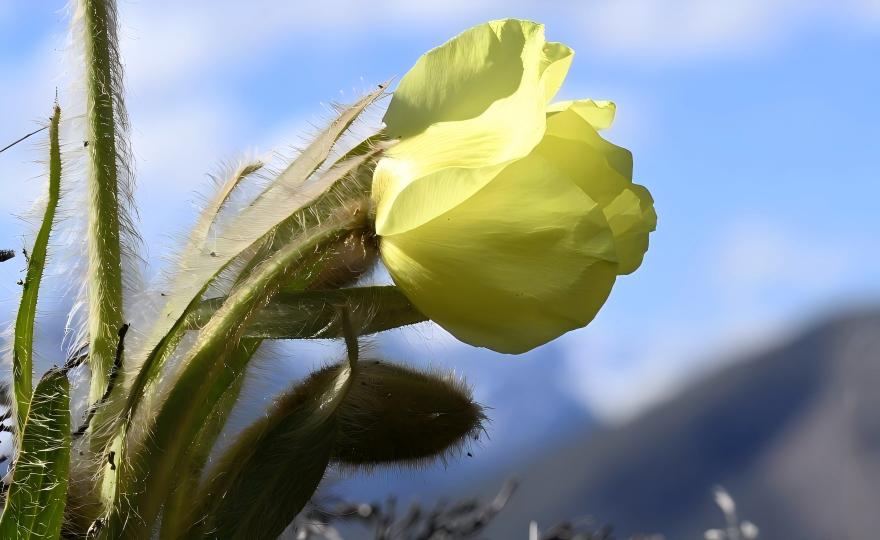
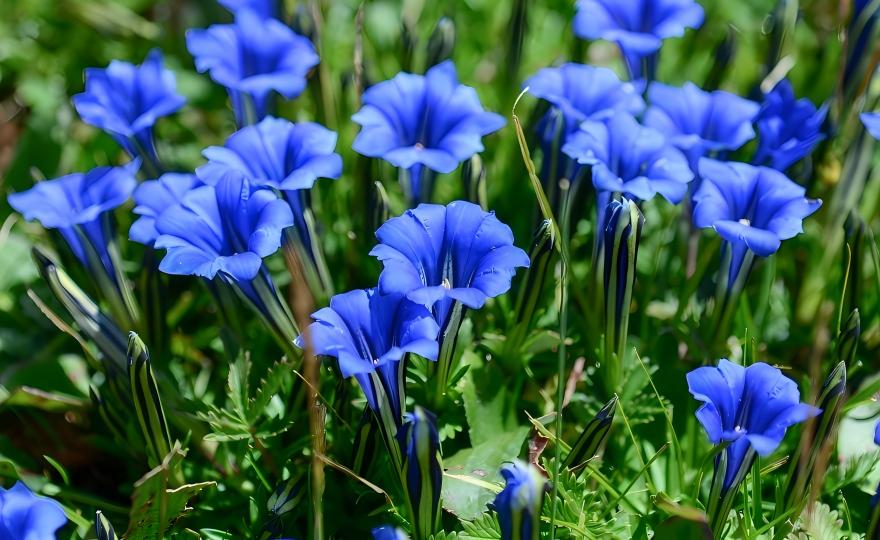
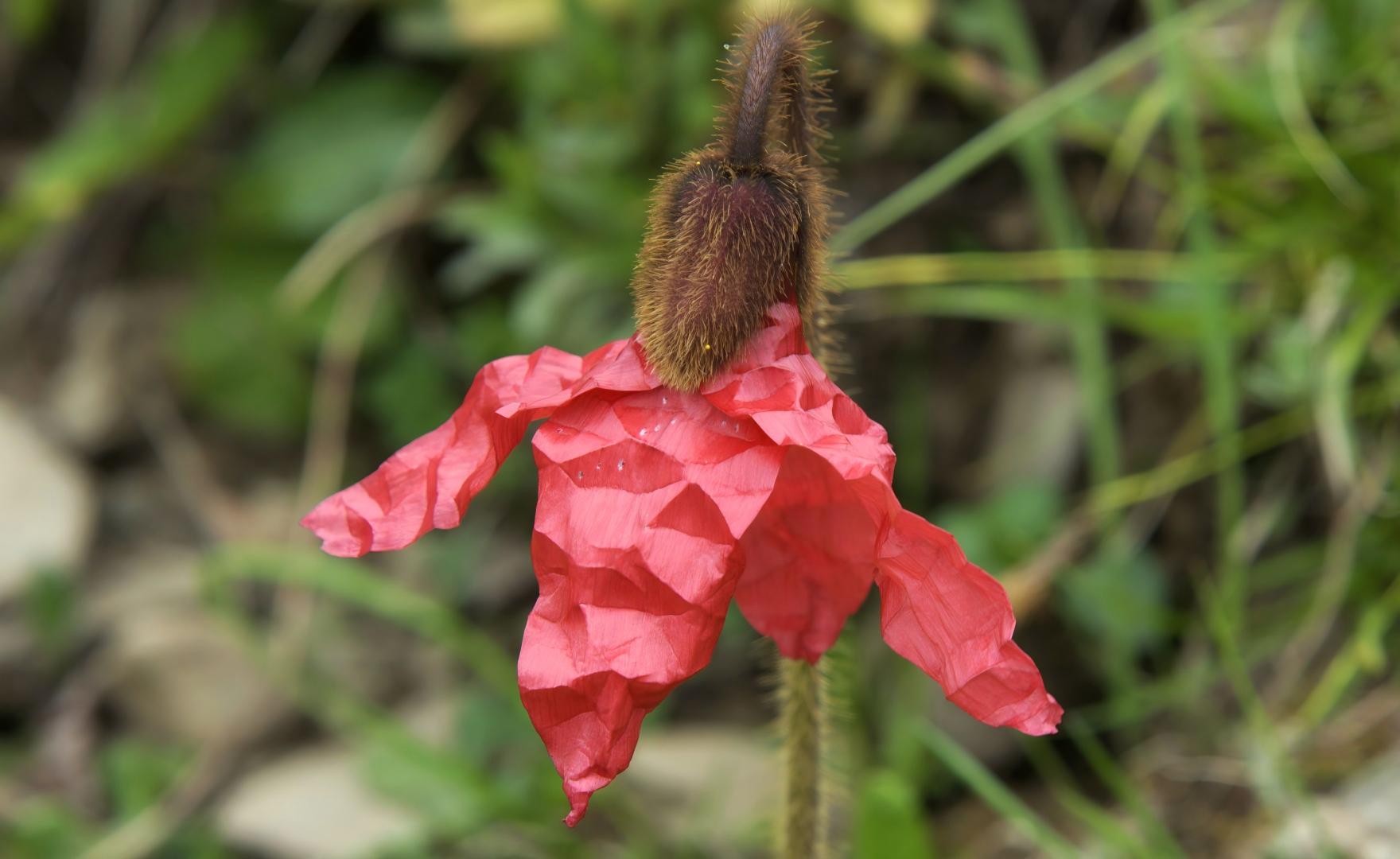
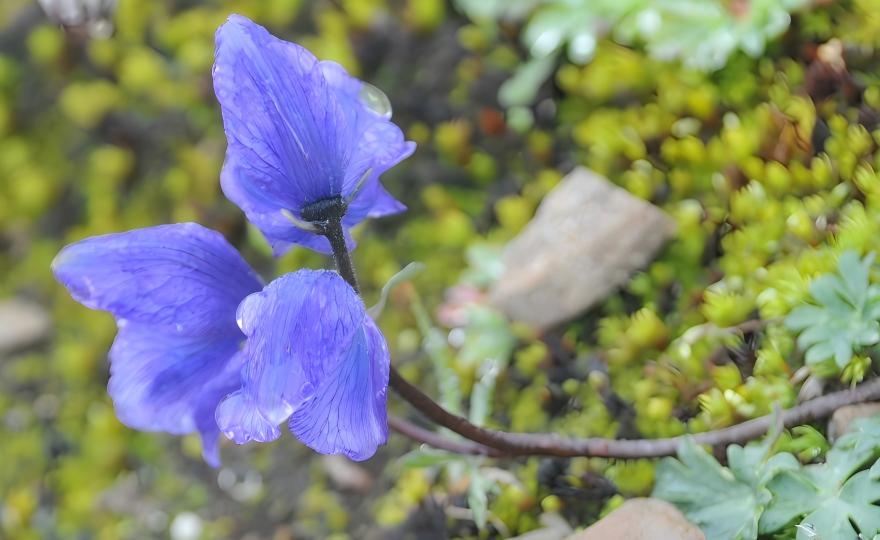
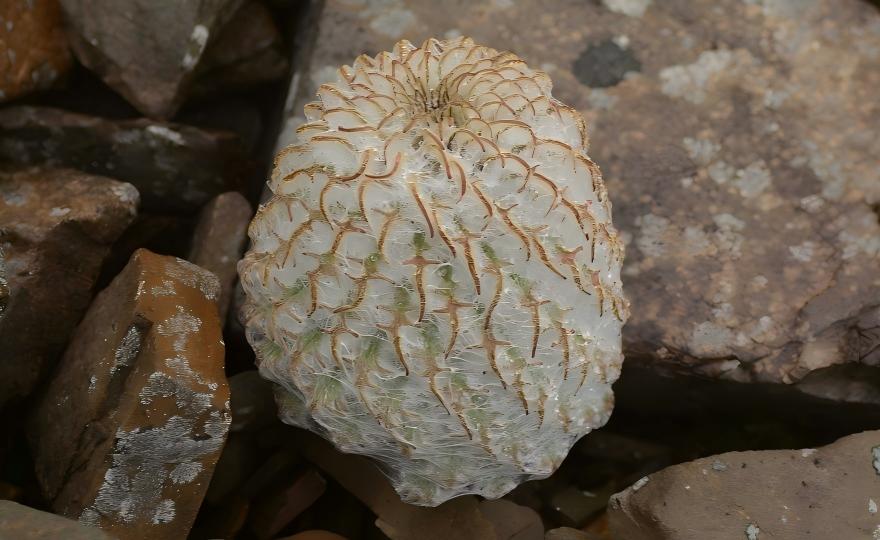
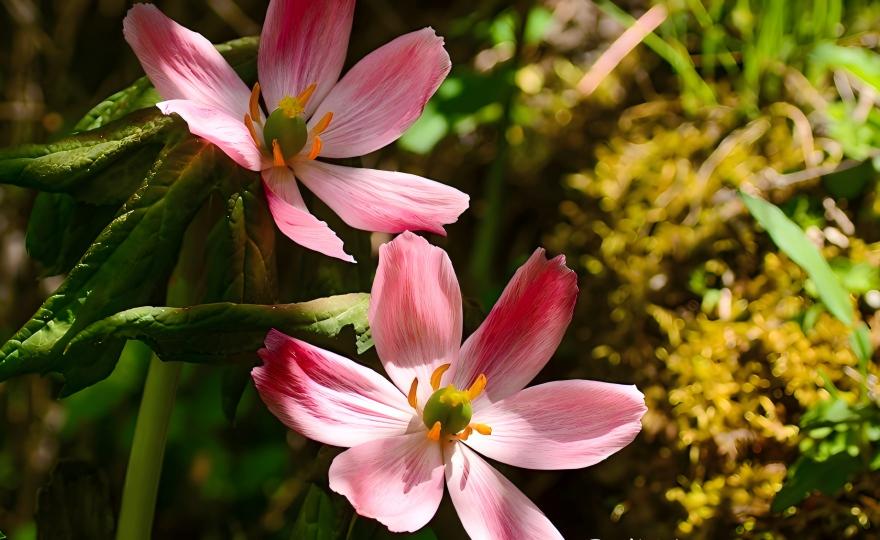
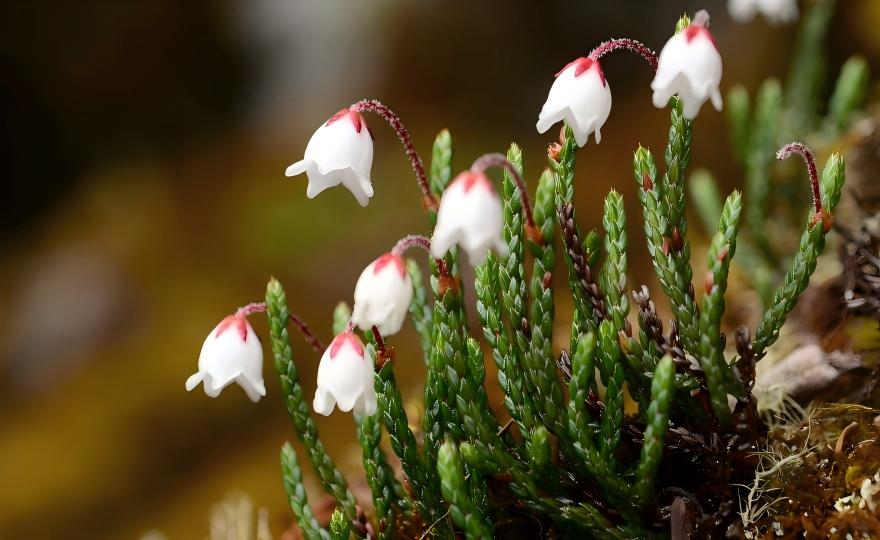
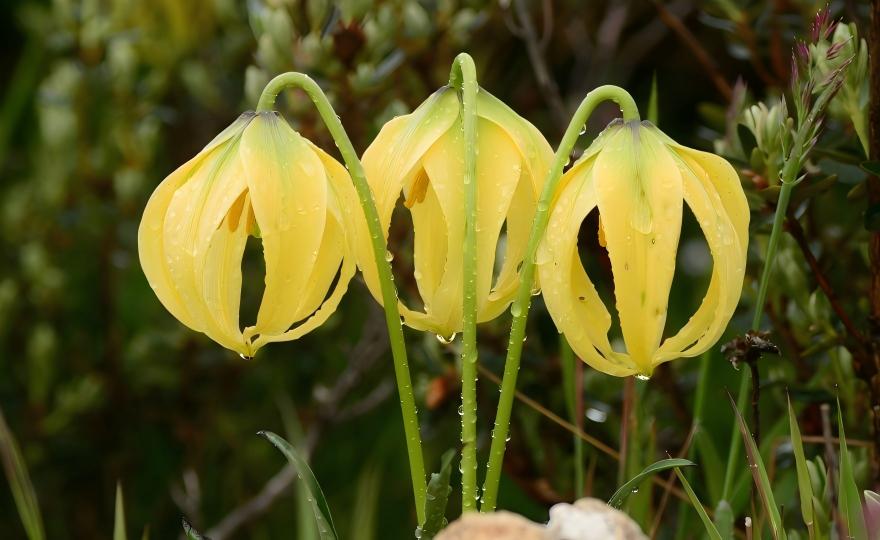
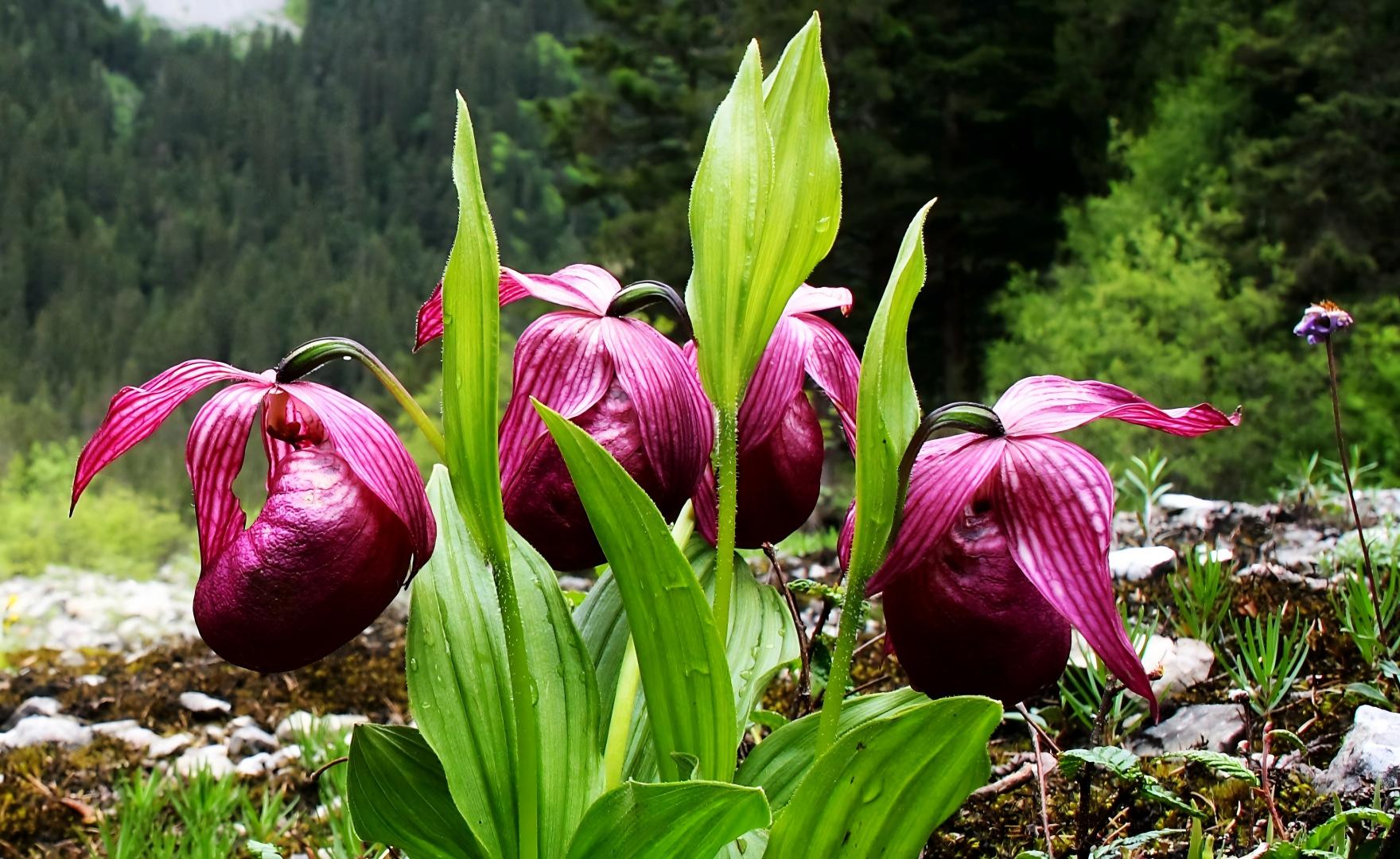
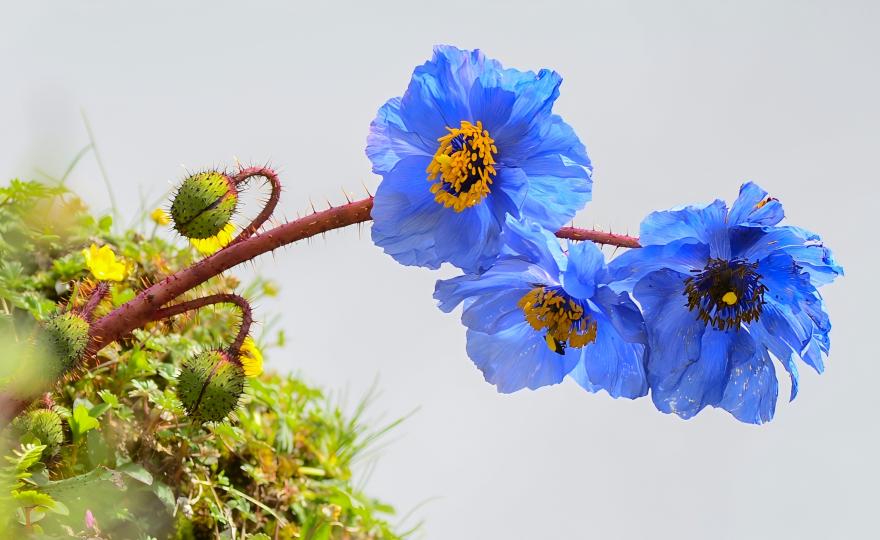
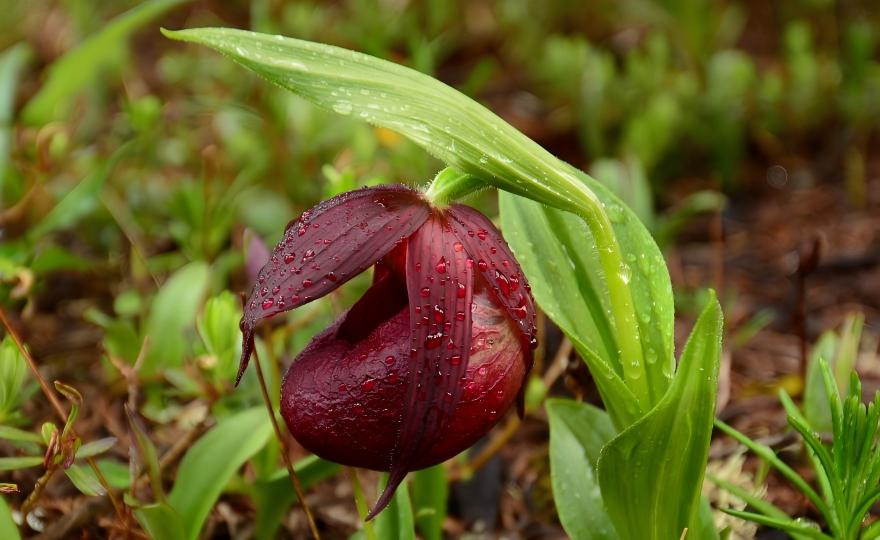
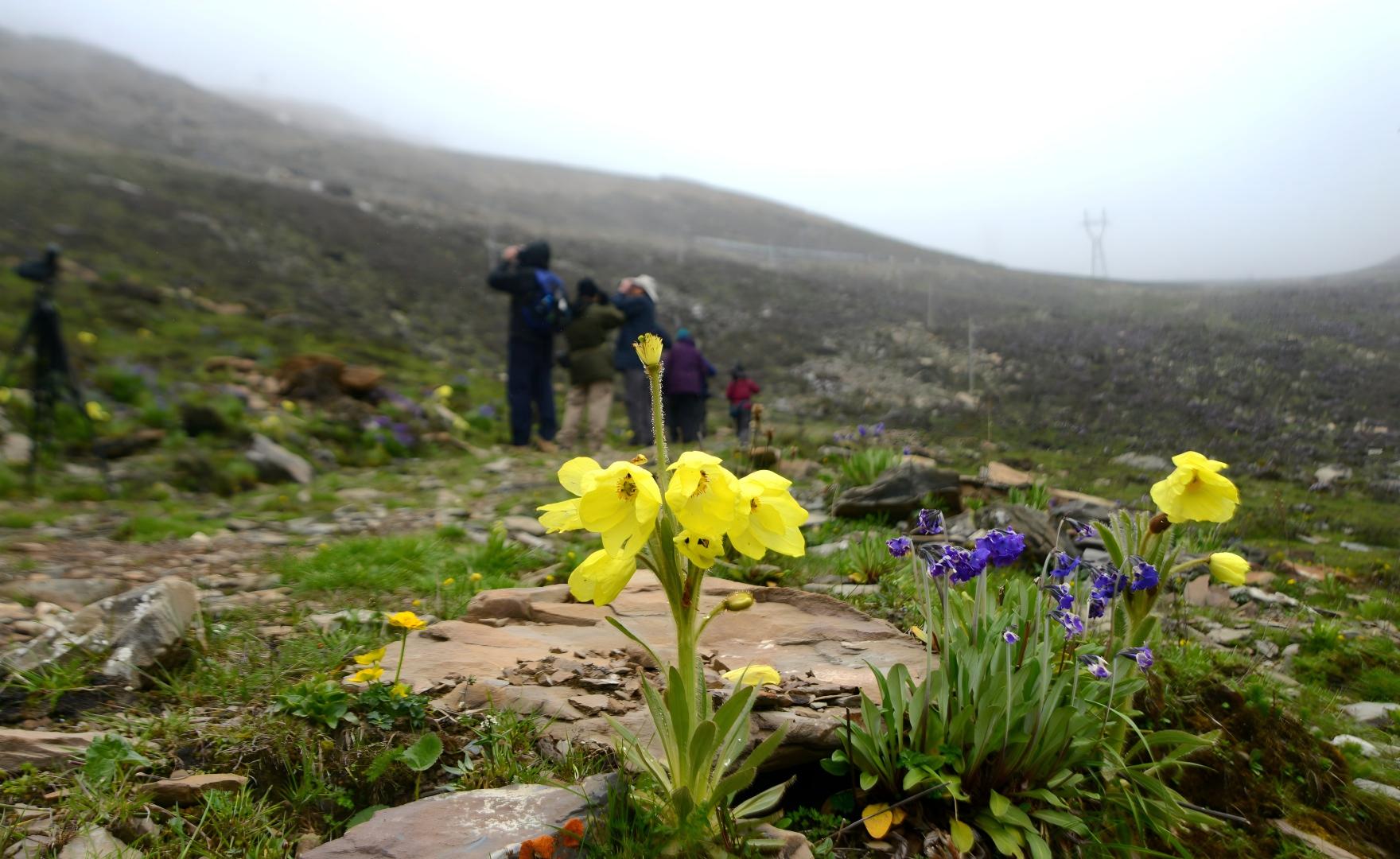
This 9-day Yunnan alpine wildflower tour explores the Hengduan Mountains — a biodiversity hotspot where the Tibetan Plateau meets lush river valleys. Designed for botany enthusiasts, the journey surveys endemic alpine flora across seven vegetation zones, from 2,500m to 4,800m, focusing on iconic species like Himalayan blue poppies (*Meconopsis*), snow lotuses (*Saussurea*), slipper orchids (*Cypripedium*), and golden root (*Rhodiola*).
Ascending from Shangri-La to the wilderness of Meili Snow Mountain and Baima Snow Mountain, the route traverses glacial lakes (Wudi Lake), sacred peaks, and deep gorges (Wenshui Valley), revealing how microclimates shape floral diversity — from rare orchids in birch forests to towering herbs on exposed slopes.
Exclusive access includes remote campsites at Wunongding Pasture (4,800m), visits to the Shangri-La Alpine Botanical Garden (safeguarding 300+ endangered species), and insights into Tibetan ethnobotany. Evenings blend comfort (oxygen-enriched hotels) with wilderness (starlit campsites).
Guided by expert botanists, daily fieldwork combines specimen photography, habitat analysis, and cultural immersion, deepening your understanding of these fragile ecosystems’ resilience to climate change.
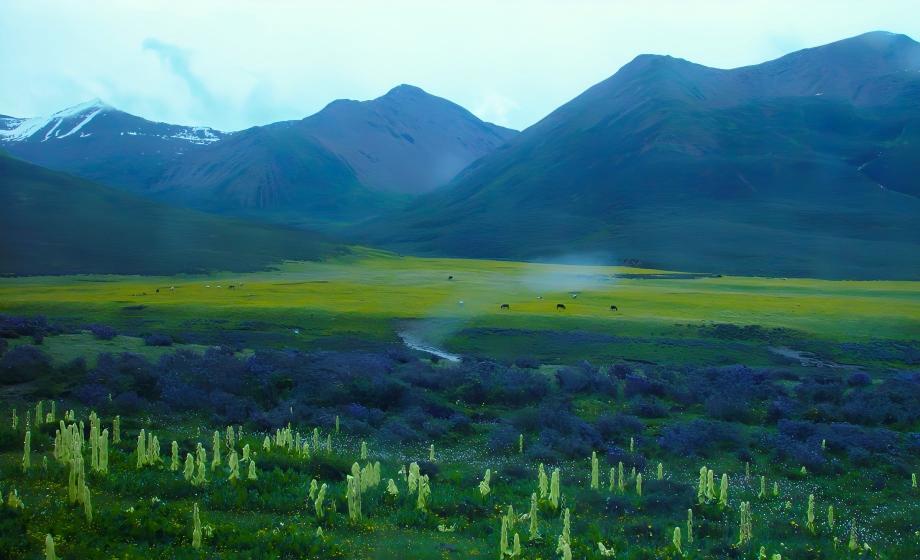
�� 7-Zone Altitude Gradient — Survey endemic alpine flora from 2,500m to 4,800m, covering *Meconopsis*, *Saussurea*, *Cypripedium*, and *Rhodiola* in a single Yunnan botanical tour.
��️ Remote Wilderness Access — Camp at Wudi Lake in the Three Parallel Rivers Protected Area and off-road to Wunongding Pasture (4,800m), teeming with Himalayan blue poppies.
�� Shangri-La Alpine Botanical Garden — Visit the world’s highest botanical garden, safeguarding 300+ endangered species including rare orchids and alpine plants.
�� Cultural & Scientific Immersion — Learn Tibetan ethnobotany from local guides, document floral adaptations through field photography, and witness sacred rituals at Meili Snow Mountain.
⛺ Comfort Meets Adventure — Oxygen-enriched boutique hotels in Shangri-La and Deqin, paired with campfire dinners under starry skies at remote alpine campsites.
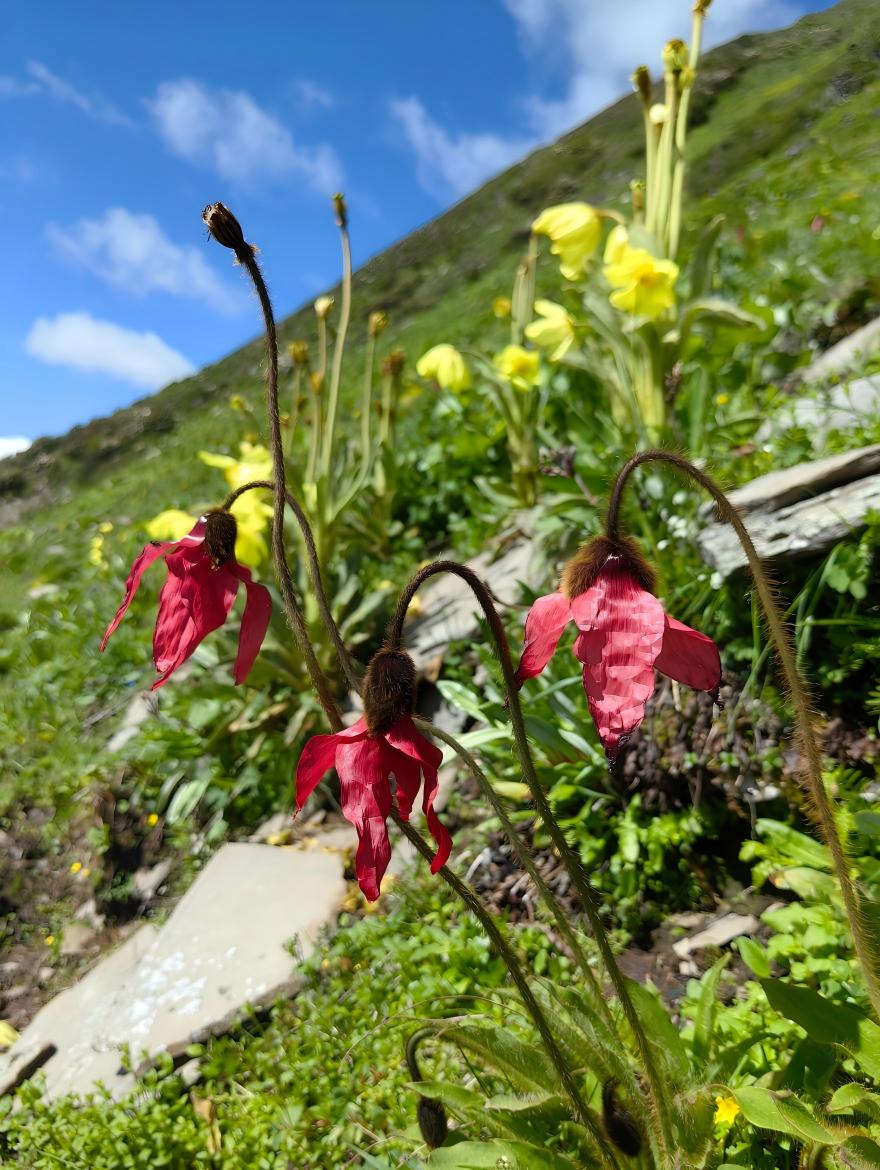
Hengduan Mountains — The World’s Richest Temperate Flora — This region hosts over 12,000 plant species, more than all of Europe. No other China botanical tour covers such density of endemic alpine wildflowers in 9 days.
7 Vegetation Zones in One Trip — From 2,500m birch forests to 4,800m scree slopes, observe how altitude shapes plant diversity in real time — a living lesson in alpine botany.
Remote Access Others Can’t Offer — Camp at Wudi Lake and off-road to Wunongding Pasture (4,800m), sites unreachable on standard Yunnan nature tours or self-drive itineraries.
Expert-Led, Not Self-Guided — Daily plant identification and field photography sessions led by botanists, designed for serious botanical travelers who want to learn, not just look.
Conservation Impact — Visits to the Shangri-La Alpine Botanical Garden directly support endangered species preservation, and a portion of your participation funds local biodiversity initiatives.
Day by day Itinerary
Day 1: Arrival in Shangri-La – Alpine Acclimatization
Touch down in Shangri-La, where your guide greets you for a seamless transfer to your hotel. Spend the afternoon acclimatizing to the altitude amid serene mountain views. At sunset, savor a welcome dinner of hearty Tibetan cuisine, followed by a briefing on the alpine wildflower wonders ahead.
*Overnight: Shangri-La | Meals: Dinner*
Day 2: Bigu Tianchi – Alpine Lake & Rare Flora Discovery
Venture to Bigu Tianchi, a hidden alpine lake cradled by Xiaozhongdian’s peaks. Trek through diverse ecosystems — from village edges to limestone slopes — to spot endemic gems like Rosa praelucens, Lilium apertum, and Cypripedium tibeticum. Encounter rare species such as Meconopsis pseudointegrifolia and Cassiope selaginoides amid jaw-dropping vistas on this Yunnan botanical tour.
*Overnight: Shangri-La | Meals: BLD*
Day 3: Shangri-La Alpine Botanical Garden & Napa Lake
Explore the world’s highest botanical garden, home to 300+ native alpine plants. Later, cruise around Napa Lake, a wetland sanctuary framed by rolling hills. Cap the day with a sunset drive to Deqin, where the sacred Meili Snow Mountain glows in golden light — a scenic highlight of this China wildflower tour.
*Overnight: Deqin | Meals: BLD*
Day 4: Meili Snow Mountain – Himalayan Blue Poppy Spectacle at 4,800m
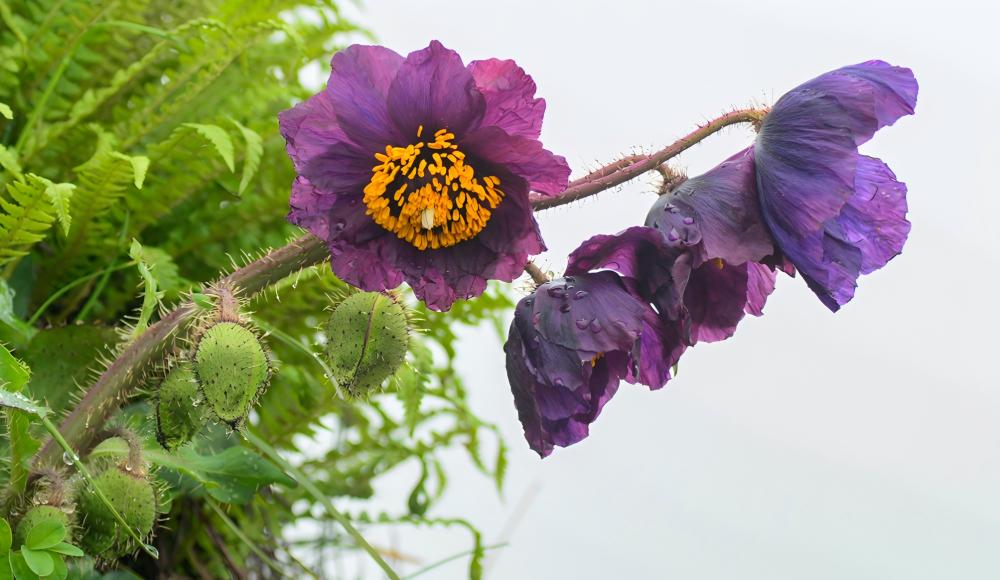
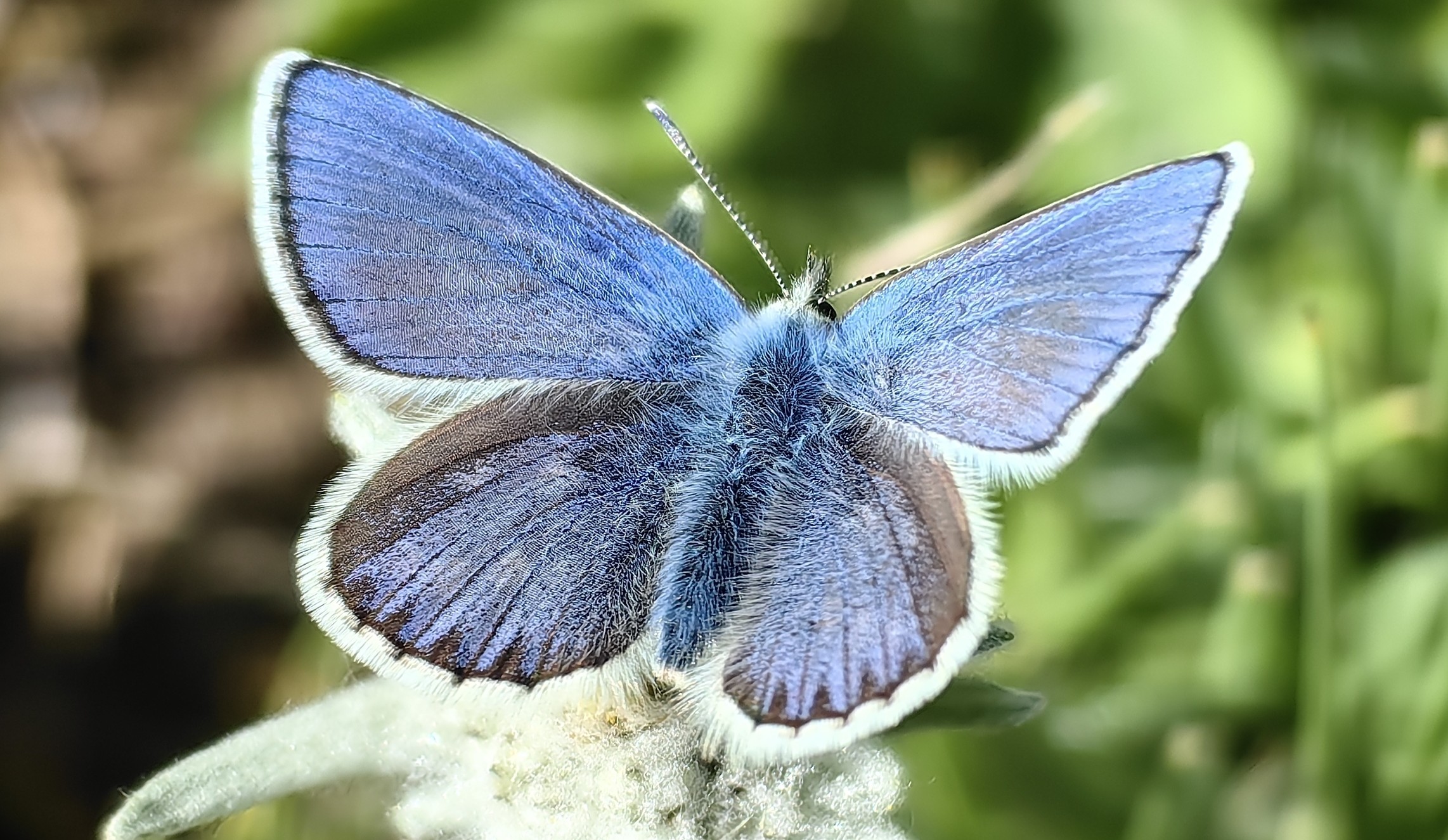
Rise early for a sunrise spectacle over Meili Snow Mountain. Then, off-road to Wunongding’s 4,800m pastures, a haven for Meconopsis species (Meconopsis speciosa, Meconopsis henrici, Meconopsis rudis, Meconopsis pseudovenusta, Meconopsis racemosa and more). Watch for Parnassius epaphus and Parnassius orleans butterflies dancing among blooms — the ultimate alpine wildflower experience on this Hengduan Mountains botanical tour.
*Overnight: Deqin | Meals: BLD*
Day 5: Baima Snow Mountain – Alpine Flora in Extremes at 4,700m
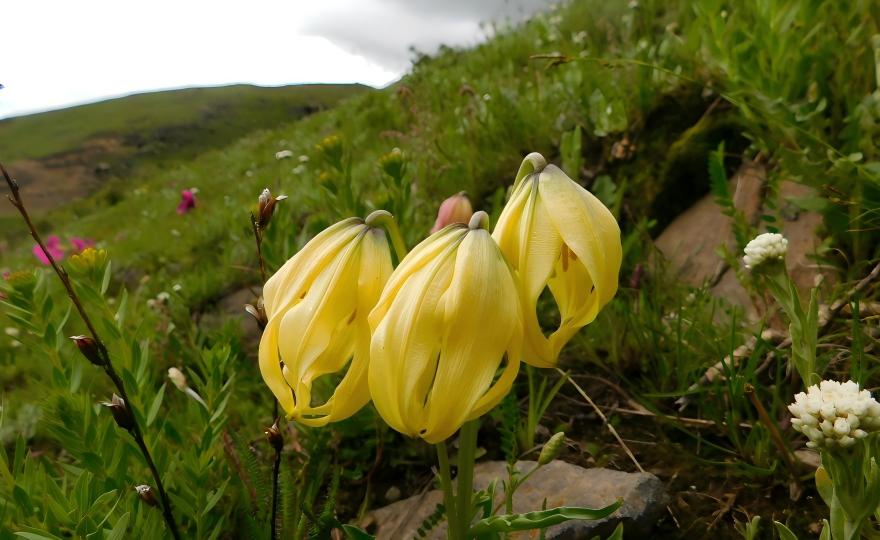
After another Meili sunrise, ascend Baima Snow Mountain’s 4,700m scree slopes. Discover resilient rarities like Rhodiola rosea, Saussurea medusa, Lilium lophophorum, Rhodiola crenulata and Rhodiola fastigiata thriving in harsh rocky terrain — a testament to high-altitude plant adaptations. Return to Shangri-La for a cozy evening.
*Overnight: Shangri-La | Meals: BLD*
Day 6: Hongshan – Three Parallel Rivers Floral Paradise & Wudi Lake Camping
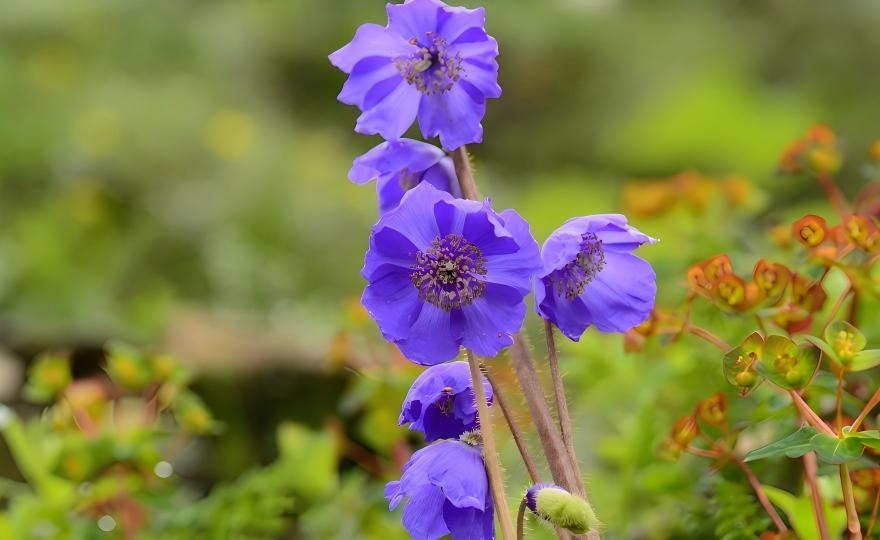
Dive into the Three Parallel Rivers Protected Area, reaching Hongshan’s 4,700m pass. Marvel at Meconopsis lancifolia, Meconopsis integrifolia, Meconopsis venusta, Aconitum pulchellum, Corydalis benecincta and Gentiana arethusae in a floral paradise. Camp under stars at remote Wudi Lake, surrounded by alpine grandeur on this Yunnan plant hunting tour.
*Overnight: Wudi Lake Camp | Meals: BLD*
Day 7: Wudi Lake to Daxueshan – Forest Orchids & Starry Campsite
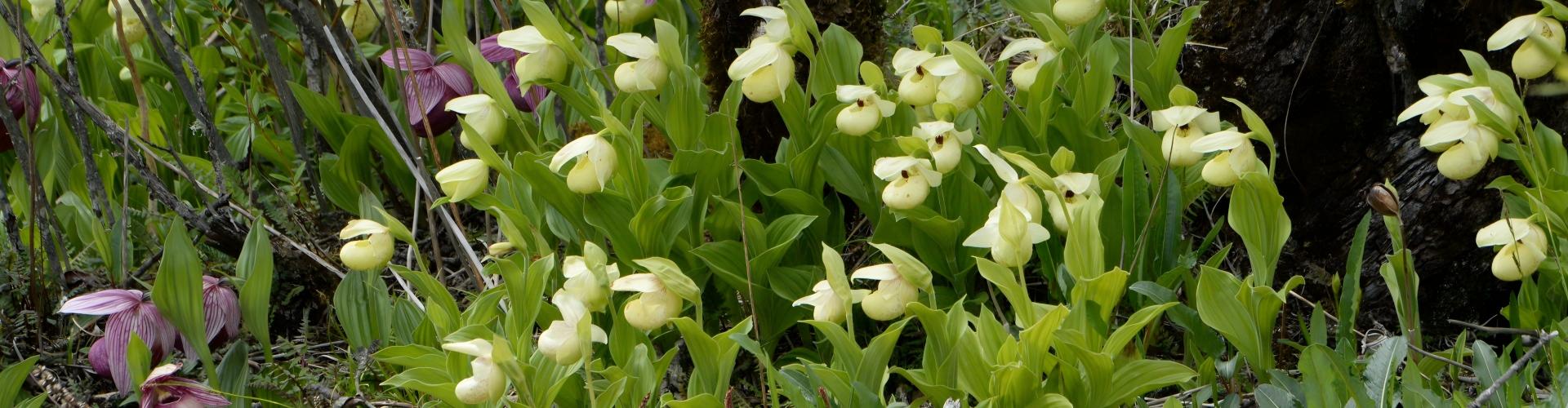
Cross Dilong Snow Mountain Pass into Wenshui Valley, where forests brim with Sinopodophyllum hexandrum, Galearis spathulata, Spiranthes sinensis, Lilium apertum and Cypripedium margaritaceum — a highlight for orchid enthusiasts on this China botanical tour. Camp in Daxueshan’s 3,900m valley and dine by a crackling fire under the Milky Way.
*Overnight: Daxueshan Camp | Meals: BLD*
Day 8: Daxueshan Ridge Hike – Rheum nobile & Return to Shangri-La
Trek Daxueshan’s eastern ridgeline, a stronghold for Rheum nobile, Solms-laubachia pulcherrima, Diapensia himalaica, Potentilla articulata, Soroseris gillii, and vast colonies of Meconopsis integrifolia — showcasing the extraordinary biodiversity of the Hengduan Mountains. After a day of discovery, unwind in Shangri-La’s comfort.
*Overnight: Shangri-La | Meals: BLD*
Day 9: Farewell Shangri-La
After breakfast, transfer to the airport, concluding your unforgettable 9-day Yunnan alpine wildflower tour through the floral kingdom of the Hengduan Mountains.
*Meals: B*
Q&A
Q1: What fitness level is required for this Yunnan alpine wildflower tour?
A: Moderate fitness is recommended. Daily hikes range from 2–6 hours on well-defined trails, with elevation gains up to 800m/day. Some scree-slope scrambling may be required at higher altitudes on this Hengduan Mountains botanical tour.
Q2: How do we handle altitude sickness on this trip?
A: The itinerary includes acclimatization days in Shangri-La (3,280m) and Deqin (3,400m). Oxygen-enriched hotels, hydration reminders, and gradual ascent protocols minimize risks. Guides are trained to identify symptoms and administer aid on all high-altitude botanical tours.
Q3: What’s the best time for alpine wildflower viewing in Yunnan?
A: Late May to early October offers peak blooming seasons. June–July is ideal for Meconopsis and orchids; August–September for late-flowering Saussurea and Gentiana — the prime window for this China wildflower tour.
Q4: Can solo travelers join this China botanical tour?
A: Absolutely — 70% of our travelers join solo. We pair you with roommates of the same gender unless a private room is requested (supplement applies).
Q5: What equipment is provided on this botanical tour in Yunnan?
A: We supply 4WD vehicles, camping gear (tents, sleeping bags), field guides, and photography equipment (binoculars, macro lenses). Personal items like hiking boots and rain jackets are required.
Q6: How does this Yunnan nature tour support conservation?
A: A portion of proceeds funds local conservation initiatives, including the Shangri-La Alpine Botanical Garden. We follow Leave No Trace principles and limit group size to 4–8 to reduce ecological impact.
Q7: What meals are included on this Hengduan Mountains tour?
A: All meals (B/L/D) are included, featuring Tibetan and Yunnanese specialties like yak butter tea, tsampa (roasted barley), and wild mushroom hotpots. Vegetarian options are available.
Q8: What’s the group size for this alpine botanical tour?
A: Small groups of 4–8 travelers ensure personalized attention from botanist guides and minimal environmental disruption.
Thanks for helping us to fill the following form about your personal preferences. This information you provide can help us to plan the best trip especially for you.




Copyright © 2026 • China Wildlife Tour All Rights Reserved Safari in Cina
 中文
中文