
(+86)133 8819 6153
info@chinawildlifetour.com

Price from $ 3188 for group of 4-8 pax May 25, 2027
Overview
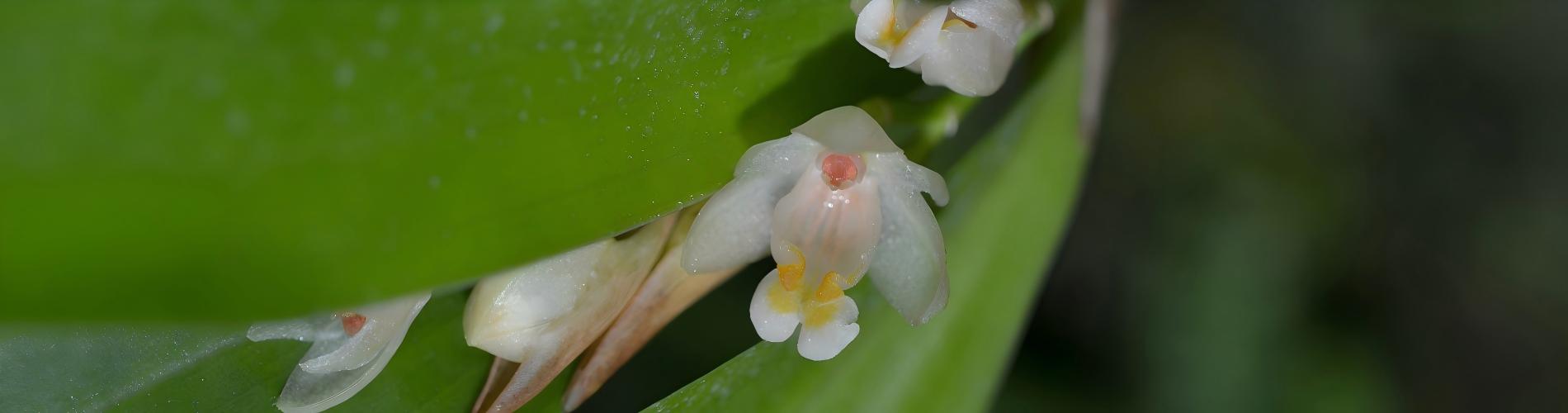
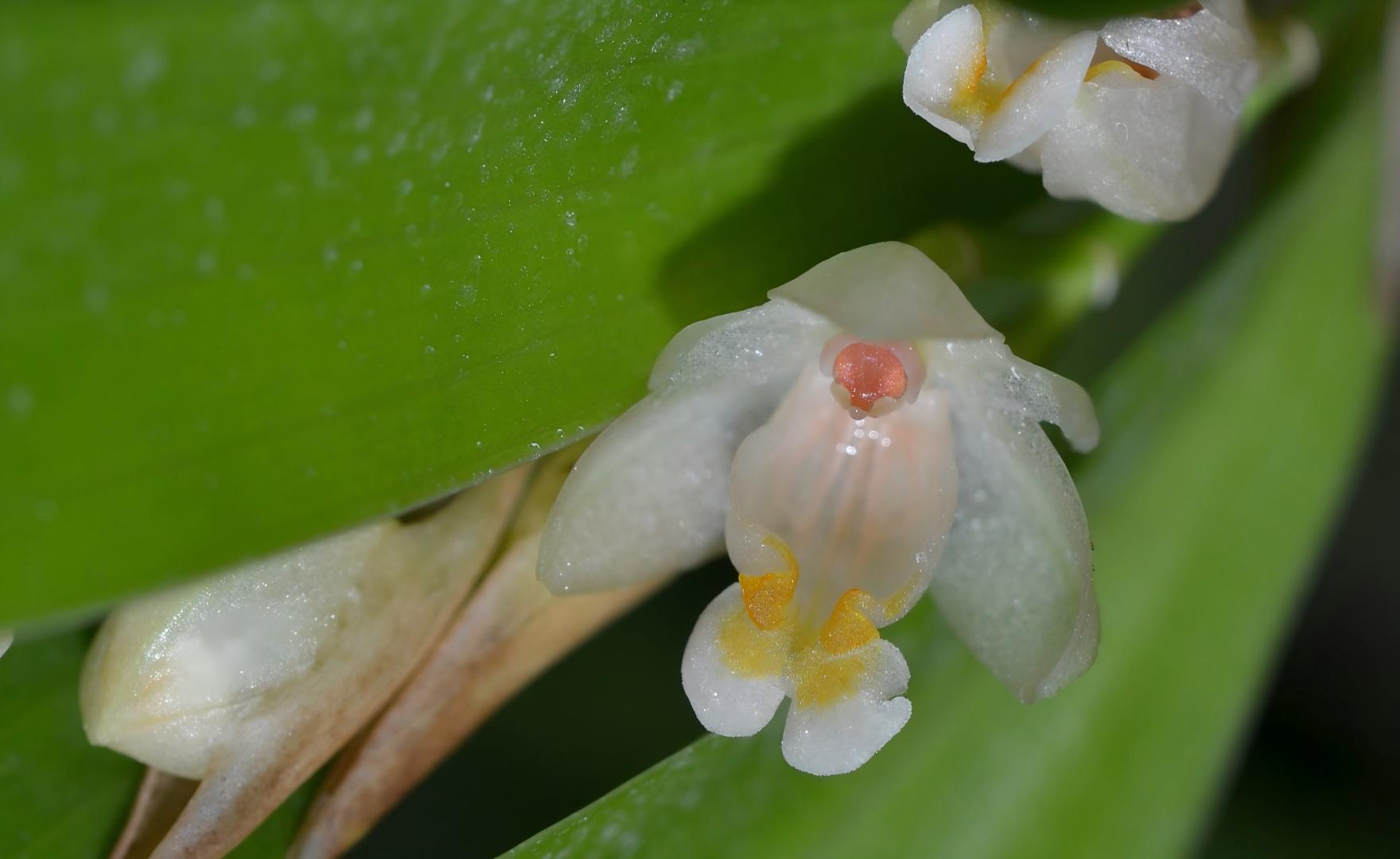
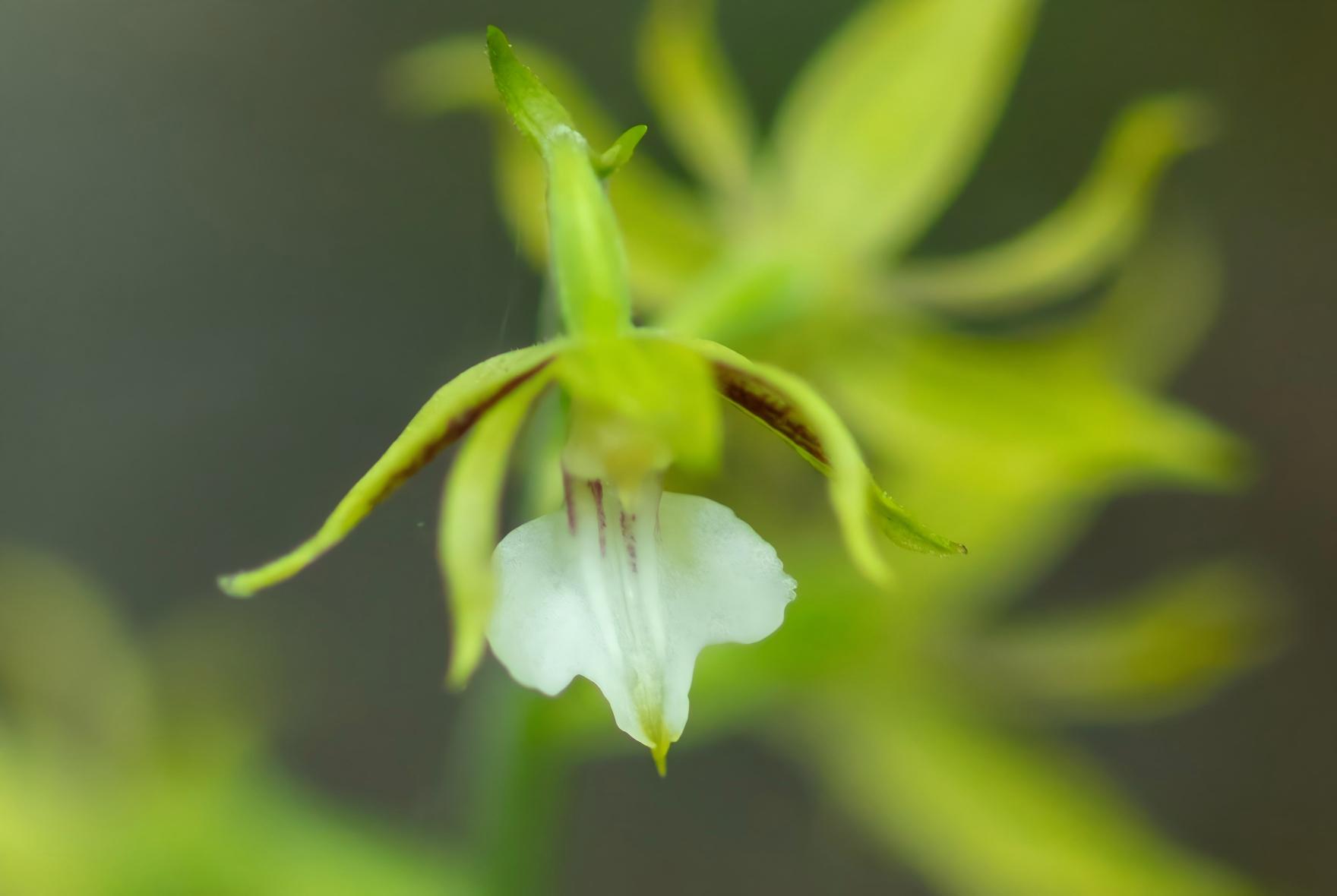
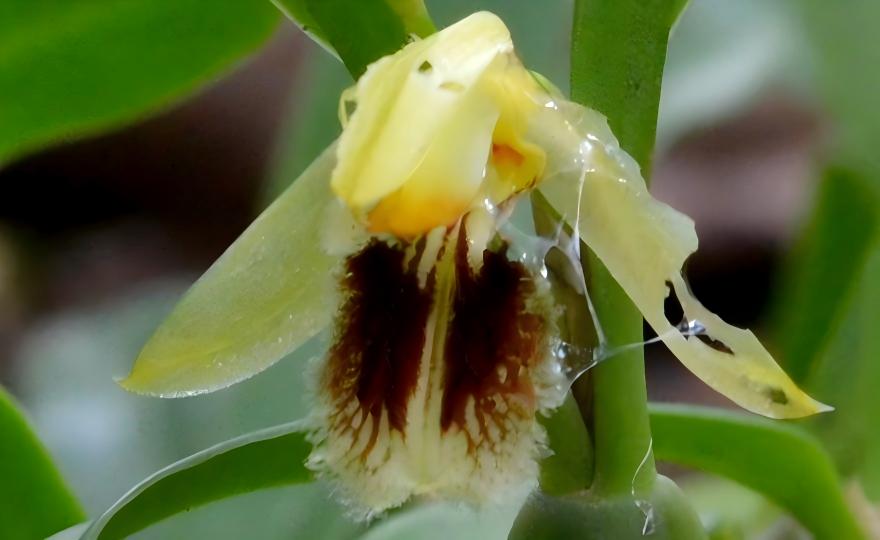
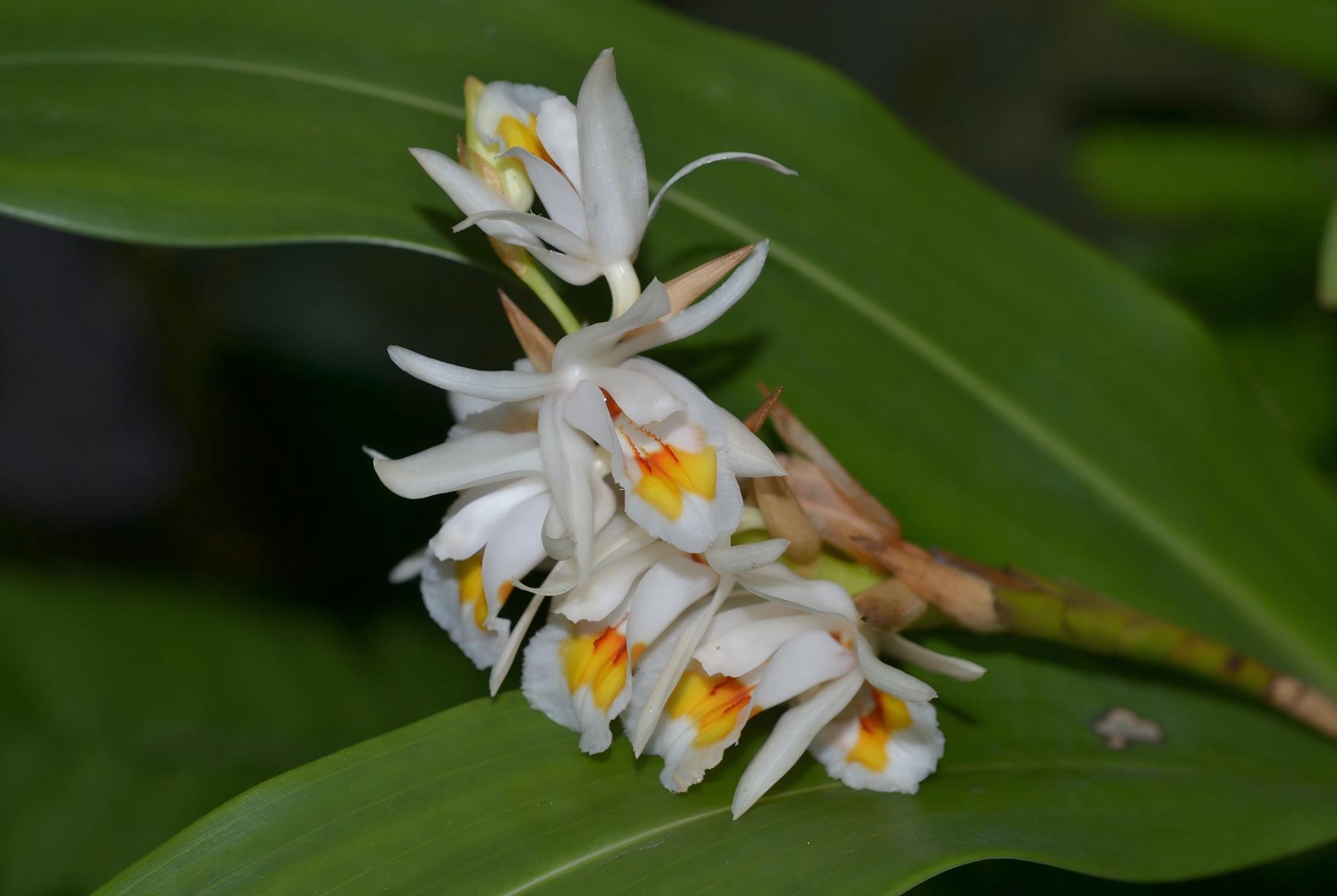
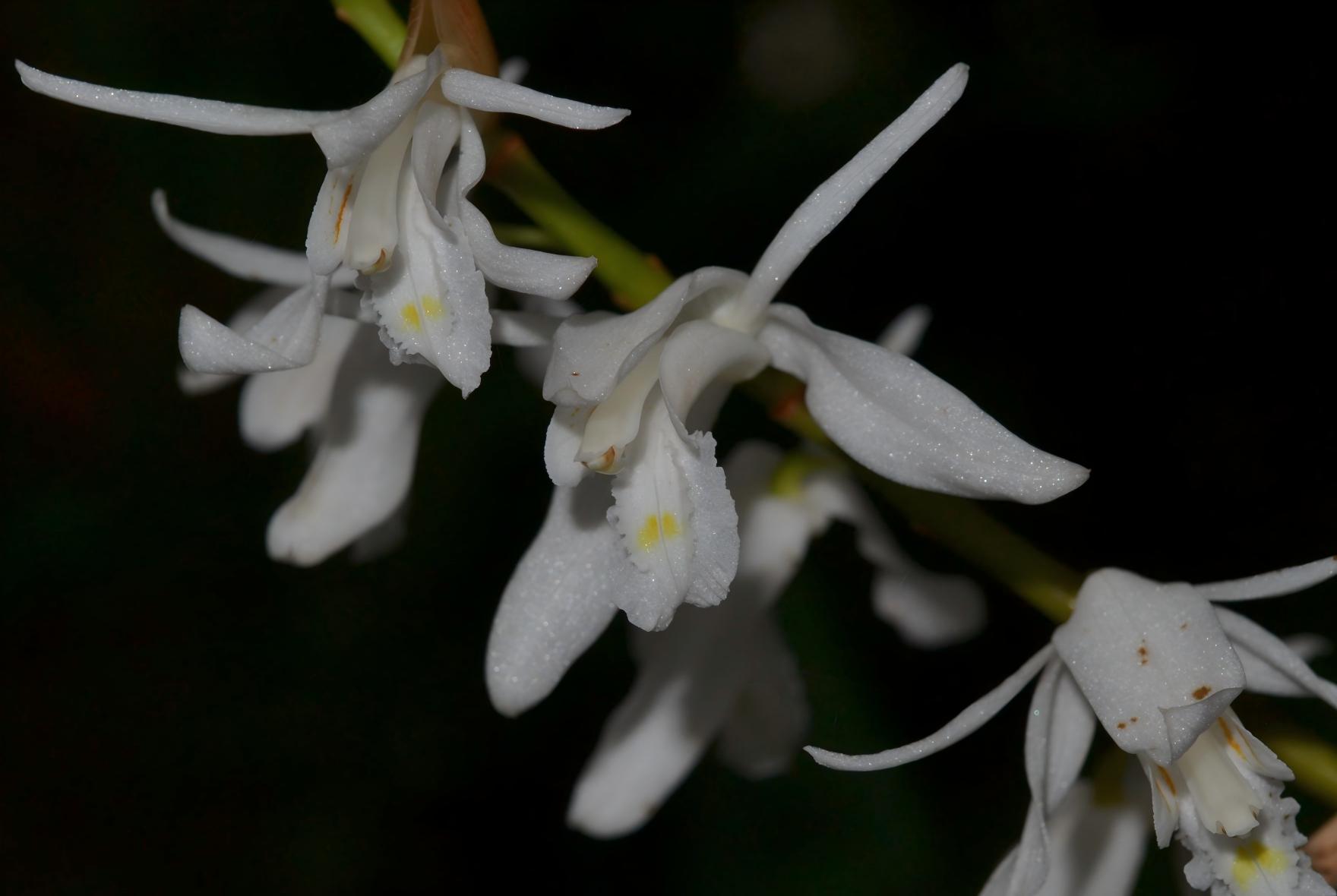
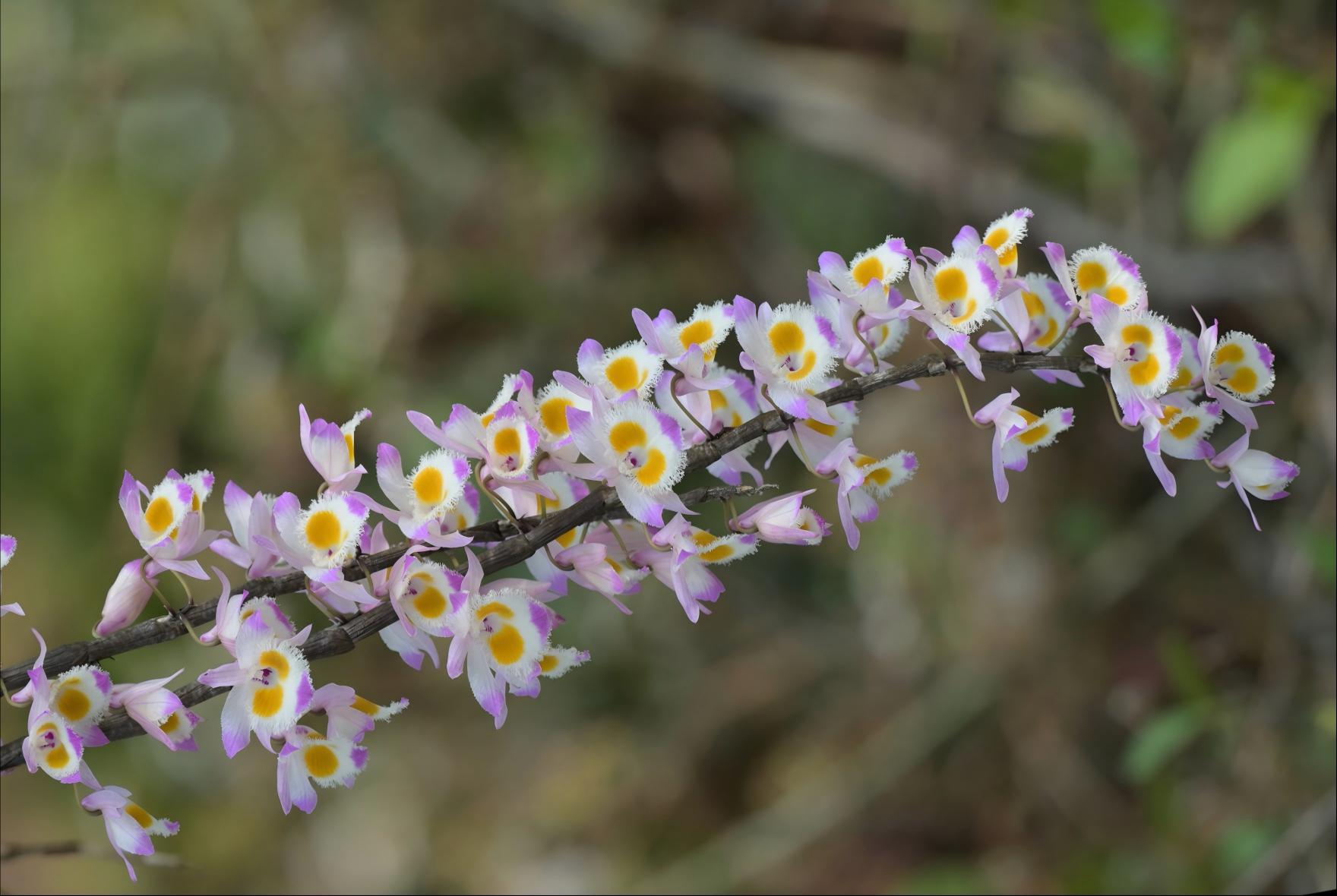
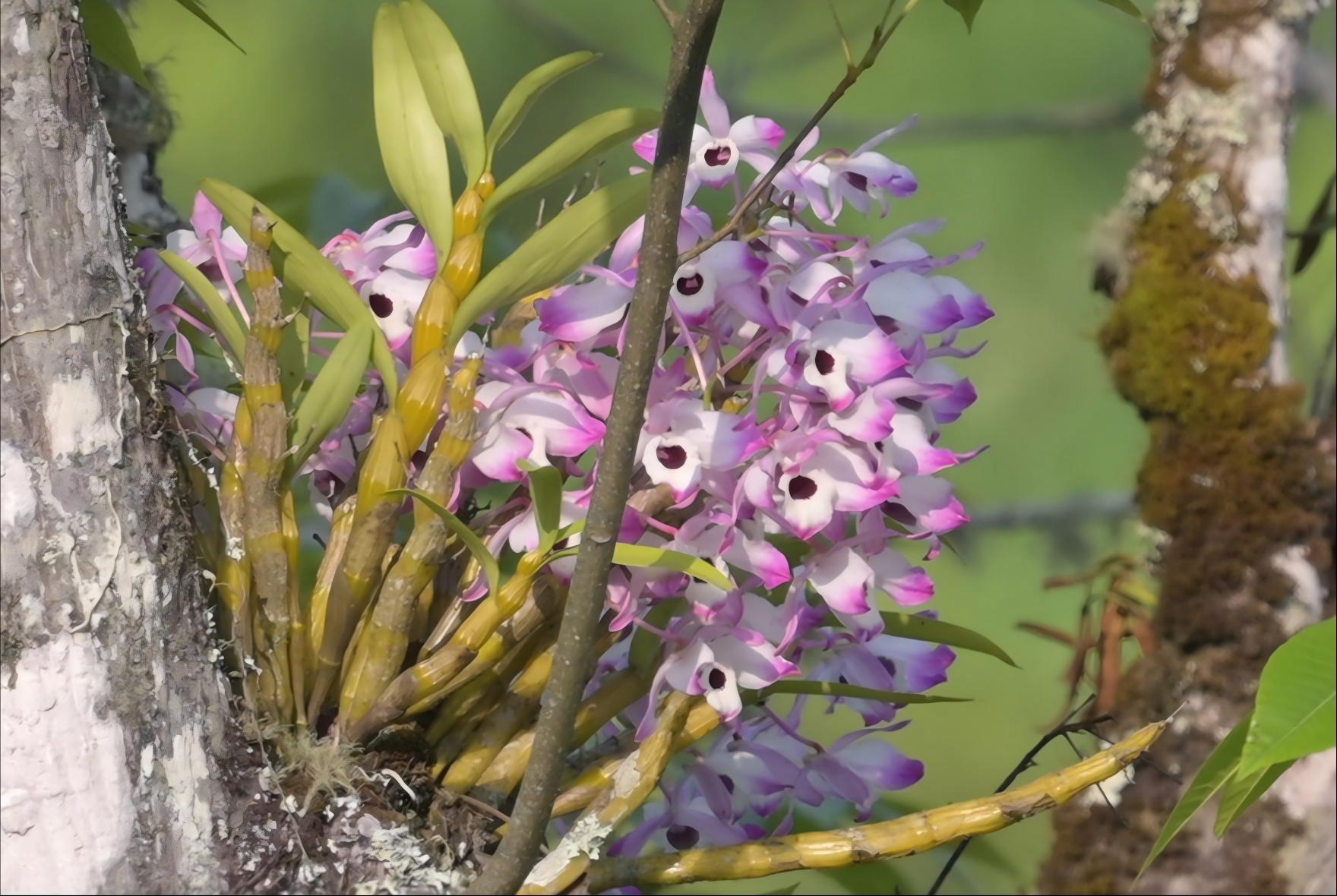
Embark on an 11-day botanical tour through the limestone karst landscapes of Guizhou and Guangxi, China. This guided orchid-focused journey traverses UNESCO-linked karst peaks, sky-pits, and canyon waterfalls to discover 100+ orchid species including endemic Coelogyne, Dendrobium, and Calanthe. From limestone cliff orchids to ancient cycad forests, experience China’s most biodiverse karst “bloomscape” — where rare flora meets Miao and Bouyei cultural heritage.
Highlights
World-Class Karst Orchid Corridor
· Explore 3 UNESCO-linked sites: Fanjing Mountain, Maolan Biosphere Reserve, and Huanjiang Karst
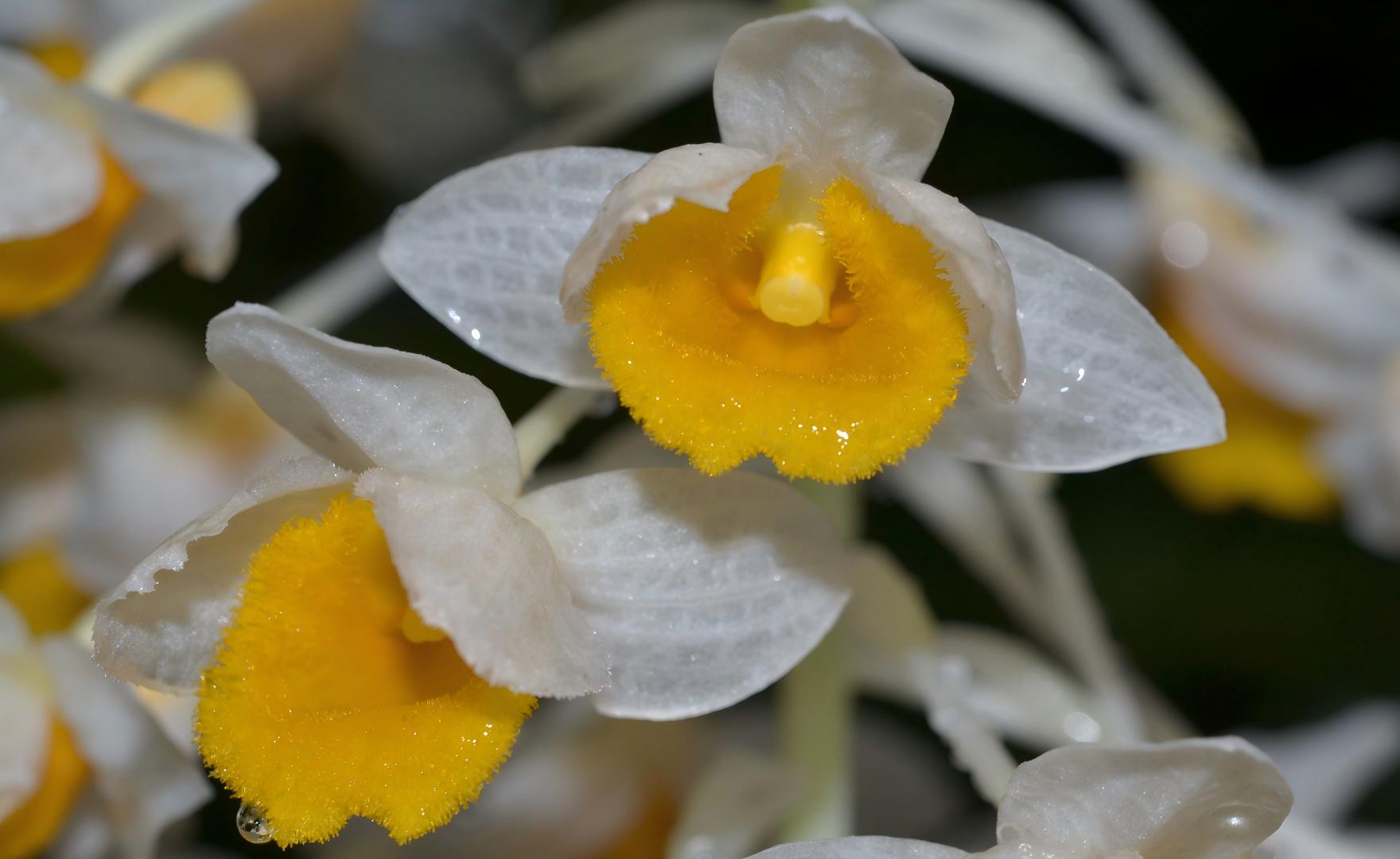
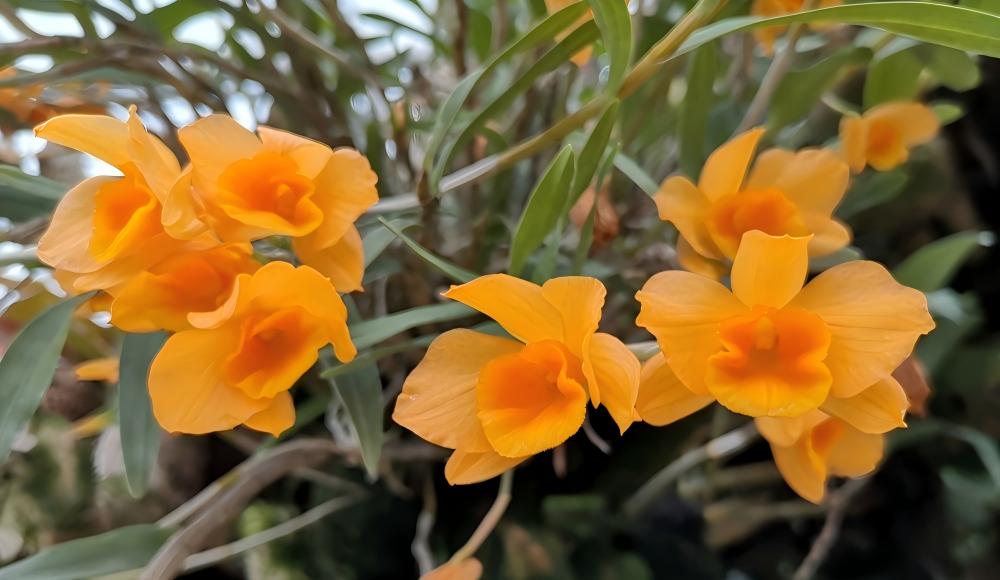
· Track 100+ orchid species: Coelogyne fimbriata, Dendrobium thyrsiflorum, Calanthe tricarinata, and Pholidota articulata
· Discover endemic flora: Guizhou Golden Monkey habitat, China’s largest Fagus longipetiolata forest, and rare Taxus populations
· Among the highest orchid species count of any single-route tour in southern China.
Geological Wonder Theater
· Traverse 4 karst formations: peak-cluster depressions (Maolan) → canyon waterfalls (Malinhe) → sky-pit clusters (Dashiwei) → calcite waterfalls (Huangguoshu)
· Uncover karst ecology: limestone cliff orchid microhabitats, hanging calcite formations, and vertical ecological gradients
· Four distinct karst formations in one journey, unmatched by any other botanical itinerary.
Cultural Heritage Trail
· Miao Village: silver-smithing workshops and ethnic dance in Xijiang Miao Village
· Buddhist heritage: ancient tree conservation at Fanjing Mountain temples
· Bouyei culture: traditional plant-dye workshops in Xingyi
· Go beyond flowers to understand the people who have lived alongside these karst landscapes for centuries.
Daily Itinerary
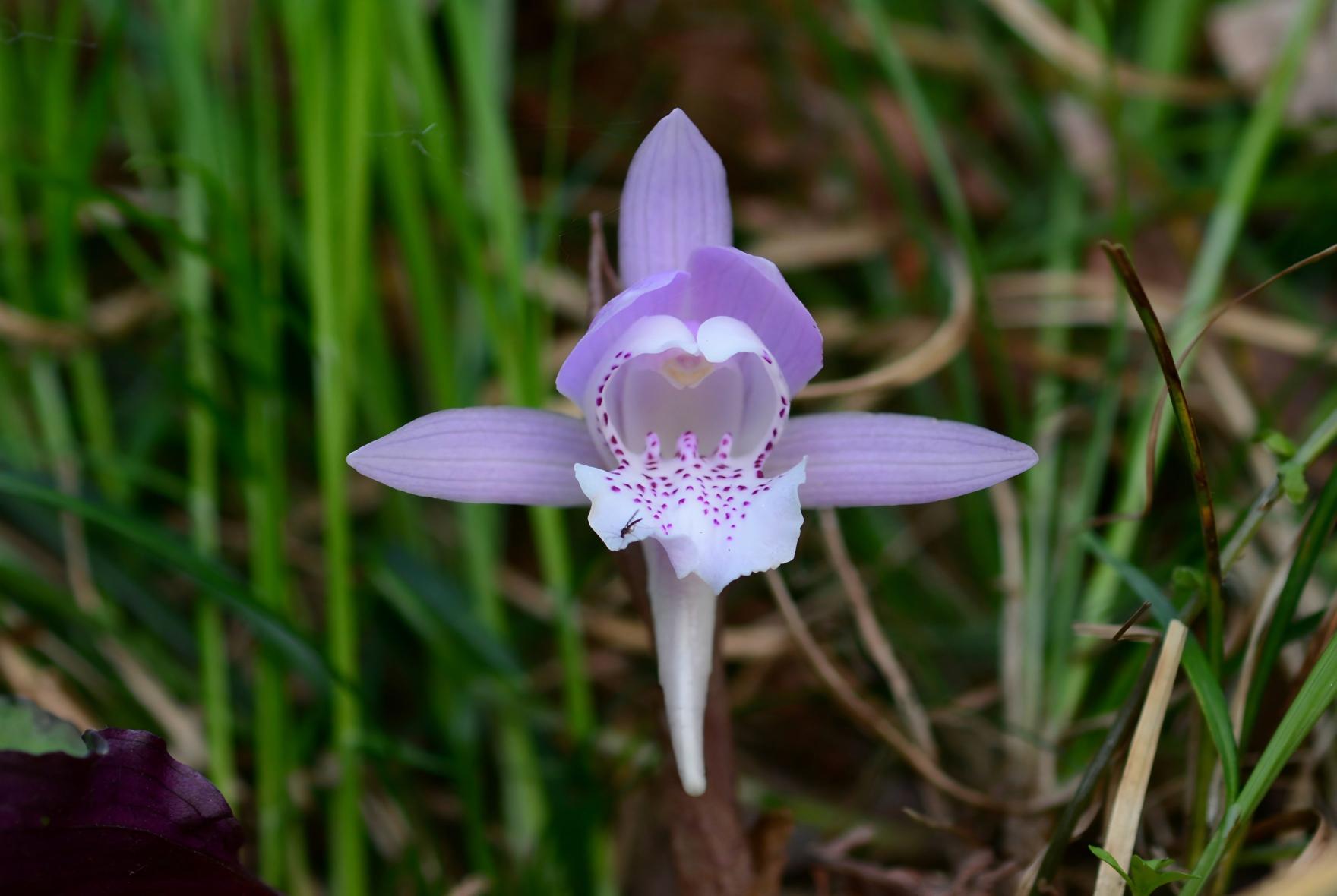
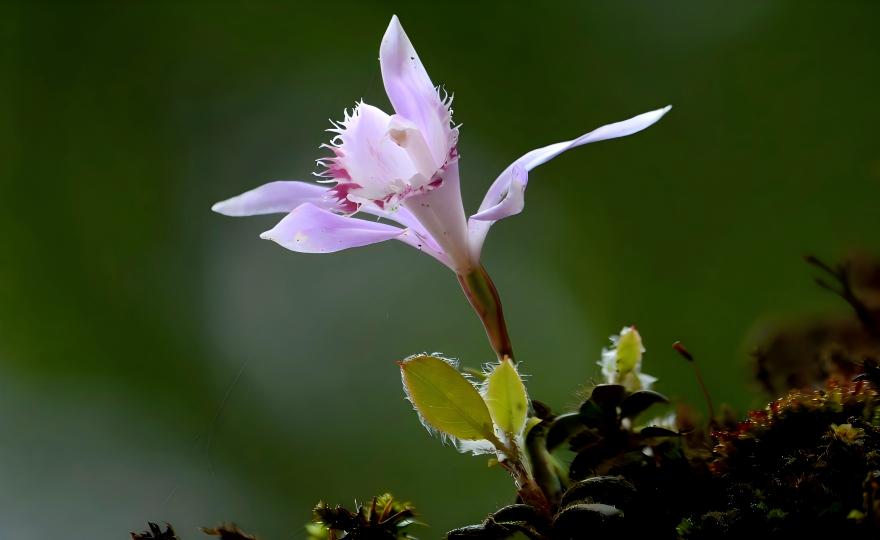
Morning: Depart Guiyang (4h drive). En-route briefing on karst geology and 11-day survey objectives. Brief stop at a limestone outcrop for first calcareous flora encounter (*Pyrrosia* spp., *Pleione* spp.).
Afternoon: Check-in. Introductory valley walk (~1,200m): low-altitude calcicolous orchids (*Calanthe tricarinata*, *Goodyera* spp.) and lithophytic ferns. Introduction to vertical vegetation zonation.
Highlight: Acclimate to montane climate while observing the first vegetation gradient from valley floor to ridge crest.
Accommodation: Fanjing Mountain base hotel (3-star) | Meals: L / D
Morning: Cable car to Mushroom Stone (~2,200m). Survey high-altitude endemics: *Abies fanjingshanensis* (CR), *Dendrobium fanjingshanense*, dwarf rhododendrons. Potential Guizhou Golden Monkey sighting.
Afternoon: Ecological descent documenting three vegetation zones:
· 2,000–2,200m: *Fagus lucida* forest with epiphytic orchids
· 1,500–2,000m: Broadleaf evergreen belt (*Castanopsis*, *Lithocarpus*) with *Cymbidium* spp.
· 1,200–1,500m: Shrub-grassland with *Gentiana* and *Primula*
Highlight: Witness karst ecosystem stratification from subtropical base to temperate summit in a single day.
Accommodation: Fanjing Mountain base hotel (3-star) | Meals: B / L / D
Morning: Final Fanjing survey: limestone cliff-face flora (*Luisia* spp., *Cheirostylis* spp.) and riparian calcareous wetland plants (*Orychophragmus violaceus*).
Afternoon: Drive to Xijiang Miao Village (3.5h). Explore *diaojiaolou* architecture and observe Miao agro-biodiversity: medicinal herb gardens, indigo dye plants (*Strobilanthes cusia*), and household fruit trees.
Evening: Miao Long-Table Banquet with traditional rice wine toasts.
Highlight: Understand how Miao traditional knowledge preserves karst biodiversity through sustainable forest use.
Accommodation: Xijiang guesthouse (traditional *diaojiaolou*) | Meals: B / L / D
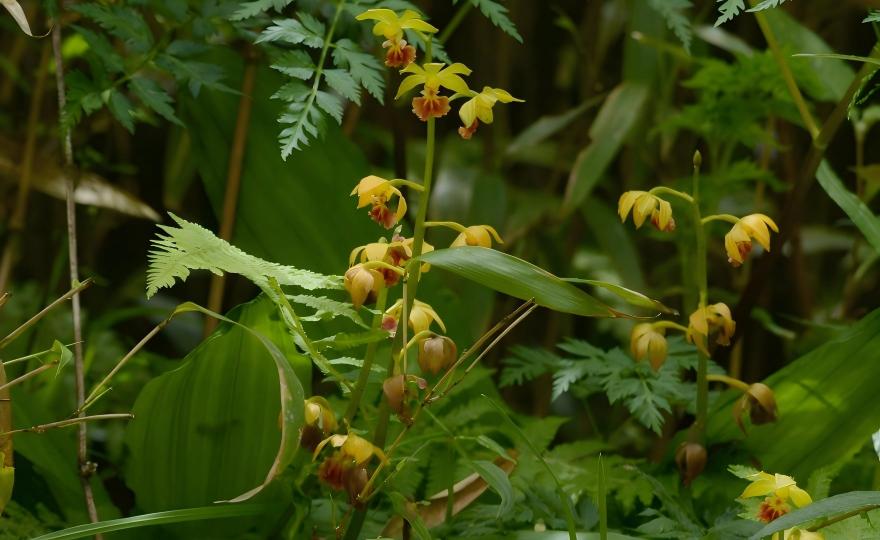
Morning: Dawn walk through Xijiang terraced fields — observe paddy-field calcareous herbs and pollinator interactions.
Afternoon: Enter Maolan karst funnel system. Target species:
· Hard-Leaf Slipper Orchid *Paphiopedilum micranthum* — limestone cliff specialist
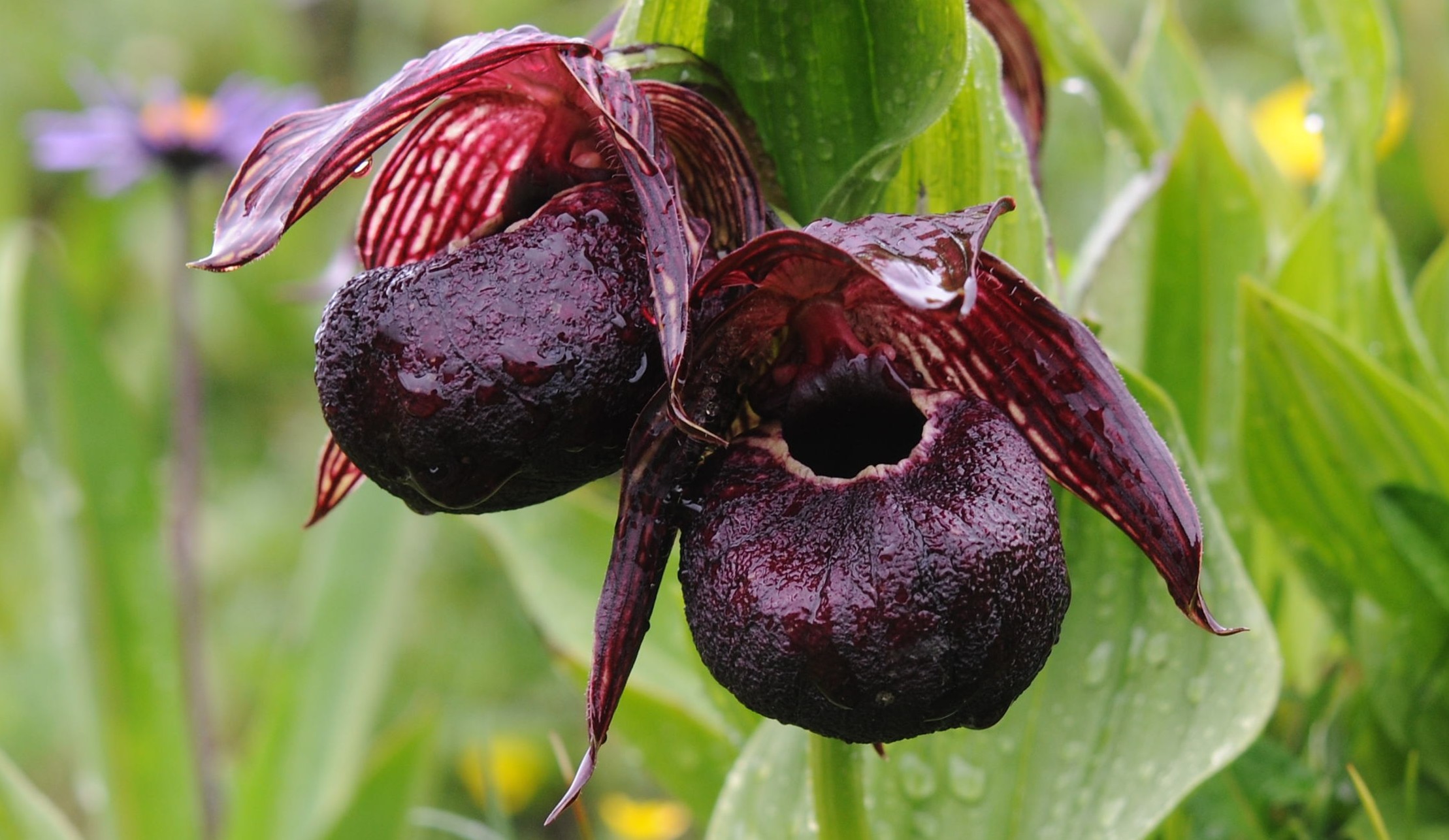
· Purple-Haired Slipper Orchid *Paphiopedilum barbigerum* — epiphytic on karst outcrops
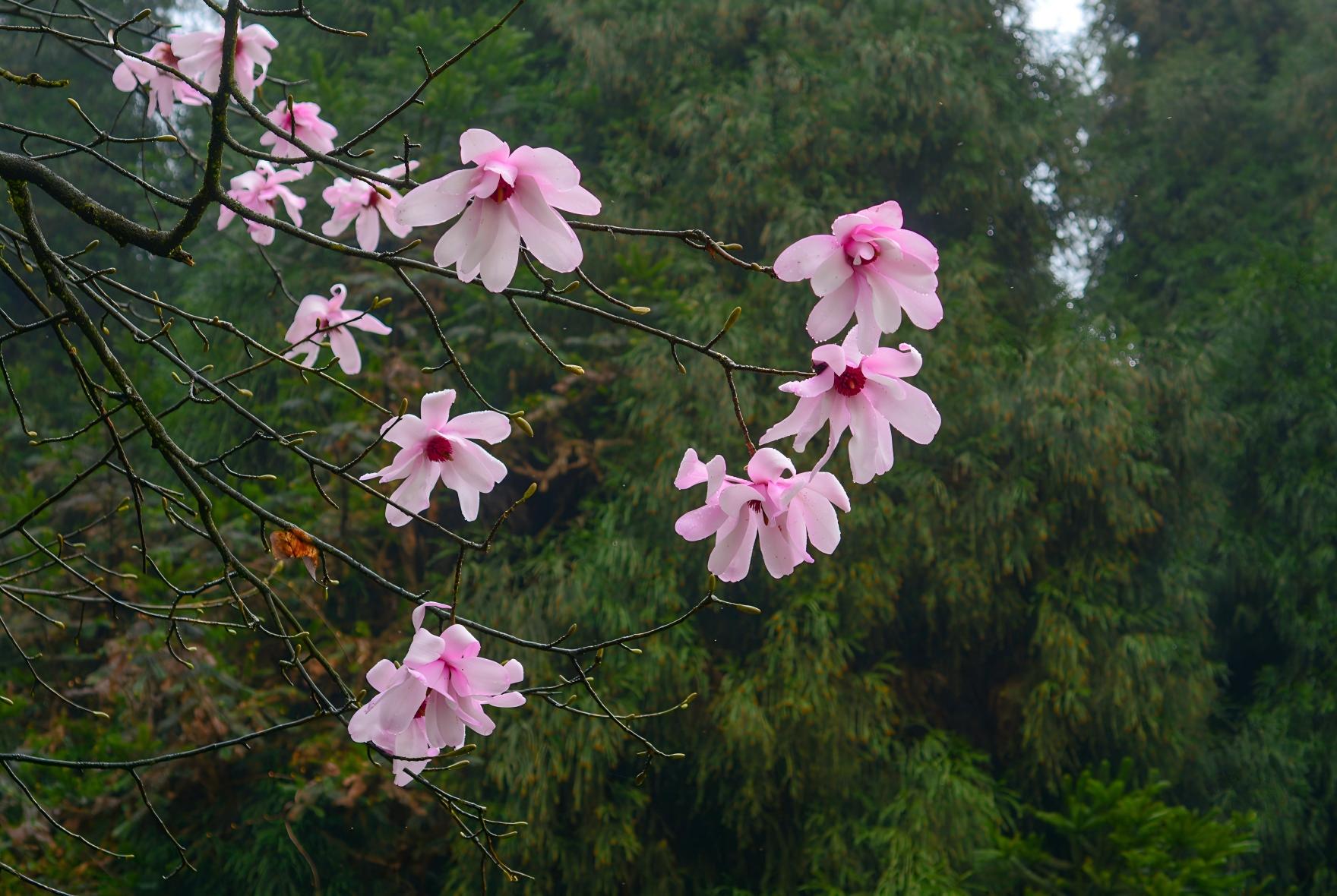
· Single-Flower Magnolia *Woonyoungia septentrionalis* (CR)
· Yunnan Yew *Taxus wallichiana*
Study epiphytic/lithophytic orchid adaptations in peak-cluster depressions.
Highlight: A “botanical time capsule” — Pleistocene relict flora surviving in limestone micro-refugia.
Accommodation: Maolan guesthouse (2-star) | Meals: B / L / D
Full Day: Explore Xiaoqikong (UNESCO World Heritage). Document subtropical riparian flora amid turquoise waters and karst waterfalls:
· Crested Coelogyne *Coelogyne cristata* — on mossy boulders above waterfalls
· Calanthe Orchid *Calanthe discolor* — in shaded limestone gullies
· Spray-zone bryophyte-orchid communities at 68-Level Waterfall
Highlight: Where karst hydrology creates microclimates that nurture orchids impossible to find elsewhere.
Accommodation: Libo town hotel (3-star) | Meals: B / L / D
Morning: Drive to Du’an, Guangxi (4h). Observe transition from Guizhou peak-cluster karst to Guangxi tower karst.
Afternoon: Karst river valley survey targeting:
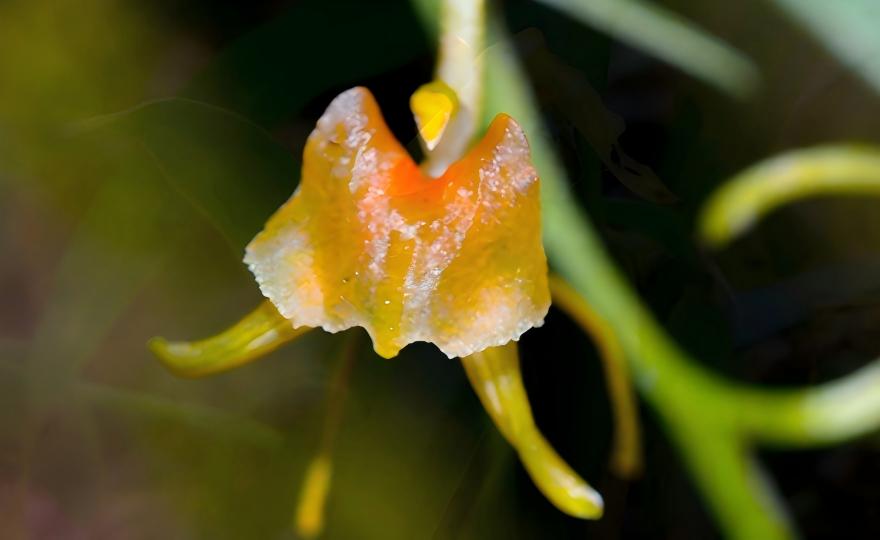
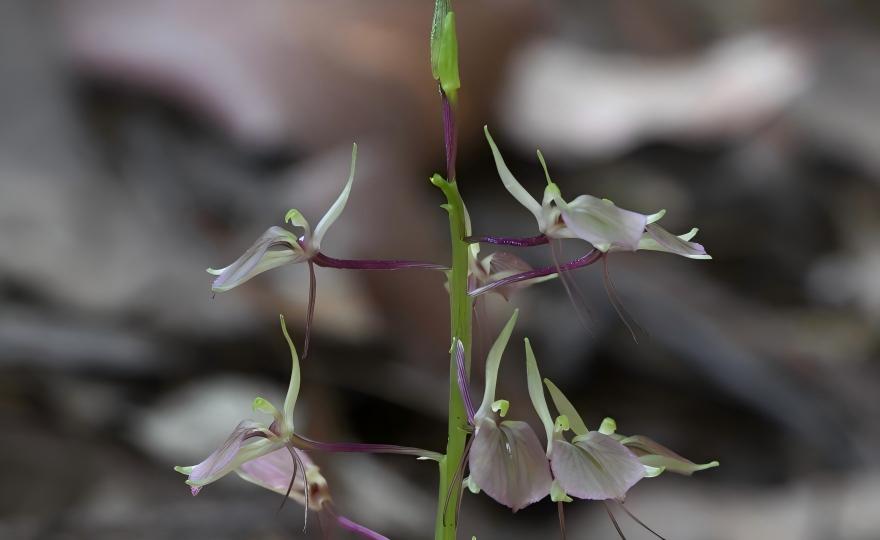
· Sheep-Ear Orchid *Liparis* spp. — on cliff faces above river
· Cleisostoma Orchid *Cleisostoma* spp. — epiphytic on riverine *Ficus* trees
· *Pellionia* spp. in karst seepage zones
· Discussion with local conservation staff on community orchid protection
Highlight: River corridors as “green highways” for calcareous orchid dispersal across arid limestone landscapes.
Accommodation: Du’an hotel (3-star) | Meals: B / L / D
Morning: Drive to Leye (4h). En-route lecture: Dashiwei sky-pit geology and vertical survey methodology.
Afternoon: Karst valley field survey targeting Rock-Peach Orchid *Pholidota* spp. and Coelogyne Orchid *Coelogyne* spp. Practice climbing-assisted observation for cliff-face flora. Compile species checklist for D8.
Highlight: Build field skills for tomorrow’s vertical ecological assessment.
Accommodation: Leye hotel (3-star) | Meals: B / L / D
Full Day: Descend into Dashiwei Sky-Pits (depth ~613m). Document vertical zonation:
· Rim (1,000–1,100m): Xerophytic shrubs (*Vitex*, *Ziziphus*)
· Upper Slopes (800–1,000m): Deciduous forest with *Celtis*, *Pteroceltis*
· Mid Slopes (500–800m): Evergreen forest with *Dendrobium*, *Bulbophyllum*
· Pit Floor (~500m): Fern valley — *Cyathea* (tree ferns), *Pleione*, *Goodyera*, *Ludisia*
· Cave Entrance: *Paphiopedilum* spp. and bryophyte communities
Highlight: A “botanical island” where species have evolved independently for millennia — biodiversity found nowhere else on Earth.
Accommodation: Leye hotel (3-star) | Meals: B / L / D (field lunch)
D9: Leye → Xingyi — Orchid Treasure Hunt
Morning: Drive to Xingyi (4h). En-route: geology of Malin River and Huangguoshu formation.
Afternoon: Xingyi karst peak survey — a biodiversity “crossroads” where Yunnan, Guizhou, and Guangxi species converge:
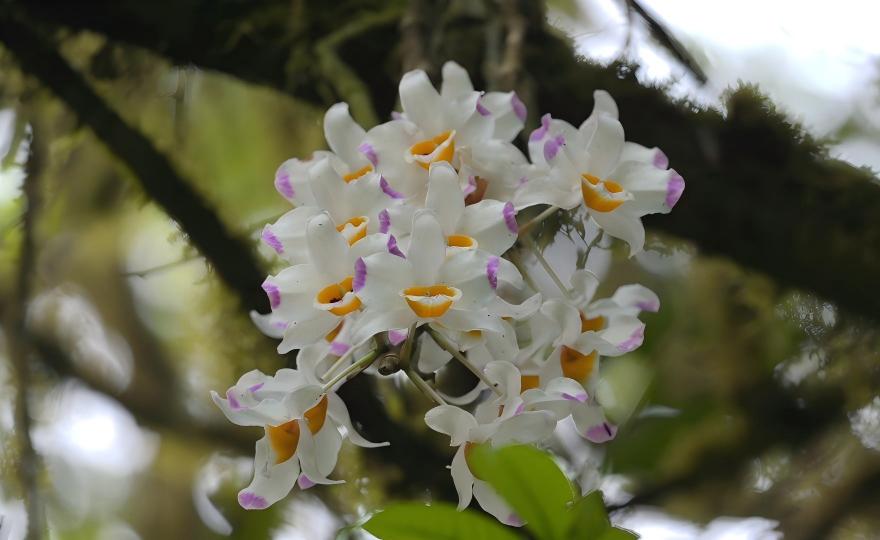
· Dendrobium Orchid *Dendrobium* spp. — lithophytic on karst faces
· Cymbidium Orchid *Cymbidium* spp. — in shaded limestone gullies
· *Vanda* / *Aerides* spp. on cliff-top trees (seasonal)
· Compare assemblage with previous sites — discuss biogeographic patterns
Highlight: An orchid diversity hotspot unmatched in China — three floristic provinces meet here.
Accommodation: Xingyi hotel (3-star) | Meals: B / L / D
Morning: Malin River Gorge (“Earth’s Most Beautiful Scar”) — cliff-side boardwalk survey:
· Single-Flower Orchid *Changnienia amoena* — monotypic genus, China’s botanical treasure
· Calcite waterfall-edge flora: travertine-dwelling mosses, ferns, and orchids
· *Primula* and *Pedicularis* spp. on moist cliff faces
Afternoon: Drive to Huangguoshu Waterfall (2.5h) — Asia’s largest (77.8m × 101m). Walk through Water Curtain Cave. Group reflection and botanical journal compilation.
Highlight: Two of China’s most spectacular karst landscapes — shaped by the same forces that created the flora you’ve studied for 10 days.
Accommodation: Huangguoshu hotel (3-star) | Meals: B / L / D
Morning: Final dawn visit to Huangguoshu. Complete botanical records, receive personalized flora survey summary.
Afternoon: Drive to Guiyang (2h). Trip concludes.
Highlight: Depart with a complete karst flora field journal and 11 days of botanical discovery.
Meals: B
FQA
Q1: What are the highlights of this Guizhou-Guangxi karst orchid tour?
A1: This 11-day guided botanical tour focuses on rare karst flora across Guizhou and Guangxi, including endemic orchids such as Coelogyne fimbriata, Dendrobium nobile, and Pholidota articulata. The journey covers 3 UNESCO-linked karst sites — Fanjing Mountain, Maolan Biosphere Reserve, and Huanjiang Karst — combining expert-led field exploration, orchid photography, and Miao and Bouyei cultural experiences with sustainable travel practices.
Q2: Who is this karst orchid tour suitable for?
A2: Ideal for nature lovers, orchid photography enthusiasts, families with children, and travelers interested in ecological culture. No professional botanical background is required — expert guides provide identification guidance in the field. Activities balance education and leisure, suitable for beginners and experienced plant observers alike.
Q3: How does the tour protect karst orchid habitats?
A3: All field routes are pre-assessed by local conservation experts. Picking or damaging orchids and karst vegetation is strictly prohibited. Travelers sign an environmental pledge supporting karst vegetation restoration projects. Accommodations follow low-carbon standards, and waste is sorted for recycling throughout the journey.
Q4: What is included in the tour cost?
A4: Transportation (air-conditioned vehicle, sightseeing shuttles), eco-friendly accommodations, park entrance fees, expert guide services, three daily meals featuring local cuisine, orchid identification lectures, and photography guidance. Participants should bring lightweight trekking gear (waterproof shoes, sun protection), a camera, and a reusable water bottle.
Q5: What cultural experiences are included? What is the physical intensity?
A5: The itinerary includes Miao Village silver-smithing workshops, Bouyei plant-dye workshops in Xingyi, and Dong ethnic village visits. Daily activities involve 2–4 hours of light trekking on karst trails, with occasional short ascents under 500m. Suitable for most healthy adults and children with parental accompaniment.
Thanks for helping us to fill the following form about your personal preferences. This information you provide can help us to plan the best trip especially for you.




Copyright © 2026 • China Wildlife Tour All Rights Reserved Safari in Cina
 中文
中文

![[Karst & Cloud Forest] Guangxi Herpetology & Relict Ecology](/uploadfile/2026/0509/20260509045407546.jpg)