
(+86)133 8819 6153
info@chinawildlifetour.com

Price from $ 2299/pax for group of 4-8 pax May 10, 2027

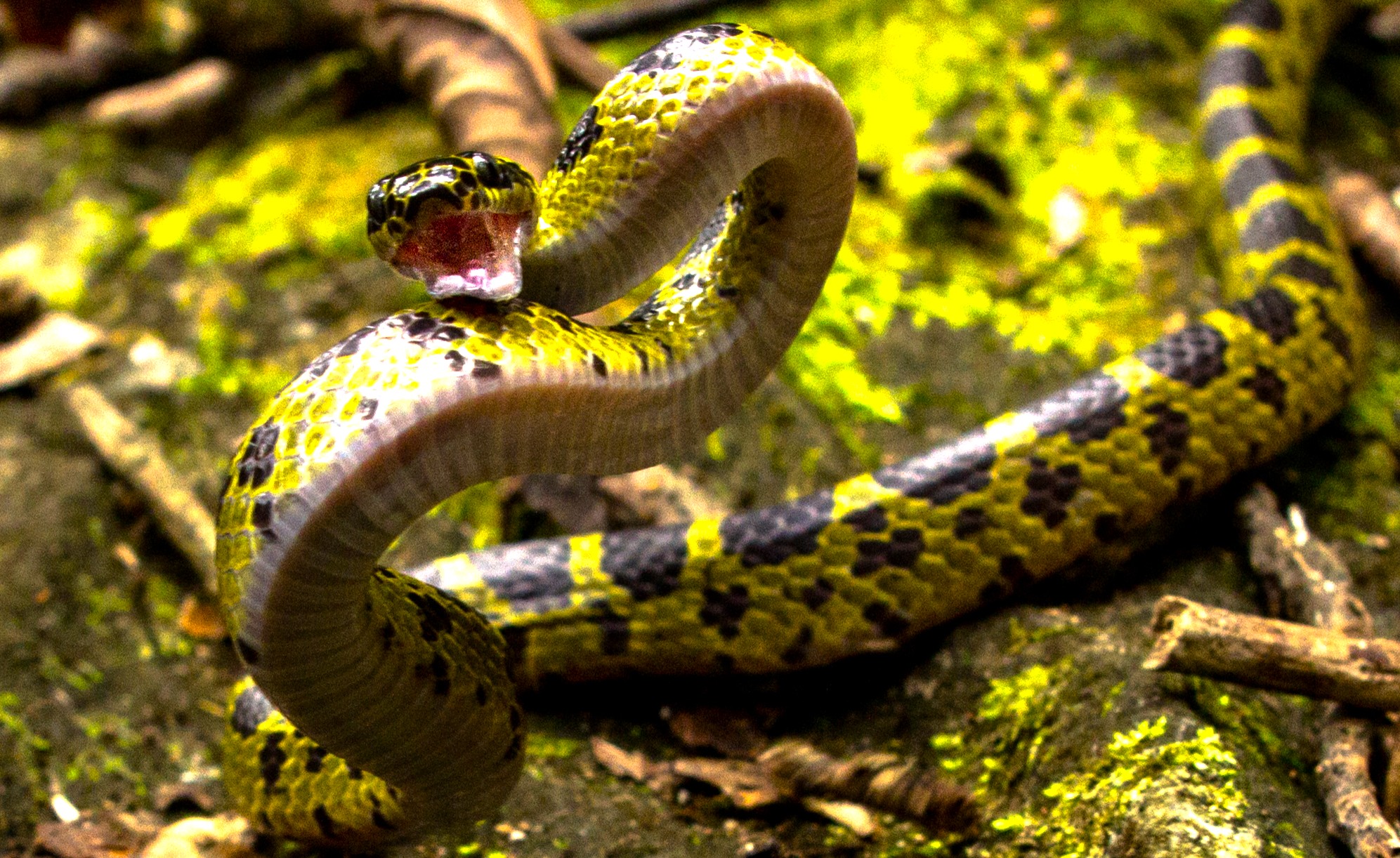
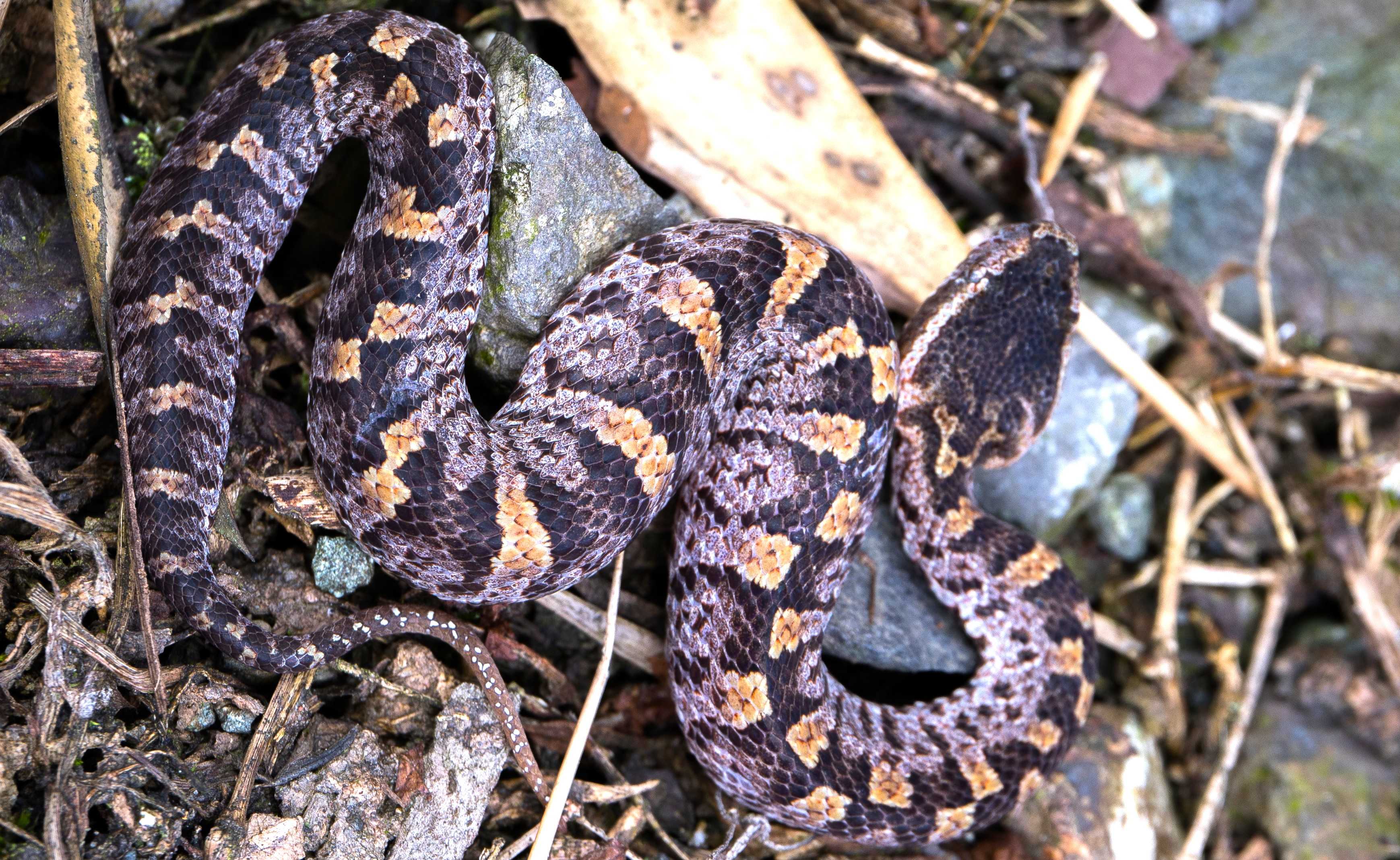
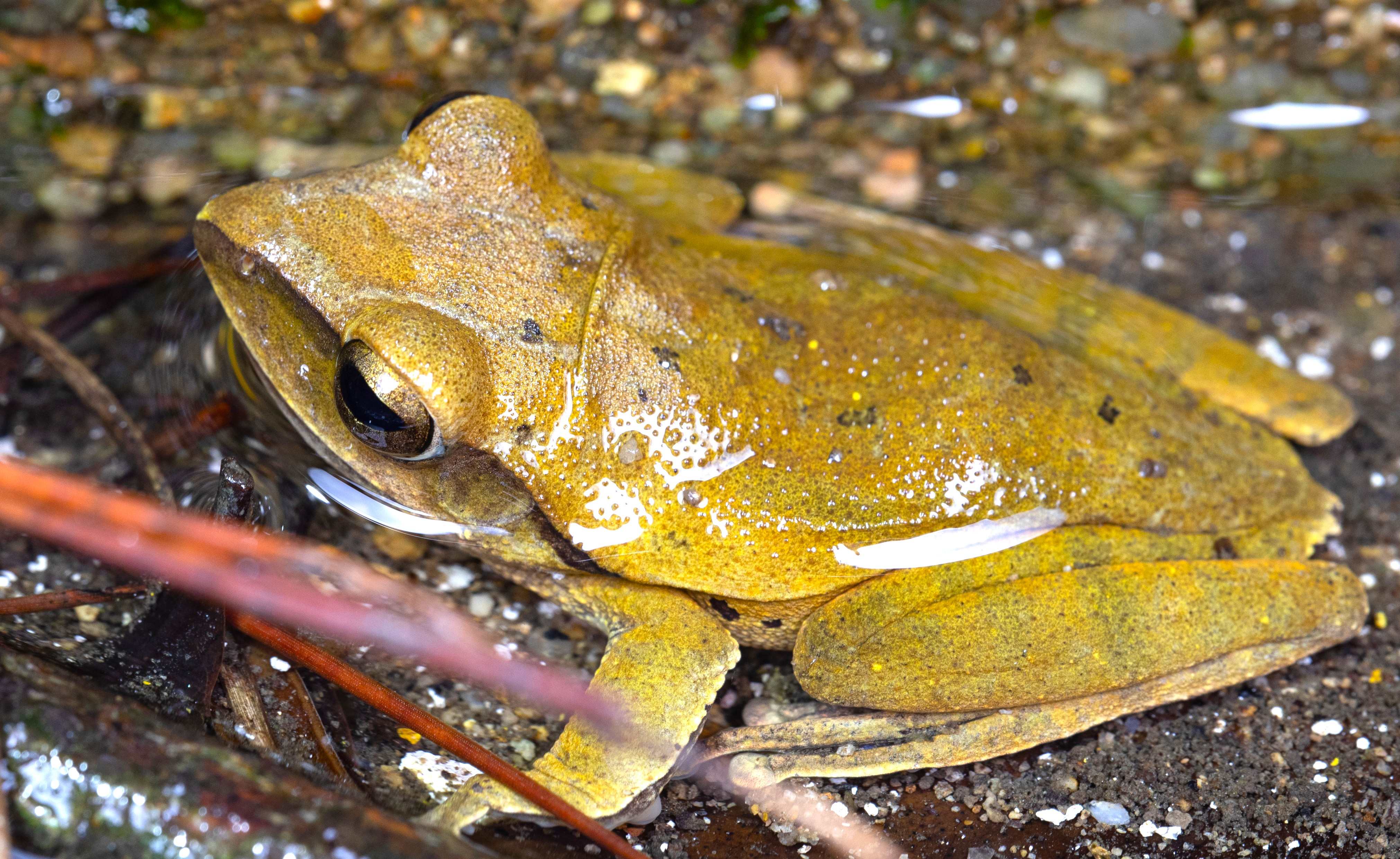
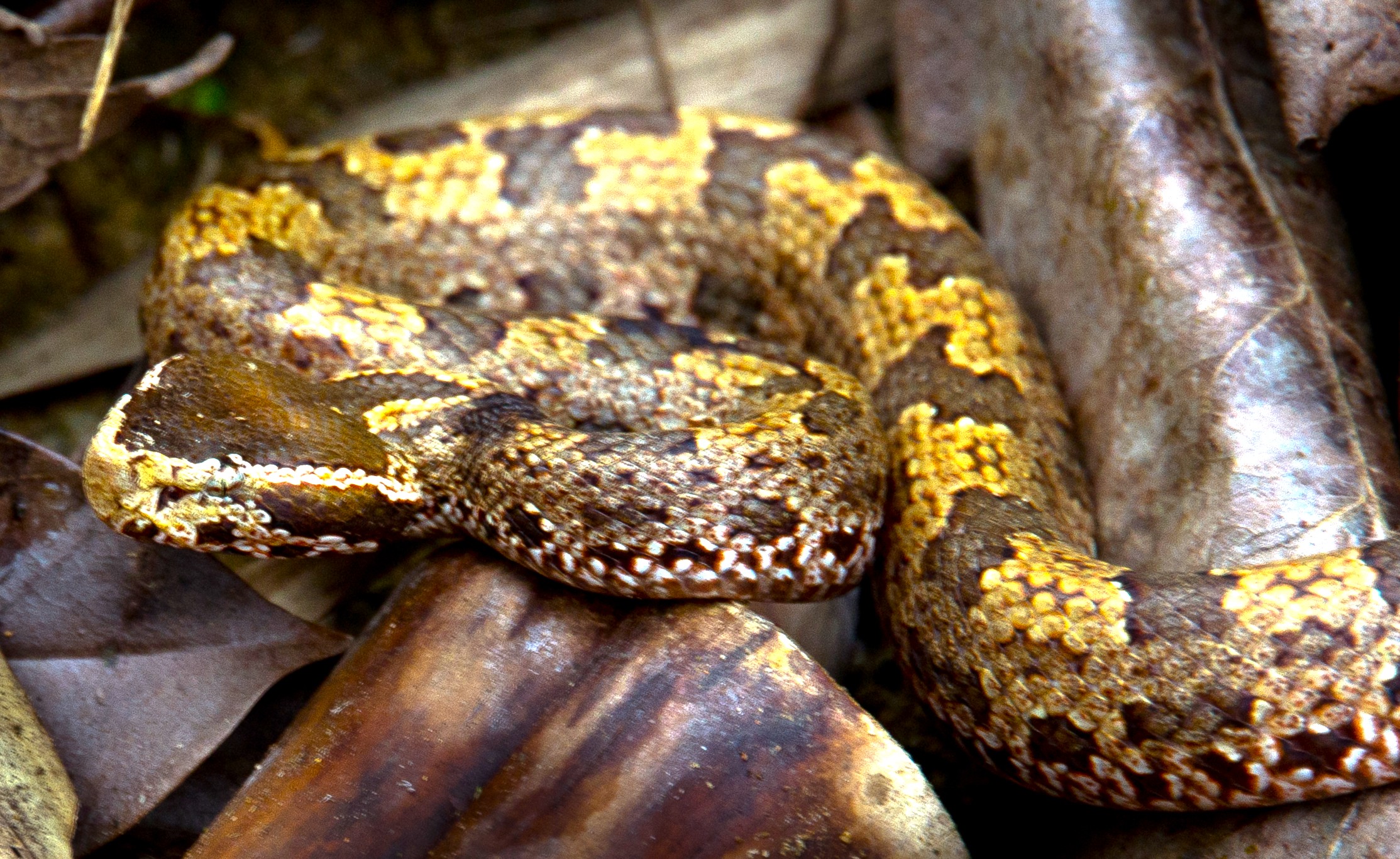
Destination: Longgang National Nature Reserve & Dagui Mountain Crocodile Lizard Reserve, Guangxi Province
Focus: Karst Cave Geckos, Relict Salamanders, & Limestone Endemism
Gateway City: Nanning (Wuxu International Airport) and Guilin (Liangjiang International Airport)
Overview
Journey into the hidden heart of South China, where dramatic tropical karst pinnacles collide with the ancient, moss-draped subtropical streams of the Nanling Mountains. This expedition bridges two distinct ecological masterpieces to target highly localized, phylogenetically unique “lifer” species for Western hobbyists. We delve into vertical limestone grottos in search of the biogeographically isolated cave geckos (*Goniurosaurus* spp.), before transitioning to primeval cloud forests to witness the sole extant member of its family—the dinosaur-era Chinese Crocodile Lizard (*Shinisaurus crocodilurus*). Tailored for serious herpers, this is a definitive deep-dive into China’s relict ecology and extraordinary karst endemism.
Best Time to Visit
Prime Season: Mid-April to Early June. Spring humidity triggers peak amphibian choruses and maximum reptile activity; ideal conditions for spotting cave geckos on limestone faces.
Alternative Season: September to Mid-October. Stable autumn weather and cooler nights offer excellent opportunities for montage snake observation and amphibian migration, without the summer monsoon extremes.
Highlights
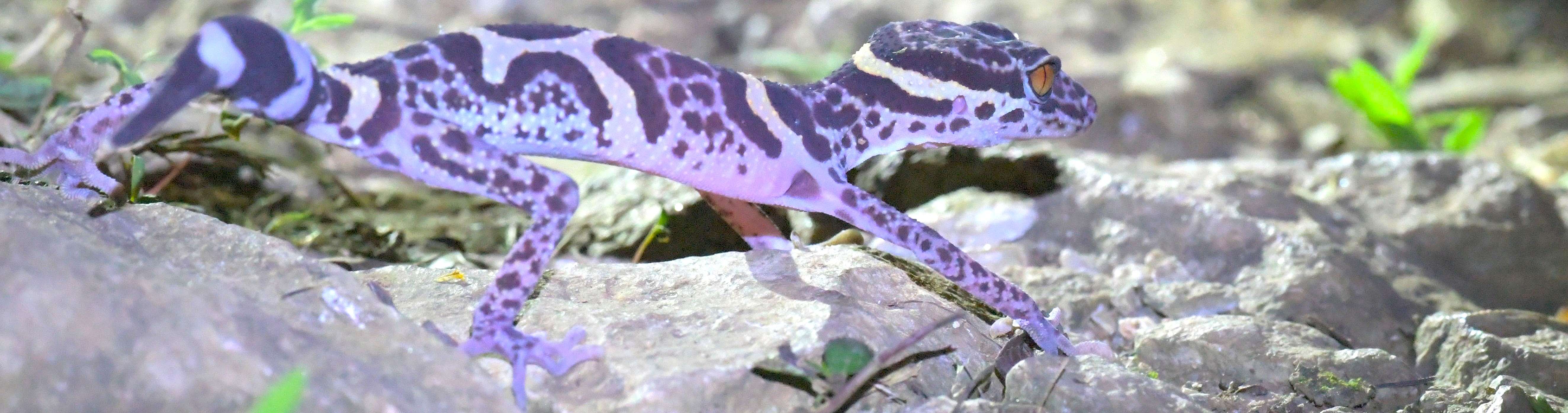
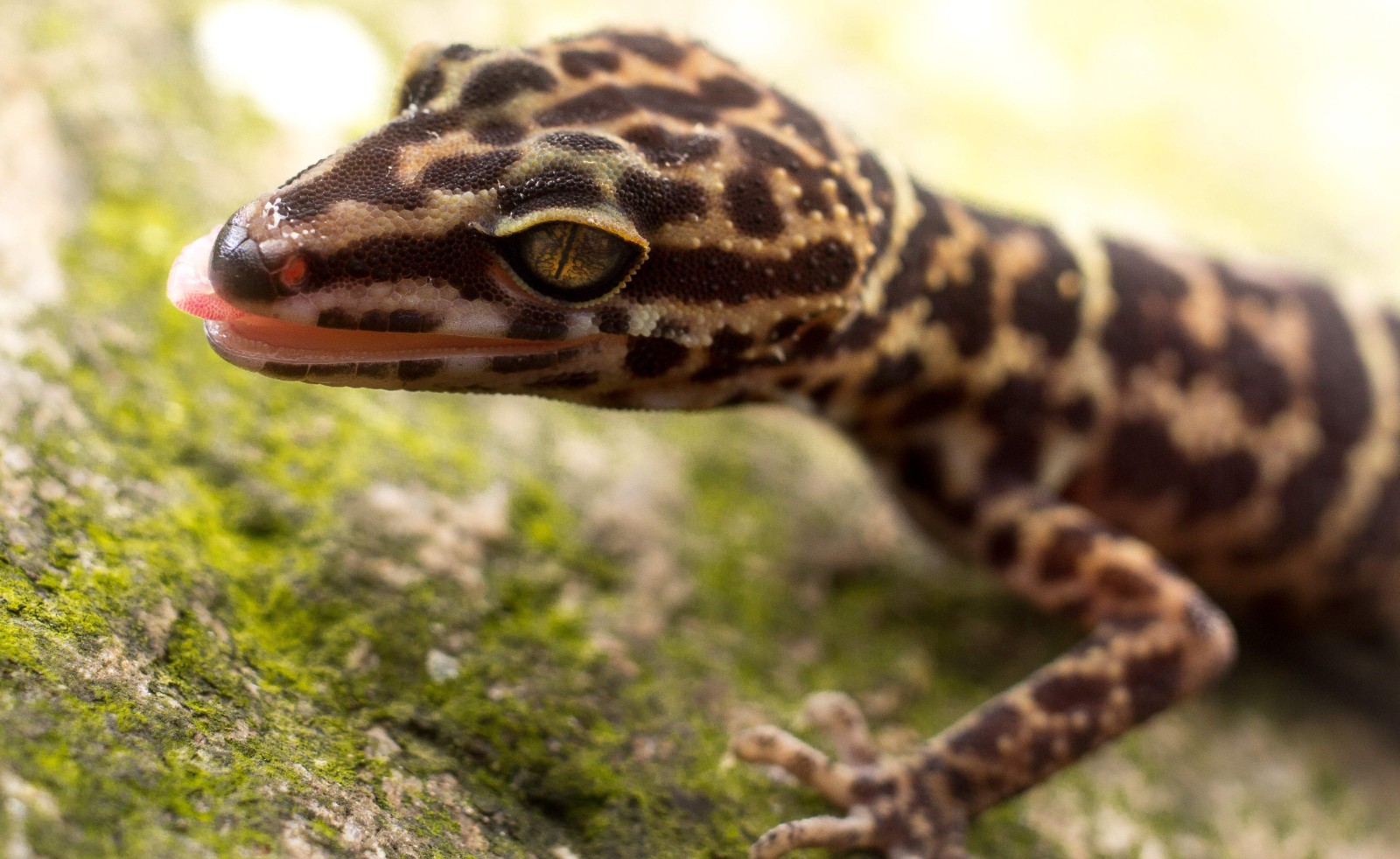
The “Holy Grail” Geckos: Track two distinct, range-restricted cave geckos (*Goniurosaurus longgangensis* & *G. pinghuaensis*) on vertical karst cliffs after dark, a true pilgrimage for global gecko enthusiasts.
Living Fossils: Observe the Chinese Crocodile Lizard (*Shinisaurus crocodilurus*) in its primeval Nanling stream habitat—a relict of the Cretaceous and a top target for any serious herper.
Salamander & Caecilian Frontier: Search for robust *Paramesotriton* newts and the elusive Bannan Caecilian (*Ichthyophis bannanicus*), China’s only representative of the limbless amphibian order, in pristine montane catchments.
Karst vs. Cloud Forest Contrast: Experience the dramatic ecological shift between dry, tropical limestone valleys and perpetually wet Nanling montane streams, resulting in vastly different, highly specialized herpetofauna assemblages.
Day-by-Day Itinerary
Day 1: Arrival & Adaptation
Afternoon: Arrive at Nanning Wuxu International Airport. Transfer to a city hotel for gear check and acclimatization.
Evening: Orientation session on herpetology safety, field ethics, and regional taxonomy. Conduct an adaptive night walk in suburban secondary forest.
Target Species: Indo-Chinese Forest Gecko (*Gekko vitattus*), Chinese Flying Frog (*Rhacophorus dennysi* - seasonal), and common *Polypedates* spp.
Accommodation: Nanning City Hotel.
Day 2: The Cave Gecko Kingdom
Morning: Drive to Longgang National Nature Reserve (approx. 2.8h). Transition into the tropical karst landscape.
Afternoon: Hike limestone valleys searching for diurnal lizards on mossy boulders and cryptic snakes in leaf litter.
Evening: Dedicated nocturnal spotlighting on vertical karst outcrops and cave entrances—the core habitat for relict geckos.
Target Species: Longgang Cave Gecko (*Goniurosaurus longgangensis*), Pinghua Cave Gecko (*G. pinghuaensis*), Indochinese Spiny Lizard (*Acanthosaura lepidogaster*), Tonkin Pit Viper (*Ovophis tonkinensis*).
Accommodation: Eco-lodge near Longgang reserve boundary.
Day 3: Four-Dimensional Herping in Layered Rainforest
Morning: Dawn birding for limestone endemics, followed by canopy-to-litter diurnal herping.
Afternoon: Survey streamside micro-habitats for elusive amphibians and aquatic snakes.
Evening: Deep-night trek into primeval valleys targeting primitive, burrowing squamates and nocturnal vipers.
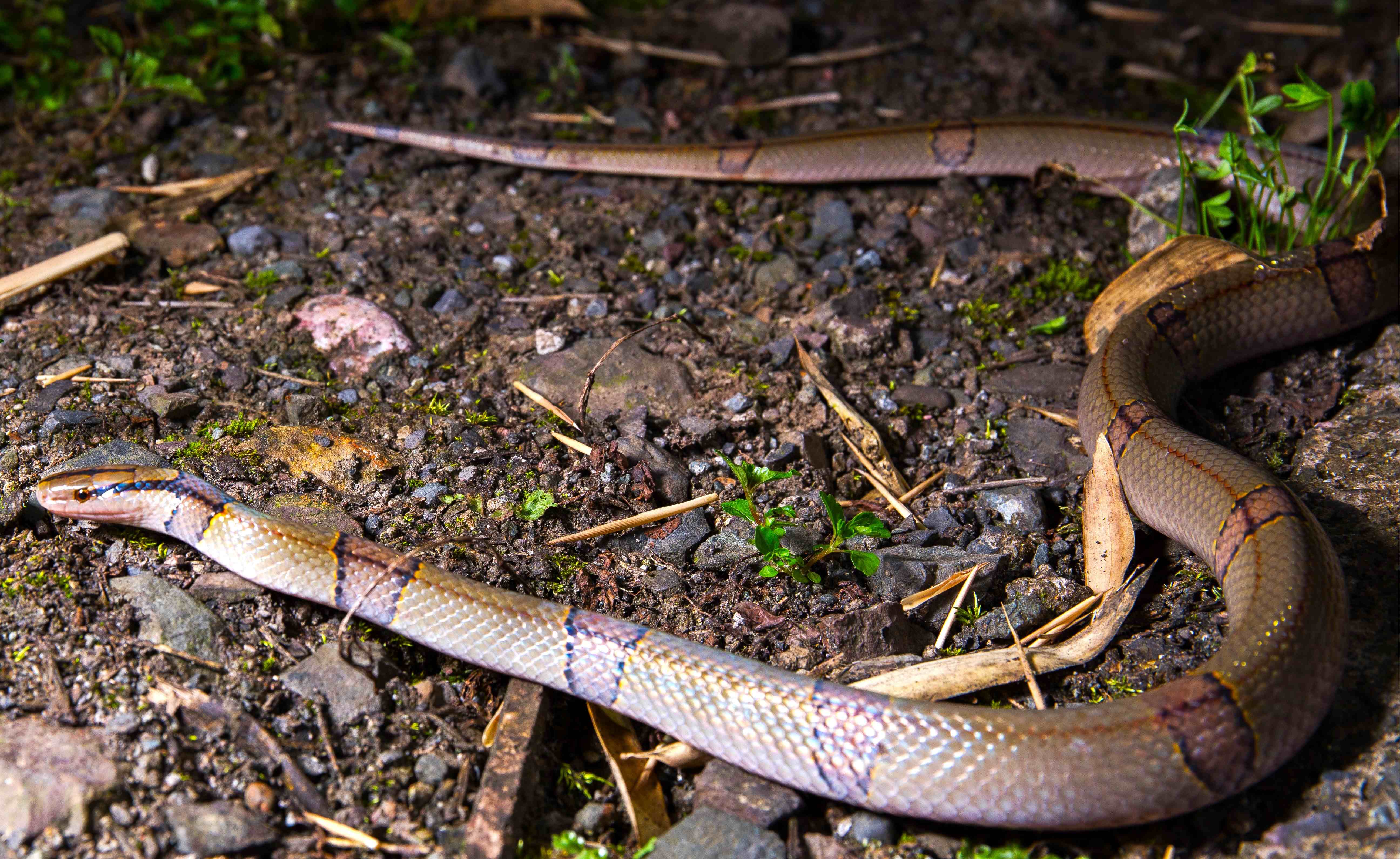
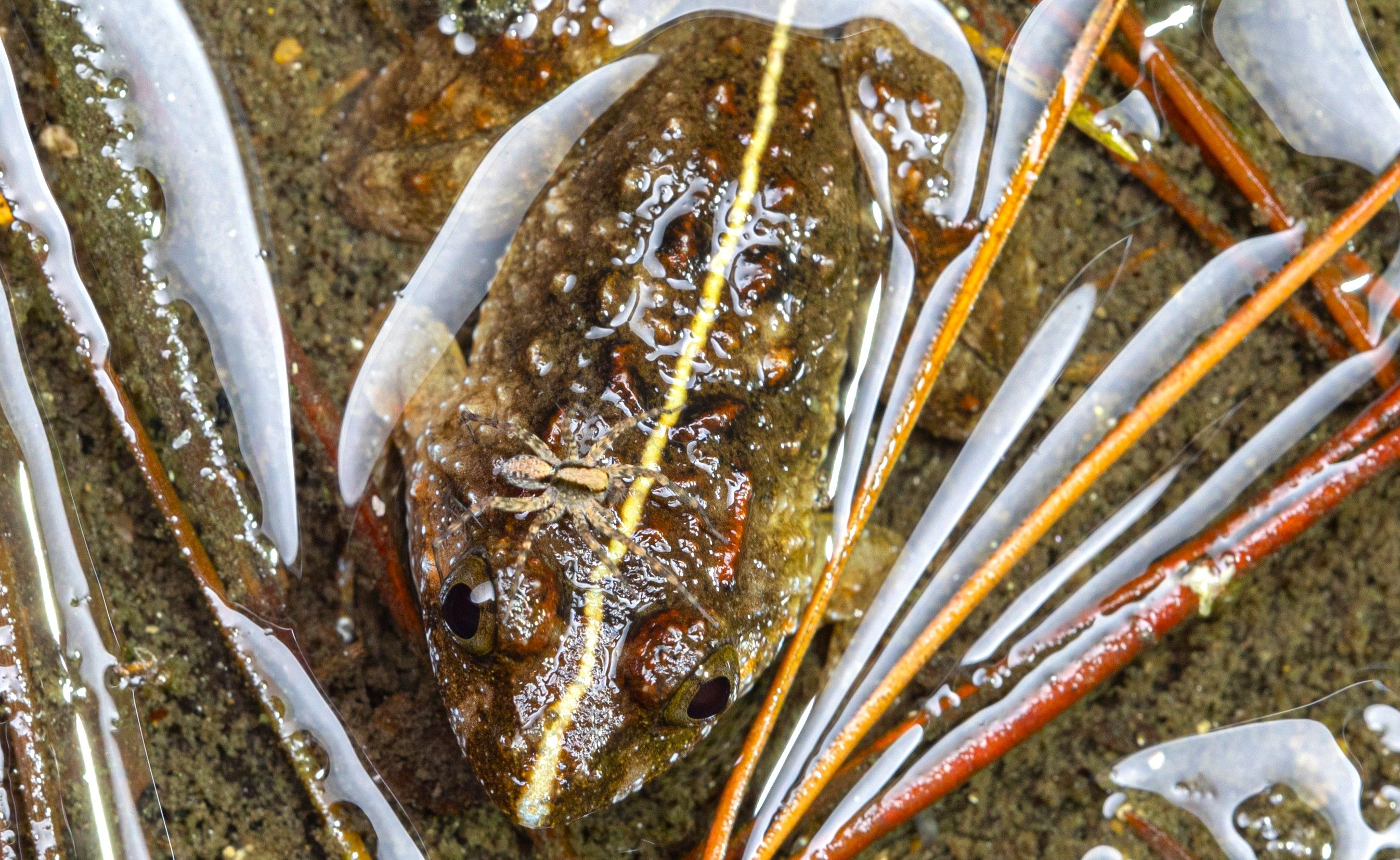
Target Species: Burrowing Snakes (*Achalinus* spp. - highly prized oddities), Kuangsi Odorous Frog (*Odorrana kuangsiensis*), Mountain Slug Snake (*Pareas margaritophorus*), Asian Coral Snakes (*Sinomicrurus* spp.).
Accommodation: Eco-lodge near Longgang reserve boundary.
Day 4: Transition to the Nanling Cloud Forest
Morning: Drive from Longgang to Dagui Mountain Crocodile Lizard Reserve (approx. 3.2h). Observe the biogeographical transition from karst to montane forest.
Afternoon: Trek through moss-draped, subtropical broadleaf ravines alongside pristine streams.
Evening: Riparian night walk targeting specialized stream-dwelling herps in the cold, fast-flowing waters.
Target Species: Jehol Mustache Toad (*Vibrissaphora liui* - autumn breeding relicts visible), Chinese Warty Newt (*Paramesotriton chinensis*), Mountain Keelbacks (*Opisthotropis* spp.), Black-headed Slug Snake (*Pareas nigriceps*).
Accommodation: Reserve hotel in Dagui Mountain.
Day 5: The Relict Lizard & Amphibian Frontier
Morning: Early morning stakeout at wild Crocodile Lizard habitats to observe them thermoregulating on mossy branches overhanging streams.
Afternoon: Survey seepages and muddy banks for limbless amphibians and torrent-dwelling frogs.
Evening: Final nocturnal survey focusing on the apex targets of the Nanling montane ecosystem.
Target Species: Chinese Crocodile Lizard (*Shinisaurus crocodilurus*), Bannan Caecilian (*Ichthyophis bannanicus* - requires specific rainy conditions), Yaoshan Newt (*Paramesotriton yaoshanensis*), Patched Torrent Frog (*Amolops ricketti*).
Accommodation: Reserve hotel in Dagui Mountain.
Day 6: Karst River Basin & Departure
Morning: Drive to Guilin (approx. 2.5h). Final morning herping in iconic Guilin karst valleys and stream edges for supplementary records.
Afternoon: Transfer to Guilin Liangjiang International Airport for departure. A perfect closed-loop expedition.
Target Species: Long-tailed Grass Lizard (*Takydromus septentrionalis*), Boettger’s Horned Toad (*Megophrys boettgeri*), *Scincella* spp.
Accommodation: N/A
FAQ
Q1: How physically demanding is this itinerary?
A: The expedition is moderately demanding. While driving times are strictly minimized, herping in Longgang requires hiking on steep, uneven limestone karst with loose scree and limited trails. Night herping in both locations involves off-trail walking in high humidity. A reasonable level of fitness, sure-footedness, and balance is required for safe navigation on the karst outcrops.
Q2: What are the safety protocols regarding venomous snakes?
A: Guangxi hosts a healthy population of pit vipers (e.g., *Ovophis tonkinensis*, *Protobothrops* spp.) and elapid coral snakes (*Sinomicrurus* spp.). We strictly enforce a “No Touch, No Harass” policy. Our expert guides carry venom extraction kits and maintain emergency evacuation protocols. This tour focuses strictly on *observation and in-situ photography*, not handling.
Q3: What camera gear is recommended for this expedition?
A: For cryptic herps and cave geckos, a macro lens (90mm-105mm) is essential, paired with a twin flash or ring flash to illuminate subjects in deep crevices or at night. For the Chinese Crocodile Lizard and avifauna, a telephoto lens (400mm+) is recommended, as they can be skittish along the stream banks. A sturdy, lightweight monopod is highly beneficial for nighttime stream walking.
Q4: Is the Bannan Caecilian (*Ichthyophis bannanicus*) guaranteed?
A: While Dagui Mountain is within its known range, caecilians are notoriously difficult to find due to their fossorial (burrowing) lifestyle. Encountering them requires targeting specific muddy seeps immediately after heavy rain. We dedicate time to search for them, but sightings are considered a rare bonus rather than a guarantee. However, the robust *Paramesotriton* newts are highly reliable in these streams.
Q5: What are the leech and mosquito conditions?
A: The Nanling montane streams (Dagui Mountain) and Longgang forest floors host active leech populations, especially following spring and autumn rains. We strongly recommend anti-leech socks (impregnated with DEET or Permethrin) and tall, moisture-wicking field gaiters. Standard insect repellent is necessary for evening hikes.
Q6: What is the accommodation standard in these remote reserves?
A: Accommodation is selected for proximity to prime herping habitats to minimize driving and maximize field time. In Longgang, we utilize a comfortable, locally-run eco-lodge situated at the reserve boundary. In Dagui Mountain, we stay in a practical reserve hotel. While neither offers international luxury, both provide clean, air-conditioned/heated rooms, en-suite bathrooms, and hearty local meals—perfectly adequate for field biologists and eco-travelers.
Thanks for helping us to fill the following form about your personal preferences. This information you provide can help us to plan the best trip especially for you.




Copyright © 2026 • China Wildlife Tour All Rights Reserved Safari in Cina
 中文
中文