(+86)133 8819 6153
info@chinawildlifetour.com

Price from $ 2380 for group of 4-8 pax July 20, 2027
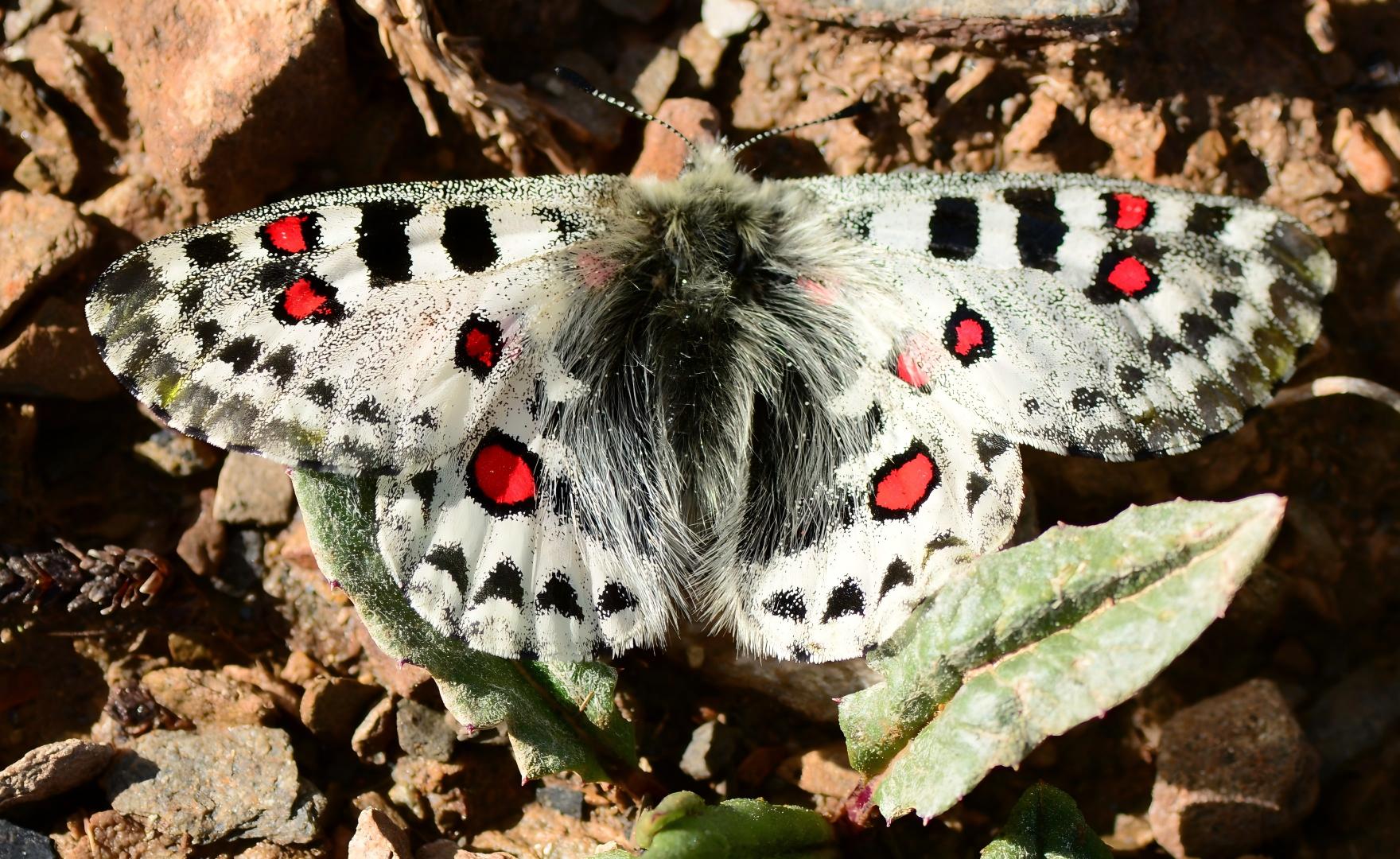
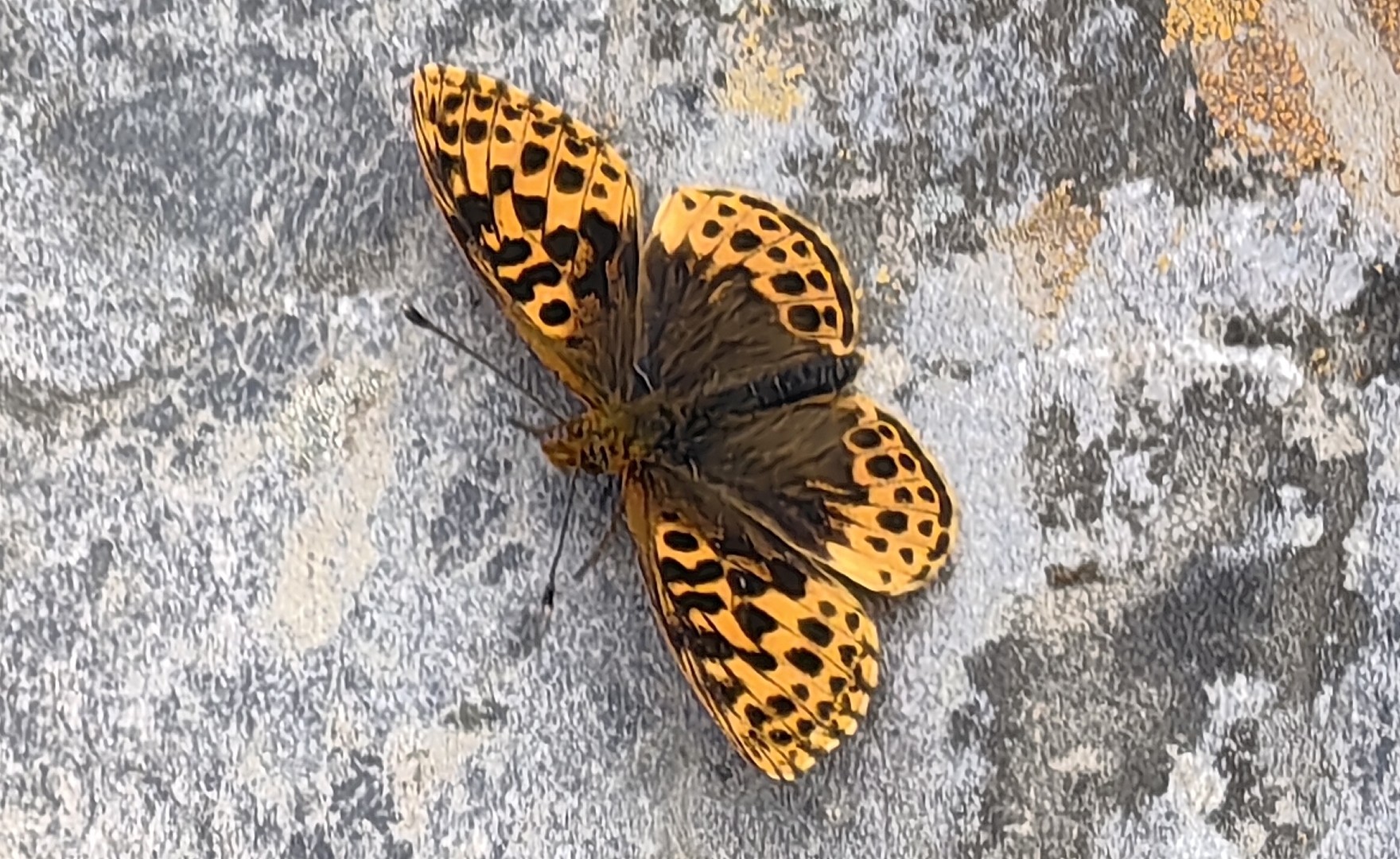
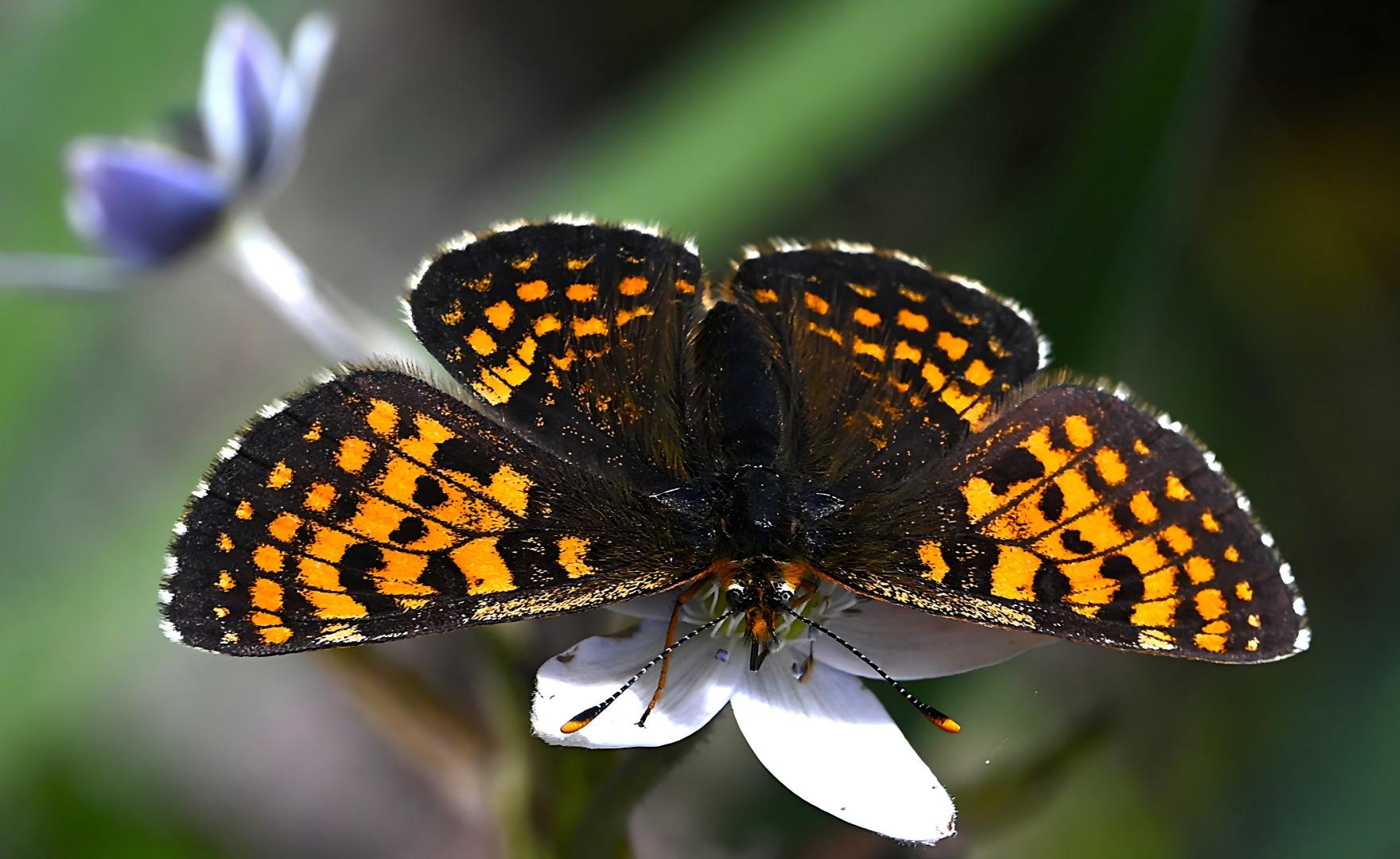
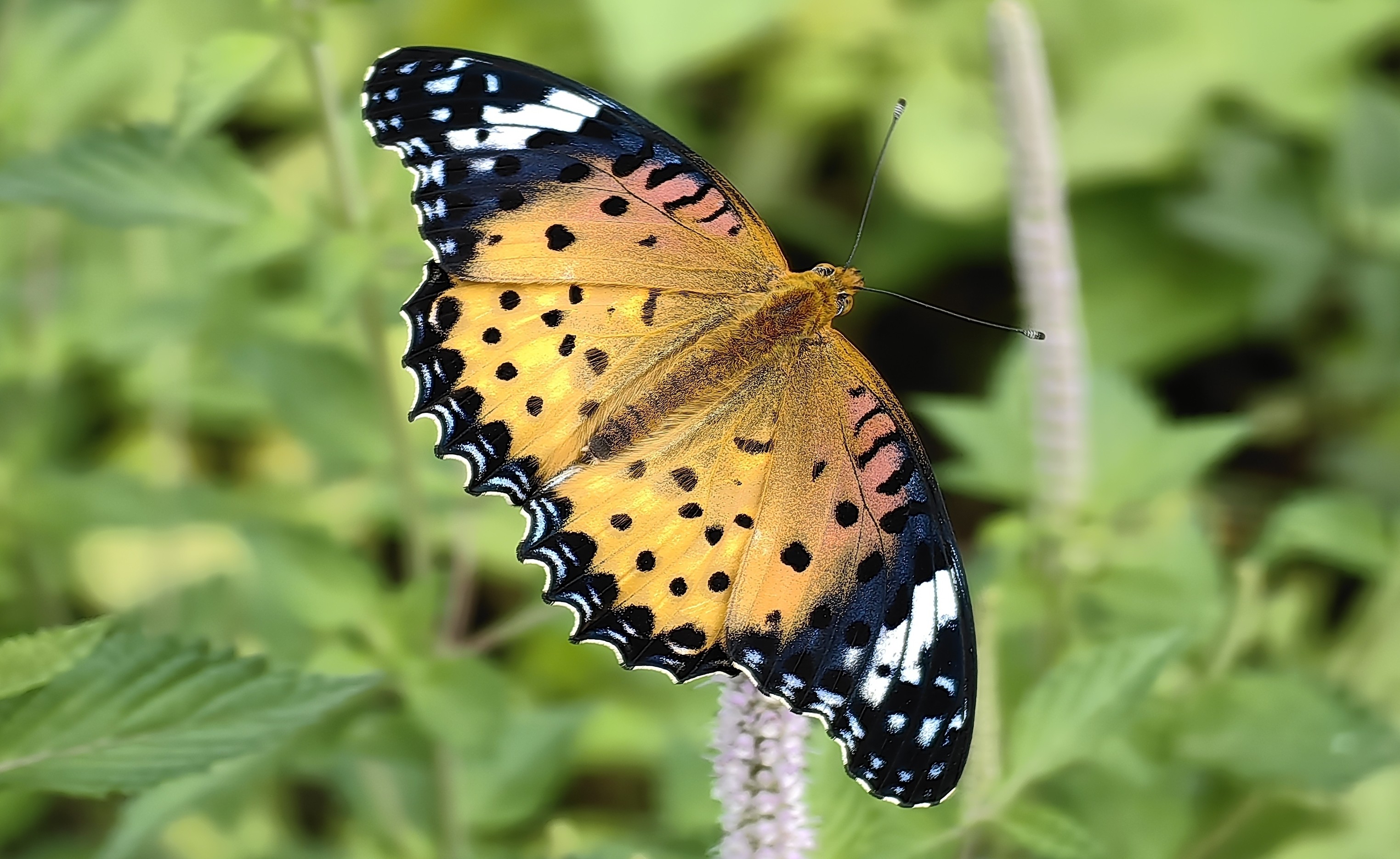
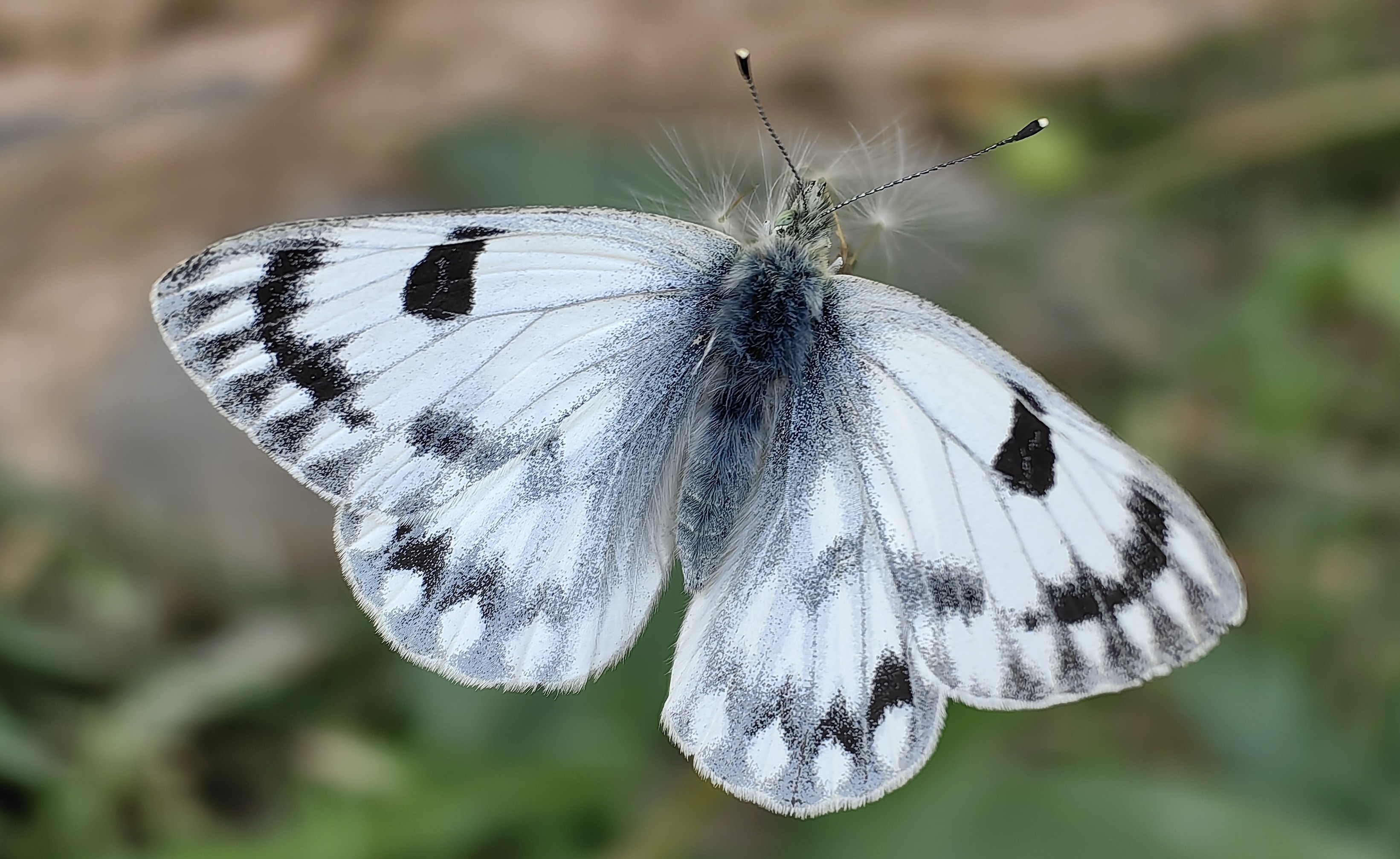
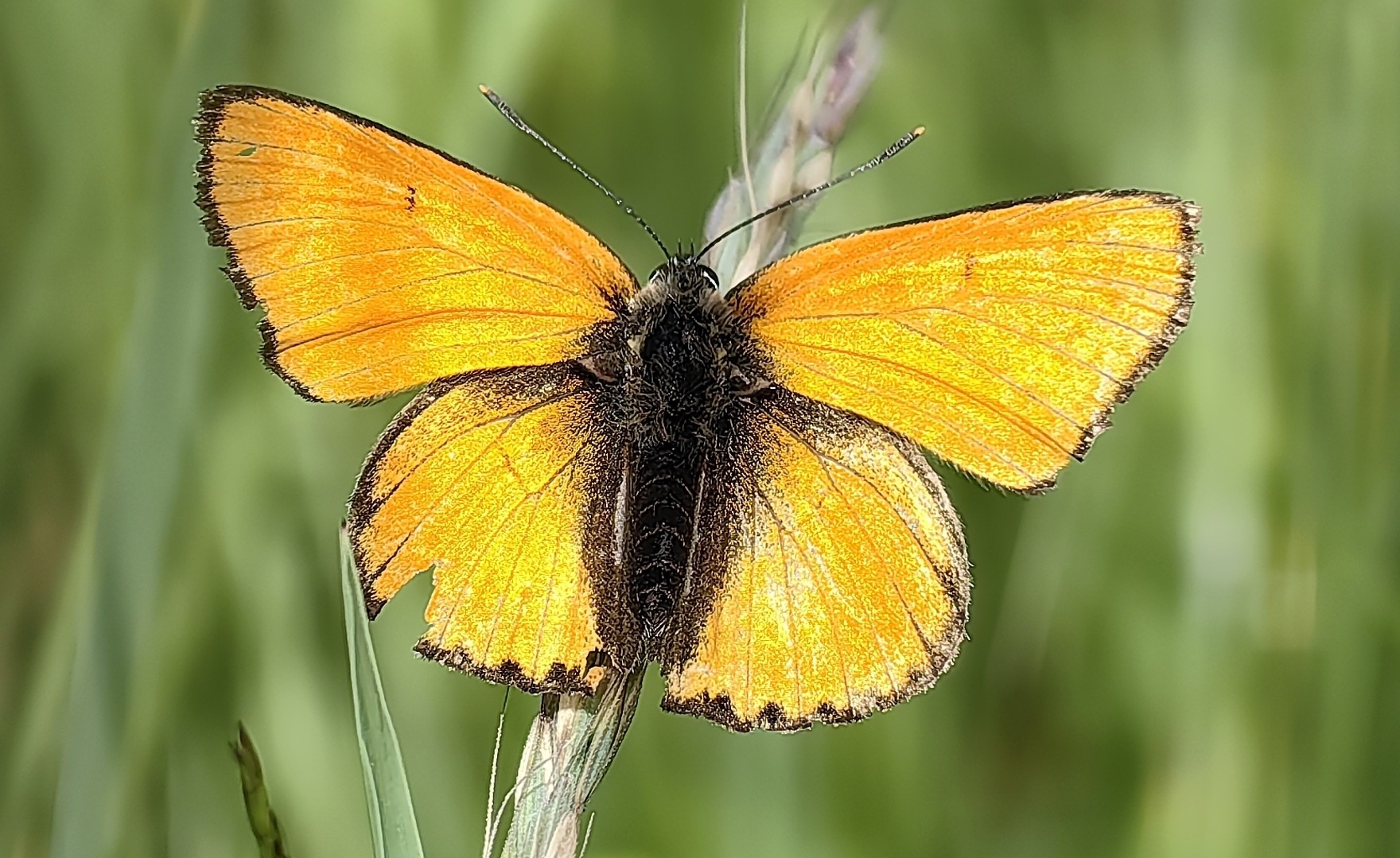
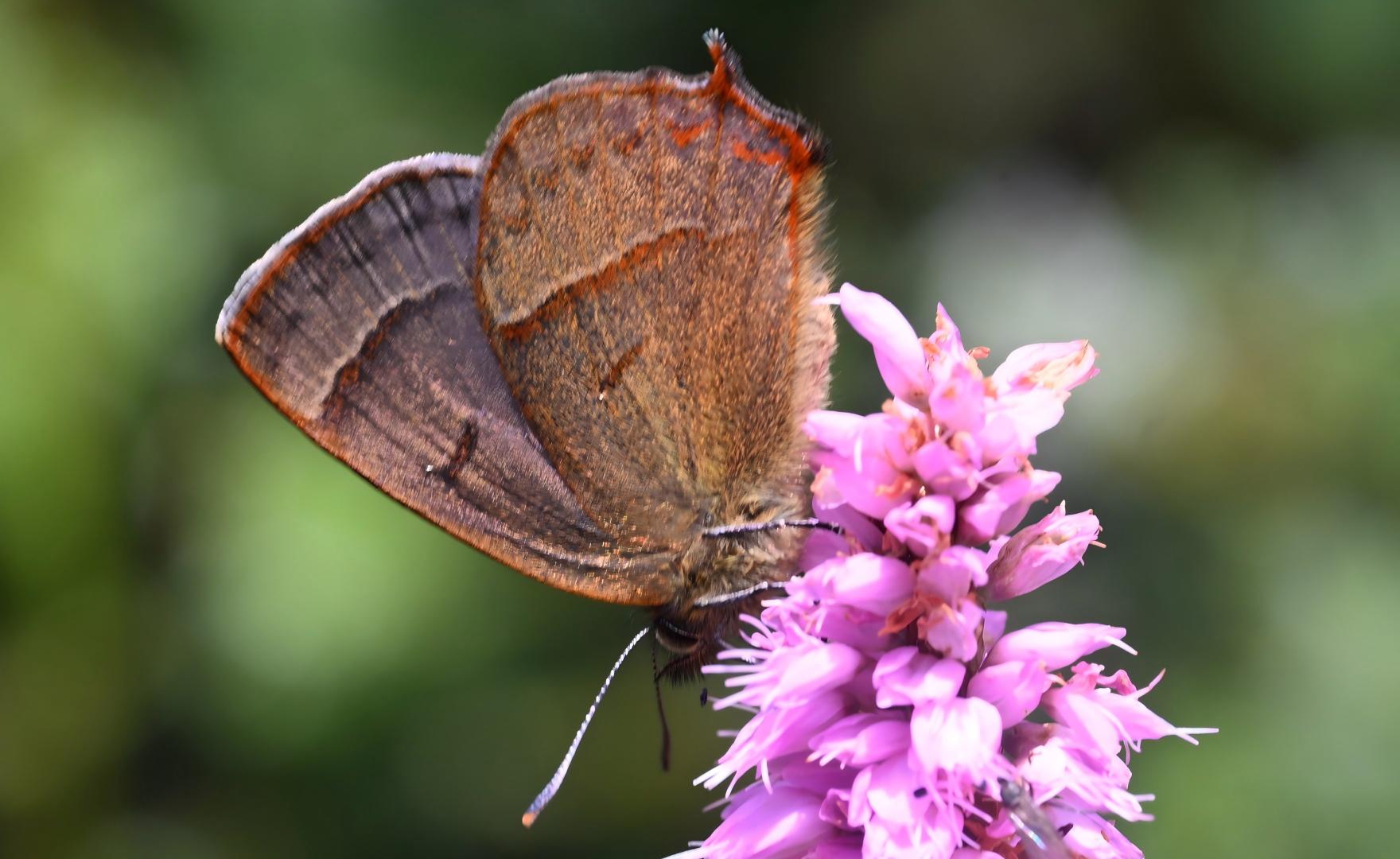
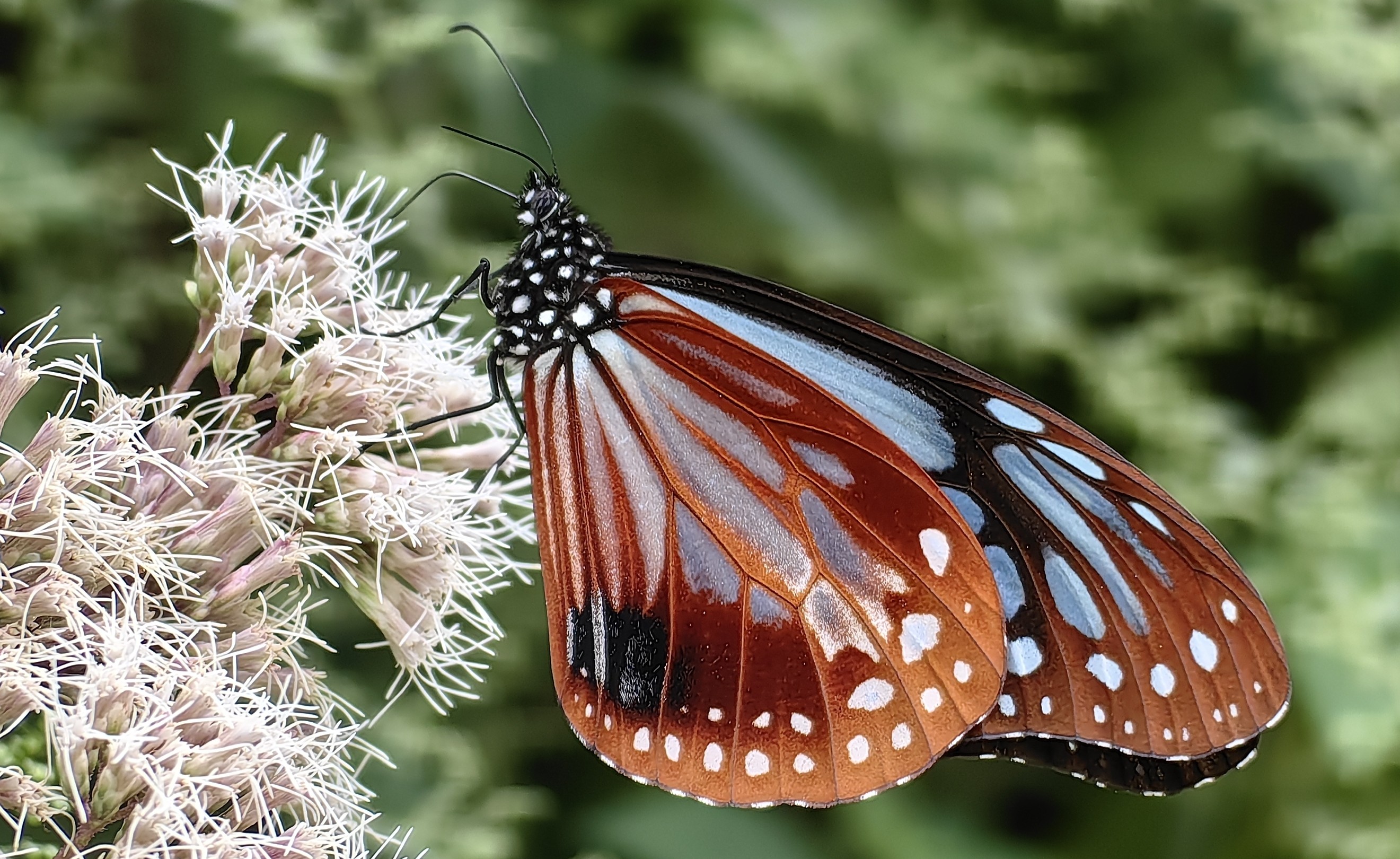
There is a moment on the scree slopes above 4,000 meters when the wind drops, the silence deepens, and a pale, translucent butterfly drifts past like a fragment of cloud—this is a Parnassius Apollo, and this is why you fly to China.
The Hengduan Mountains are not just a geographical wonder—they are the evolutionary cradle for countless butterfly species and a global biodiversity hotspot for alpine wildlife.
This butterfly-focused expedition is designed for the discerning naturalist: the entomologist, the botanist, and the wildlife photographer.
Leaving the crowds behind, we ascend from the arid Jinsha River Valley to the ethereal alpine meadows and scree slopes above 3,000 meters.
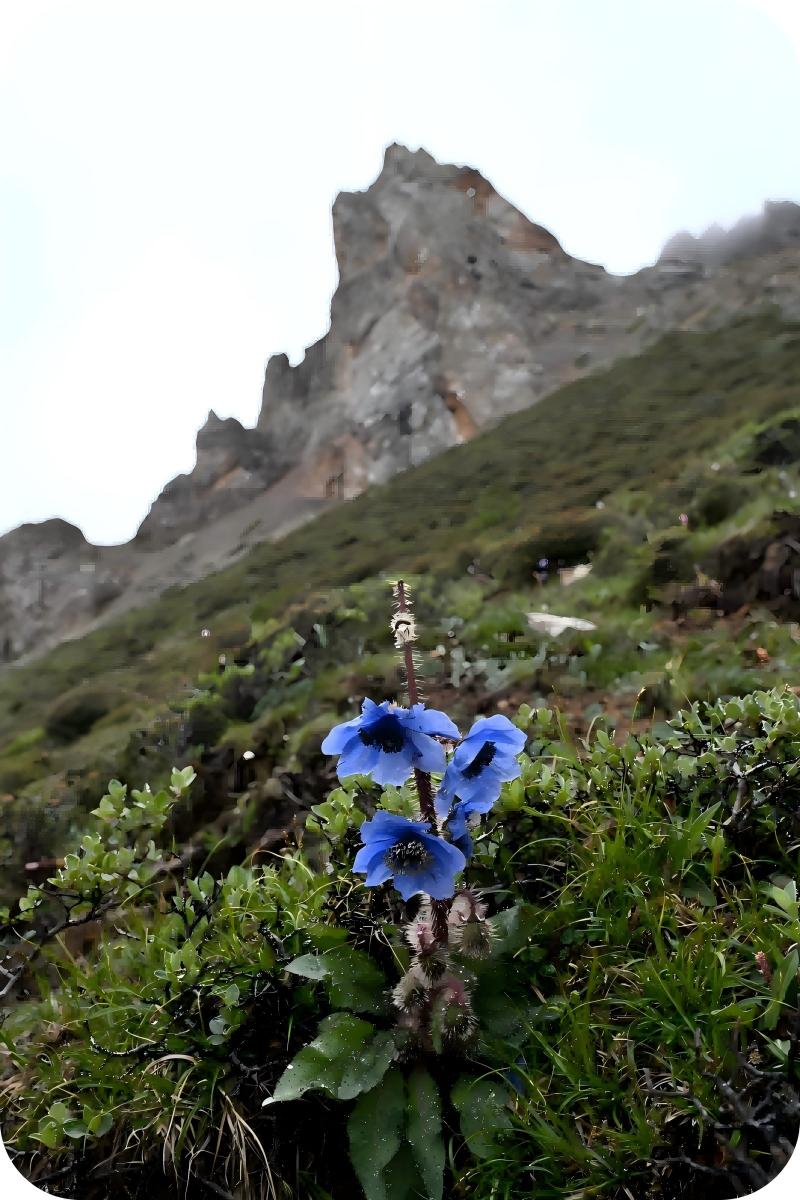
Our mission: to find the elusive “Spirits of the Snow,” the Parnassius butterflies, amidst a breathtaking backdrop of blooming blue poppies (*Meconopsis*), orchids, and gentians.
This is a butterfly-led journey with a richer ecological canvas. While our days are filled with the delicate flutter of wings—from fritillaries on Danxia cliffs to Apollos on glacial scree—the living landscape around us pulses with Blood Pheasants calling from the undergrowth, Black-necked Cranes grazing the high wetlands, and Yunnan Snub-nosed Monkeys moving through the canopy above.
Every bird and mammal encounter is framed as part of the same alpine ecosystem that sustains our target butterflies—because in the Hengduan Range, you cannot truly understand the butterflies without understanding the world they inhabit.
·
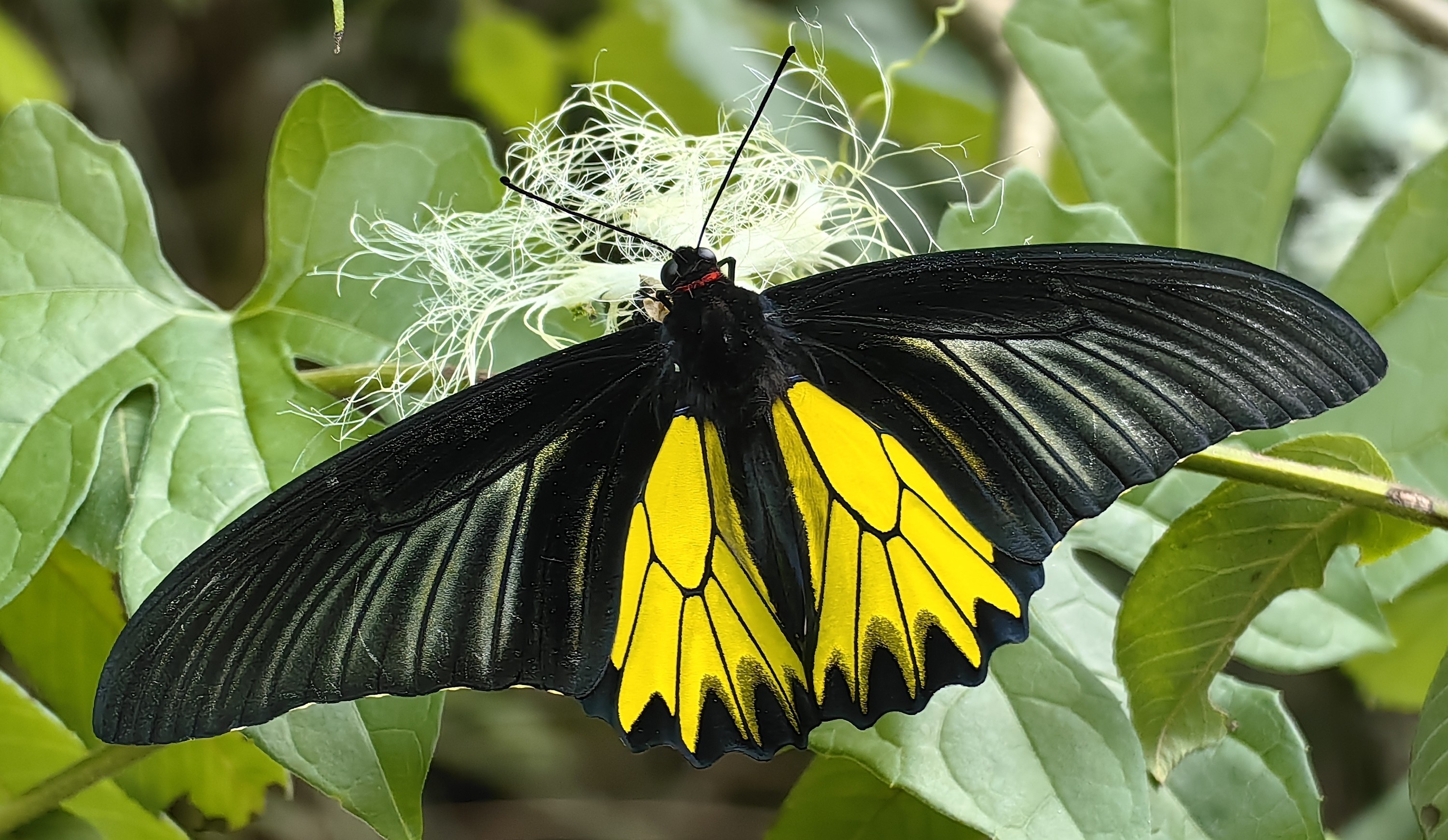
In Search of the Snow Spirits: Venture into the core of the Hengduan Range to find rare Parnassius (Apollo butterflies) on high-altitude scree slopes, gliding like translucent handkerchiefs over the stones—among the crown jewels of China butterfly tours.
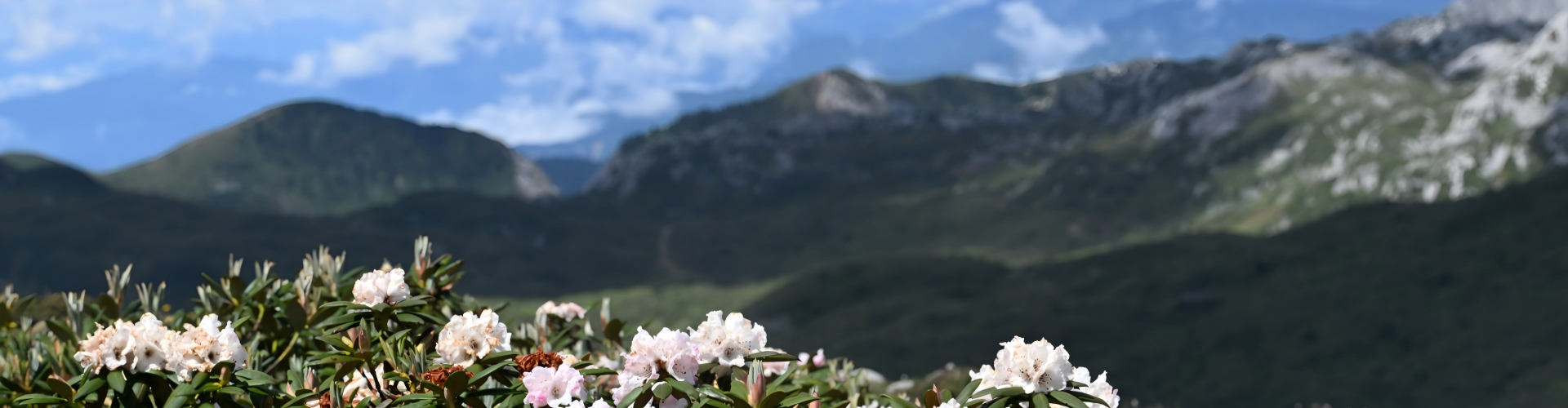
Living Alpine Botanic Garden: Immerse yourself in the July explosion of color. Witness the legendary Blue Poppy (*Meconopsis*), Cypripedium orchids, and Gentiana carpeting the mountain slopes—key nectar sources that make this region a world-class butterfly watching destination.
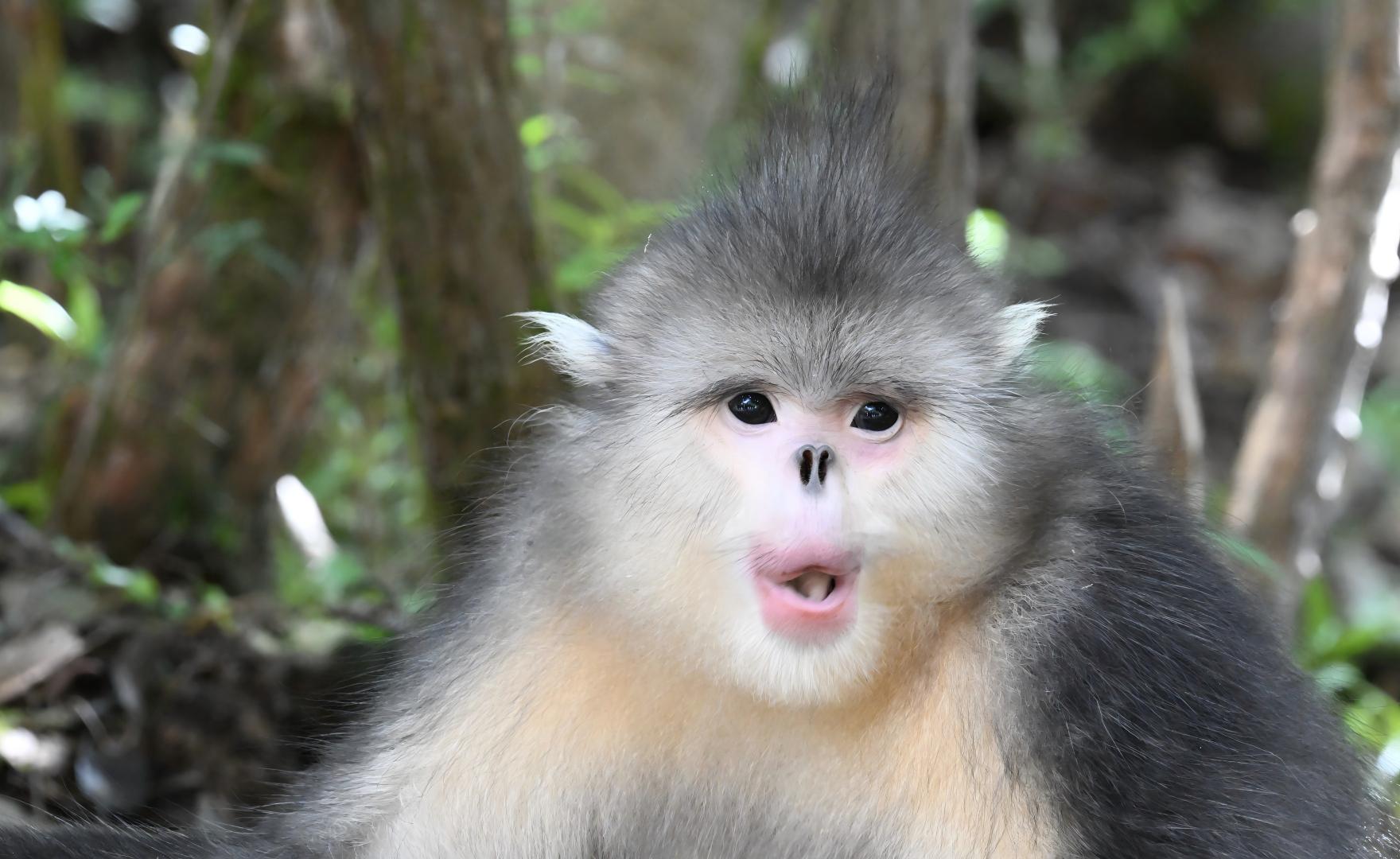
Butterfly-Focused Wildlife Encounters: Observe Plateau Pikas popping in and out of burrows like furry jack-in-the-boxes while Snowfinches dart between their holes, and encounter Yunnan Snub-nosed Monkeys peering down with blue-lipped curiosity within the forest ecosystem that also hosts diverse butterfly communities—every vertebrate sighting framed as part of the butterfly’s ecological world.
Scientific Depth, Accessible Terrain: Led by expert naturalists, explore the vertical vegetation zones of the Hengduan Mountains and understand why this region is called the “Museum of Evolution”—with butterfly species changing at almost every altitude gain.
Target: 50+ butterfly species, 15+ bird species, and 5 mammal encounters
Day-by-Day Itinerary
Arrive in Lijiang (2,400m) and meet your private guide and driver, then transfer to your hotel.
If time permits, we drive to the outskirts of the Jinsha River Valley—a classic dry-hot valley ecosystem where the air carries the scent of sun-warmed thyme and the river glints far below.
This transition zone hosts distinct low-elevation butterfly communities.
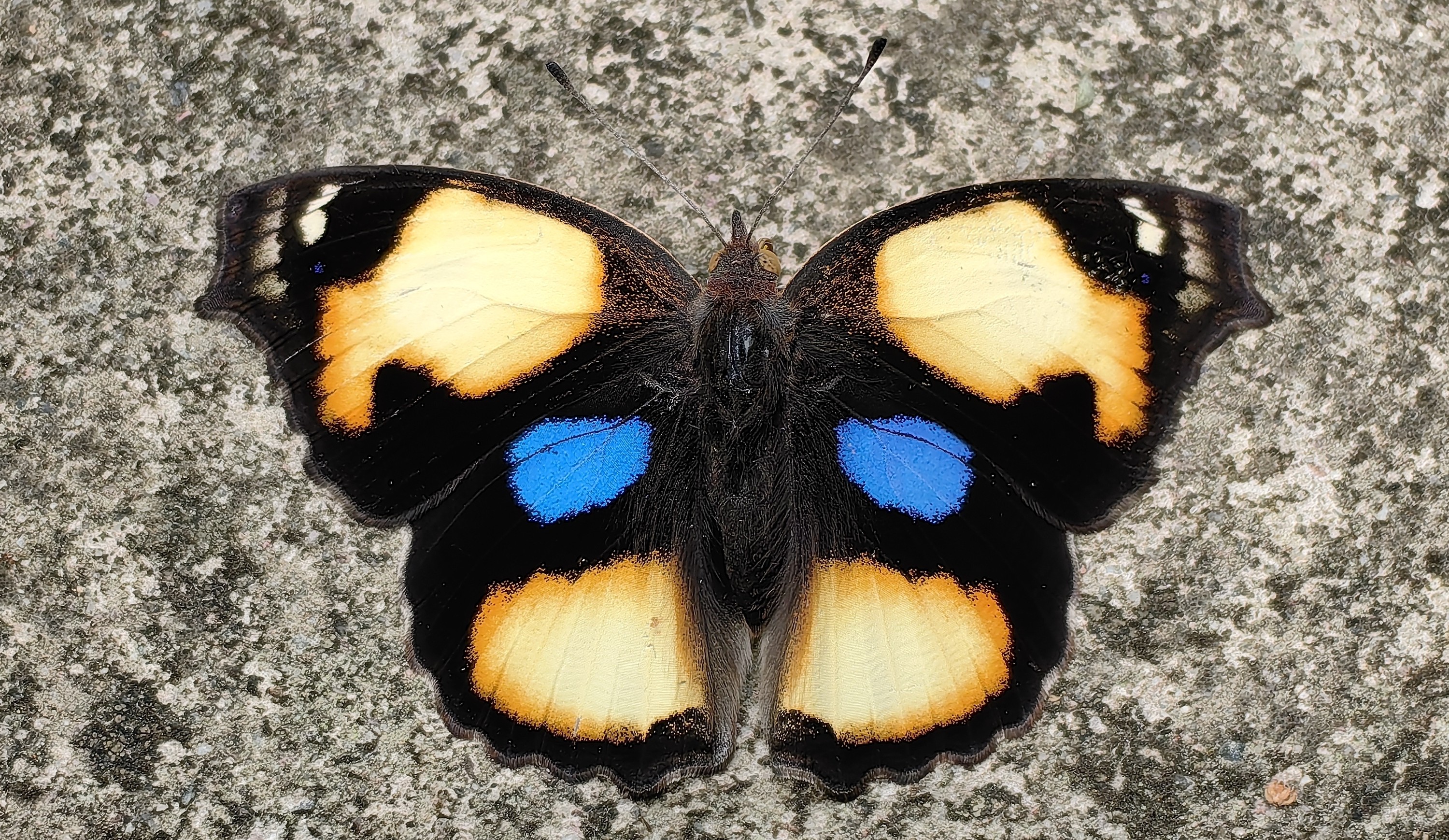
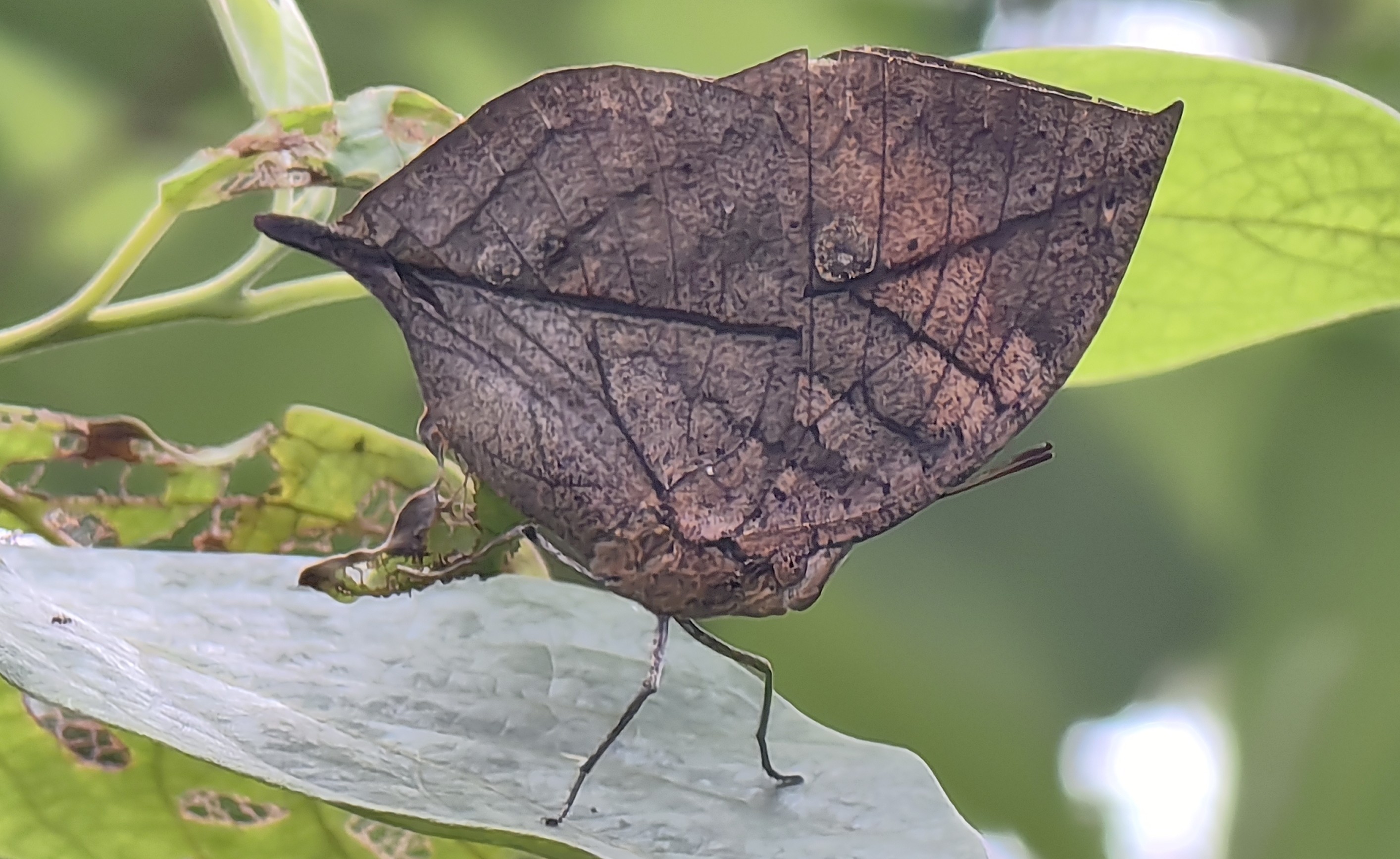
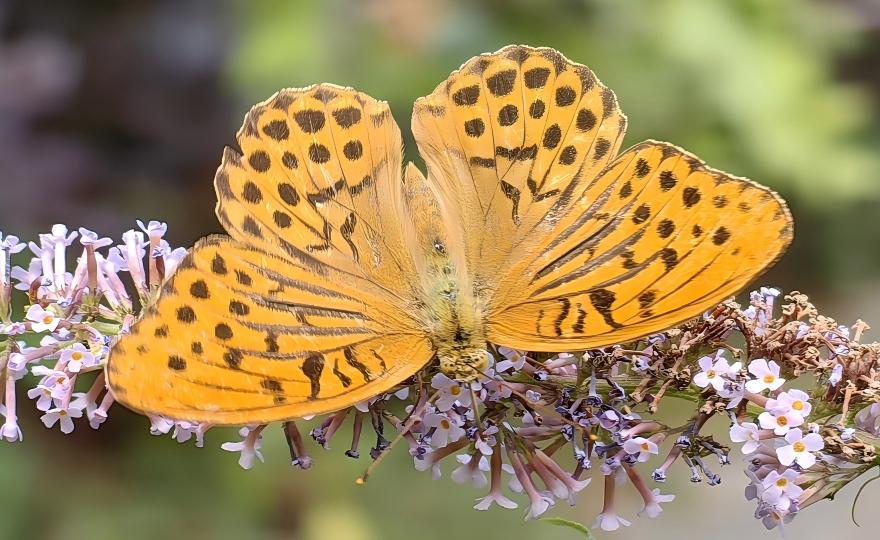
We will search for the Indian Fritillary (*Argynnis hyperbius*) and the spectacular Orange Oakleaf (*Kallima inachus*) as it snaps its wings shut to reveal a dead-leaf underside—so convincing you will question your own eyes.
Keep an eye out for Azure-winged Magpies and other corvids foraging along the forest edge.
*Overnight: Lijiang.*
*Morning:* Drive to Laojun Mountain, a UNESCO World Heritage site famed for its Danxia landforms and extraordinary alpine biodiversity.
Ascend by cable car into alpine meadows and hike through pristine forest and grassland.
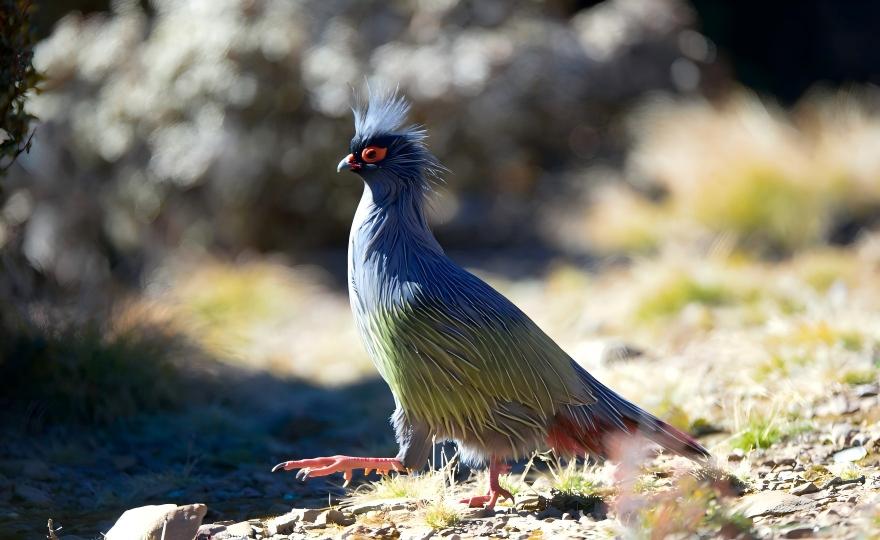
Scan the undergrowth for the Blood Pheasant as it scratches through the leaf litter, its crimson plumage catching shafts of light through the canopy, and the Temminck’s Tragopan—two of Southwest China’s most iconic gallopheasants.
*Afternoon:* Focus on butterfly hotspots near the sandstone cliffs.
Search for the endemic Precious Clossiana (*Clossiana gong*) and various fritillaries (*Argynnis* spp.) nectaring on early-blooming Himalayan blue poppies (*Meconopsis*)—a preview of the botanical spectacles ahead.
*Overnight: Laojun Mountain Guesthouse.*
*Morning:* Final exploration of Laojun Mountain, targeting micro-habitats for Lycaenidae (gossamer-winged butterflies) and Hesperiidae (skippers)—two diverse yet easily overlooked families in Yunnan butterfly watching.
These small, fast-flying species dart between low herbs like sparks from a fire, rewarding patient observation.
*Afternoon:* Drive to Shangri-La, witnessing the dramatic vegetation shift from dry scrub to subalpine coniferous forest across just 80 kilometers.
Make a brief stop at Napa Lake (*Napahai*), a high-altitude wetland where Black-necked Cranes stand like sentinels in the tall grass and Bar-headed Geese paddle in formation—a quick birdwatching interlude showcasing the Hengduan Mountains’ role as a corridor for both alpine butterflies and migratory waterbirds.
*Overnight: Shangri-La City.*
*Morning:* Ascend Shika Snow Mountain by cable car to 4,500m, traversing from subalpine forest to alpine tundra where the wind sharpens and the only sound is the crunch of boots on lichen-covered stone—one of the most accessible vertical zonation demonstrations in the Hengduan Range.
Each vegetation belt hosts its own butterfly assemblage; we will note the species turnover as we gain altitude.
*Afternoon:* Explore rocky ridges for early Parnassius (Apollo butterflies) activity.
The slopes are dotted with Delavay’s Peony (*Paeonia delavayi*) and alpine rhododendrons—key nectar sources for high-altitude butterflies including Symbrenthia.
Scan the forested slopes below for White Eared Pheasant, another wildlife highlight sharing this alpine ecosystem.
*Overnight: Shangri-La City.*
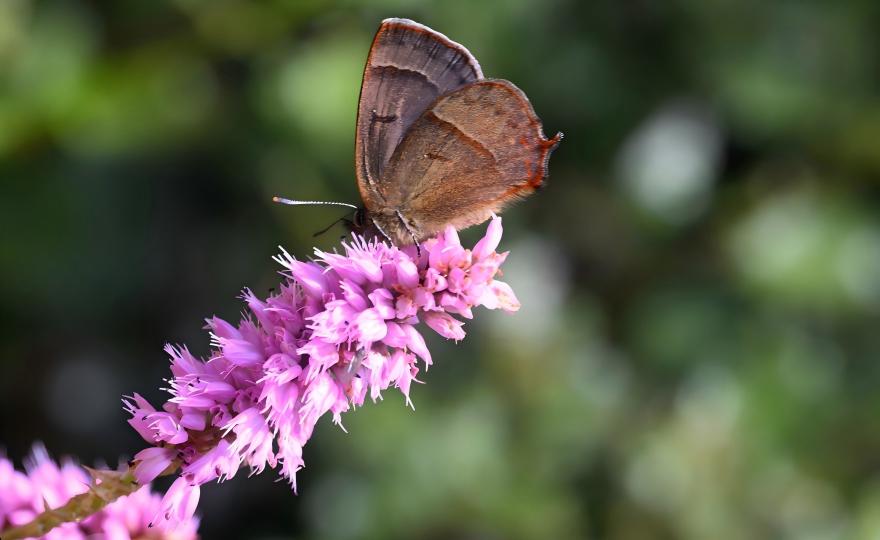
*Morning:* Depart early for Baima Snow Mountain. Drive to the pass at 4,292m—the highest point of our journey.
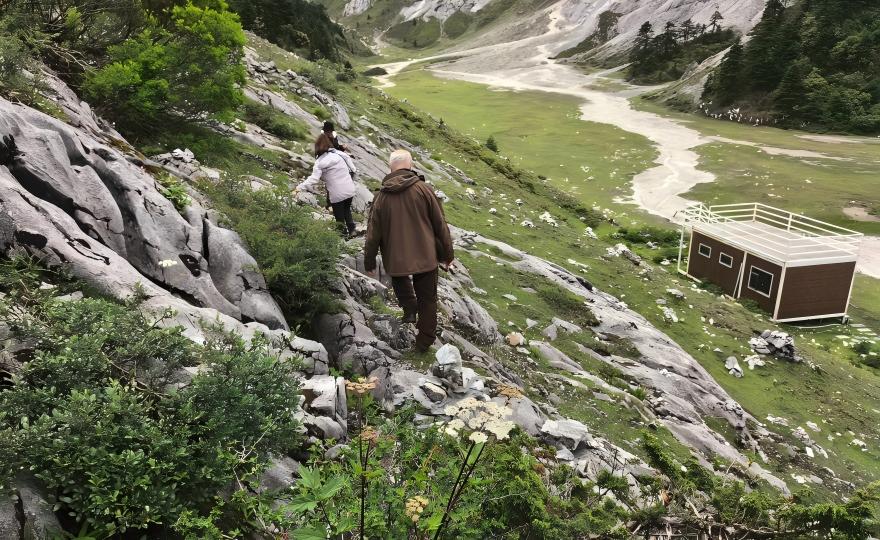
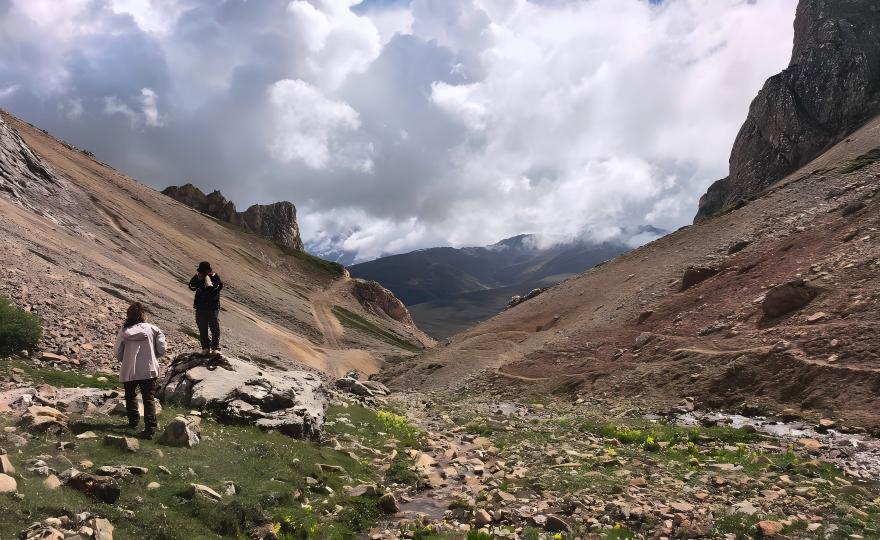
Hike onto ancient scree slopes that shift and clink underfoot, a lunar landscape where life seems impossible—until a flash of wings proves otherwise.
*Afternoon:* Peak time to spot Parnassius Apollo butterflies gliding over the scree like translucent handkerchiefs caught in an updraft—among the most iconic high-altitude butterflies of the Hengduan Mountains.
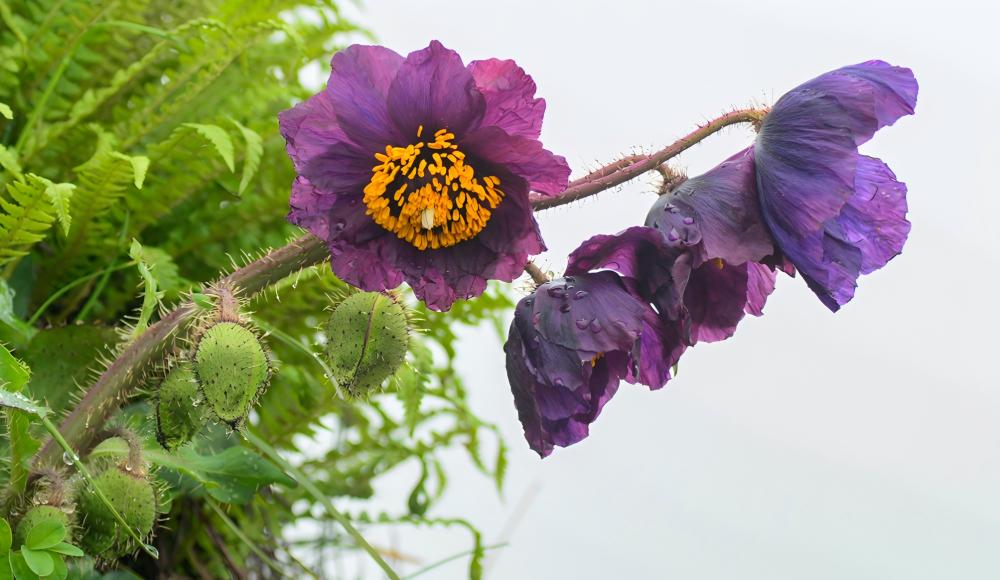
The scree is also a botanical wonderland of blue poppies (*Meconopsis*).
Here we observe a fascinating alpine ecosystem interaction: Plateau Pikas pop in and out of burrows like furry jack-in-the-boxes, while Snowfinches dart from hole to hole, nesting in abandoned pika burrows—a classic symbiotic relationship that illustrates how butterfly habitat supports a wider web of wildlife.
*Overnight: Benzilan or Deqin (lower altitude for better rest).*
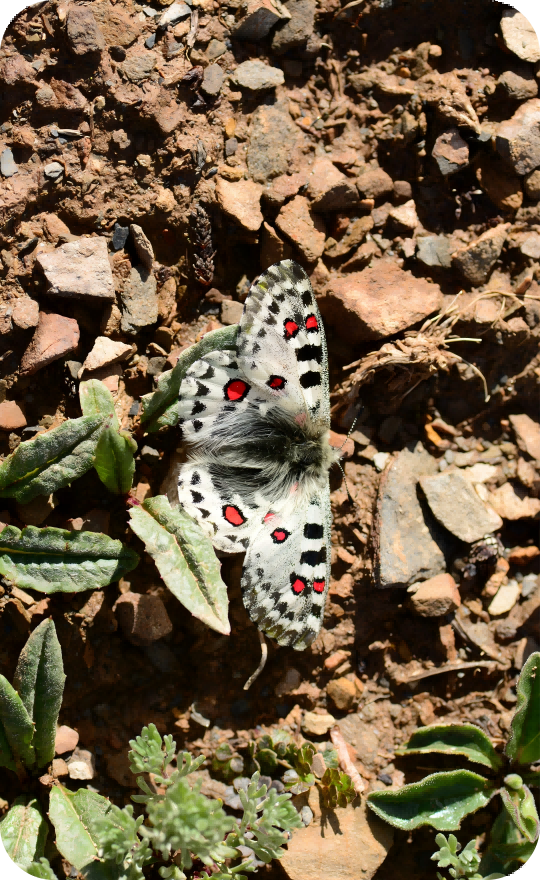
*Morning:* Explore a different valley flank of the Baima Mountain range.
This damper, forested sector offers chances for Amathusiini (palmflies) that sail through the shade like fallen leaves with a mind of their own and Libythea (snout butterflies)—tropical elements reaching their northern limit here in Northwest Yunnan, adding a distinct chapter to our butterfly diversity survey.
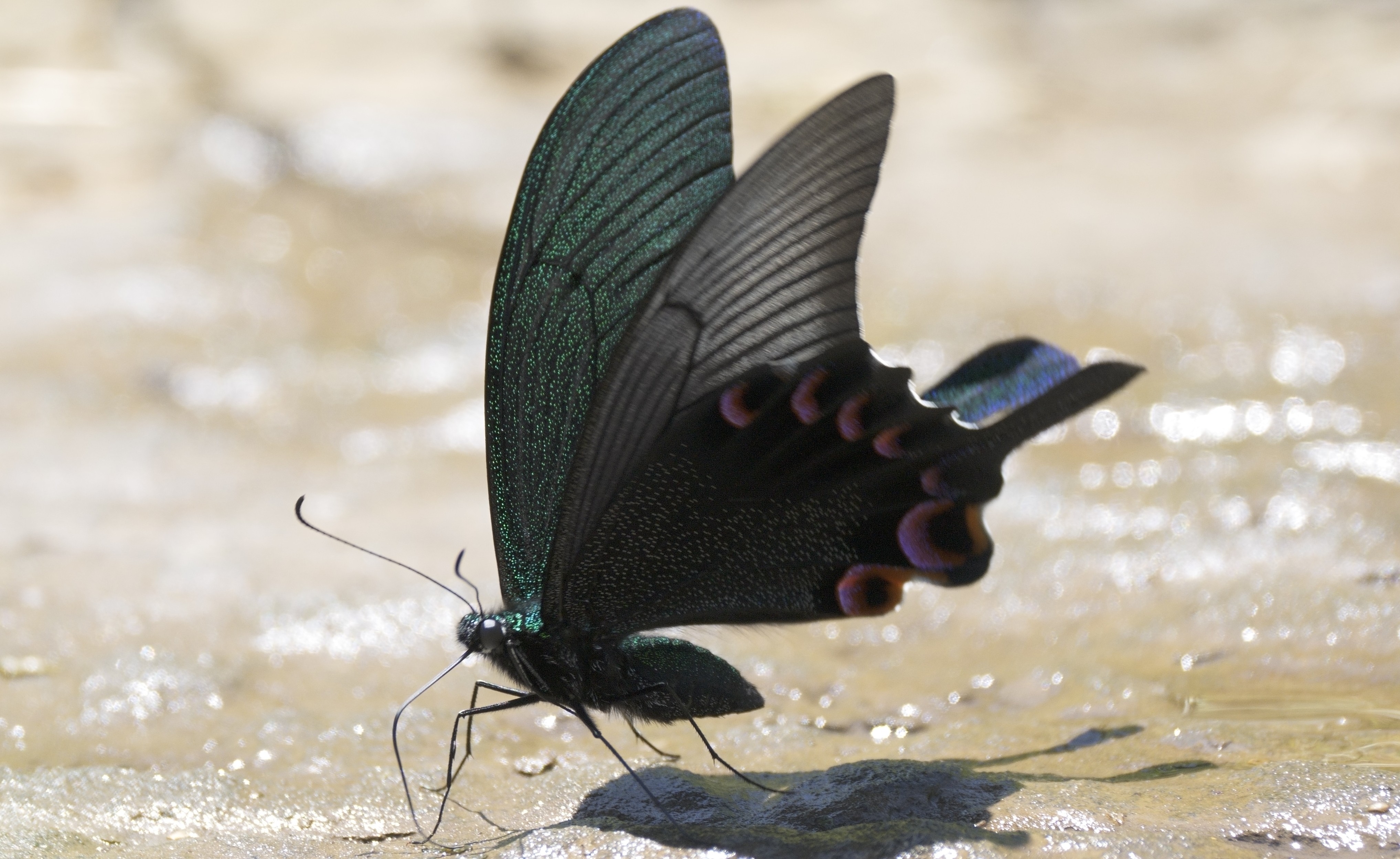
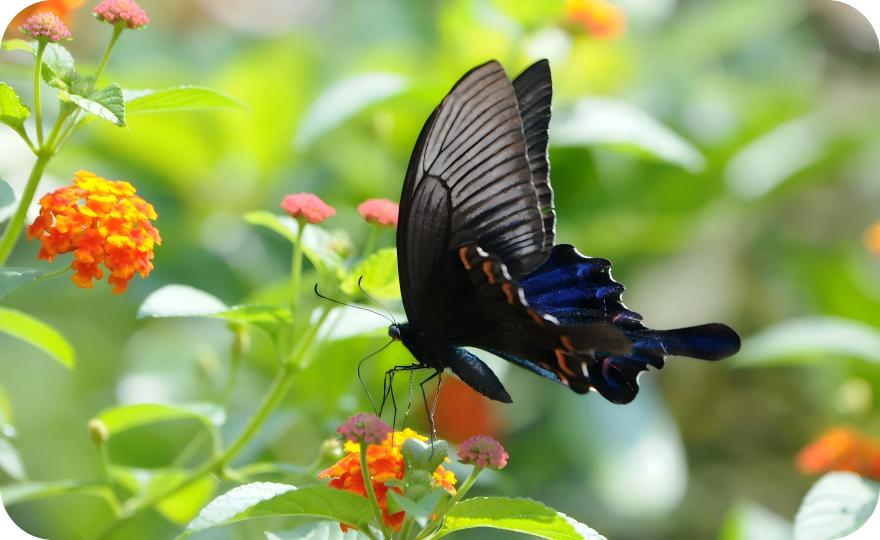
*Afternoon:* Drive toward Weixi, stopping along forest edges to search for the Great Mormon (*Papilio memnon*) with its iridescent blue flashing through the gloom, other Nymphalidae, and larger Satyridae (browns) mud-puddling on mountain roads.
A dedicated butterfly-focused afternoon—pure entomological reward.
*Overnight: Weixi.*
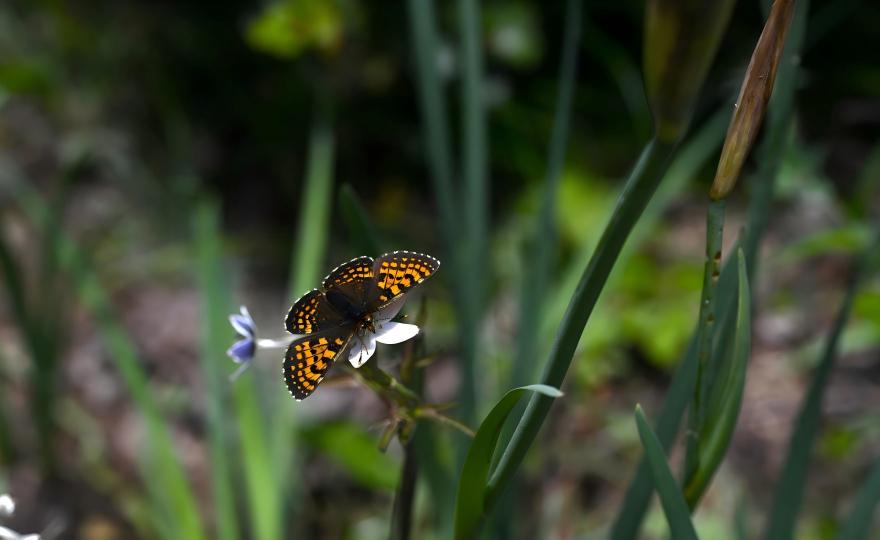
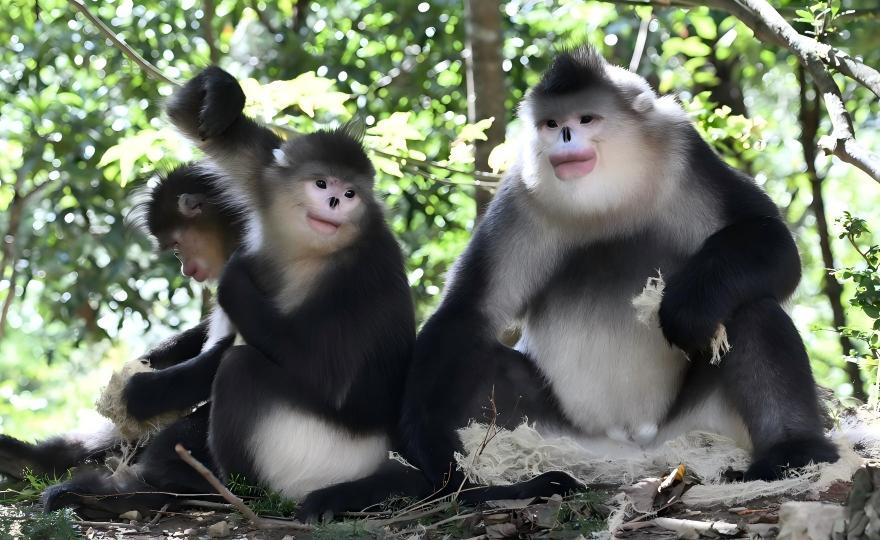
*Morning:* Explore the forest ecosystem of Yunnan Snub-nosed Monkey National Park.
While our primary focus remains on butterfly activity along the forest trails—watching for Satyridae and Pieridae in the dappled light—we may encounter the world’s largest habituated population of these endangered primates as they strip lichen from branches, their blue-lipped faces peering down with apparent curiosity.
A rare opportunity to observe butterfly-primate habitat overlap in one of China’s most biodiverse forests.
*Afternoon:* A leisurely walk through Tacheng farmland and forest edges, looking for the Common Evening Brown (*Melanitis leda*) as it flutters out of the grass at your approach, then vanishes back into the green and other agricultural-edge butterfly species.
Wrap up the expedition with a summary lecture on Yunnan butterfly diversity and the Hengduan Mountains’ role as a global biodiversity hotspot.
*Overnight: Tacheng.*
*Morning:* Enjoy a relaxed breakfast surrounded by birdsong.
A final butterfly photography session targeting Pieridae (whites and yellows) floating above the wildflowers like confetti and Papilionidae (swallowtails) swooping through in bold, looping flight near the lodge—a last chance to add species to your butterfly watching list.
*Afternoon:* Transfer to Lijiang or Shangri-La Airport for your departure. End of service.
Family | Target Species | Habitat |
Papilionidae | Great Mormon, Chinese Windmill, Common Rose (*Byasa alcinous*) | Forest edges (Day 1, 6) |
Nymphalidae | Indian Fritillary, Orange Oakleaf, Precious Clossiana, Dark Blue Tiger (*Parantica sita*) | Valley to alpine (Day 1–5) |
Parnassiidae | Parnassius spp. (incl. *P. epaphus*) | Scree slopes 3,500–4,500m (Day 5) |
Lycaenidae | Celastrina spp., *Albulina* spp. | Laojun Mountain (Day 2–3) |
Pieridae | Clouded Yellows, Pale Clouded Yellows | Farmland & meadows (Day 7–8) |
Hesperiidae | Various skippers | Laojun Mountain (Day 3) |
Category | Species | Day |
Pheasants | Blood Pheasant, Temminck’s Tragopan, White Eared Pheasant | 2, 4 |
Cranes | Black-necked Crane | 3 |
Geese | Bar-headed Goose | 3 |
Primates | Yunnan Snub-nosed Monkey | 7 |
Small Mammals | Plateau Pika | 5 |
Birds | Snowfinch, Azure-winged Magpie | 1, 5 |
Frequently Asked Questions (FAQ)
Butterflies are cold-blooded—their activity is dictated entirely by sunlight and temperature. Our peak butterfly window is 10:30 AM – 3:00 PM, when solar radiation is strongest and air temperatures peak on the slopes.
This is not guesswork: our daily schedule is built around this window. We position you on scree slopes and alpine meadows during these hours, and shift bird and mammal watching to early morning and late afternoon when butterflies are grounded.
In practice, this means: a dawn start for Blood Pheasants calling from the forest, a mid-morning ascent to 4,000m for Parnassius Apollos at their most active, and a relaxed afternoon descent with camera in hand.
This expedition is rated Strenuous. Here is what that actually means on the ground.
We use vehicles to reach as high as possible, but locating target butterflies requires walking on unstable scree (loose rock) at 3,500m – 4,300m. At this altitude, oxygen levels are roughly 40–60% of sea level—every step costs more than you expect.
You do not need to be an athlete, but you do need prior hiking experience at altitude and a reasonable baseline of fitness. If you can comfortably walk 5–8 km on hilly terrain at home, you will manage the pace.
We never rush. Breaks are frequent, and our guide continuously monitors how each participant is feeling. The goal is to enjoy the butterflies—not to suffer for them.
Three categories, based on what our past participants have found most useful:
Macro (essential): A 100mm or 105mm macro lens. This is your primary tool for Apollo butterflies on scree and alpine flowers like blue poppies and gentians. Working distance matters—these butterflies are wary, and a 100mm gives you enough reach without spooking them.
Telephoto (highly recommended): A 400mm+ lens. Yes, this is a butterfly tour—but when a Blood Pheasant steps into a shaft of light at 30 meters, or a Snub-nosed Monkey appears in the canopy, you will want reach. Past participants who brought only macro lenses consistently regretted it.
Stability (useful): A lightweight carbon fiber tripod or beanbag. Wind is constant on the ridges above 4,000m, and even a slight breeze at 1/200s can soften a macro shot. A beanbag on a rock is often faster to deploy than a tripod on scree.
Honestly—no wildlife sighting is ever guaranteed. But here is the context that matters.
We visit known Parnassius habitats during their peak flight season (July–August), at the optimal time of day (10:30 AM – 3:00 PM), with guides who have tracked these butterflies across multiple seasons. Our success rate for locating at least one Parnassius species is extremely high.
The real variable is weather. Parnassius butterflies do not fly in heavy rain or sustained winds above 20 km/h. If a storm system moves through on our scree slope day, we may need to adjust plans—but our guides know alternative sheltered micro-habitats where butterflies can still be active.
What we can guarantee: even if conditions are suboptimal for Parnassius, the same slopes host fritillaries, alpine blues, and other species that are more wind-tolerant. You will not leave empty-handed.
Yes, and they are non-negotiable.
The alpine scree ecosystem above 3,500m is among the slowest-recovering habitats on Earth—a single footprint can compress lichen and moss that took decades to establish. Pika burrows, which sustain both the pikas and the Snowfinches that nest in abandoned tunnels, are easily collapsed.
Three absolute rules:
· No collecting. No butterfly specimens, no plant specimens, no rocks or minerals. Full stop.
· No off-trail scrambling on scree. Stay on the paths our guide identifies. Random foot traffic destroys the very habitat that supports the butterflies you came to see.
· Leave No Trace. All waste—including biodegradables—carries out with us. This is not a suggestion; it is a condition of participation.
We are guests in one of the world’s most biodiverse mountain ranges. Our presence should be invisible.
Thanks for helping us to fill the following form about your personal preferences. This information you provide can help us to plan the best trip especially for you.




Copyright © 2026 • China Wildlife Tour All Rights Reserved Safari in Cina
 中文
中文