(+86)133 8819 6153
info@chinawildlifetour.com

Price from $ 2199/pax for group of 4-8 pax June 23, 2027
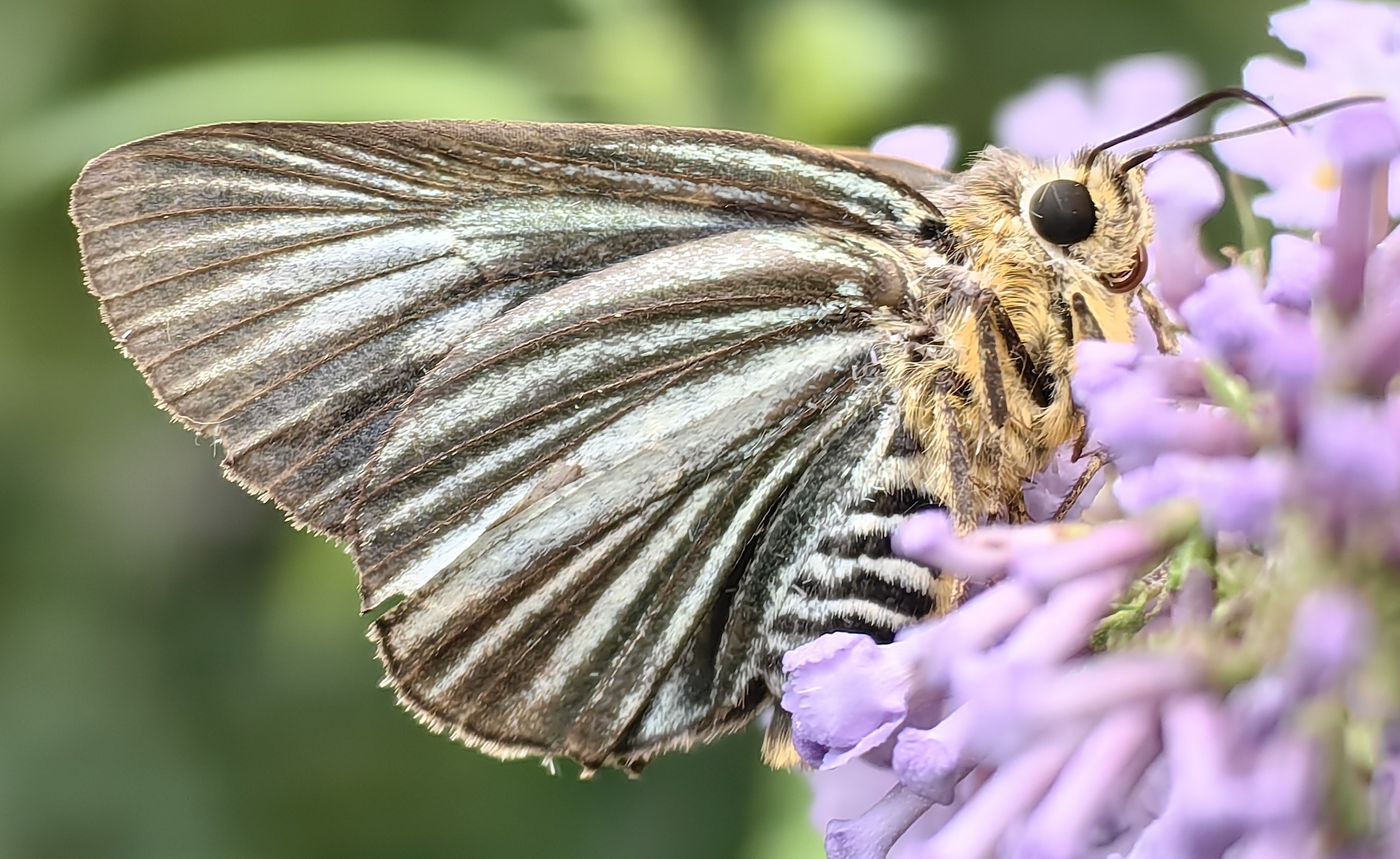
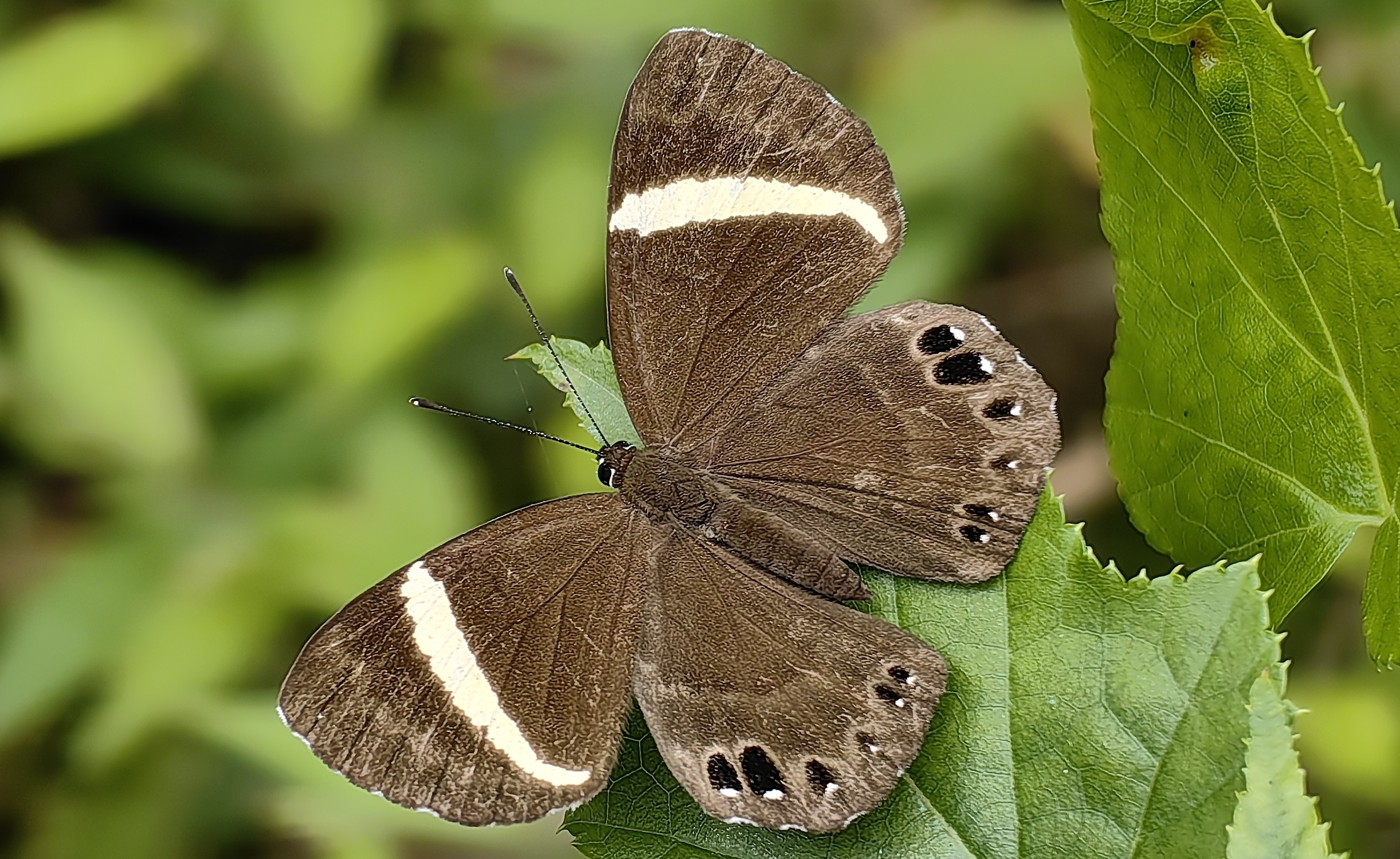
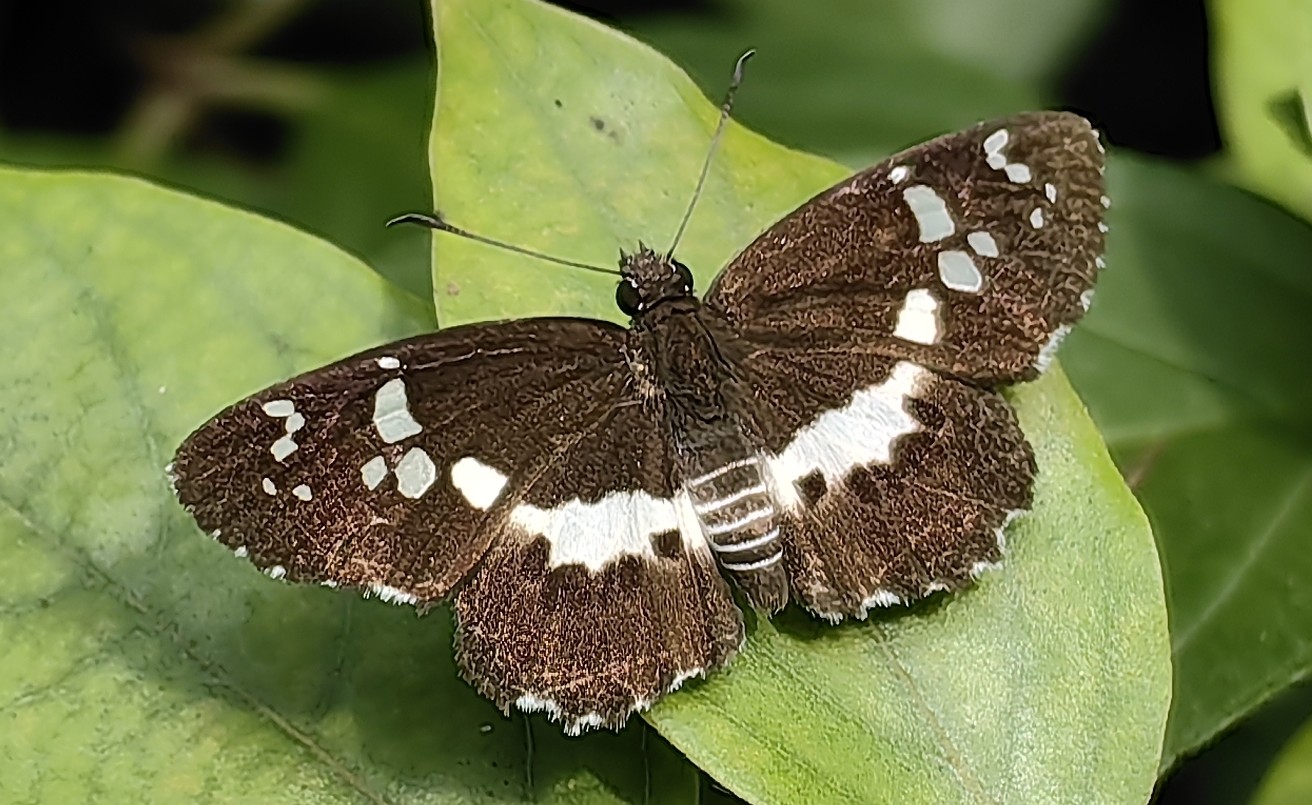
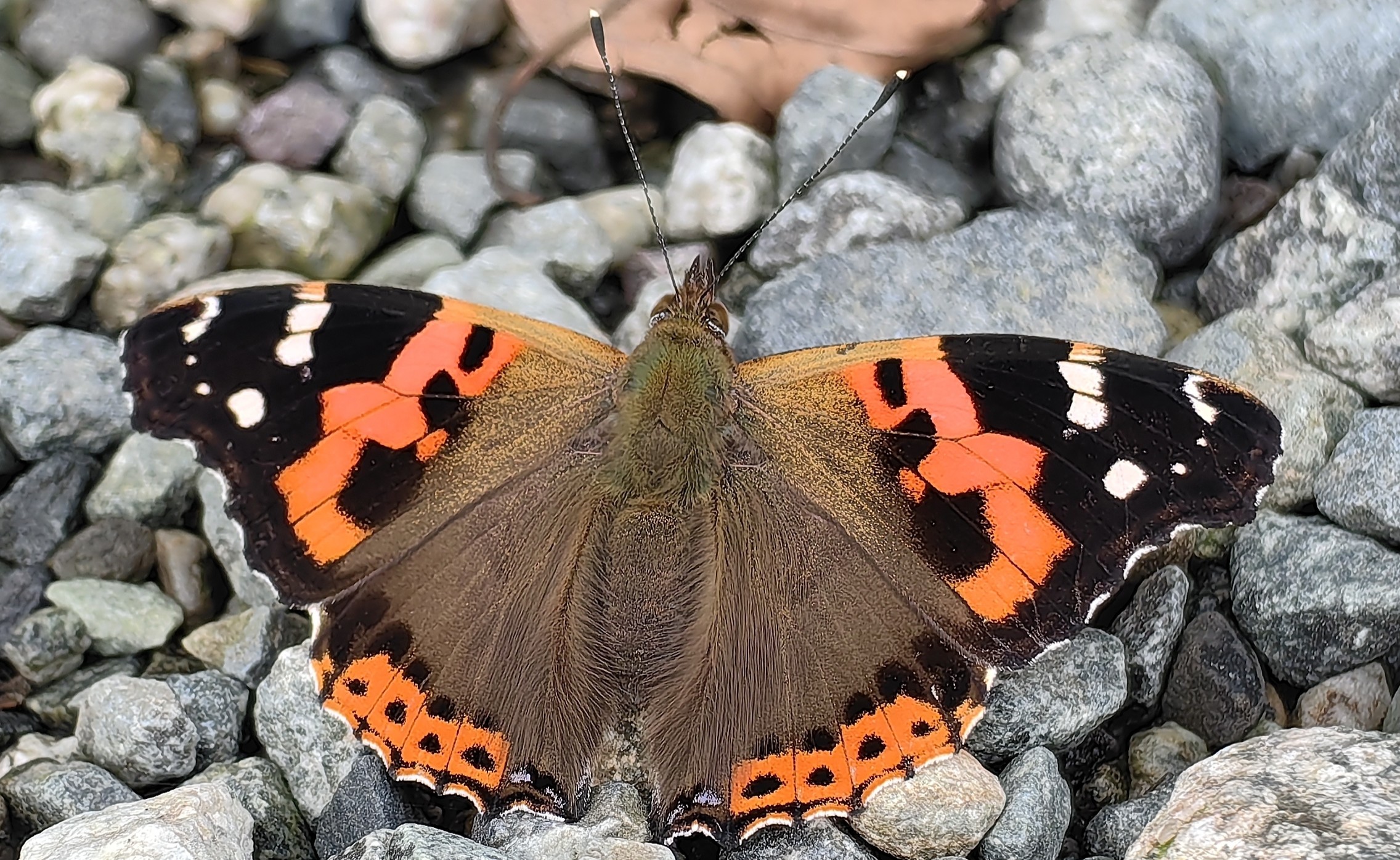
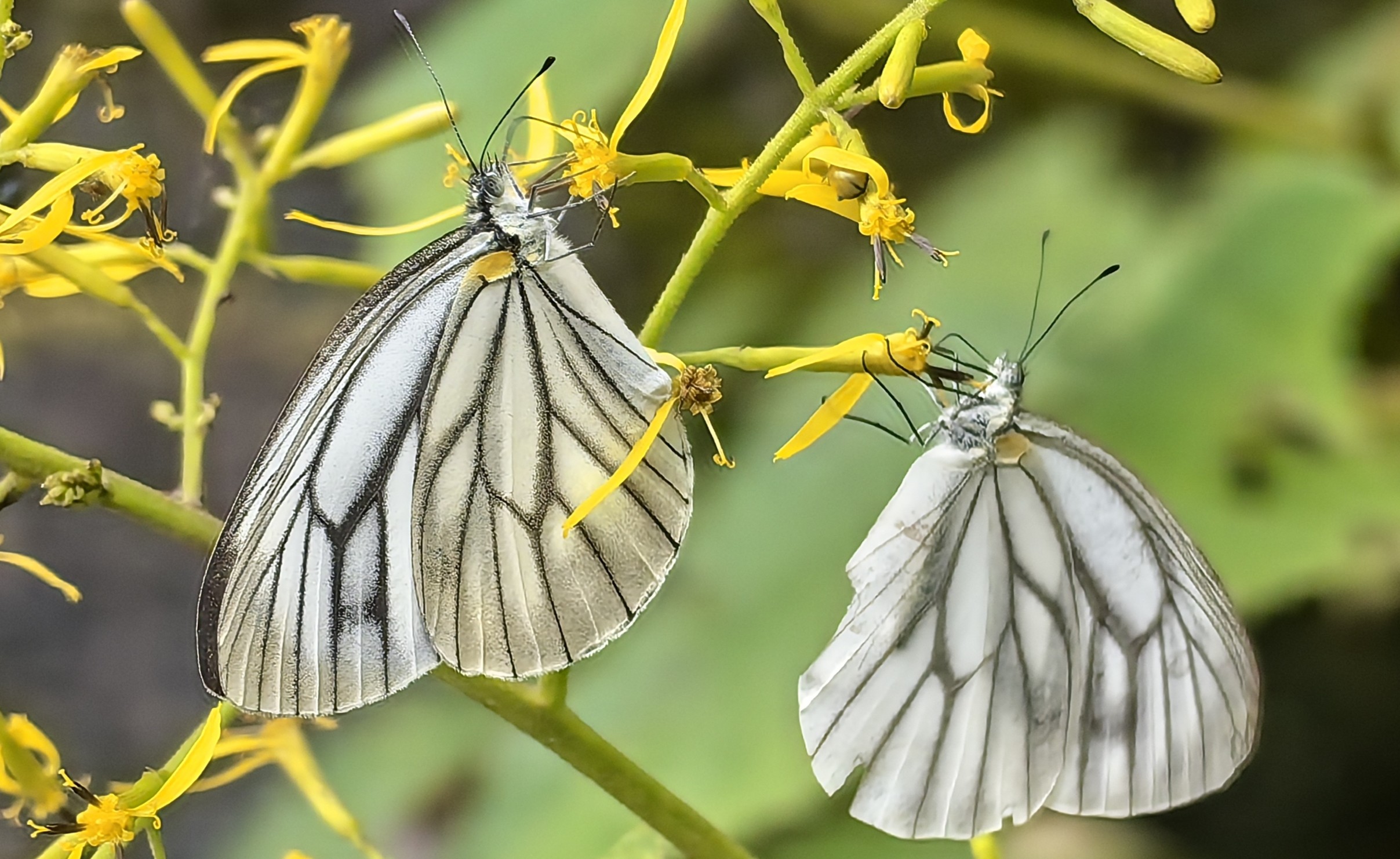
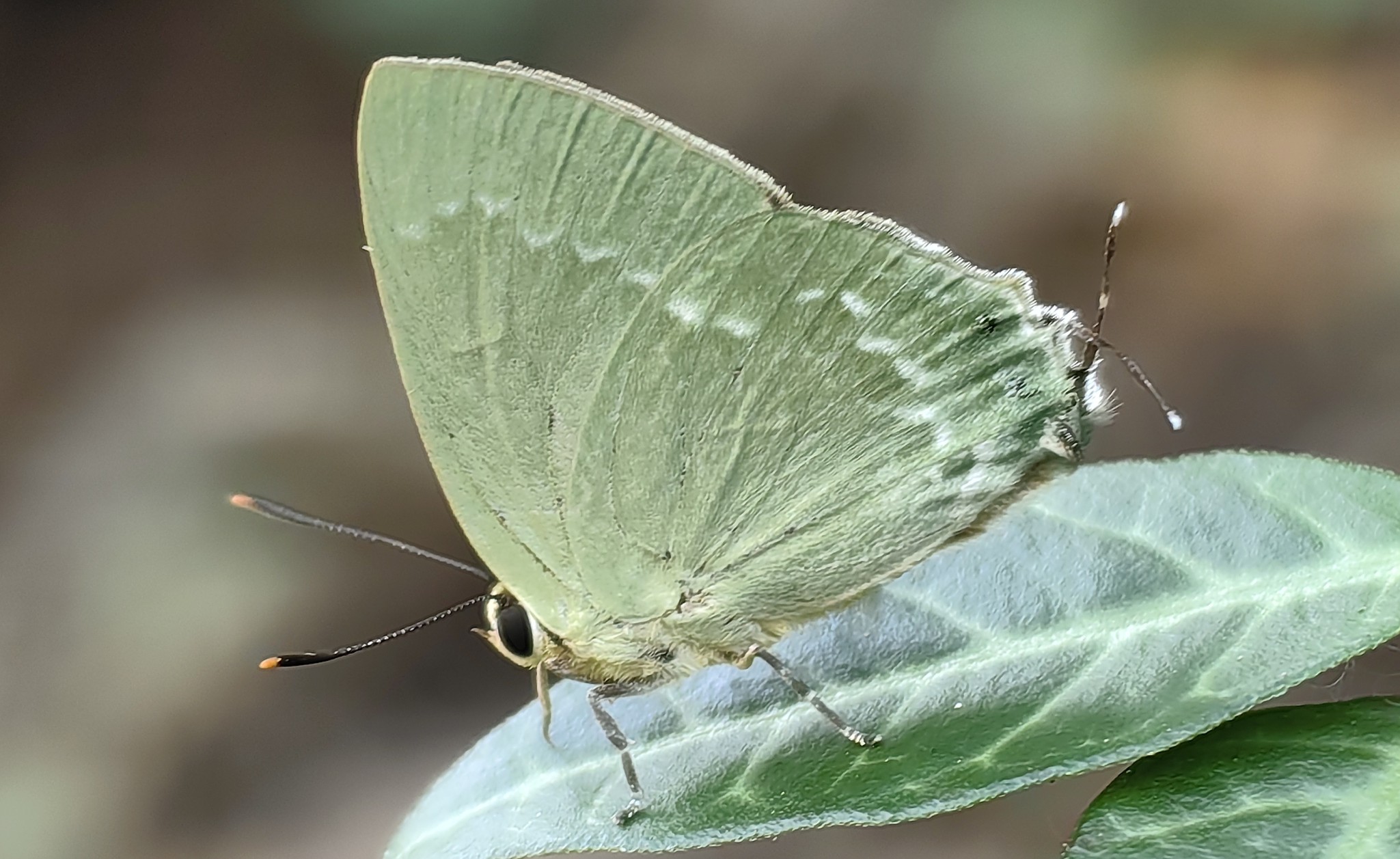
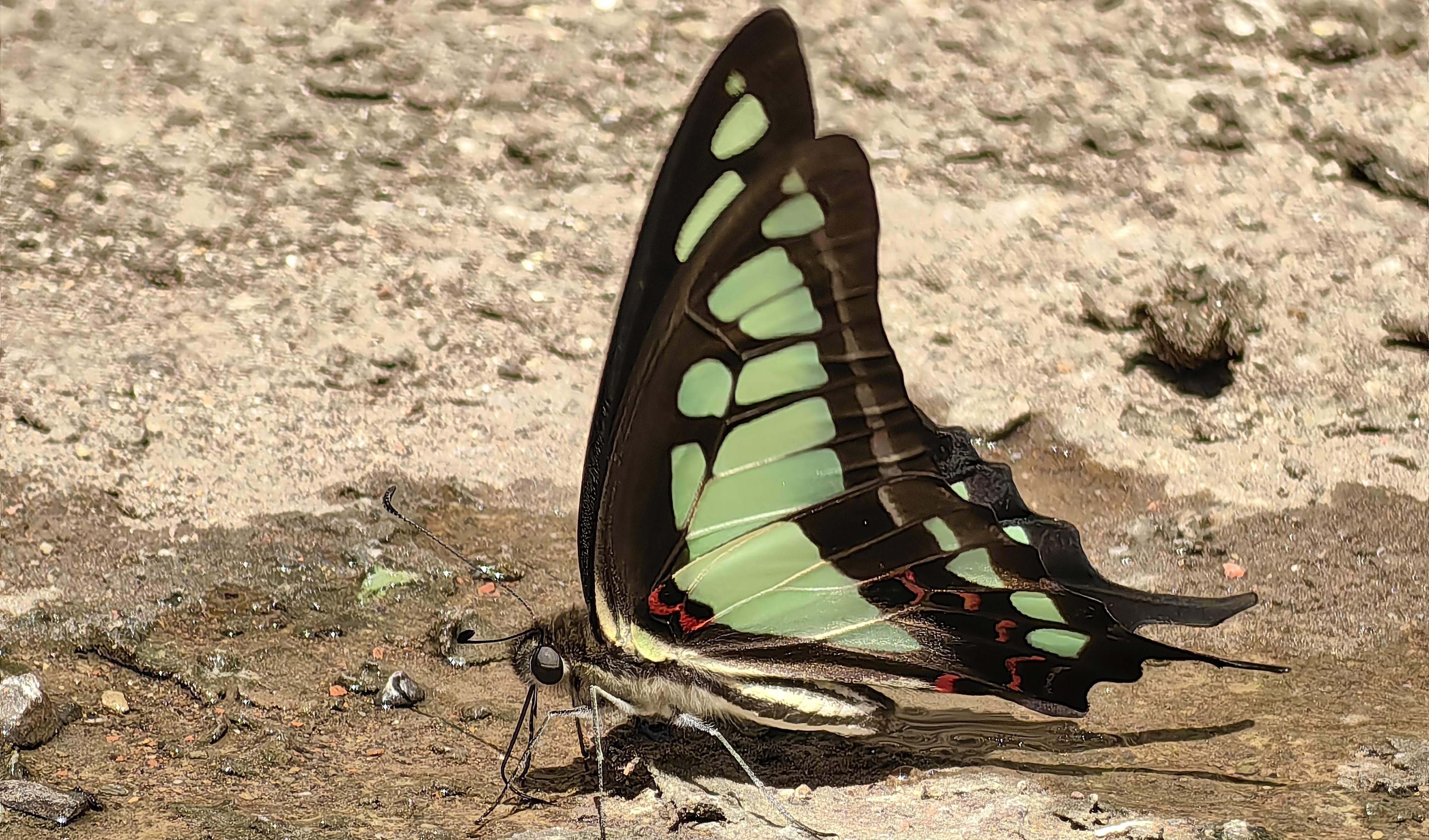
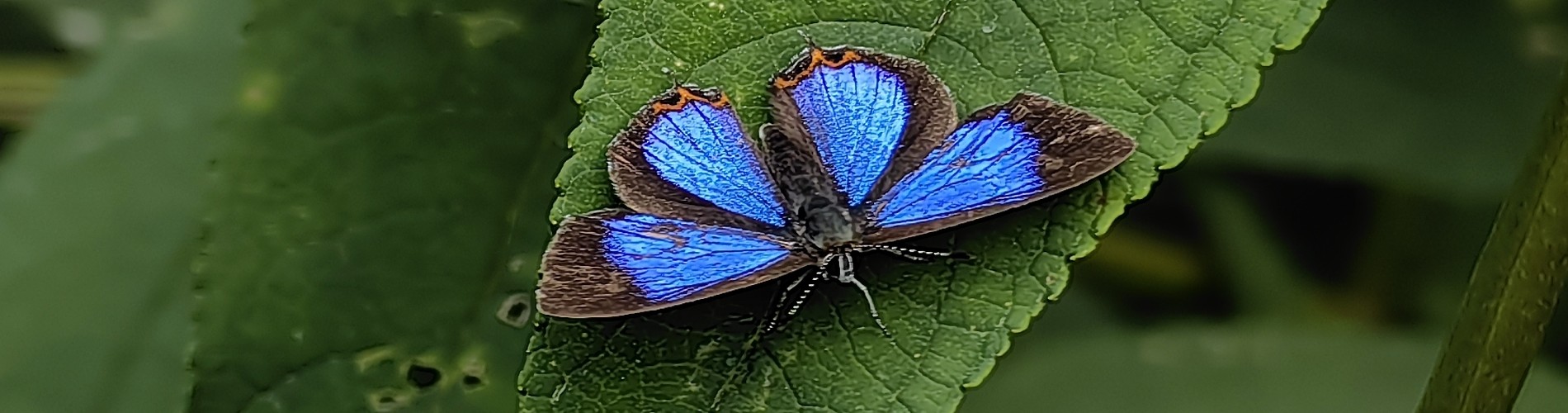
Destination: Hainan Tropical Rainforest National Park, China
Duration: 7 Days / 6 Nights
Best Season: Late April – Early August (Peak butterfly activity & rainy season vitality)
Difficulty Level: Strenuous (Intense hiking in humid, rugged terrain; basic accommodation)
Overview
Journey to Hainan Island, a secluded evolutionary laboratory that has been separated from the mainland for millions of years. This expedition is designed for the hardcore naturalist, offering a rare opportunity to explore the “Amazon of the Orient.” We traverse three distinct mountain ranges—Diaoluoshan, Bawangling, and Jianfengling—to unlock the secrets of island biogeography.
This is not a sightseeing tour; it is a rigorous field study into the mechanisms of speciation and the critical issue of habitat fragmentation. We will trace the evolutionary paths of endemic species, from the elusive Golden Kaiserihind (Teinopalpus aureus)—China’s “Queen of Butterflies”—to the Hainan Gibbon, the world’s rarest primate.
Highlights
· Quest for the Golden Kaiserihind: Trek into the core habitat of *Teinopalpus aureus*. Learn to identify its specific larval host plants (Magnoliaceae family) and master the art of locating this canopy-dwelling phantom.
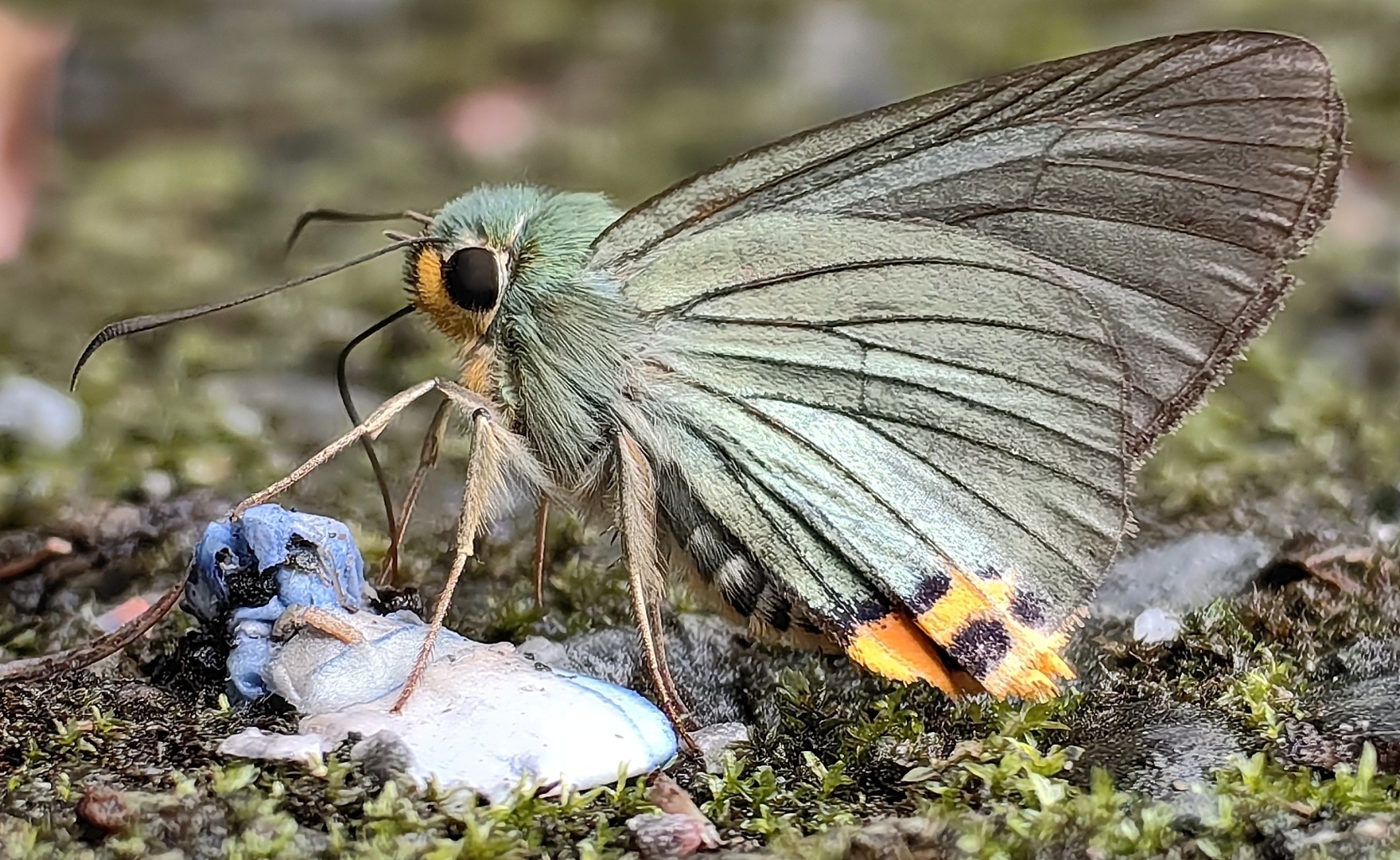
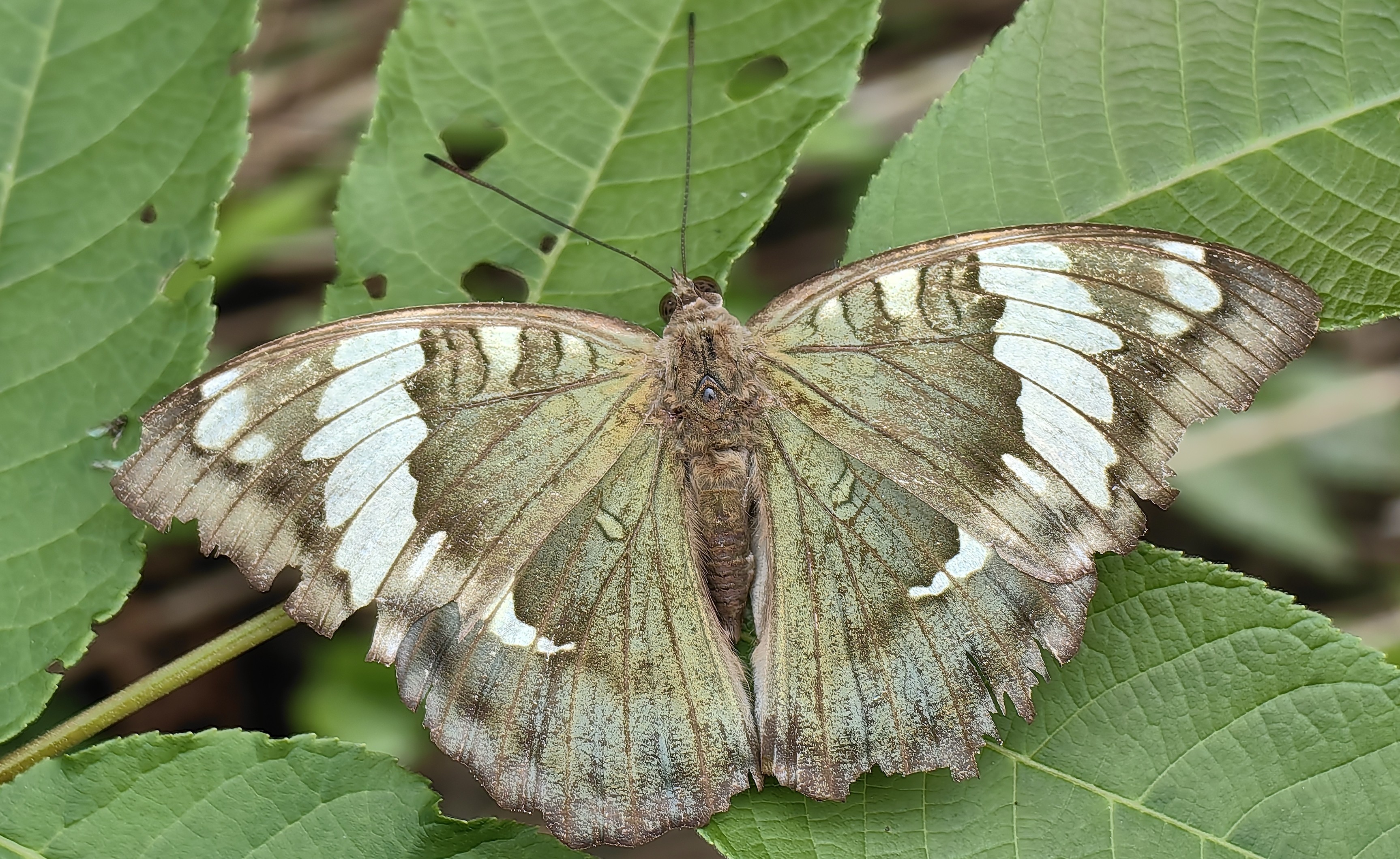
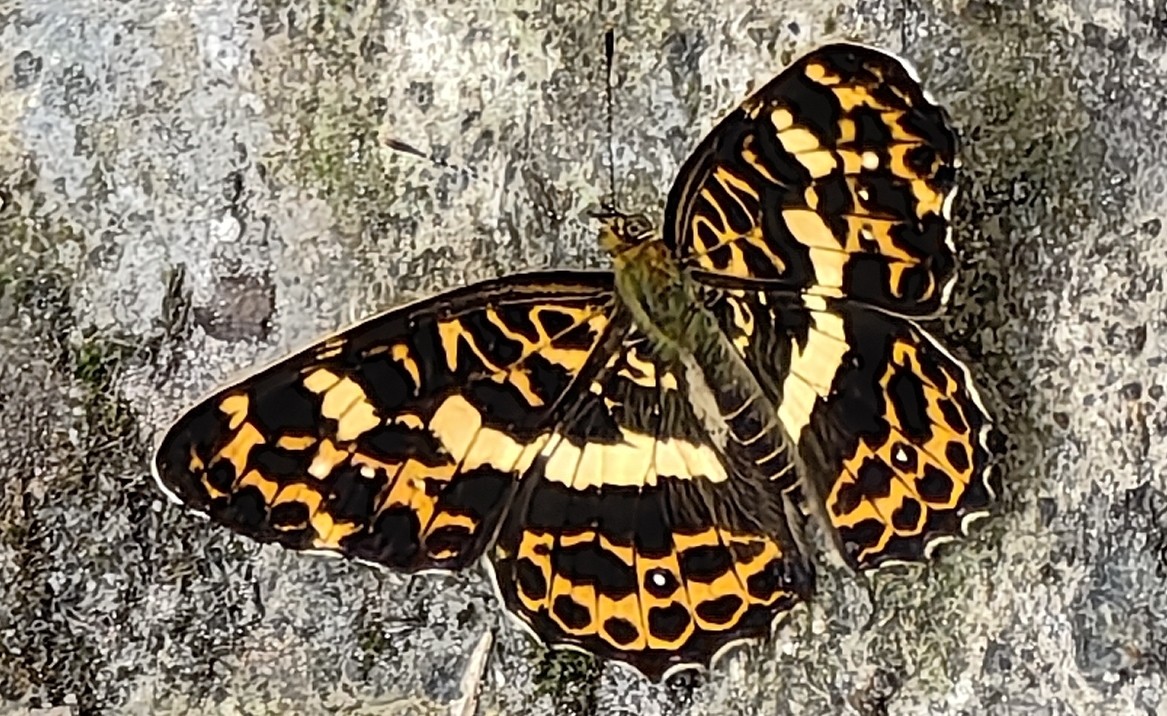
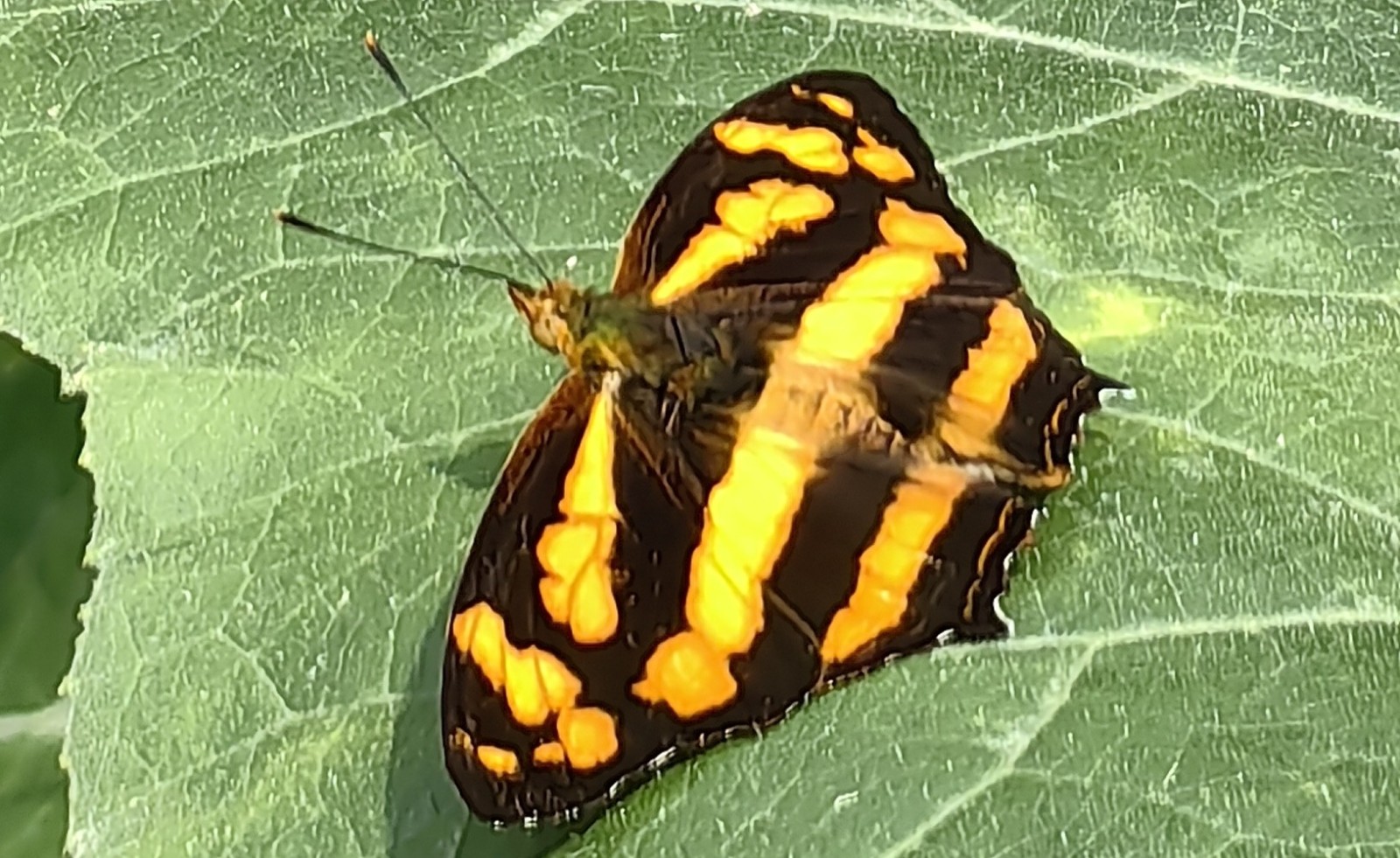
· Island Endemism Unveiled: Observe distinct Hainan endemics and subspecies, such as the Hainan Green Nymph (*Euthalia hainana*) and the Hainan Lacewing (*Cethosia biblis*), discussing how geographic isolation drives divergence.
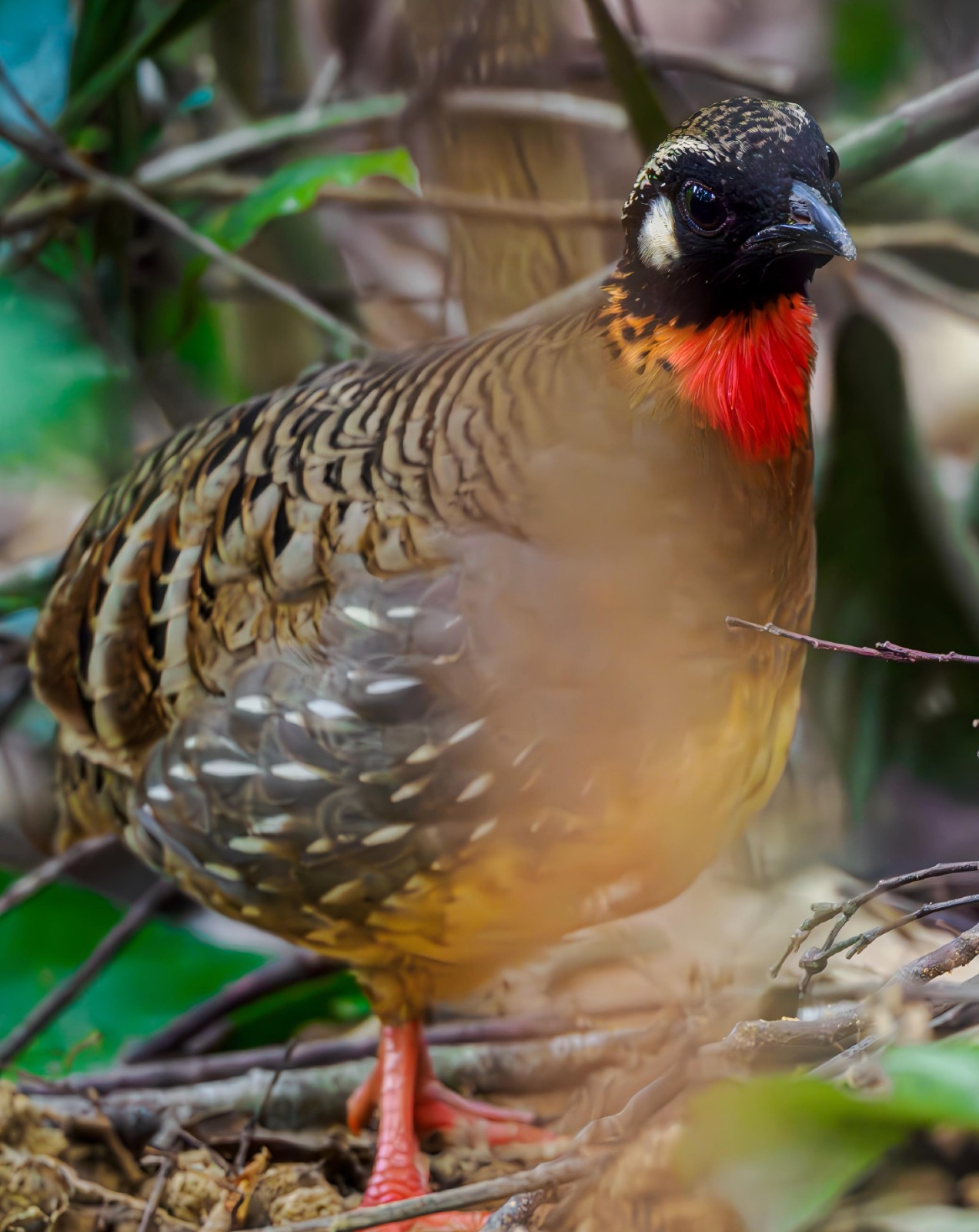
· Cross-Taxa Conservation: Track the critically endangered Hainan Gibbon by ear in the misty peaks of Bawangling and search for the Hainan Partridge (*Arborophila ardens*), a bird found nowhere else on Earth.
· 24-Hour Biodiversity Watch: Utilize peak daylight hours for butterfly observation; dawn and dusk for endemic birds; and nightfall for spotlighting herpetofaena and moth-lighting sessions.
Day-by-day Itinerary
Day 1: Arrival & Lowland Rainforest Immersion
Arrival in Haikou or Sanya airport. Meet your private guide and driver and then transfer to Diaoluoshan National Forest Park. Check into the protected station (basic facilities). Briefing on *Hainan Island Biogeography*.
Evening: Introductory Night Walk. Adapt to the dark forest environment. Spot glow-worms, centipedes, and endemic tree frogs.
Overnight: Diaoluoshan Protection Station.
Day 2: Diaoluoshan – Tracking the Kaiserihind
AM (06:30 – 10:30): Birding & Hiking. Early start to locate the Hainan Hwamei. Begin a strenuous hike through the tropical monsoon forest, examining vertical vegetation zonation.
PM (10:30 – 14:30): Butterfly Peak Activity. Focus on ridge lines populated by Magnolia host plants. Position for the Golden Kaiserihind, which patrols these high-altitude corridors. Document host plant interactions.
PM (14:30 – 17:30): Continue to stream habitats to observe mud-puddling behavior in Crows (*Euploea*) and Yellows (*Eurema*).
Overnight: Diaoluoshan Protection Station.
Day 3: Bawangling – The Kingdom of the Gibbon
AM: Transfer to Bawangling National Nature Reserve. This region boasts the best-preserved primary forest on the island.
PM: Arrive at the research station. Afternoon hike along gibbon monitoring trails. Target species: Arrow Saturn (*Stichophthalma howqua*) and Striped Gull (*Cepora nadina*).
Evening: Moth Lighting. Set up high-intensity UV lights. Target: Atlas Moth, *Attacus* spp., and various Longhorn beetles.
Overnight: Bawangling Expert Hostel.
Day 4: Bawangling - Jianfengling
AM (06:00 – 10:00): Gibbon Tracking and Endemic Birding. Enter the core zone buffer area under expert guidance to listen for and track the Hainan Gibbon. Then we search the forest floor for the Hainan Partridge.
PM (10:00 – 16:00): Butterfly Photography. Explore waterfall areas in Bawangling. Focus on Lycaenids (Blues) and Hesperiids (Skippers). Look for the Hainan Peacock Royal (*Tajuria diaeus*).
In the late afternoon, we drive across the central island mountains to Jianfengling National Forest Park. Observe changes in flora along the elevation gradient.
Overnight: Jianfengling Hotel/Station.
Day 5: Jianfengling Valley
Full day: Arrival at Tianchi (Heavenly Lake). Enter the pristine valley rainforest and watach butterfly "Erupution". Depending on the season, witness mass flights of Lemon Emigrant (*Catopsilia pomona*) or Mottled Emigrant (*Catopsilia pomona*). Target Blue Triangle (*Graphium sarpedon*) and Tailed Jay (*Graphium agamemnon*).
Evening: Herpetofauna Night Walk. Hunt for the Hainan Leopard Gecko (*Goniurosaurus hainanensis*) and stream toads.
Overnight: Jianfengling Hotel/Station.
Day 6: Jianfengling - The Rainforest Feast
AM: Hike the main peak or canopy trails. Look for canopy species like the Common Rose (*Pachliopta aristolochiae*) and Great Mormon (*Papilio memnon*). Identify *Aristolochia* vines (host plants).
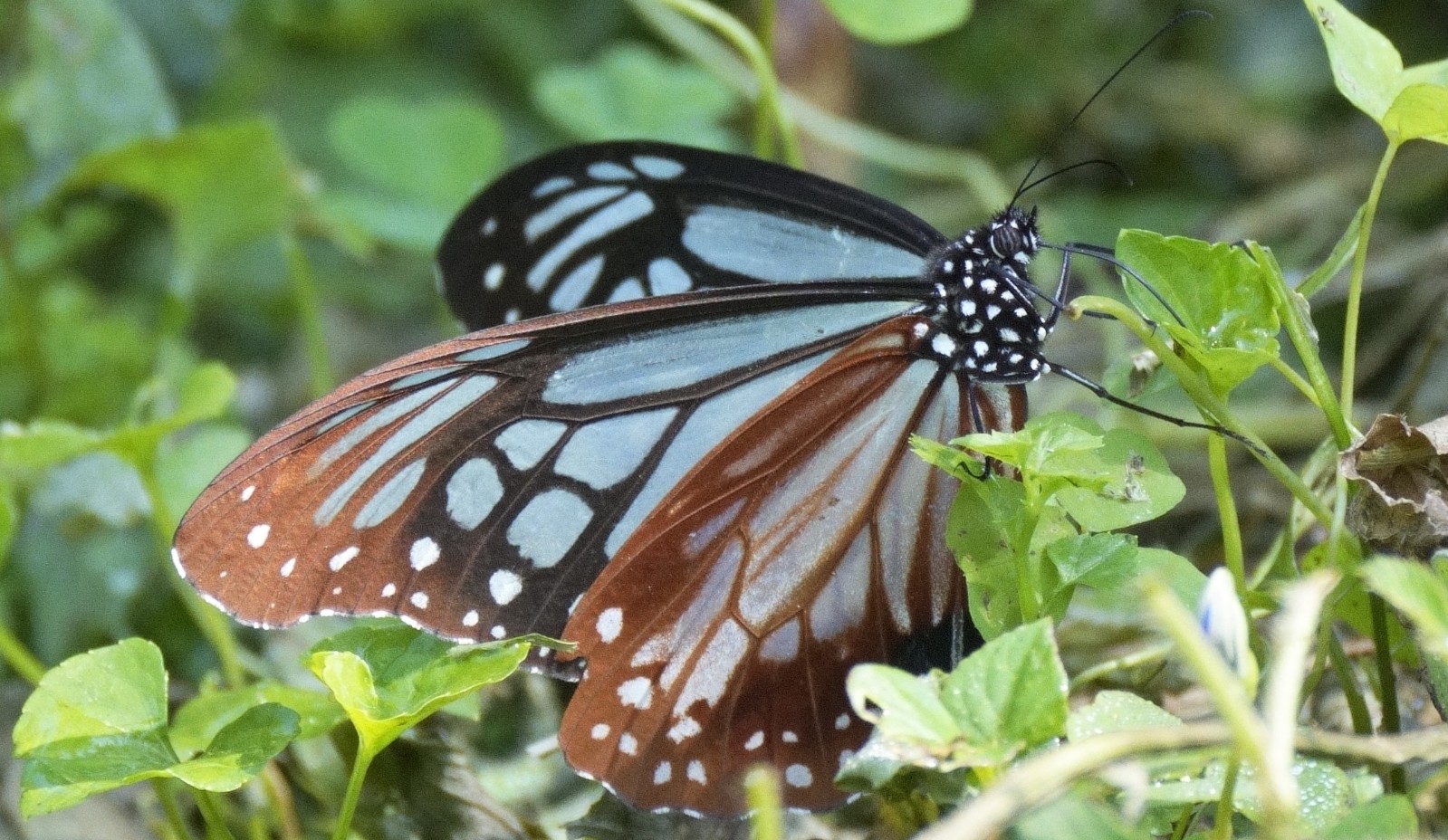
PM: Baiting Session. Use fermented fruit bait to attract Nymphalids and Danainae for close-up macro photography. Target: Chocolate Tiger (*Parantica melaneus*).
Evening: Final Night Light Trap. Final biodiversity check list compilation.
Overnight: Jianfengling Hotel/Station.
Day 7: Synthesis & Departure
AM: Trip Debrief & Data Review. Scientists review observation logs. Discussion on how eco-tourism aids in the conservation of island endemics.
PM: Transfer to Haikou or Sanya Airport. Departure.
Frequently Asked Questions (FAQ)
Q1: Why is the trip scheduled from late April to August? Isn't the rainy season uncomfortable?
A: While this is indeed the rainy season, it is the "Golden Window" for serious naturalists. High temperatures and humidity are catalysts for insect explosions. Butterflies and insects are most active during this time, and lush vegetation supports abundant herbivores. Additionally, the mist adds to the rainforest’s mystique and makes reptiles and amphibians easier to spot. We will adjust hiking times flexibly based on weather (hiking early in the morning, moving to indoor lectures during heavy afternoon rain) to ensure safety and maximize observation efficiency.
Q2: Is the physical requirement really high? What kind of fitness level do I need?
A: Yes, this itinerary is rated as "Strenuous". We will be trekking through primary rainforests with complex terrain, including steep ridges, slippery valleys, and muddy trails. Daily hikes typically cover 5-10 km, but the difficulty lies in the elevation gain and ground conditions. We recommend at least one month of aerobic training and long-distance hiking practice before the trip, and ensure your knees and ankles are in good condition.
Q3: Is it guaranteed that we will see the Golden Kaiserihind and the Hainan Gibbon?
A: We must answer honestly: Nothing is 100% guaranteed in the wild. This is a field expedition, not a zoo visit.
Golden Kaiserihind: As China's rarest and most elusive butterfly, they have a large range, fly fast, and are highly weather-dependent. However, our guides have years of tracking experience, know the distribution of host plants, and can significantly increase your odds compared to a casual visit.
Hainan Gibbon: They are Critically Endangered (only ~30 individuals left) and range widely. We will be in the right zone at the right time (dawn) to locate them by call, but seeing them physically depends on luck and fortune. Hearing their haunting chorus is often considered a great success in itself.
Q4: What are the accommodation conditions? Do I need a sleeping bag?
A: To access the deep conservation areas, we stay in reserve guesthouses or ranger stations. While clean and hygienic, the facilities are basic compared to city hotels (limited hot water, no air conditioning, or weak Wi-Fi). You do not need a sleeping bag as bedding is provided, but we do recommend bringing your own toiletries and towels.
Q5: Are there many leeches and mosquitoes? How should I protect myself?
A: In the tropical rainforest, they are part of the ecosystem, especially in humid valleys and during the rainy season. We provide professional leech socks (the most effective protection) and recommend wearing long-sleeved shirts and trousers. Please bring strong insect repellent (containing DEET or Picaridin). Our guides will instruct you on how to check for and properly handle leech bites—please do not panic.
Q6: What photographic equipment should I bring?
A: This depends on your targets.
Butterflies/Insects: A macro lens (100mm or longer) is recommended for details; a telephoto lens (300mm+) is useful for high-flying swallowtails that are hard to approach.
Birds/Gibbons: A super-telephoto lens (400mm-600mm) is essential.
General: Please ensure your gear is well-protected against moisture and rain (rain covers, dry bags), as the humidity in the rainforest is extremely high.
Q7: Are there any prohibited activities during the trip?
A: We strictly follow ecotourism guidelines. It is strictly prohibited to catch, harm, or remove any wildlife (including insects and plant specimens); to use traps or playback calls that disturb wildlife behavior; or to enter restricted core zones. Our motto is "Take nothing but pictures, leave nothing but footprints."
Thanks for helping us to fill the following form about your personal preferences. This information you provide can help us to plan the best trip especially for you.




Copyright © 2026 • China Wildlife Tour All Rights Reserved Safari in Cina
 中文
中文