(+86)133 8819 6153
info@chinawildlifetour.com

Price from $ 1499/pax for group of 4-8 pax February 02, 2026

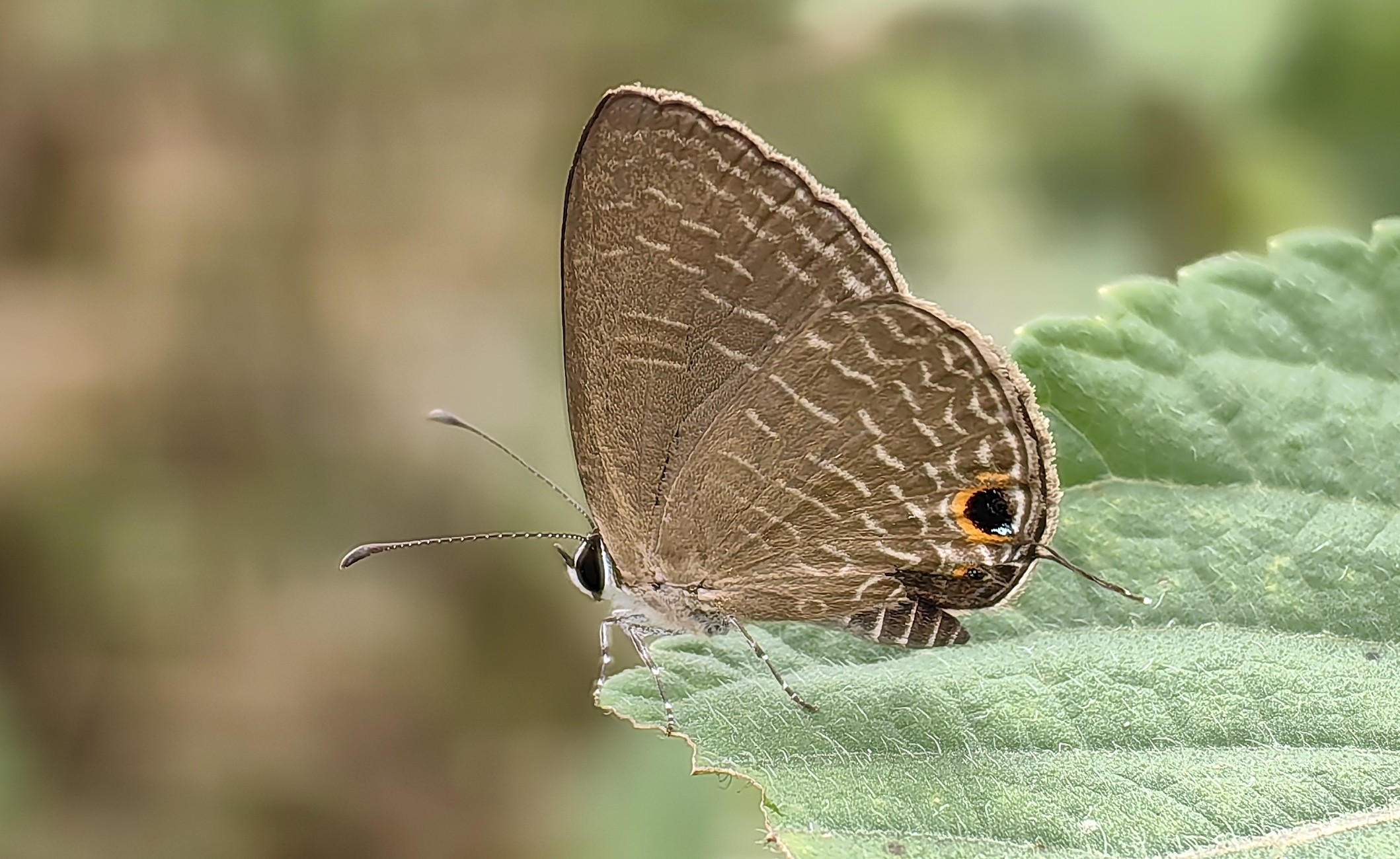
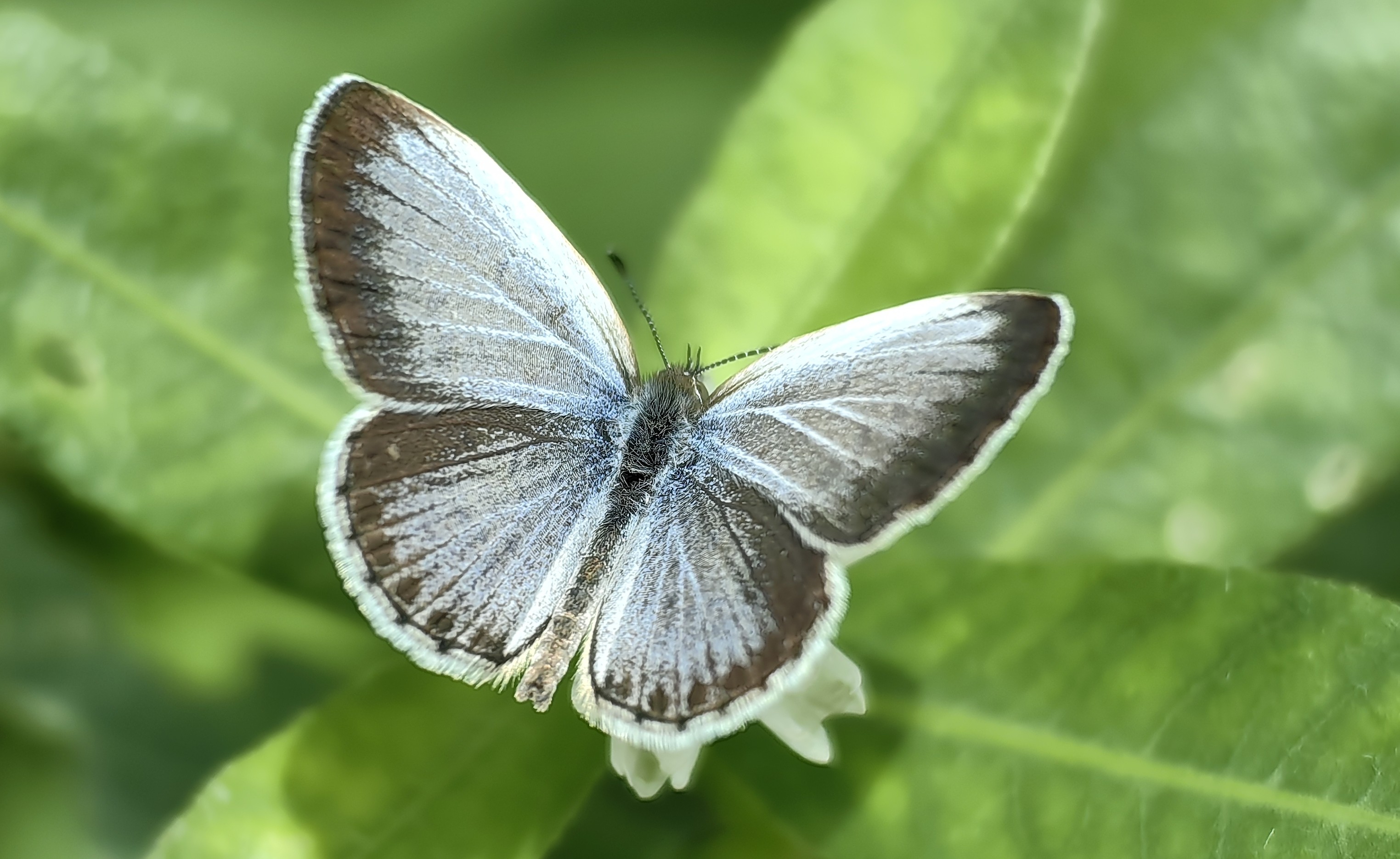

Destination: Mt. Emei & Wawu Mountain, Sichuan, China
Duration: 6 Days / 5 Nights
Activity Level: Light to Moderate (Cable cars utilized, well-maintained trails)
Focus: Endemic Butterflies, Subtropical Ecology, Buddhist Culture, Mammals
Step into a living museum of biodiversity where ancient Buddhist culture meets primeval wilderness. Mt. Emei, a UNESCO World Heritage site, is not only a sacred mountain but also the holiest of grails for Chinese entomologists—a “Type Locality” where countless new species were first discovered and named. Just across the valley lies Wawu Mountain, a unique “Table Mountain” shrouded in mist, preserving one of China’s best-kept virgin forests.
This expedition is designed for the curious naturalist. We will trace crystal-clear streams to find the masters of camouflage, search the forest canopy for giant swallowtails, and walk the “Roof of the Sichuan Basin” to encounter Red Pandas. From the smallest leaf-mimic to the largest birdwing, this journey uncovers the hidden jewels of the eastern Himalayas.
· In the Footsteps of Entomologists: Explore the legendary “Type Locality” of Mt. Emei. Walk the same trails where early scientists discovered and named hundreds of insect species.
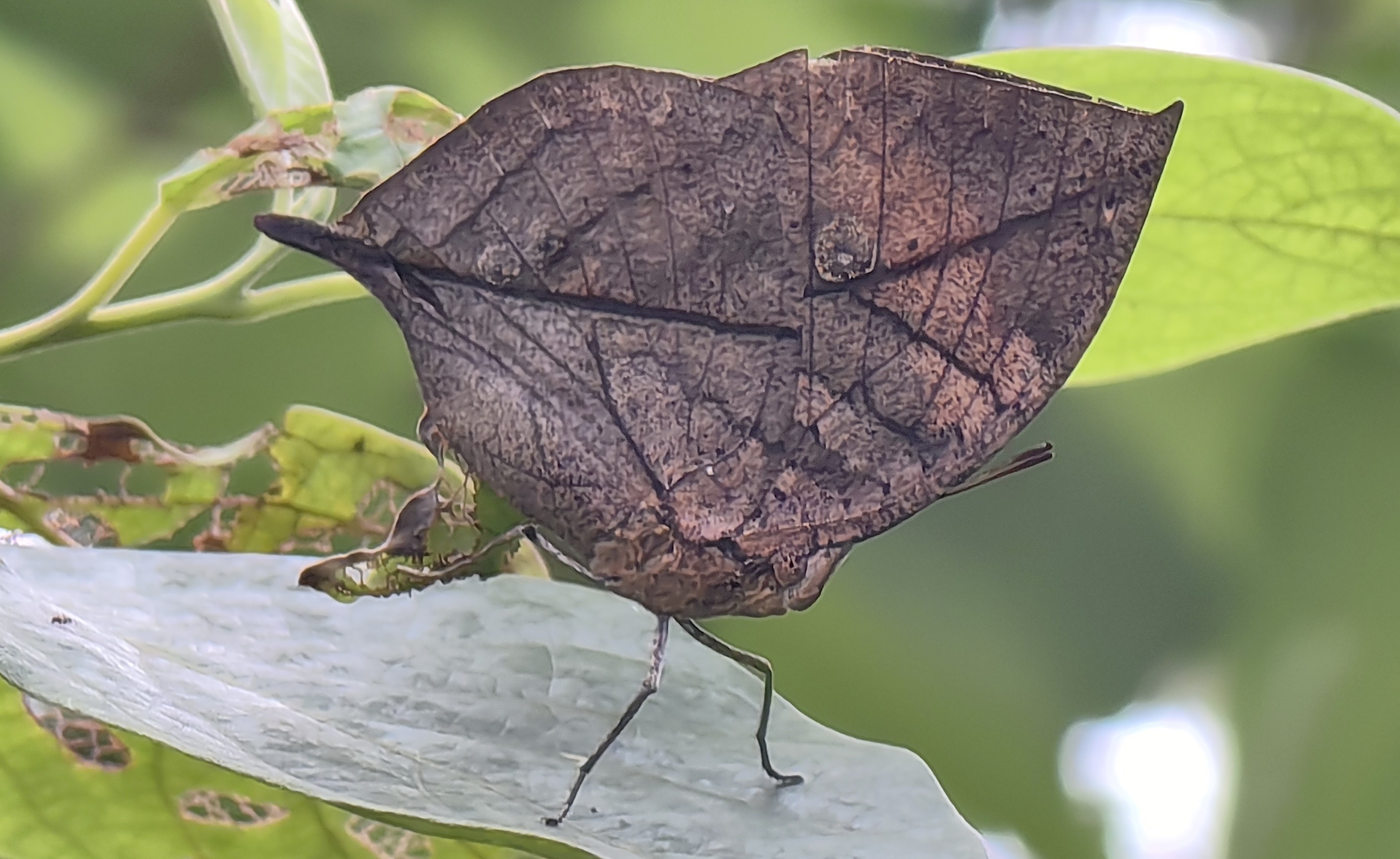
· The Camouflage Masters: Spend unhurried time in the damp valleys of Qingyin Pavilion to observe the Kallima, known as the Dead Leaf Butterfly, in its natural habitat—a masterclass in evolutionary mimicry.
· Giants of the Forest: At Wawu Mountain, search for the magnificent Golden Birdwing (Troides aeacus), one of the largest butterflies in China, gliding like a phoenix through the ancient canopy.
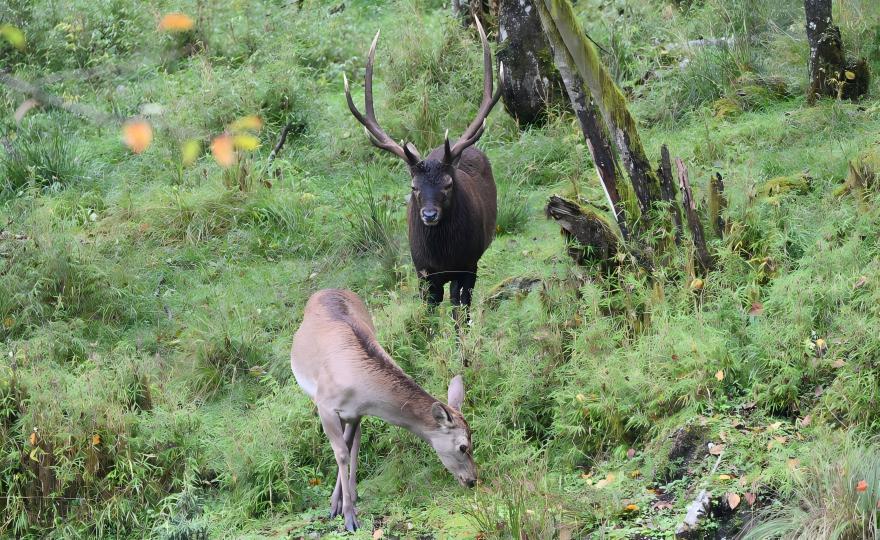
· Mammal Encounters: Enjoy a high probability of observing the elusive Red Panda and the majestic Sambar Deer in the wild, alongside the famous Tibetan Macaques of Emei.
Day 1: Arrival in Mt. Emei – The Gateway to Insects
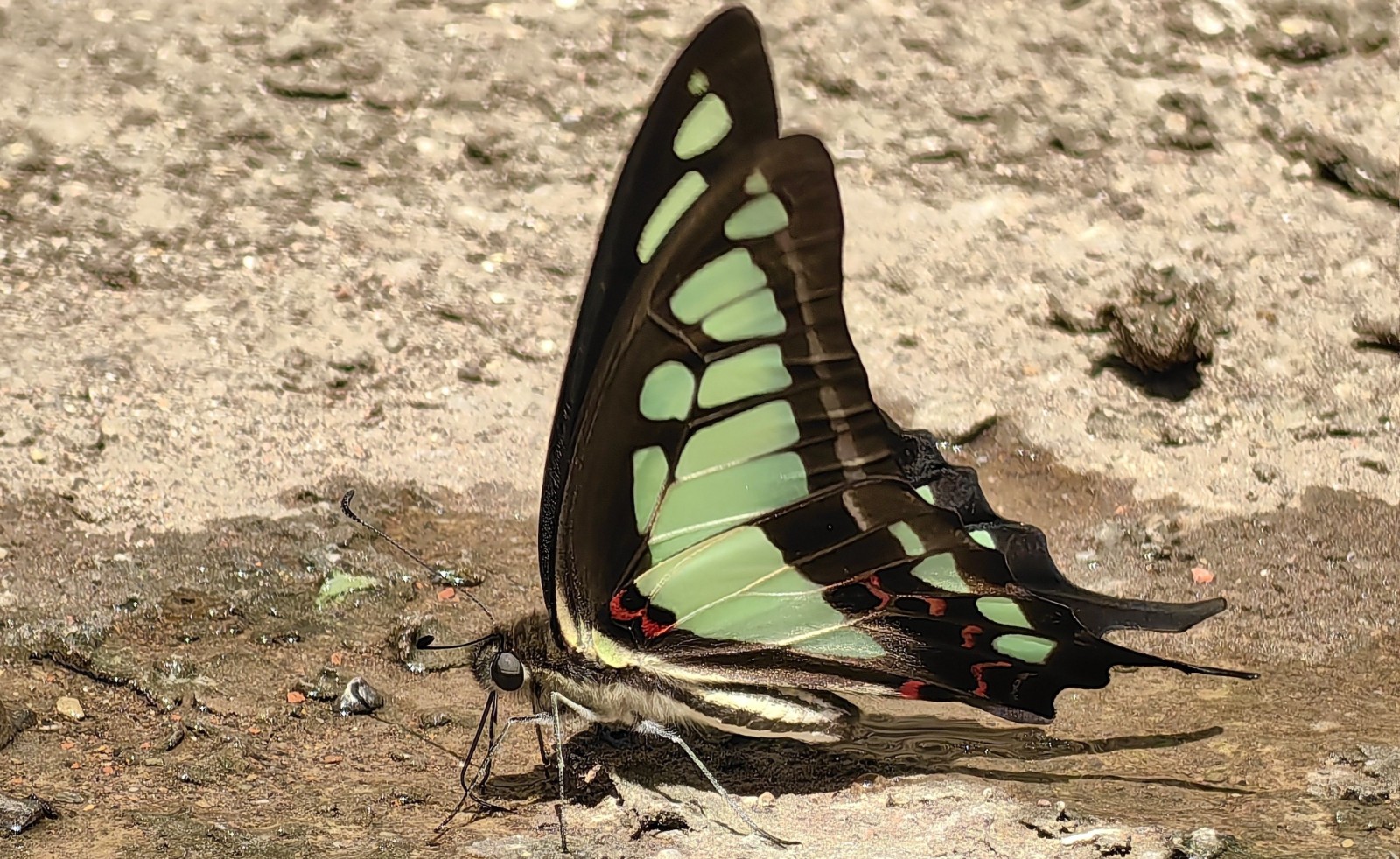
Meet your private guide and driver at assigned place and then drive to Mt. Emei and transfer to your hotel at the foot of the mountain. Visit the Baoguo Temple and its surrounding botanical gardens. We begin our introduction to the region’s lepidoptera by looking for common yet stunning species such as the Papilio polytes and Graphium eurous.
Overnight: Mt. Emei (Low Elevation Hotel).
Day 2: Stream Trekking – The Realm of the Dead Leaf Butterfly
Morning: Hike into the lush, damp valleys of Qingyin Pavilion and One Line Sky. This micro-habitat, fed by perennial streams, is the ideal hunting ground for the iconic Orange Oakleaf (Kallima inachus). We will observe their behavior—how they close their wings to reveal perfect “dead leaf” undersides—and distinguish them from other tree butterflies.
Afternoon: Continue along the stream ecosystem. Besides butterflies, we will look for the endemic Emei Tree Frog and fish species unique to the mountain streams. We will also navigate the territory of the Tibetan Macaques, observing their social structure from a safe distance.
Overnight: Mt. Emei (Low Elevation Hotel).
Day 3: Ascending the Celestial Peak – Canopy Butterflies & Clouds
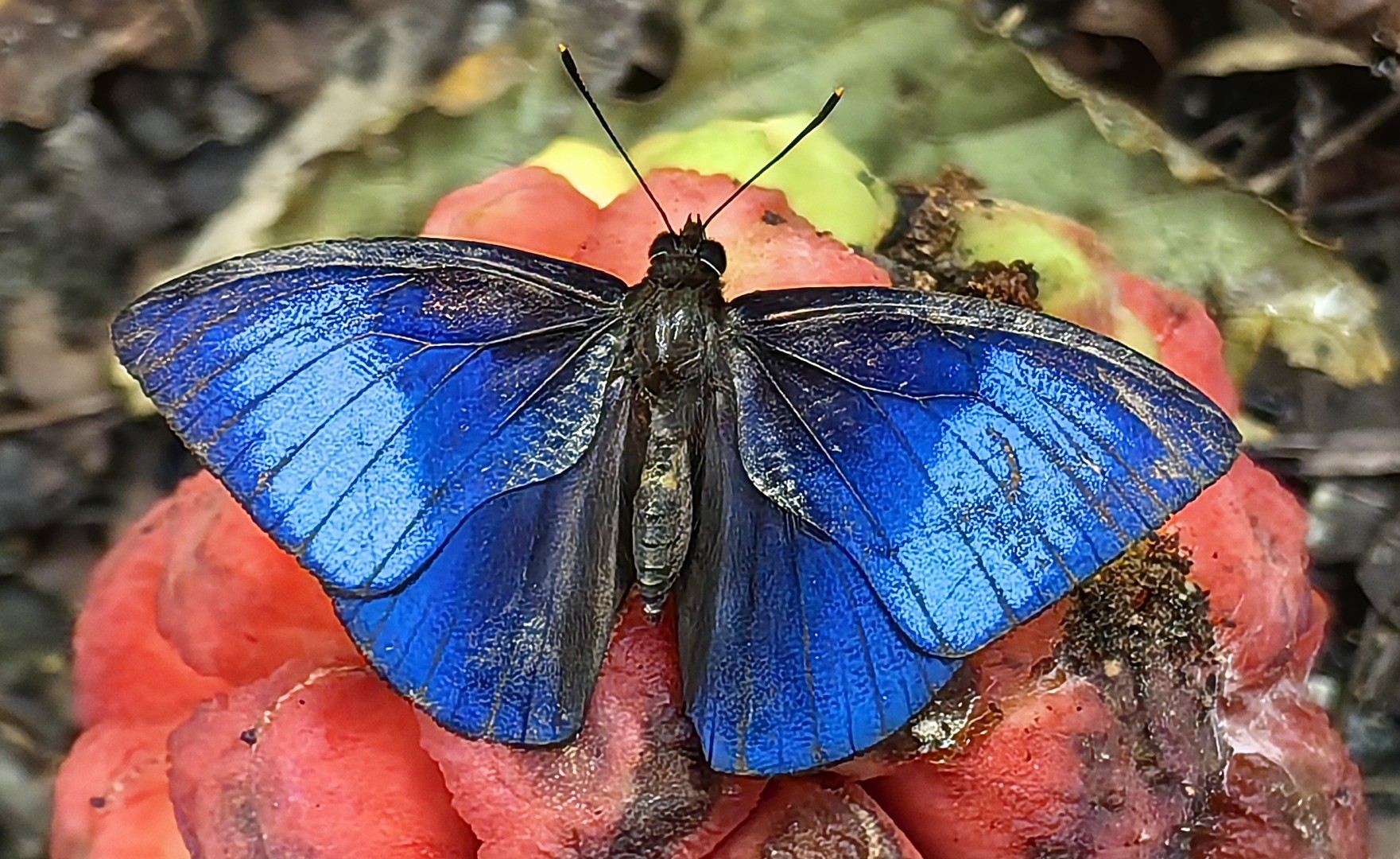
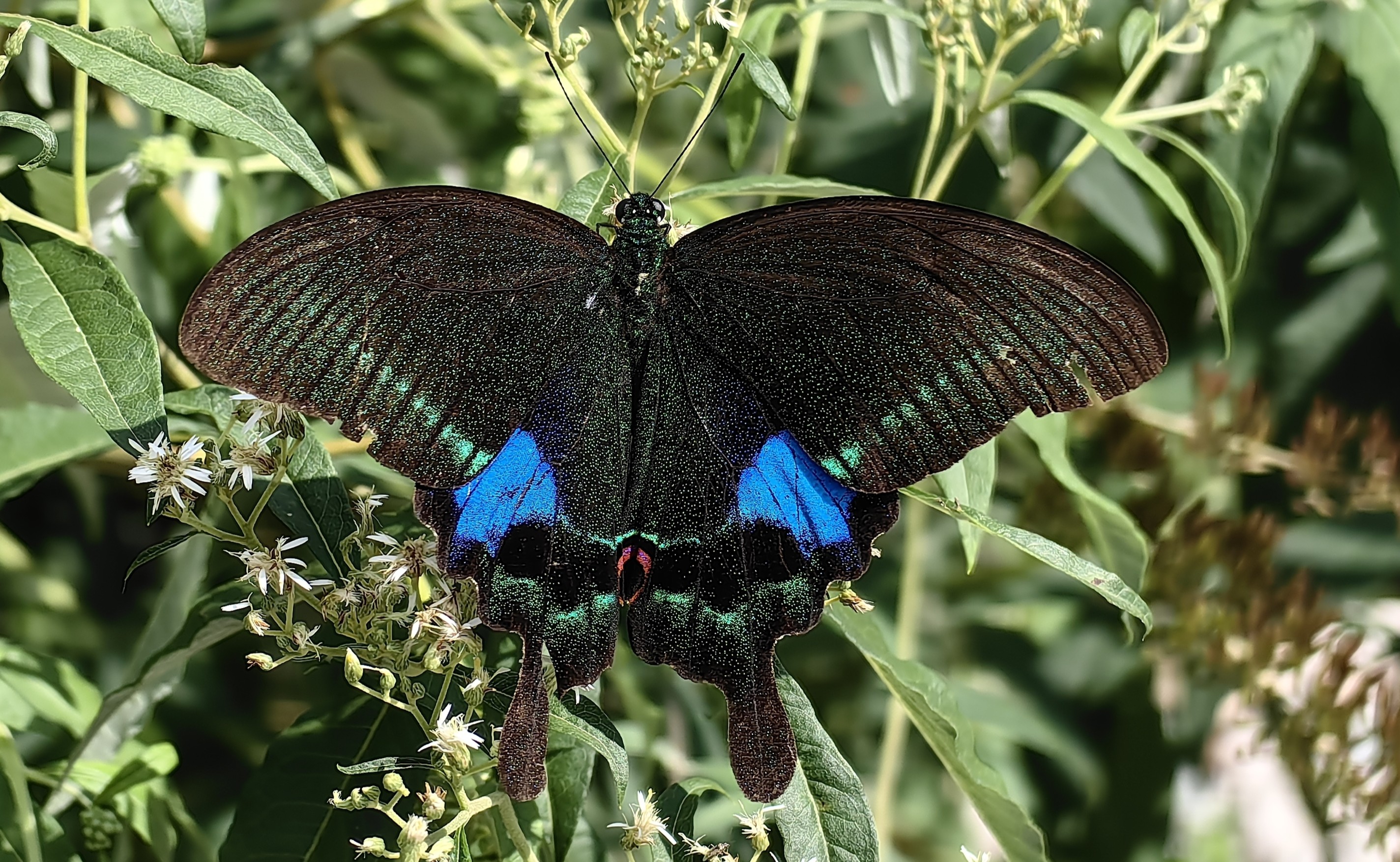
Morning: Take the eco-bus and cable car up to the Golden Summit (Jinding). En route, stop at Xixiang Chi (Elephant Bathing Pool). This mixed coniferous-broadleaf forest is home to canopy-dwelling species. We will scan the treetops for the iridescent Mandarinia regalis and the stunning Paris Peacock (Papilio paris).
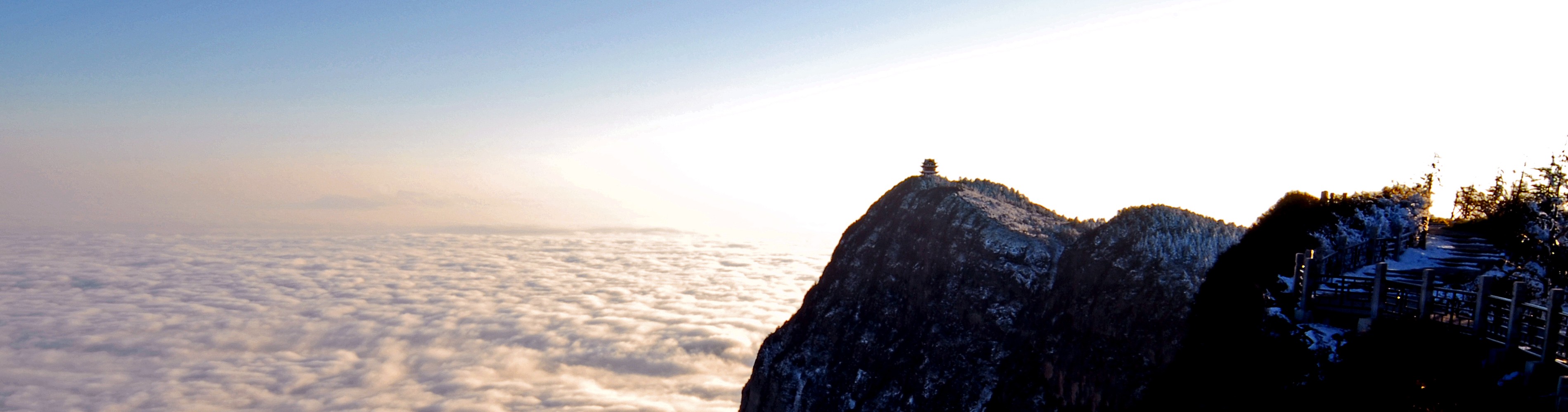
Afternoon: Reach the summit (3,079m). After enjoying the sea of clouds and the colossal golden statue of Samantabhadra, we will scan the alpine meadows for high-altitude birds like the Red-billed Blue Magpie and Grandala. Descend by cable car in the late afternoon.
Overnight: Mt. Emei (Low Elevation Hotel).
Day 4: Crossing the Divide – To the Flat Top Mountain
Morning: Depart Emei and drive to Wawu Mountain. The journey takes us through a transition zone of agricultural lands and secondary forests.
Afternoon: Check into our hotel at the base of Wawu. Enjoy a light walk in the surrounding countryside to look for “edge” species adapted to human habitation, such as the Lethe satyrina and Polyura narcaea.
Overnight: Wawu Mountain Area.
Day 5: Wawu Mountain – Table Top Forest & Red Pandas
Morning: Ascend Wawu Mountain via cable car to the unique “Table Mountain” plateau. We will walk the boardwalks through the ancient Abies faberi (Faber’s Fir) forest and bamboo groves.
Afternoon: The highlight is the search for the Golden Birdwing (Troides aeacus). Their slow, graceful flight makes them a spectacular subject for photography. Wawu is also one of the best places in the world to see wild Red Pandas. We will walk quietly to maximize our chances of spotting these arboreal mammals, as well as the large Sambar Deer feeding in the undergrowth.
Overnight: Wawu Mountain Area.
Day 6: Farewell to the Misty Mountains
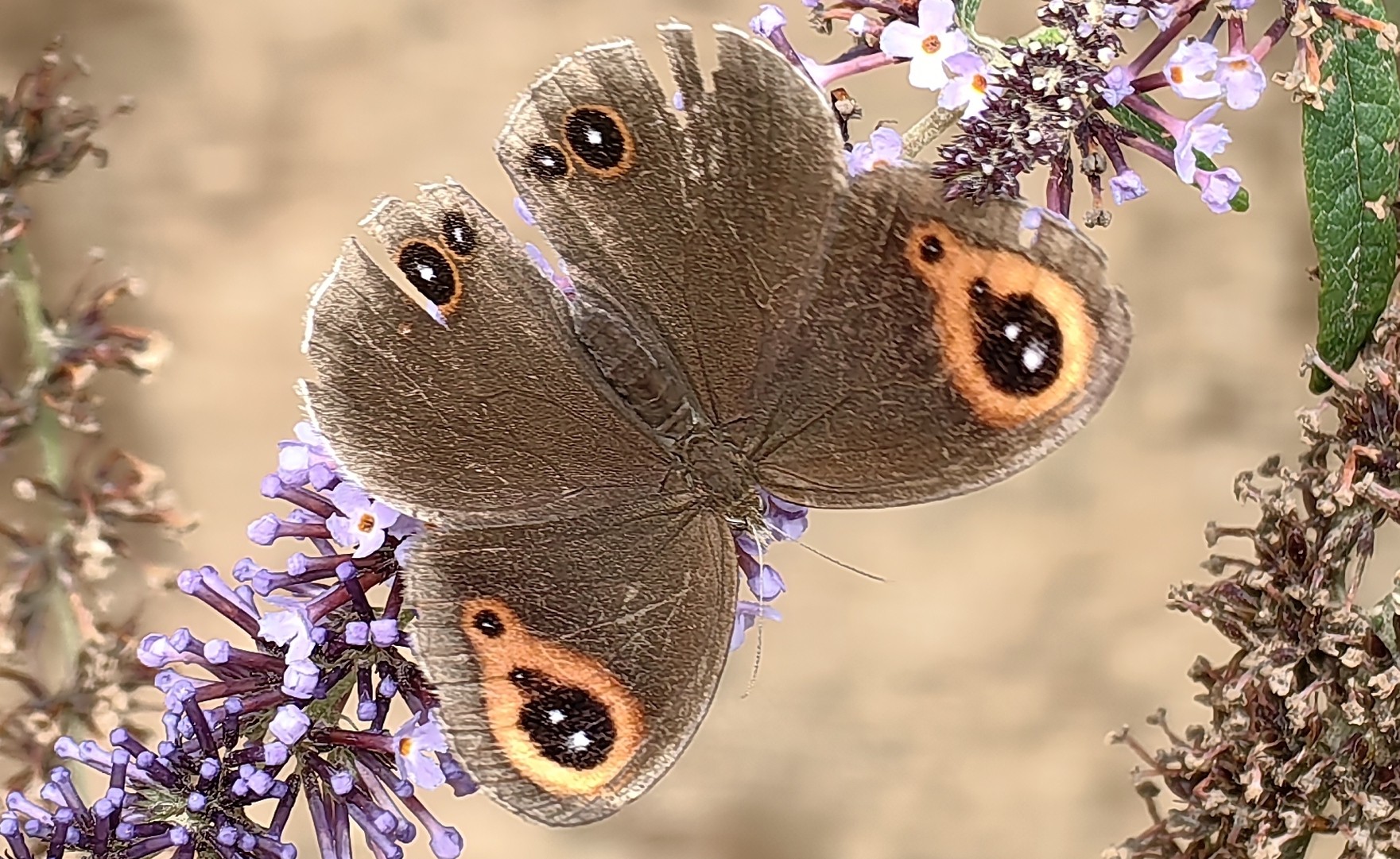
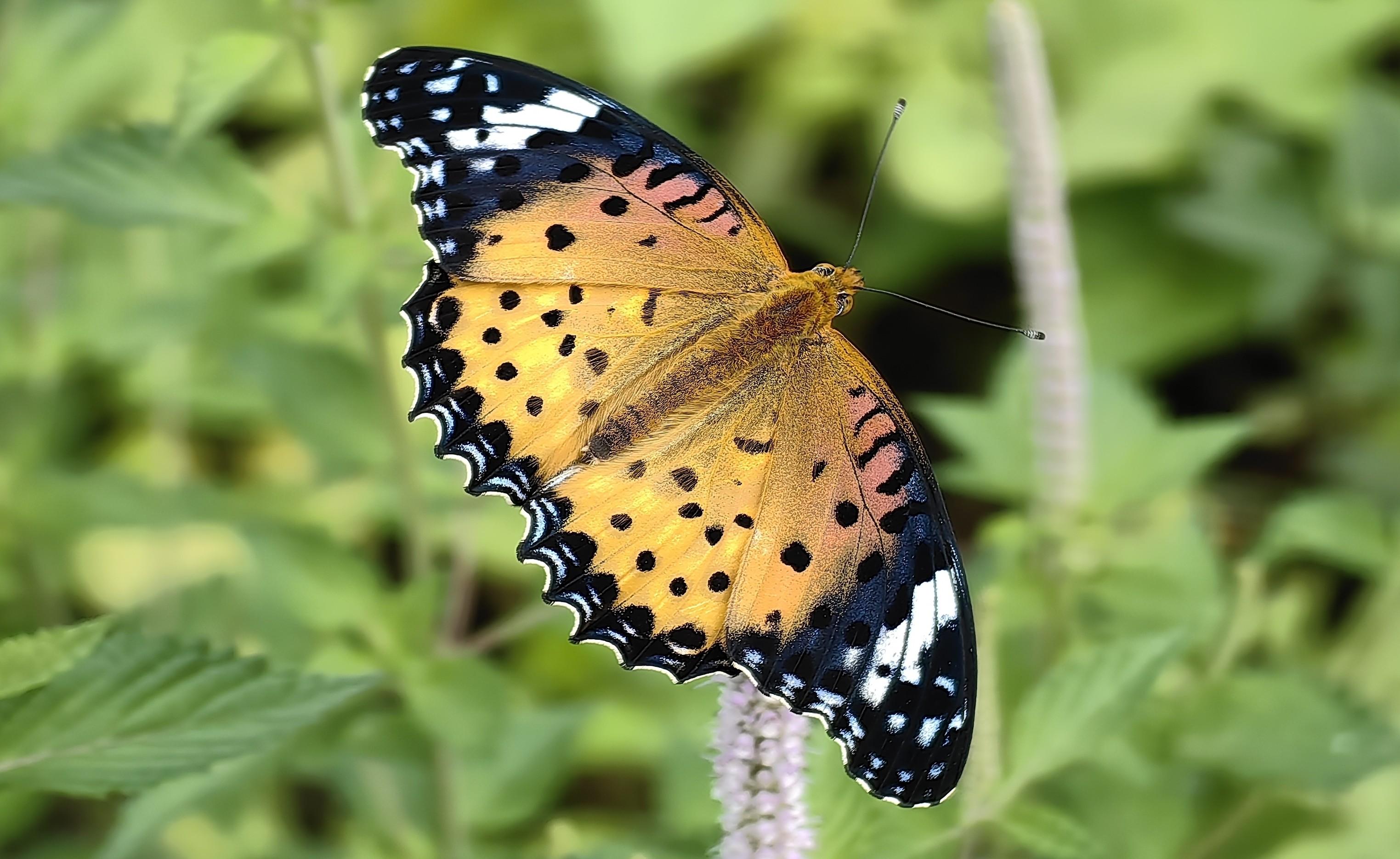
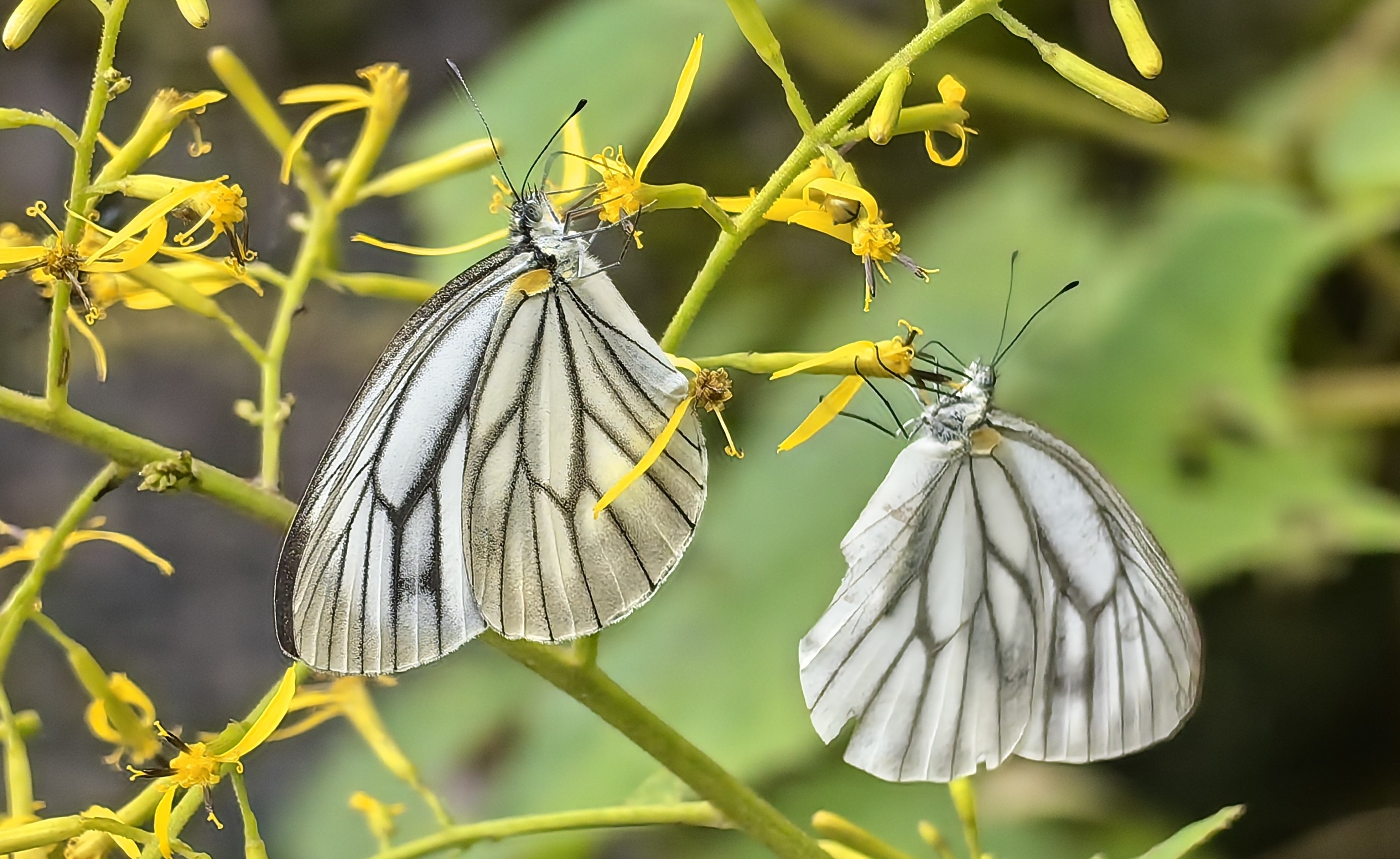
Morning: A final relaxed morning walk near Yanya Lake or the hotel gardens. We will wrap up our species list, perhaps finding the Argynnis hyperbius or Pieris erutae in the grasslands.
Afternoon: Transfer back to Chengdu (Airport or High-Speed Railway Station) for your departure.
Q: Is this trip suitable for children? What is the physical difficulty?
A: Yes, this is an excellent trip for families and nature lovers of all ages. The physical difficulty is Light to Moderate. We have optimized the route to use cable cars and eco-buses to minimize strenuous climbing. The hiking is mostly on paved stone paths or wooden boardwalks, making it accessible for children and seniors.
Q: We will be visiting the “Monkey Zone.” Is it safe?
A: The Tibetan Macaques on Mt. Emei are wild and can be opportunistic. Safety is our priority. While observing butterflies in these areas, our guide will carry a walking stick and ensure we maintain a safe distance. We advise guests to secure food in zippered backpacks and avoid carrying plastic bags in the open, which the monkeys associate with food.
Q: When is the best time to photograph the Dead Leaf Butterflies (*Kallima*)?
A: Dead Leaf Butterflies are most active during overcast days, early mornings, or late afternoons. They rarely fly in the bright midday sun, preferring to roost on tree trunks or shrubs. Our schedule is designed to be in the Qingyin Pavilion area during these optimal light conditions to ensure the best viewing and photography opportunities.
Q: What is the probability of seeing Red Pandas on Wawu Mountain?
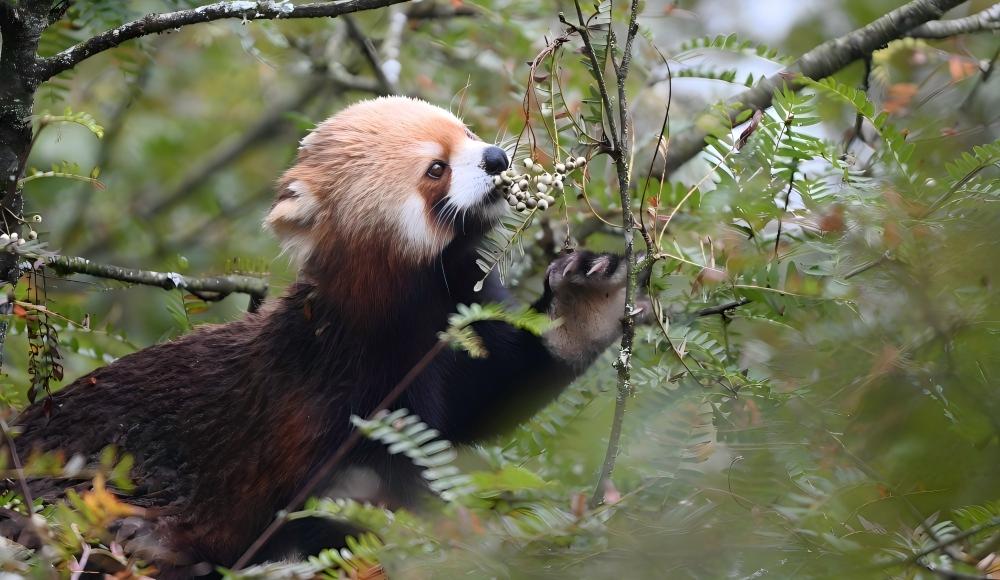
A: Wawu Mountain has one of the highest densities of wild Red Pandas in China. While they are solitary and elusive, our quiet walking strategy and the park’s familiarity with their movement patterns give us a very high probability (often over 80%) of an encounter, especially in the early morning or late afternoon.
Q: What photographic gear is recommended?
A:
· Macro Lens: A 100mm macro lens is essential for capturing the intricate patterns of the *Kallima* and other skippers.
· Telephoto Lens: A 70-200mm or 100-400mm lens is highly versatile. It is perfect for shooting skittish tree nymphs in the canopy and for keeping a safe distance while photographing the Red Pandas and Macaques.
· Rain Gear: Both mountains are humid; a rain cover for your camera and waterproof clothing is essential.
Thanks for helping us to fill the following form about your personal preferences. This information you provide can help us to plan the best trip especially for you.




Copyright © 2026 • China Wildlife Tour All Rights Reserved Safari in Cina
 中文
中文