(+86)133 8819 6153
info@chinawildlifetour.com

Price from $1199 October 19, 2026
Overview
Step away from the tourist trails and into the heart of the “Secret Realm.” This 4-day Red Panda tracking expedition takes you deep into the core zone of the Giant Panda National Park, specifically the Labahe Nature Reserve in Sichuan Province. This is a journey of discovery, contrasts, and scientific immersion. You will compare the lives of captive pandas with their wild neighbors, explore a biodiversity hotspot that rivals any on Earth, and participate in genuine citizen science conservation research. From the interactive museums of Chengdu to the mist-shrouded, 1,900-meter ancient forests where “living fossil” trees thrive, this is an unparalleled opportunity to become a true citizen scientist in one of China’s most precious ecological treasures.
Looking for longer Sichuan wildlife experiences? Explore All China Wildlife Tours →
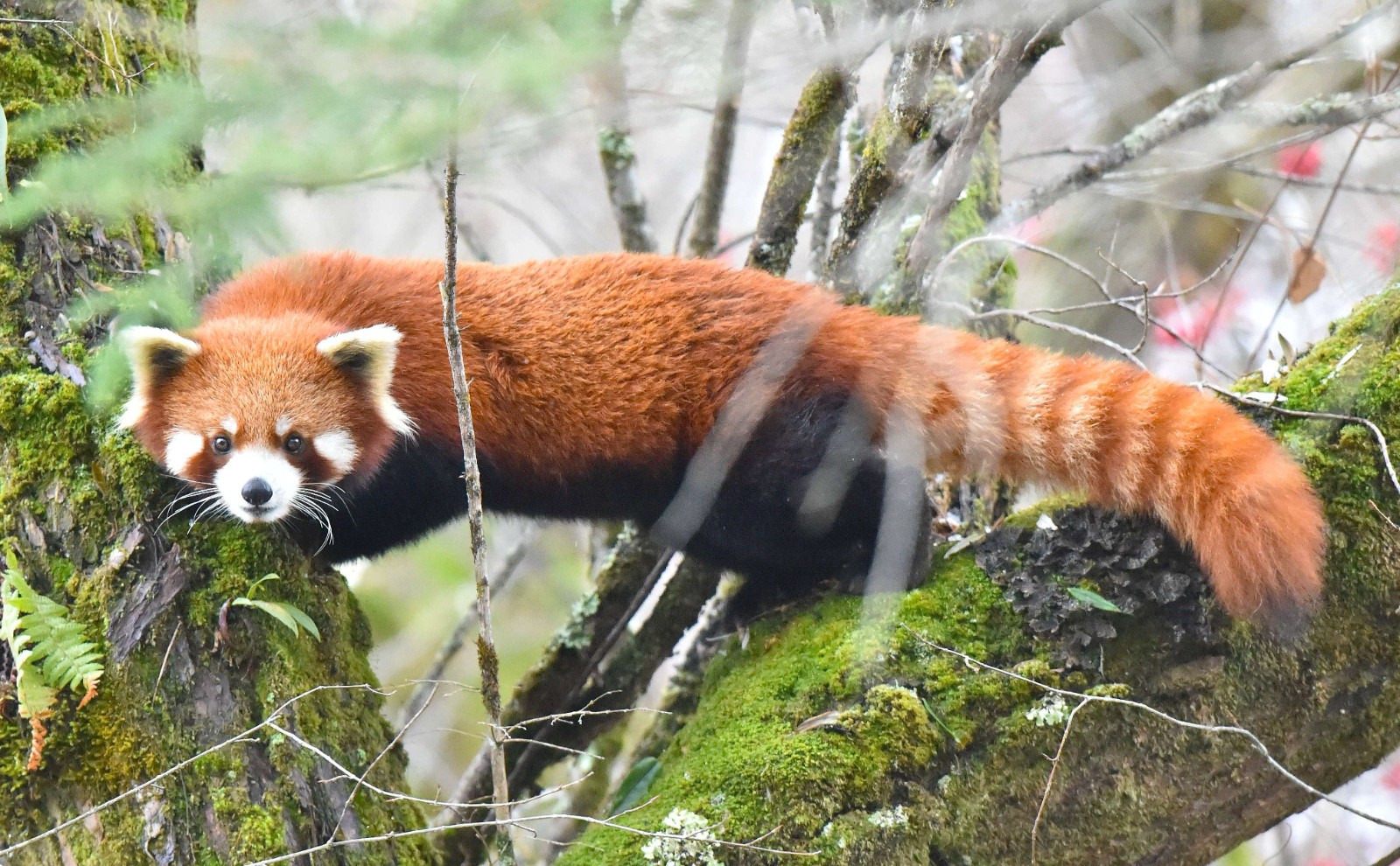
The World’s Premier Red Panda Destination: Venture into the highest-density wild Red Panda habitat on the planet. Equipped with professional infrared monitoring gear, your chances of witnessing these elusive creatures in their natural environment are unmatched anywhere else.
A National Park-Level Biodiversity Treasury: Explore the core area of the Giant Panda National Park, where a single journey offers observation opportunities for over 12 rare species, including the Sichuan Golden Snub-nosed Monkey, Lady Amherst’s Pheasant, Chinese Takin, Tibetan Macaque, Red Deer and Sambar Deer.
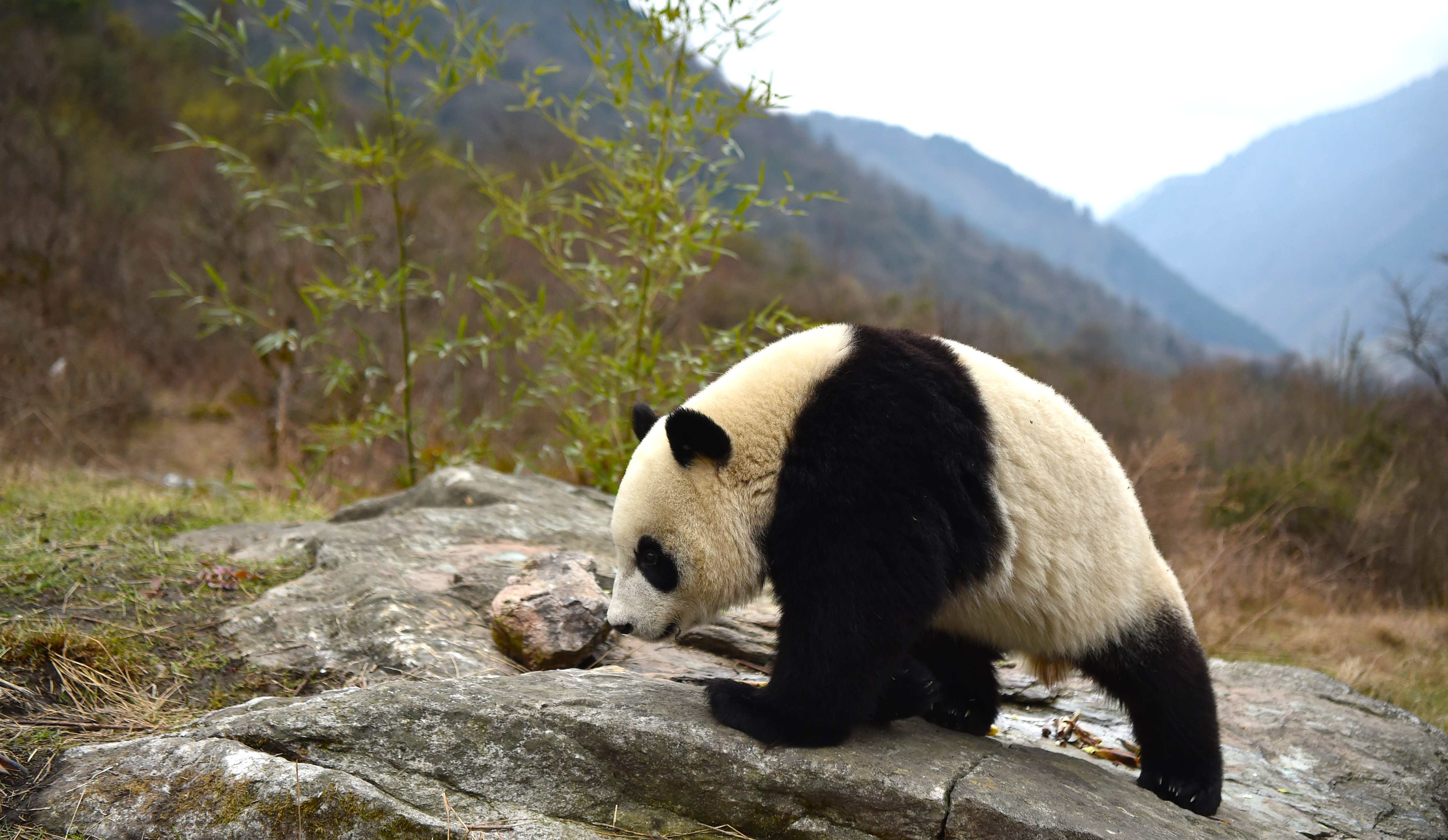
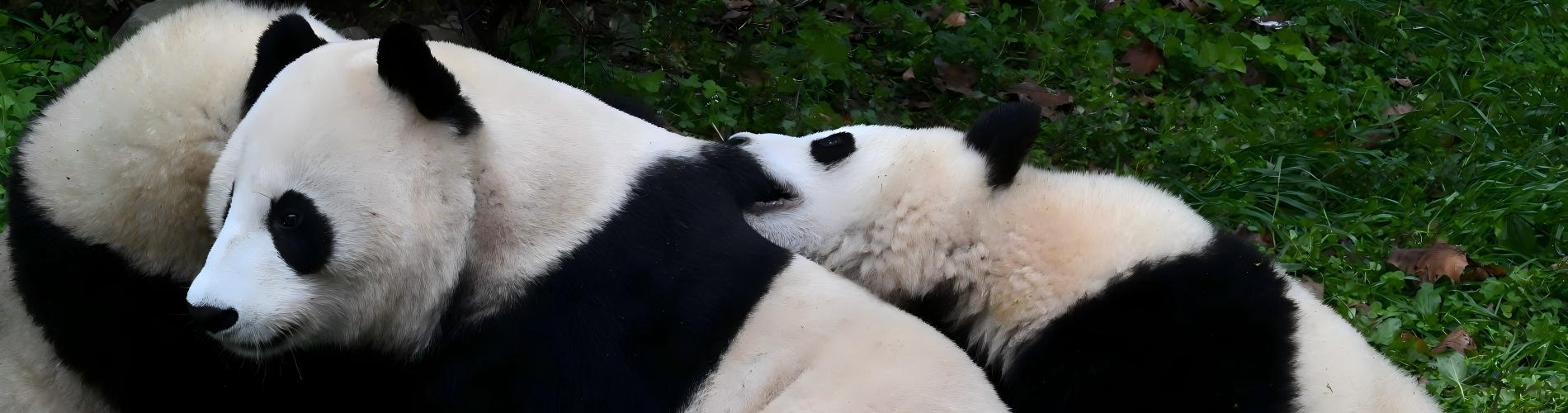
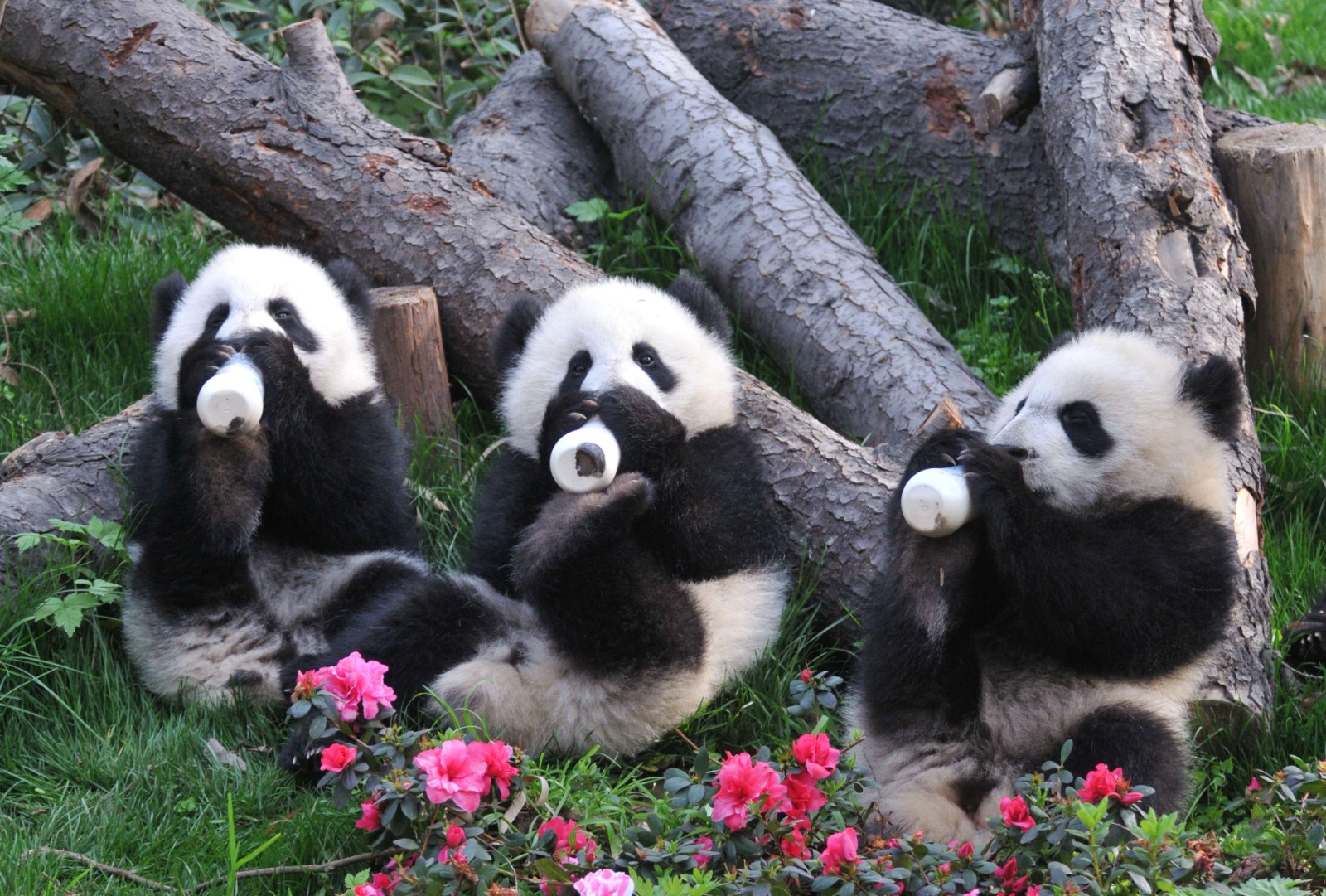
The “Double Treasure” Experience: After three days of tracking wild Red Pandas in the Labahe Nature Reserve, conclude your expedition at Bifengxia Panda Base — a semi-free-range facility with far fewer visitors than the Chengdu base — to observe Giant Pandas in a near-natural setting, experiencing the full spectrum of panda conservation from wild habitat to semi-captive care.
Scientific Research-Level Immersion: Go beyond simple sightseeing. Adopt the “Observe-Record-Analyze” methodology used by field researchers. Utilize species identification guides and ethogram behavior cards to contribute real data to conservation research efforts.
Vertical Ecological Classroom: From the mist-shrouded, 1,900-meter ancient forests of Labahe to the semi-free-range enclosures of Bifengxia Panda Base and the tea-growing countryside of Ya’an, this is an unparalleled opportunity to become a true citizen scientist in one of China’s most precious ecological treasures.
Wildlife You May Encounter
Target Species
Red Panda — Core target, highest-density wild habitat on Earth, 85%+ tracking success rate with infrared cameras
Co-occurring Mammals
Asiatic Black Bear — Nocturnal species, frequently detected during night patrols
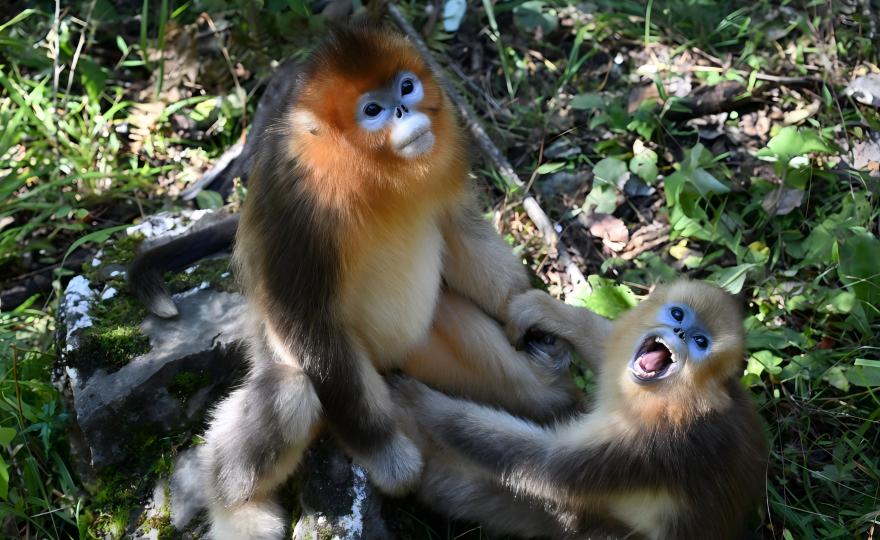
Sichuan Golden Snub-nosed Monkey — Key companion species in the Giant Panda National Park, observed on Day 3
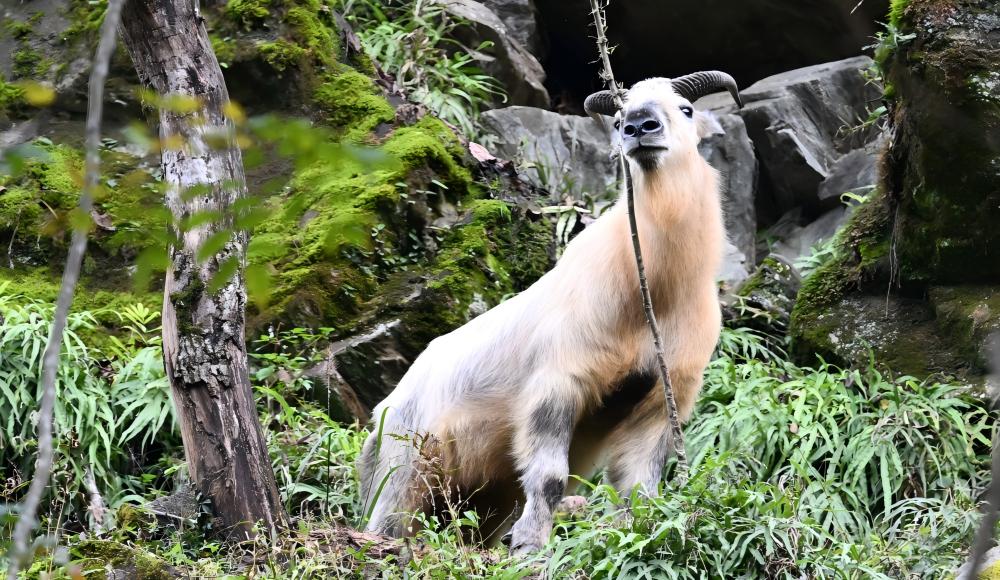
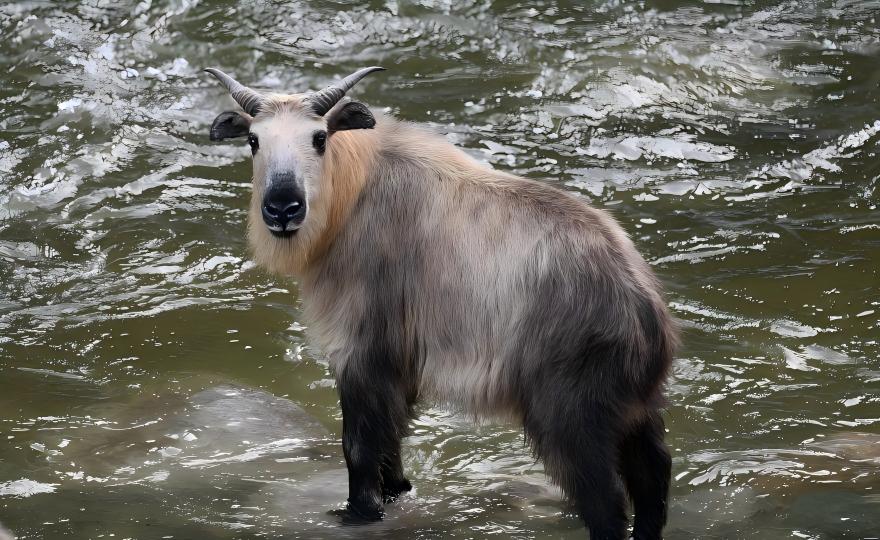
Chinese Takin — Large herbivore, observed alongside Tibetan Macaques on Day 4
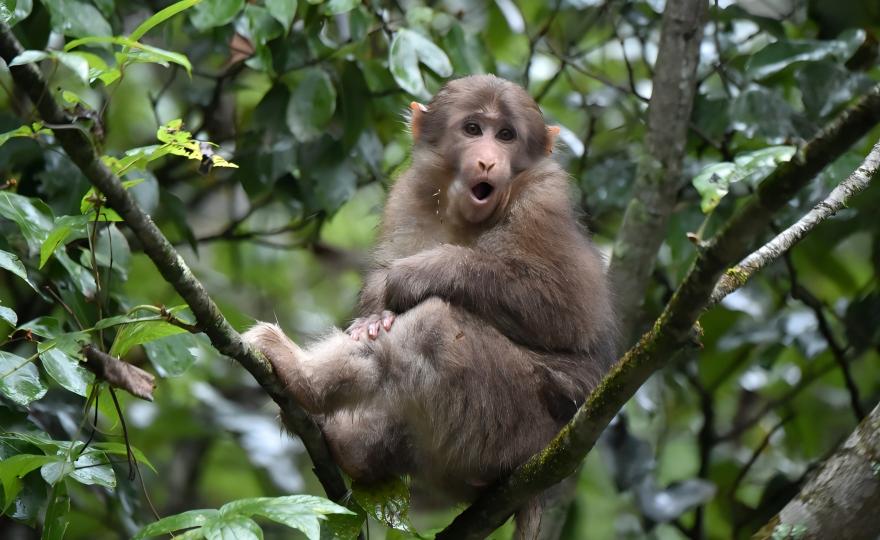
Tibetan Macaque — Family groups observed on Day 4
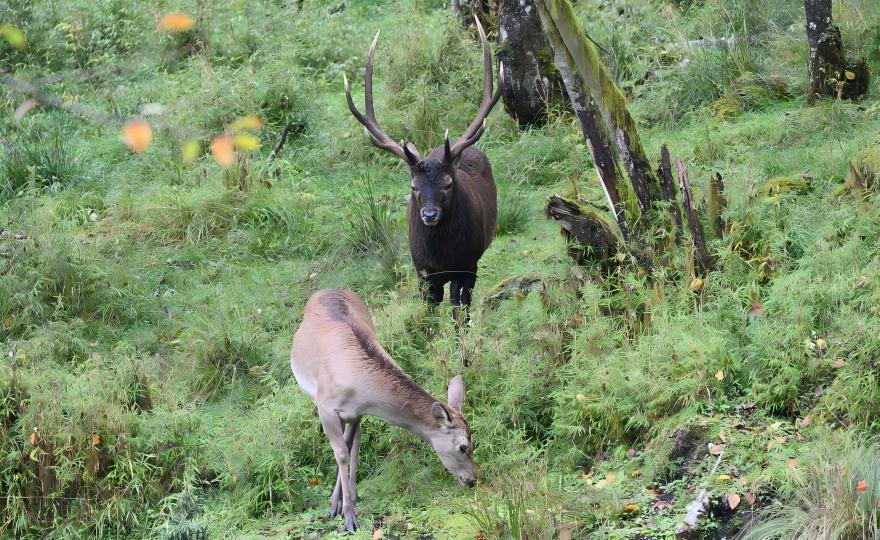
Sambar Deer — Observed at natural mineral licks on Day 3
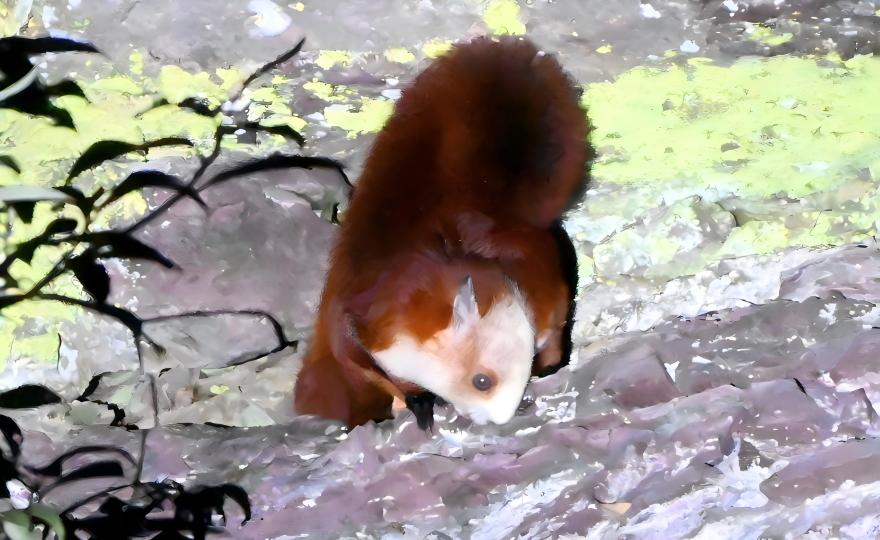
Red-and-white Flying Squirrel — Nocturnal species, detected by thermal imaging on Day 2 night patrol
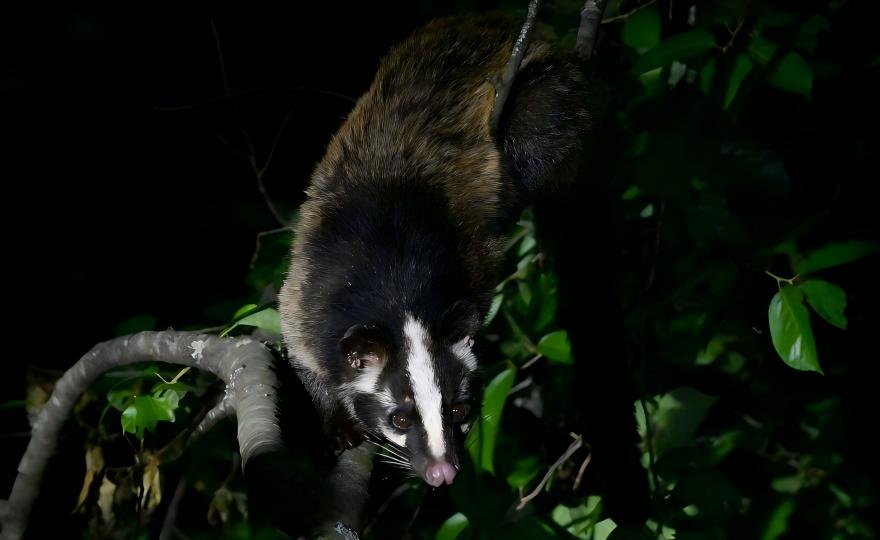
Masked Palm Civet — Nocturnal species, detected during nighttime expeditions
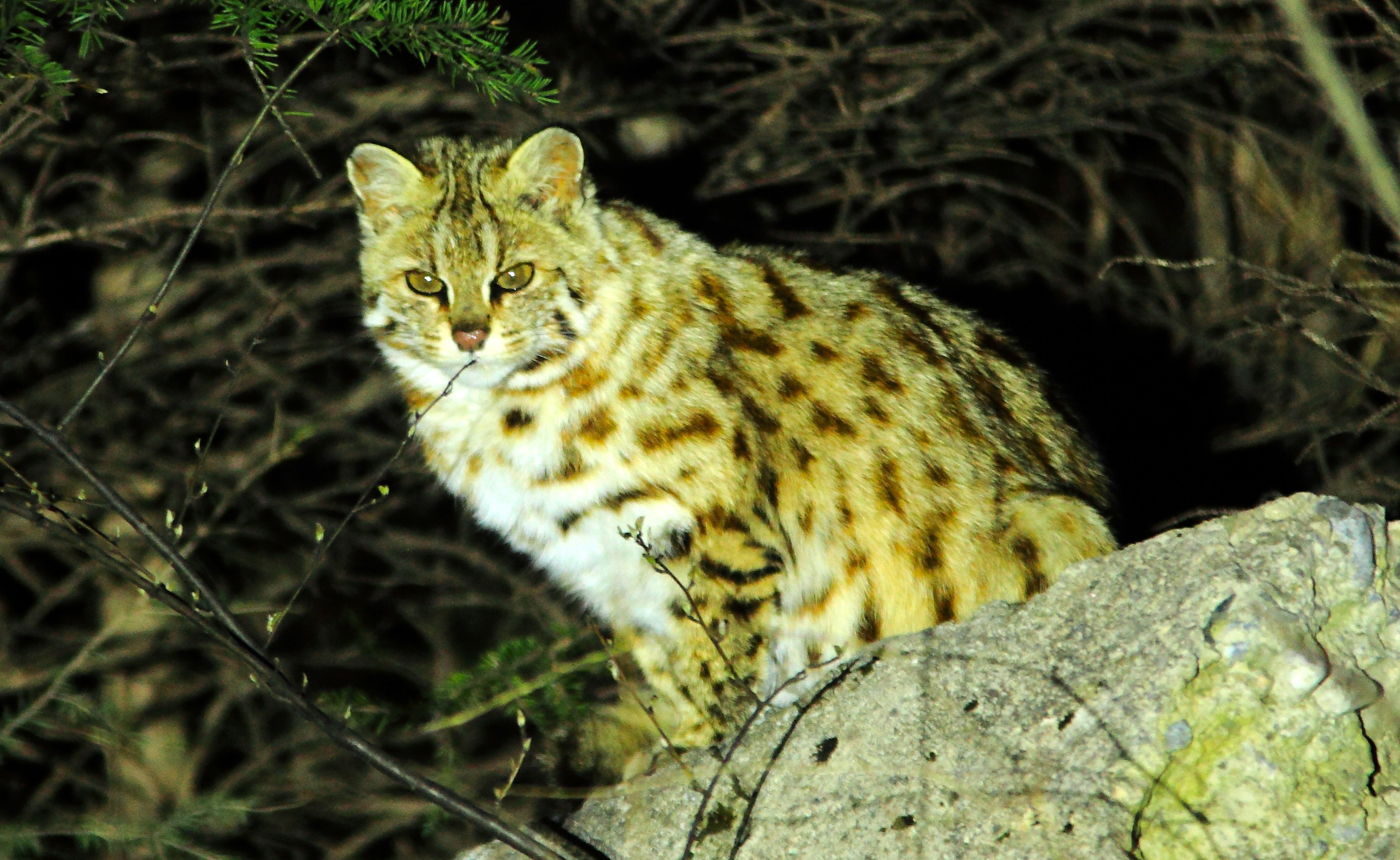
Leopard Cat — Nocturnal predator, detected by thermal imaging on Day 2
Chinese Serow — Elusive goat-antelope, best chance during night patrols
Forest Musk Deer — Rare and secretive, nocturnal, detected by thermal imaging
Tufted Deer — Small deer species, active at dusk and dawn
Thorold’s Deer — Large deer of mountain forests, observed in the Labahe valley
Co-occurring Birds
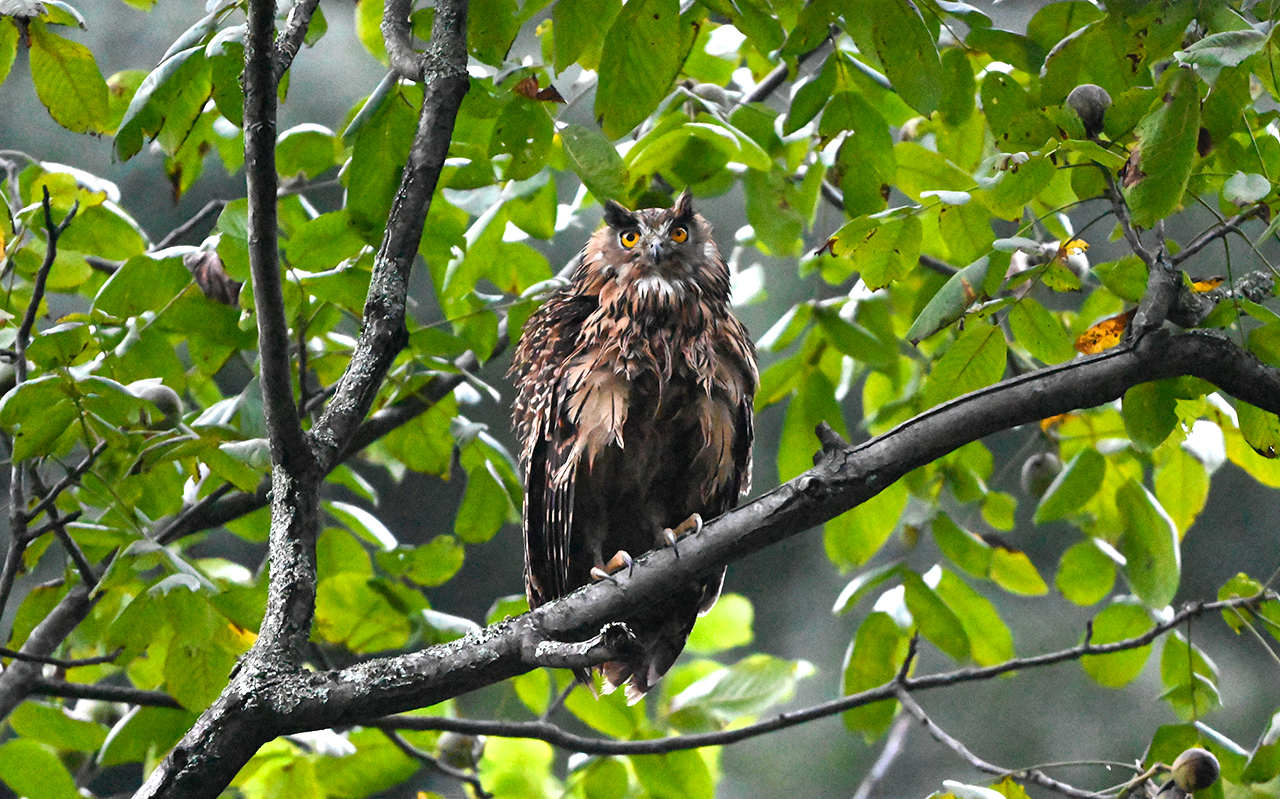
Tawny Fish Owl — Rare nocturnal predator, a prized sighting along Labahe streams
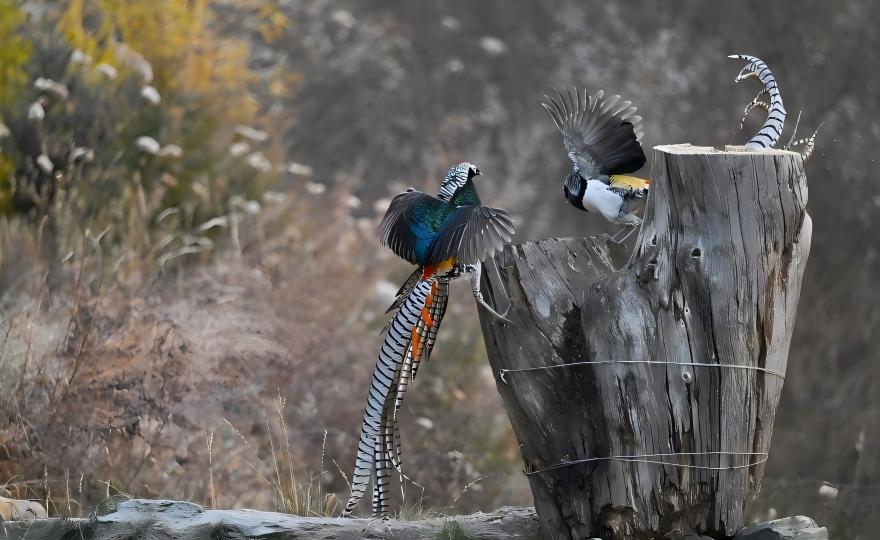
Lady Amherst’s Pheasant — Morning avian survey highlight, Day 2
Notable Flora
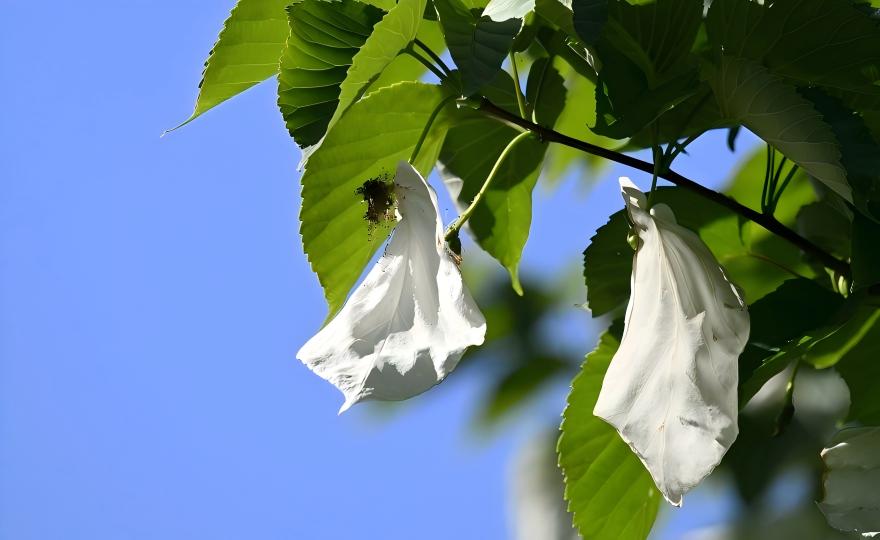
Dove Tree (Davidia involucrata) — “Living fossil,” blooming April–May with white bracts resembling doves in flight
Chinese Yew — Ancient conifer, red fruits visible September–October
Alpine Rhododendron — Multiple species carpeting the mountain slopes, blooming April–June
Unmatched Red Panda Access: Spend three full days inside the Labahe Nature Reserve — recognized as the highest-density wild Red Panda habitat on the planet. Combined with professional infrared monitoring equipment and our 85%+ tracking success rate, this expedition offers the best Red Panda tracking opportunity available anywhere.
Genuine Citizen Science, Not Just Tourism: Unlike standard wildlife tours, this expedition follows the “Observe-Record-Analyze” methodology of real field researchers. You don’t just watch wildlife — you contribute data to the Giant Panda National Park volunteer database and receive an official electronic research certification.
Designed for Families: This is one of the few China wildlife tours specifically designed for families with children aged 6–12. Every activity balances fun with educational outcomes, from eco-education workshops to hands-on bamboo restoration, making it a meaningful growth experience for young nature lovers.
Proven Excellence: With 20+ years of travel industry experience behind our team, we deliver seamless, high-quality Sichuan wildlife tours for global travelers, blending deep ecological knowledge with cultural sensitivity. Don’t just take our word for it — scroll down to read what our travelers have to say.
Daily Itinerary
Day 1: Arrival at the Secret Realm — Into the Red Panda’s Domain
*Research Focus: Introduction to Labahe’s Ecosystem & Nocturnal Wildlife*
Your 4-day Red Panda tracking expedition begins with a direct transfer to the Labahe Nature Reserve, the core zone of the Giant Panda National Park. Settle into the Labahe Eco-Lodge, then join your guide for an introductory briefing on the reserve’s ecology and the citizen science methodology you will follow over the coming days. As dusk falls, venture out on your first night patrol — use thermal imaging scopes to scan for Asiatic Black Bears, Leopard Cats, Red-and-white Flying Squirrels, Chinese Serow, Forest Musk Deer, and Tufted Deer emerging under the cover of darkness.
Overnight: Labahe Hotel | Meals: D
Day 2: Vertical Ecosystem Survey — Primeval Forest Scientific Expedition
*Research Focus: Biodiversity & Vertical Distribution*
Begin with a morning avian survey along forest streams, targeting the rare Tawny Fish Owl and the striking Lady Amherst’s Pheasant. Then trek along bamboo paths to deploy infrared cameras for wild Red Panda tracking — analyzing their crepuscular and nocturnal activity patterns, including climbing, territory marking, and foraging. These field observations will later inform your comparative analysis at Bifengxia Panda Base on Day 4, where you will contrast wild behaviors with semi-captive conditions. For families, our guides lead an eco-education session exploring “Captive Protection vs. Reintroduction to the Wild.” Under station experts’ guidance, identify the Dove Tree (blooming April–May), the Chinese Yew (fruiting September–October), and the diverse Alpine Rhododendron species that carpet the slopes. After dark, a second night patrol reveals more of Labahe’s secretive nocturnal community.
Overnight: Labahe Hotel | Meals: B/L/D
Day 3: Decoding the Symbiotic System — The Life Network Beneath the Snowy Mountains
*Research Focus: Validating the Ecological Function of Umbrella Species*
Observe and record the communication behaviors and social dynamics of a Sichuan Golden Snub-nosed Monkey troop — a key companion species in the Giant Panda National Park. Visit natural mineral licks to study the ecological significance of mineral supplementation for Sambar Deer and other herbivores. Take part in a Jiaoshan Cloud Sea ecology class, learning how cloud layers and mist shape the microclimate of the primeval forest. In the evening, participate in a workshop to map species distribution and compile your daily observation reports.
Overnight: Labahe Eco-Lodge | Meals: B/L/D
Day 4: The Double Treasure — From Wild Tracking to Panda Base & Tea Country
*Research Focus: Comparative Study — Wild vs. Semi-Captive Environments*
Retrieve data from the infrared cameras deployed on Day 2 — analyze the activity trajectories of Red Pandas (our tracking success rate exceeds 85%). Then depart Labahe for Bifengxia Panda Base, a semi-free-range facility set in lush mountain scenery with far fewer visitors than the Chengdu base. Here, observe Giant Pandas in a near-natural habitat — compare their feeding behaviors, activity levels, and enclosure interactions with the wild Red Pandas you tracked over the past three days, completing a cross-species comparative study between wild and semi-captive environments. In the afternoon, wind through local tea plantations in the Ya’an countryside — one of China’s most celebrated tea-growing regions — before arriving in Chengdu, concluding your Sichuan wildlife expedition.
Overnight: N/A (Departure or return to Chengdu) | Meals: B/L
Frequently Asked Questions (FAQ)
A: No prior experience is necessary. This 4-day Red Panda tracking expedition is designed to be accessible to anyone with a passion for nature. Our expert guides provide all the training you need — from operating infrared cameras and thermal imaging scopes to identifying species and filling out ethogram behavior cards. You will learn the “Observe-Record-Analyze” methodology in the field, just as real researchers do in the Giant Panda National Park.
Q2: What are the chances of seeing a wild Red Panda in Labahe?
A: The Labahe Nature Reserve is home to one of the highest densities of wild Red Pandas on the planet. While wildlife can never be guaranteed, our use of professional infrared camera traps combined with expert local tracking knowledge gives us a historical success rate exceeding 85% for capturing tracking evidence — including footprints, territory markings, and direct sightings. This makes Labahe one of the most reliable Red Panda tracking destinations in the world.
Q3: How physically demanding is this Labahe wildlife expedition?
A: The trekking is moderate. You will walk on trails and through bamboo forests at around 1,900 meters elevation, some of which may be uneven or slippery. A reasonable level of fitness is recommended, but we move at a slow, observation-focused pace with frequent breaks for photography and species identification. The itinerary also includes quieter activities such as avian surveys, mineral lick observations, and evening data workshops, so there is a good balance of physical and sedentary moments throughout the 4-day expedition.
Q4: What is the “Double Treasure” experience?
A: It refers to the unique combination of experiencing two sides of panda conservation in one trip. After three days of tracking wild Red Pandas in the forests of the Labahe Nature Reserve, you will visit Bifengxia Panda Base on Day 4 — a semi-free-range facility with far fewer visitors than the Chengdu base — to observe Giant Pandas in a near-natural habitat. It is a rare opportunity to witness the full spectrum of panda conservation, from wild habitat monitoring to semi-captive care, all within a single Sichuan wildlife expedition.
Q5: Can I see wild Giant Pandas in Labahe?
A: Wild Giant Pandas inhabit the Labahe Nature Reserve and have been occasionally sighted by researchers and staff. However, they are extremely elusive and the chance of an encounter during a 4-day visit is very low. This expedition’s core target is the Red Panda, which offers a far more reliable tracking experience. If seeing a wild Giant Panda is your primary goal, we recommend our dedicated Giant Panda Safari → which focuses on wild giant panda tracking.
Q6: What is the Electronic Research Certificate, and does it have real value?
A: This certificate officially recognizes your contribution as a citizen scientist in the Giant Panda National Park. The data you help collect — from infrared camera traps, thermal imaging observations, and species behavior records — is logged into the park’s volunteer database and can be used for ongoing conservation research. It is a meaningful credential that goes beyond a typical travel souvenir, representing a genuine contribution to protecting Red Pandas and their habitat.
Q7: What camera gear should I bring for Red Panda photography in Labahe?
A: We recommend a DSLR or mirrorless camera with a telephoto lens of at least 400mm (600mm or more is ideal for Red Panda photography). A wide-angle lens (16–35mm) works well for the primeval forest landscapes and Alpine Rhododendron slopes. A sturdy tripod is essential for low-light conditions, especially during night patrols. Bring extra batteries — cold temperatures at 1,900 meters drain them faster — and weather-proof gear for the misty mountain environment.
Q8: Is this expedition suitable for children?
A: Yes. This is one of the few China wildlife tours specifically designed for families with children aged 6–12. Every activity balances hands-on fun with educational outcomes — from deploying infrared cameras and identifying Dove Tree blooms to participating in bamboo restoration and earning a research certificate. Our guides are experienced in engaging young naturalists, and the moderate pace of the itinerary is well-suited for families. For more family-friendly options, explore all China wildlife tours →
Tom Dale28 contributions
Apr 2026 Having lived in China previously, my family and I decided to do a 3 week China trip in April 2026. One thing definitely on the list was trying to see some of the amazing wildlife China has to offer. I found ChinaWildlifeTour online and subsequently started discussing a trip to Labahe national park (喇叭河) with Kevin.
From the start, Kevin was so easy to plan the trip with. Super responsive via Wechat messaging and always happy to provide information based on his local knowledge. This gave me absolute trust this was the company and tour guide we wanted to go with...
Man, was this the case.
From picking us up at the hotel, to his wildlife expertise and even his understanding of the kind of food me and my family would like, Kevin was awesome. He speaks good English, even knowing loads of species in English without needing help from an app.
With the use of thermal cameras, his keen eyes and local knowledge, he helped us see 5 different red pandas, samba deer, Tibetan Macaques, Lady Amerhurst phesants and loads of other awesome bird species. We even saw a Civet Cat on a nightime wildlife walk which was a real surprise bonus.
We even went up to the peak of Er Lang Mountain, getting the most perfect weather to see the truly incredible scenery. Kevin even had oxygen cannisters in case any of us needed them due to the altitude (Though we didn't).
For any animal lovers wanting to do a trip in China, use this company (Especially Kevin), you won't regret it.
Thanks for helping us to fill the following form about your personal preferences. This information you provide can help us to plan the best trip especially for you.




Copyright © 2026 • China Wildlife Tour All Rights Reserved Safari in Cina
 中文
中文