(+86)133 8819 6153
info@chinawildlifetour.com

Price from $1399 November 01, 2026
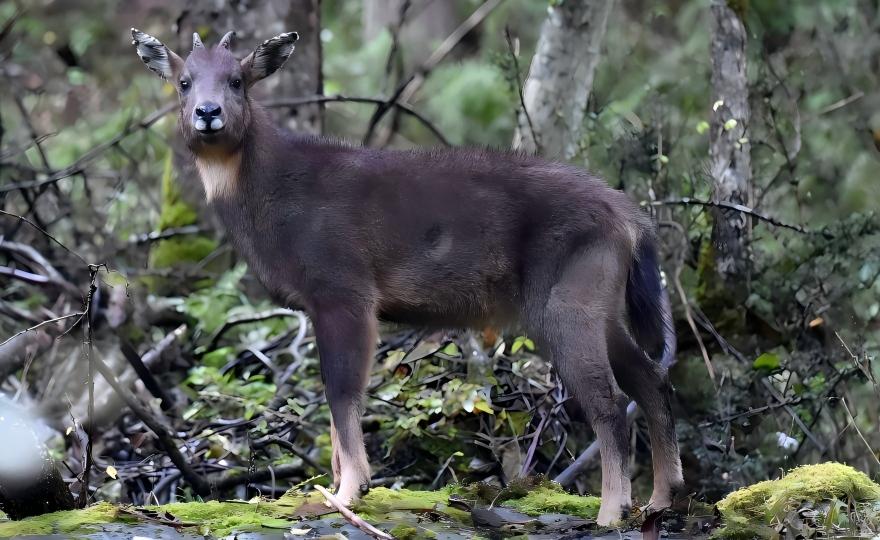
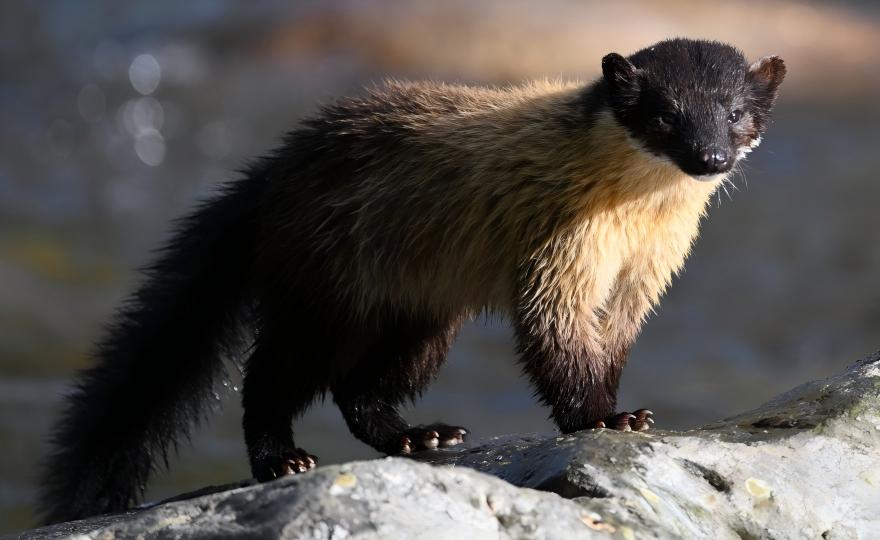
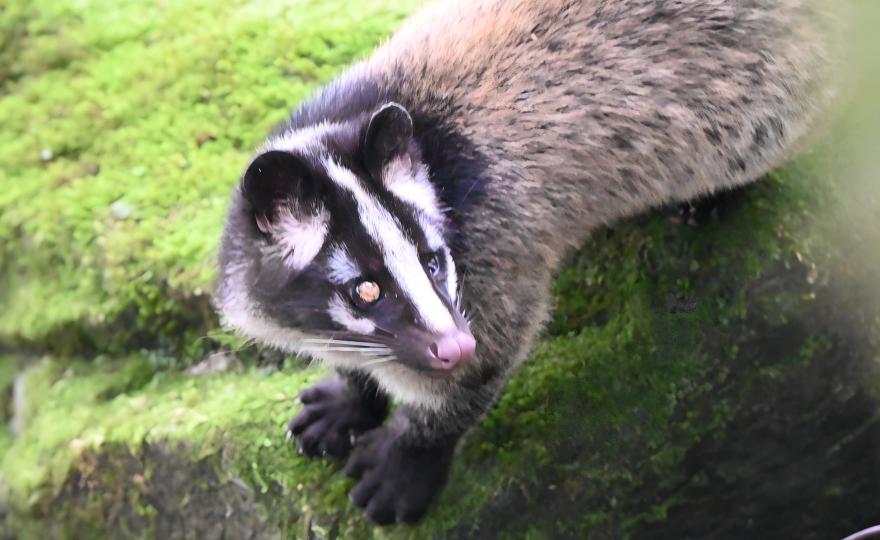
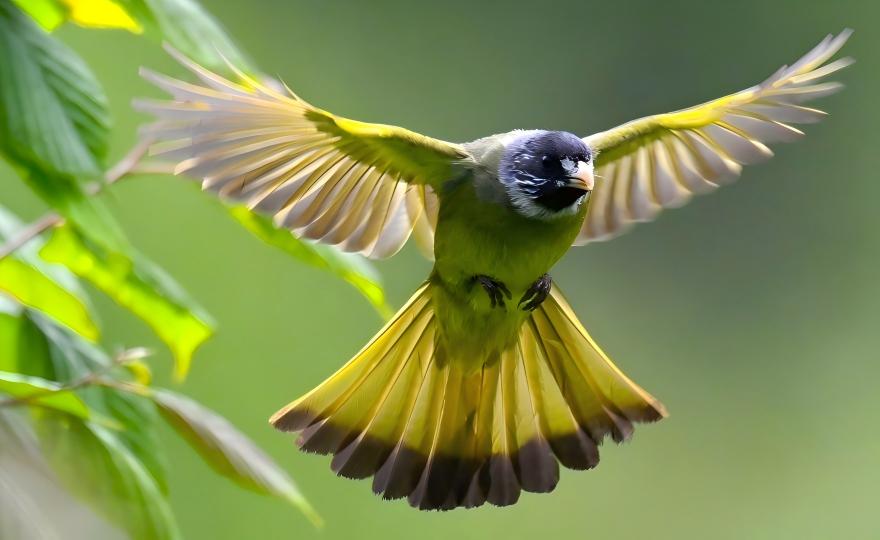
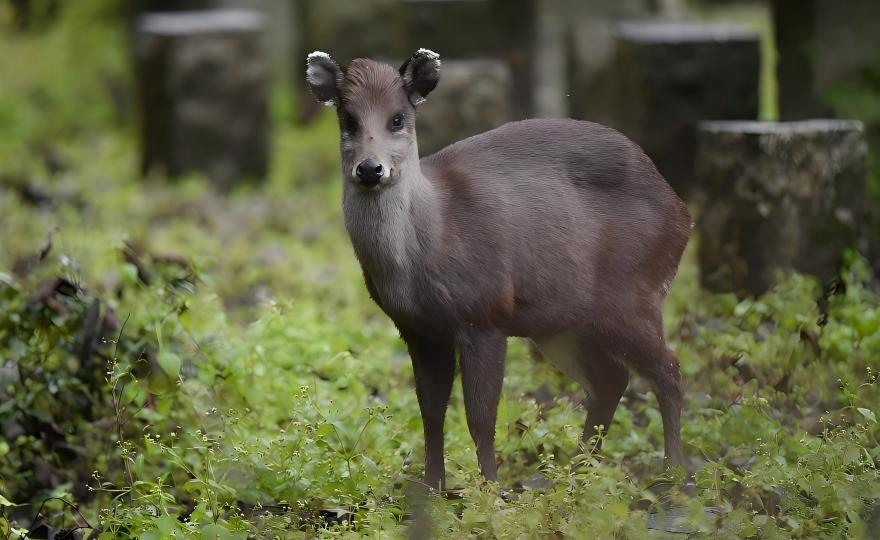
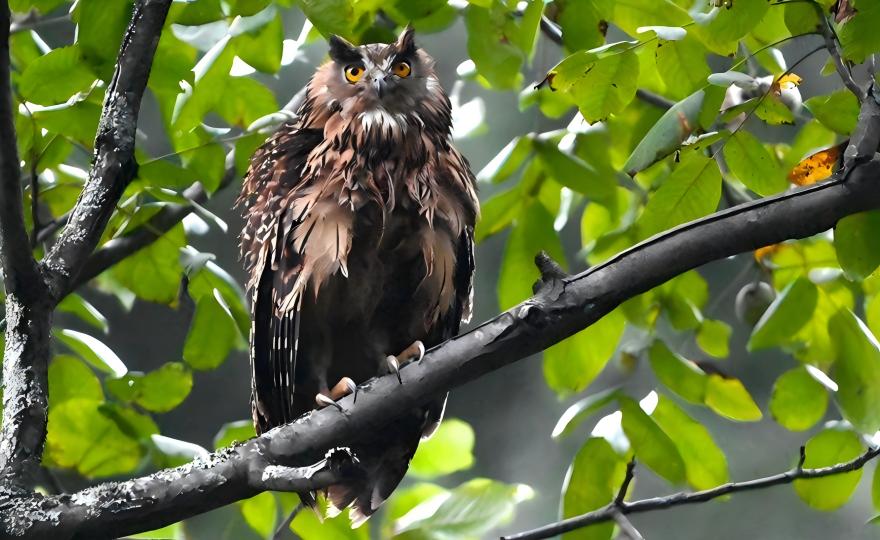
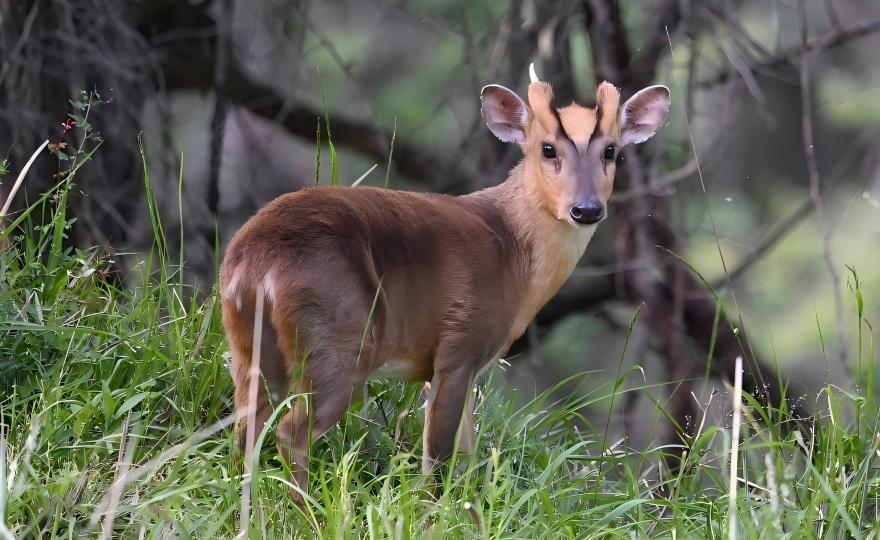
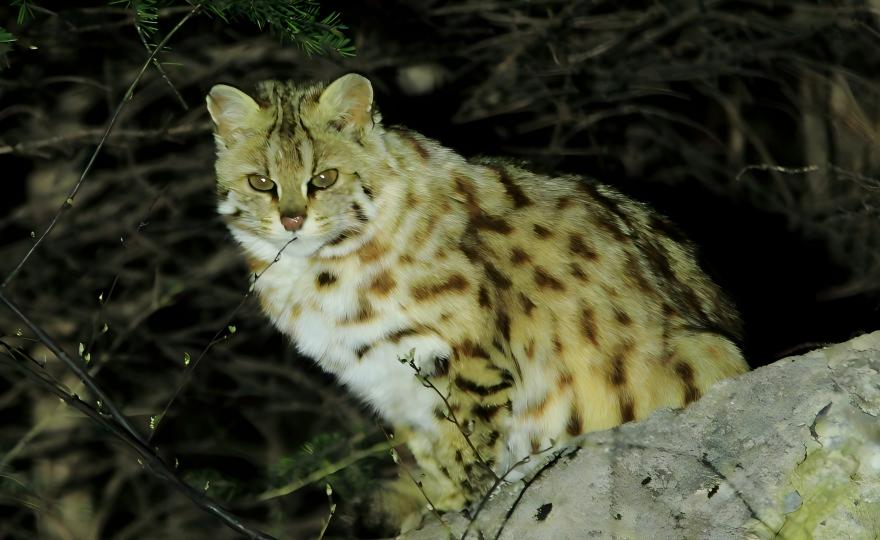
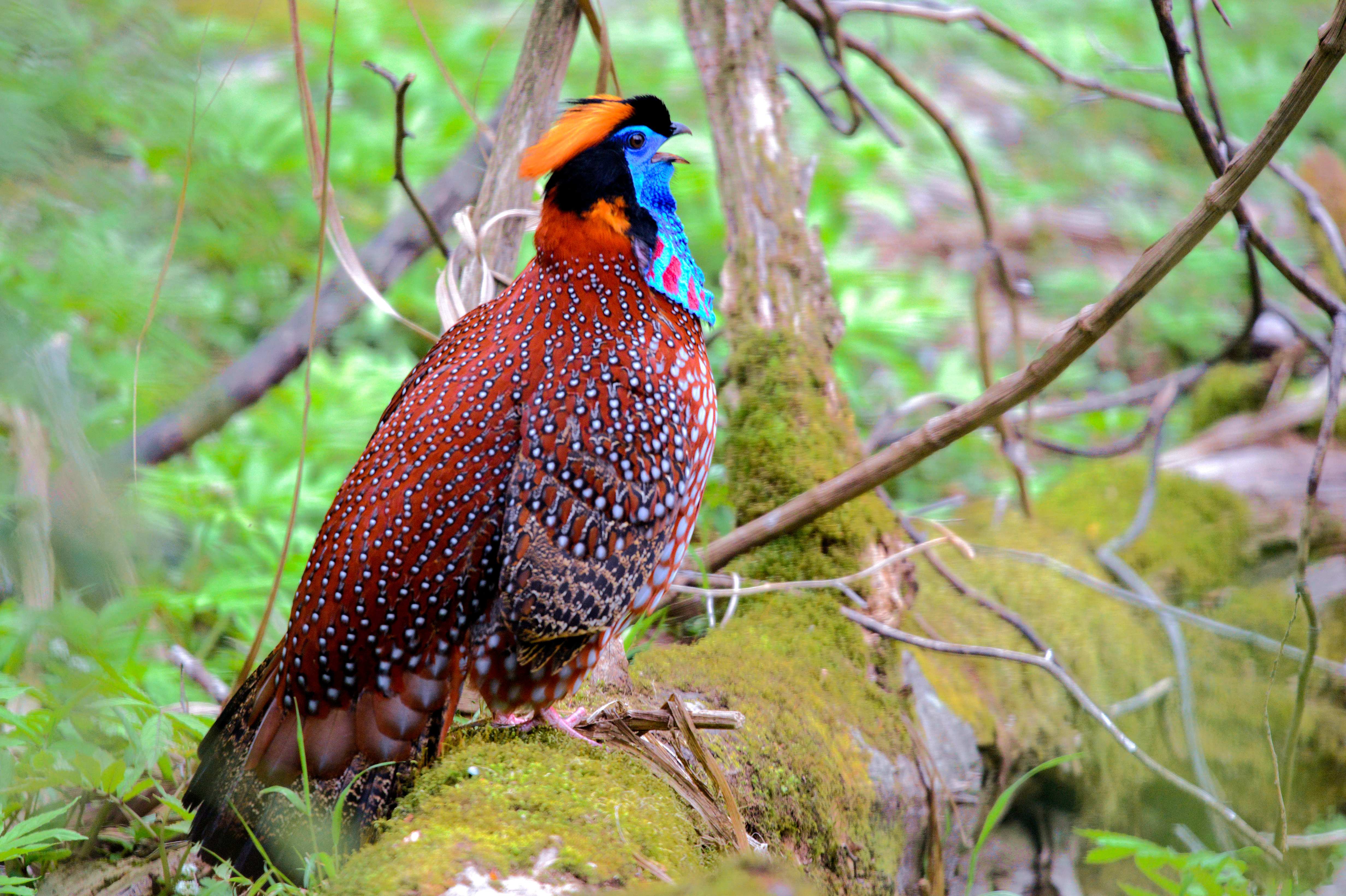
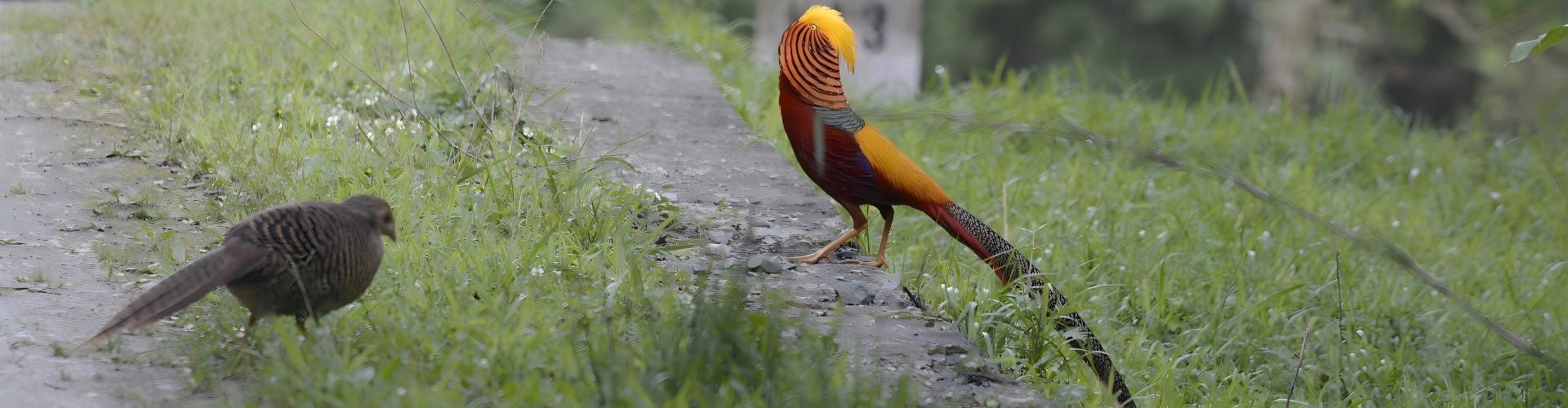
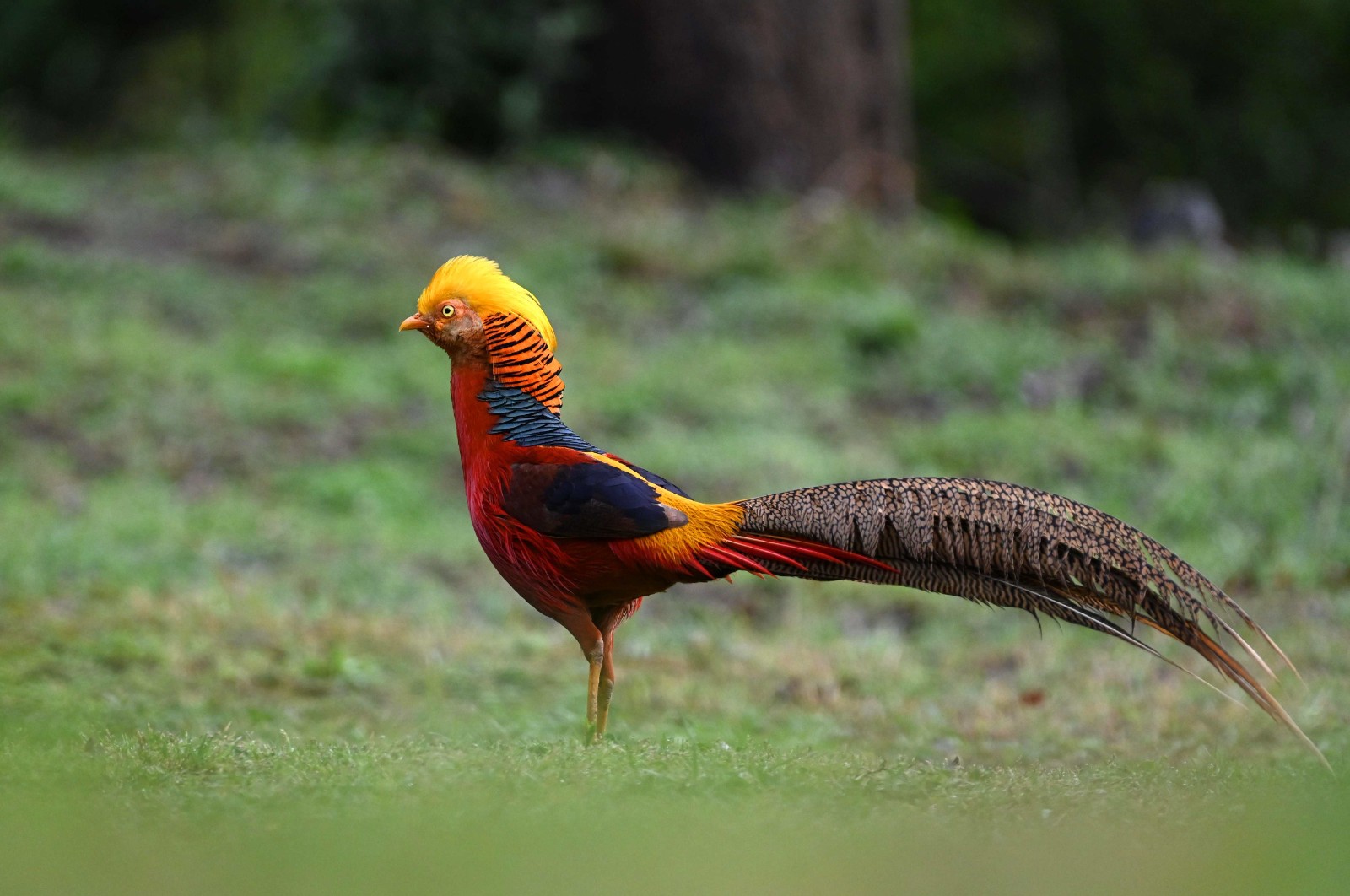
Journey into the Tangjiahe National Reserve — a biodiversity hotspot with a remarkable 70% mammal encounter rate. Across 1,400–3,500-meter vertical ecosystems, young scientists will conduct genuine field research on the “umbrella community” sheltered by the Giant Panda’s protection. This 5-day wildlife research camp covers the full spectrum of field skills: deploying infrared camera traps, decoding bio-signs through 3D footprint modeling, collecting scat samples for DNA analysis, and mapping bamboo distribution for habitat assessment. From tracking Chinese Takin herds and observing Golden Pheasant courtship displays to detecting nocturnal predators like the Tawny Fish Owl and Leopard Cat, every moment is designed to inspire the next generation of conservationists.
Looking for more wildlife experiences for your family? Explore All China Wildlife Tours →
A Biodiversity Hotspot with 70% Mammal Encounter Rate: The Tangjiahe National Reserve is one of the most wildlife-rich protected areas in China. Its 1,400–3,500-meter vertical ecosystems support an extraordinary concentration of mammals, birds, and reptiles — making it an ideal living classroom for young scientists.
Full-Spectrum Field Research Skills: Go beyond wildlife watching. Master infrared camera trap deployment, bio-sign decoding through 3D footprint modeling, scat DNA collection protocols, and bamboo habitat mapping — the same methodologies used by professional field researchers in the Giant Panda National Park network.
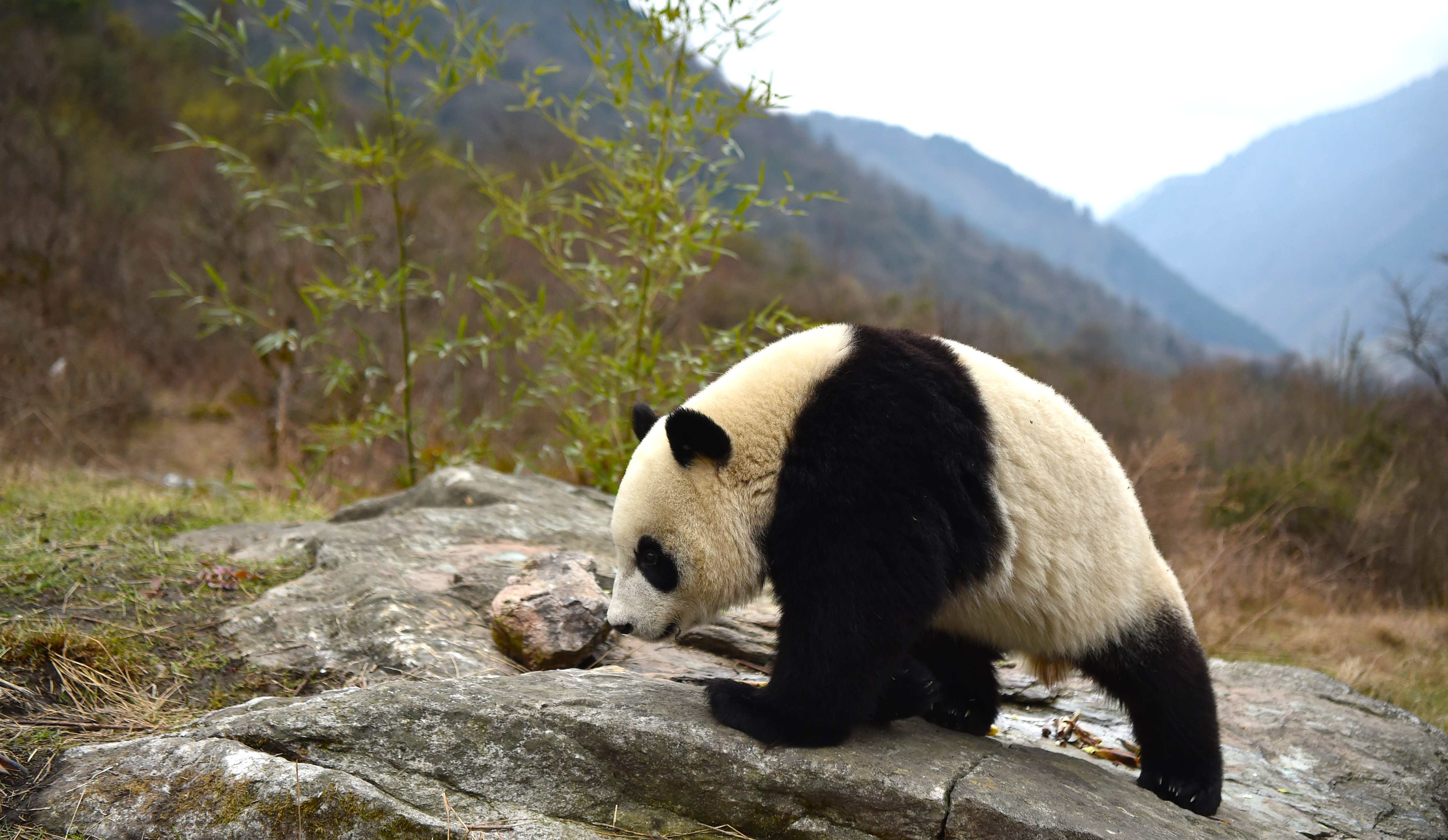
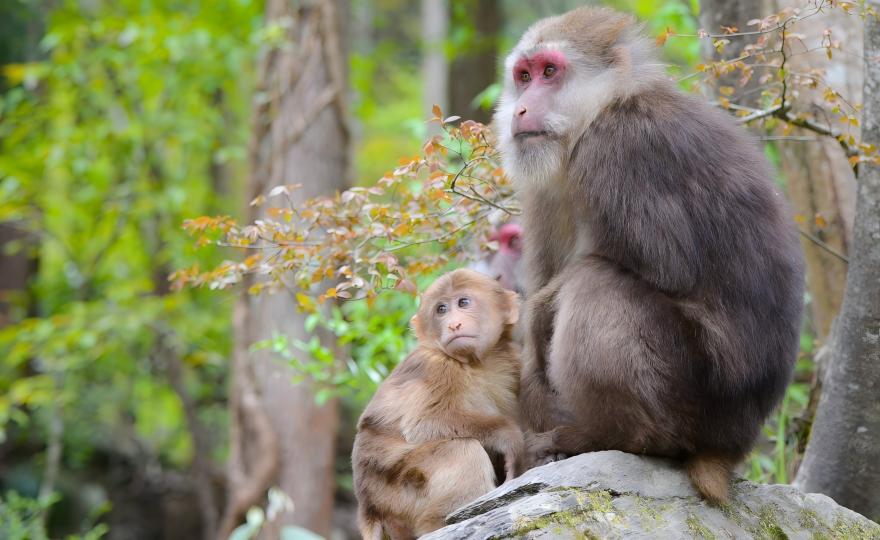
Umbrella Species Community Study: Focus on the “umbrella community” that thrives under the Giant Panda’s protection — from Chinese Takin herds and Tibetan Macaque troops to Golden Pheasants and Tawny Fish Owls — understanding how protecting one species safeguards an entire ecosystem.
Nocturnal Wildlife Detection: Step into the role of a nighttime detective. Use thermal imaging scopes and UV lights to detect Leopard Cats, Masked Palm Civets, Tufted Deer, and the elusive Tawny Fish Owl — developing real-world skills in nocturnal wildlife survey techniques.
Triple Certification & Real Impact: Earn three official credentials — an Internship Certificate from the Tangjiahe National Reserve, a Citizen Scientist Certification, and an Eco-Protector Award — recognizing your genuine contribution to conservation research.
Interdisciplinary Learning: Connect ecology with history and technology. Reconstruct climate patterns through ginkgo tree-ring analysis along the Three Kingdoms-era Yinping Ancient Trail, and use AI to analyze your infrared camera imagery against the China Biodiversity Cloud Database.
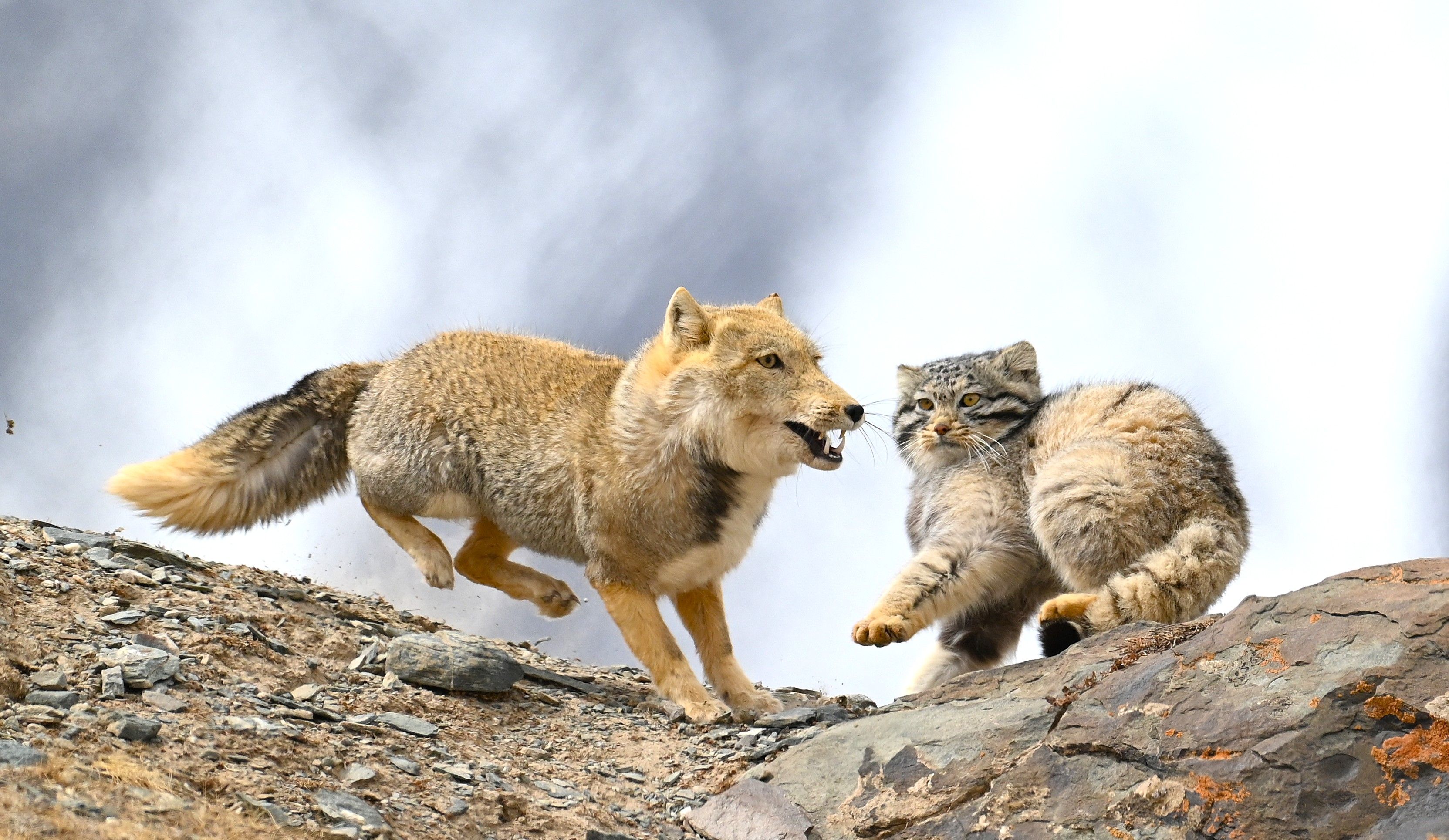
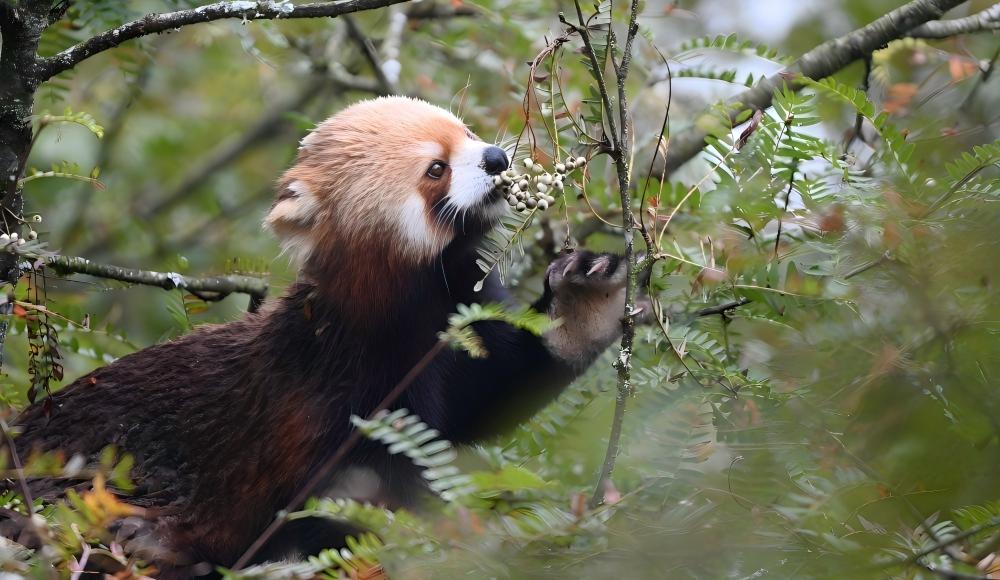
Target Species
Co-occurring Mammals
Co-occurring Birds
Notable Flora
Purpose-Built for Young Scientists: This is not a sightseeing tour dressed up as education. Every activity — from camera trap deployment to scat DNA collection to AI-assisted imagery analysis — mirrors the real workflow of professional field researchers. Young participants leave with genuine skills, not just memories.
Tangjiahe's Unmatched Wildlife Density: With a 70% mammal encounter rate, the Tangjiahe National Reserve delivers more wildlife sightings per day than almost any other protected area in China. For a short 5-day camp, this density ensures that every field session has a high probability of meaningful encounters.
Triple Certification with Real Value: Three official credentials — from the reserve itself, the citizen science network, and the eco-protection program — recognize authentic research contributions. These are not participation trophies; they document real data collection that feeds into the Giant Panda National Park monitoring system.
Interdisciplinary Depth: Rare among China wildlife camps, this program weaves ecology together with historical archaeology (Three Kingdoms-era trail analysis) and modern technology (AI imagery analysis, 3D footprint modeling), giving young scientists a holistic understanding of how conservation connects to culture and innovation.
Proven Excellence: With 20+ years of travel industry experience behind our team, we deliver seamless, high-quality Sichuan wildlife tours for global families. Don’t just take our word for it — scroll down to read what our travelers have to say.
Day 1: Arrival at the Research Base — First Encounters
*Research Focus: Large Herbivore Ethology & Safety Protocols*
Your 5-day young scientist wildlife research camp begins with an opening lab session at the Tangjiahe National Reserve. Receive your field kit — including infrared cameras, trace identification cards, and safety guidelines — and join group assignments for a Habitat Fragmentation Simulation Experiment. As evening approaches, head into the field for your first wildlife encounter: observe Chinese Takin herds, Chinese Goral, and Reeves’s Muntjac while learning safety distance protocols and documenting herd movement patterns.
Overnight: Tangjiahe Research Base | Meals: D
Day 2: Field Skills Certification — Birds, Primates & Night Detectives
*Research Focus: Avian Ethology, Primate Social Structure & Nocturnal Survey Techniques*
Begin with a morning avian ethology session — conduct fixed-point observations of forest birds including the Collared Finchbill, Daurian Redstart, Red-billed Blue Magpie, White-capped Water Redstart, and Brown Dipper. In the afternoon, shift focus to primate social structure: decode the hierarchy within Tibetan Macaque troops and test thermal triggers for camera traps. After dark, become a nighttime detective — use UV lights to detect fluorescent scent markings (such as those left by clouded leopards) and scan for Leopard Cats and Masked Palm Civets.
Overnight: Tangjiahe Research Base | Meals: B/L/D
Day 3: Panda Habitat Analysis — Bamboo, Pheasants & Owls
*Research Focus: Giant Panda Habitat Assessment & Umbrella Species Conservation*
Spend the morning in the bamboo forest ecosystem: measure Cold Arrow Bamboo density and correlate your findings with Giant Panda dietary preferences — contributing real data to habitat assessment. In the afternoon, visit the Motianling Conservation Station for a case study on Golden Pheasant habitat restoration. After dark, conduct a nocturnal survey targeting the Tawny Fish Owl along forest streams and detecting Tufted Deer in the undergrowth.
Overnight: Tangjiahe Research Base | Meals: B/L/D
Day 4: Interdisciplinary Integration — Ecology Meets History & Technology
*Research Focus: Paleoecology & AI-Assisted Wildlife Analysis*
Step onto the Three Kingdoms-era Yinping Ancient Trail for a morning of ecological archaeology. Reconstruct historical climate patterns through Ginkgo tree-ring analysis and study vegetation resilience along this ancient military route. In the afternoon, participate in a data summit: use AI to analyze the infrared imagery captured by your camera traps, conducting a comparative study with the China Biodiversity Cloud Database — bridging traditional fieldwork with cutting-edge technology.
Overnight: Tangjiahe Research Base | Meals: B/L/D
Day 5: Sustainable Practice — Tracking, Community & Certification
*Research Focus: Applied Conservation & Community Co-Existence*
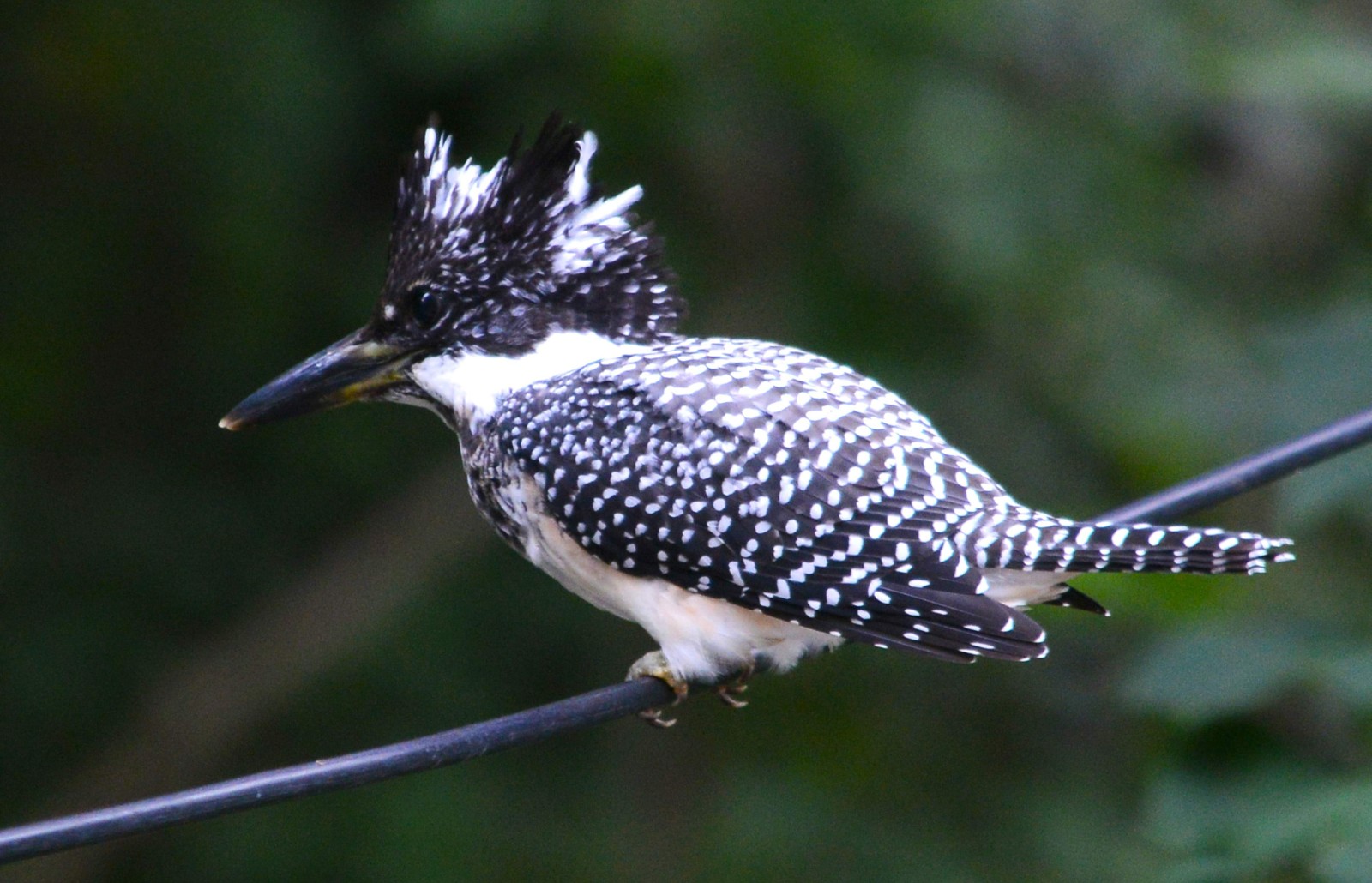
Begin your final day by tracking the active Yellow-throated Marten and observing the striking Crested Kingfisher along the river. Then shift to community collaboration: study the biogas-agroforestry energy loop model that has achieved a 40% reduction in local deforestation — understanding how conservation succeeds when communities benefit. Conclude your Tangjiahe wildlife research camp at the closing ceremony, where you will receive three official credentials: an Internship Certificate from the Tangjiahe National Reserve, a Citizen Scientist Certification, and an Eco-Protector Award.
Overnight: N/A (Departure) | Meals: B/L
Q1: Who is this Tangjiahe wildlife research camp designed for?
A: This 5-day young scientist wildlife research camp is designed for aspiring naturalists aged 8–15 with a curiosity for the natural world. It is ideal for children with an interest in biology, ecology, or environmental science, as well as families seeking a meaningful alternative to standard wildlife tourism. No prior field experience is necessary — just a passion for wildlife and a willingness to get hands-on with real research activities in the Tangjiahe National Reserve.
Q2: My child has no scientific background. Will they be able to follow the research activities?
A: Absolutely. Every skill is taught from scratch by our expert guides through engaging, hands-on workshops. Your child will learn what an ethogram is (a catalog of animal behaviors) and how to use it for data logging. They will receive step-by-step training in deploying infrared camera traps, collecting scat samples, and conducting 3D footprint modeling — the same techniques used by professional field researchers in the Giant Panda National Park network. Complex concepts are broken into age-appropriate activities, so every participant can fully engage regardless of prior knowledge.
Q3: How physically demanding is this Tangjiahe field camp?
A: The program involves daily fieldwork in mountainous terrain at 1,400–3,500 meters elevation, so a moderate level of fitness is recommended. Activities include hiking on trails (some uneven or steep), walking through bamboo forests, and standing during observation sessions. However, we move at a comfortable group pace with frequent breaks, and the itinerary balances physical activities — such as tracking Chinese Takin herds and deploying camera traps — with quieter sessions like avian surveys, data workshops, and the biogas community workshop. If your child enjoys regular outdoor play or hikes, they should be well-prepared.
Q4: What wildlife can my child expect to see during the 5-day camp?
A: The Tangjiahe National Reserve boasts a remarkable 70% mammal encounter rate. Three species are observed with near-certainty: Chinese Takin (large herds on Day 1 and Day 5), Reeves’s Muntjac (the reserve’s most frequently sighted mammal, encountered almost daily), and Tibetan Macaque (troops reliably observed at multiple locations). Other species — including Chinese Goral, Golden Pheasant, Tawny Fish Owl, Leopard Cat, and Asiatic Black Bear — may be encountered depending on conditions and luck.
Q5: What is the role of the local community in this program?
A: Community collaboration is a core part of this citizen science camp. On Day 5, participants work alongside local community members to study the biogas-agroforestry energy loop model — a real-world conservation success that has achieved a 40% reduction in local deforestation by providing sustainable livelihood alternatives. This hands-on workshop demonstrates how conservation and community development work hand-in-hand, giving young scientists a holistic understanding of why protecting wildlife also means supporting the people who share the land.
Q6: What are the accommodations and facilities like at the Tangjiahe Research Base?
A: Participants stay in clean, comfortable, dormitory-style rooms at a hotel within the Tangjiahe National Reserve, fostering a collaborative team environment. Meals are nutritious, communal, and feature local Sichuan cuisine. The base is equipped with a laboratory space for evening data analysis sessions and camera trap imagery review, as well as essential amenities. While it is not a luxury hotel, it is a functional and inspiring base for genuine scientific work — most participants find the immersive setting part of the experience.
Q7: What is the Triple Certification, and does it have real academic value?
A: The Triple Certification consists of three official credentials: an Internship Certificate from the Tangjiahe National Reserve validating your hands-on field experience; a Citizen Scientist Certification acknowledging your data collection contributions to real conservation projects; and an Eco-Protector Award recognizing your engagement in community-based sustainability initiatives. These certificates document authentic research contributions — not just participation — and are a valuable addition to academic portfolios or resumes, demonstrating practical field skills and a genuine commitment to environmental protection.
Q8: Can I see wild Giant Pandas in Tangjiahe?
A: Wild Giant Pandas inhabit the Tangjiahe National Reserve, but they are extremely elusive and the chance of an encounter during a 5-day camp is very low. This program focuses on the “umbrella community” that benefits from the Giant Panda’s protected habitat — species like the Chinese Takin, Golden Pheasant, and Tawny Fish Owl that are far more observable. If seeing a Giant Panda is your primary goal, we recommend our dedicated Giant Panda Safari → which focuses on close-up observation at a semi-free-range base.
Rod C1 contribution
Sep 2025From our very first inquiry, China Wildlife Tour went above and beyond to provide an unforgettable, worry-free experience. Their team was professional, responsive, and attentive, carefully crafting an itinerary that perfectly matched our wishes for an immersive Giant Panda adventure.
Our journey through multiple panda habitats in Sichuan Province was seamless and enriching. Our personal guide, Philip, was outstanding—extremely knowledgeable about local culture, cuisine, and Giant Pandas. He provided fascinating insights at every stop and ensured we were comfortable and cared for from the moment we landed in Chengdu.
Philip's organization and attentiveness were remarkable, making the experience feel like we had our own personal concierge. Every meal—from breakfast to dinner—was thoughtfully chosen, and each day offered a mix of breathtaking scenery, cultural highlights, and meaningful encounters with Giant Pandas.
China Wildlife Tour delivered a truly memorable trip, and I wholeheartedly recommend them to anyone seeking an in-depth, expertly guided panda adventure in China.
Thanks for helping us to fill the following form about your personal preferences. This information you provide can help us to plan the best trip especially for you.




Copyright © 2026 • China Wildlife Tour All Rights Reserved Safari in Cina
 中文
中文