(+86)133 8819 6153
info@chinawildlifetour.com

Price from $3999 January 03, 2027
Overview
Embark on a 14-day birding expedition across Yunnan, traversing one of the world’s most biodiverse regions. This journey spans a dramatic altitudinal gradient from the montane pine forests of the Hengduan foothills to the lush tropical lowlands of the Myanmar border. Designed for the discerning naturalist, the itinerary covers four distinct avifaunal zones — from Zixi Mountain’s endemic nuthatches to Hongbenghe’s legendary hornbills — targeting over 400 species including Yunnan endemics, rare pheasants, and three species of hornbill. A dedicated day with the Yunnan Snub-nosed Monkey and the Chinese endemic White-speckled Laughingthrush at Tacheng adds a unique primate and endemic bird highlight to this comprehensive Southwest China birding experience.
Highlights
Flagship Species Across 3 Ecological Zones
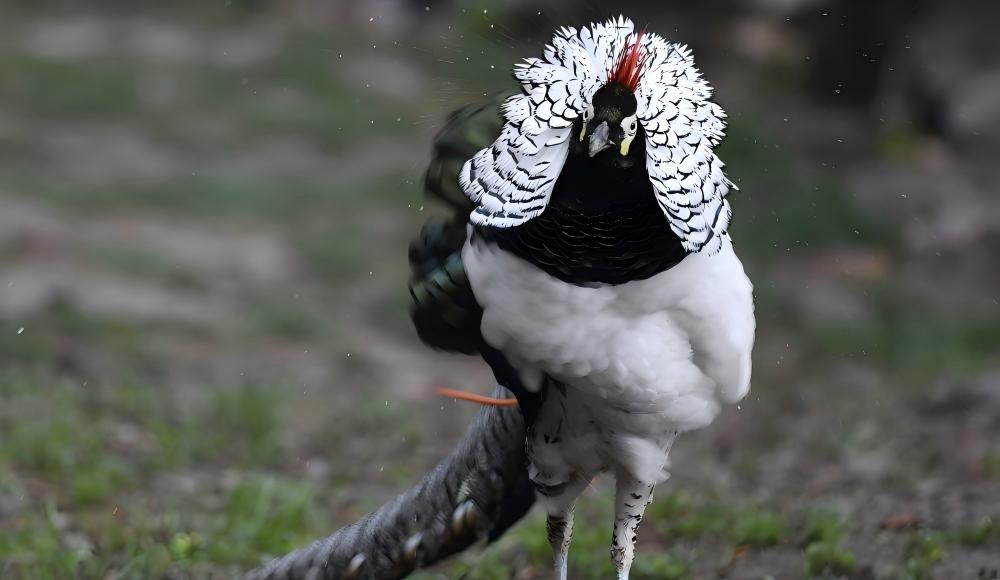
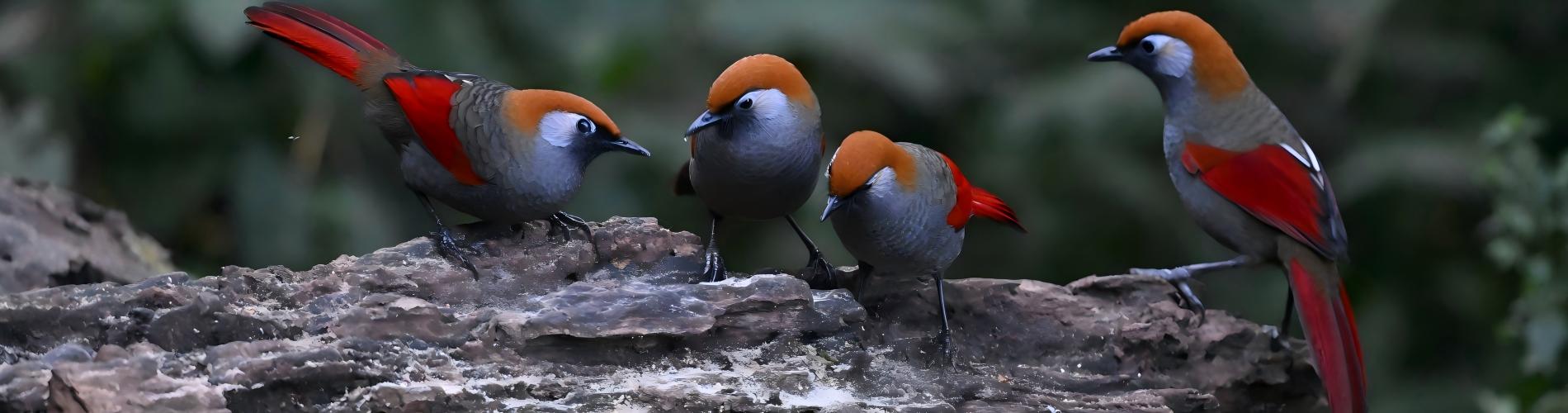
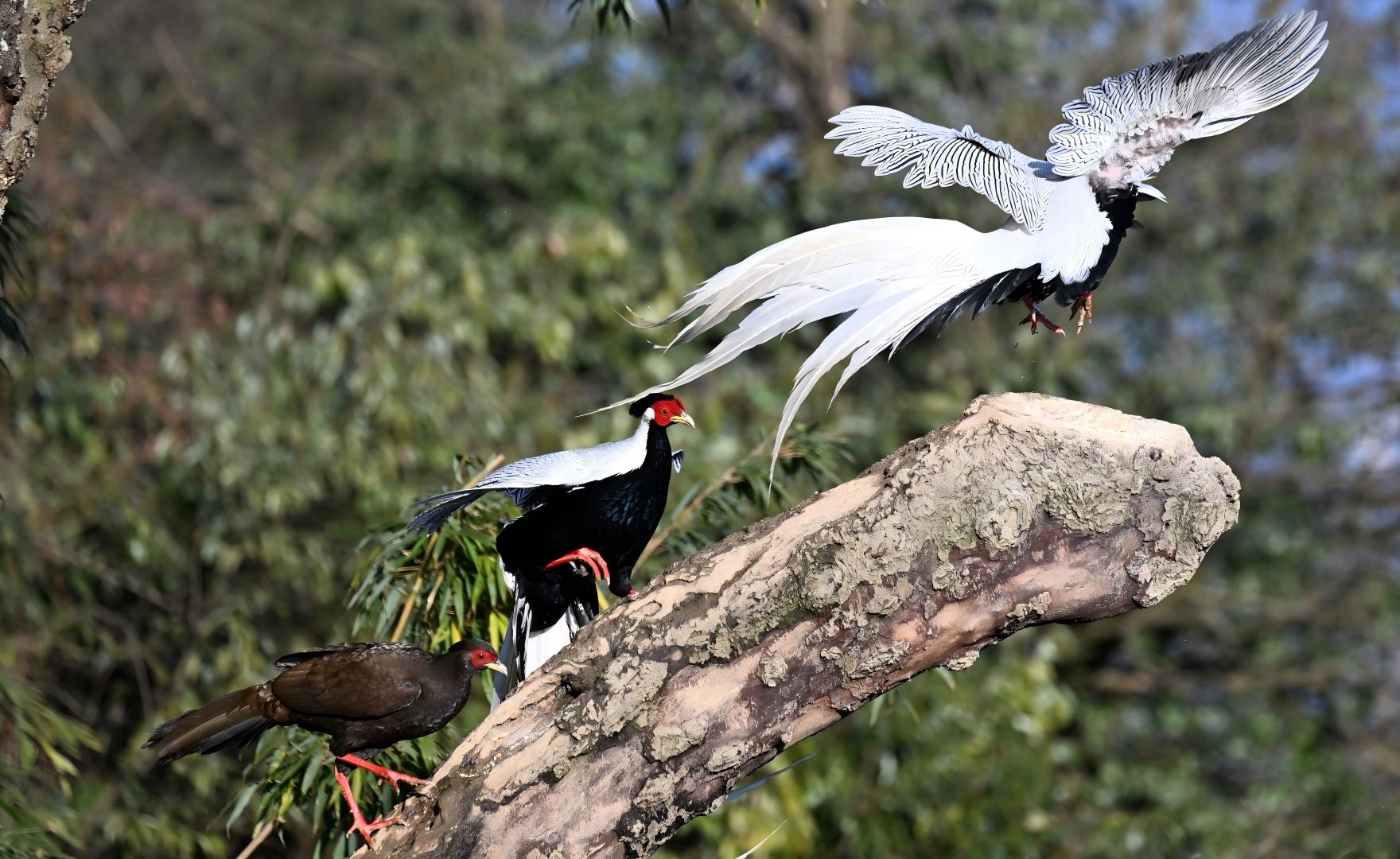
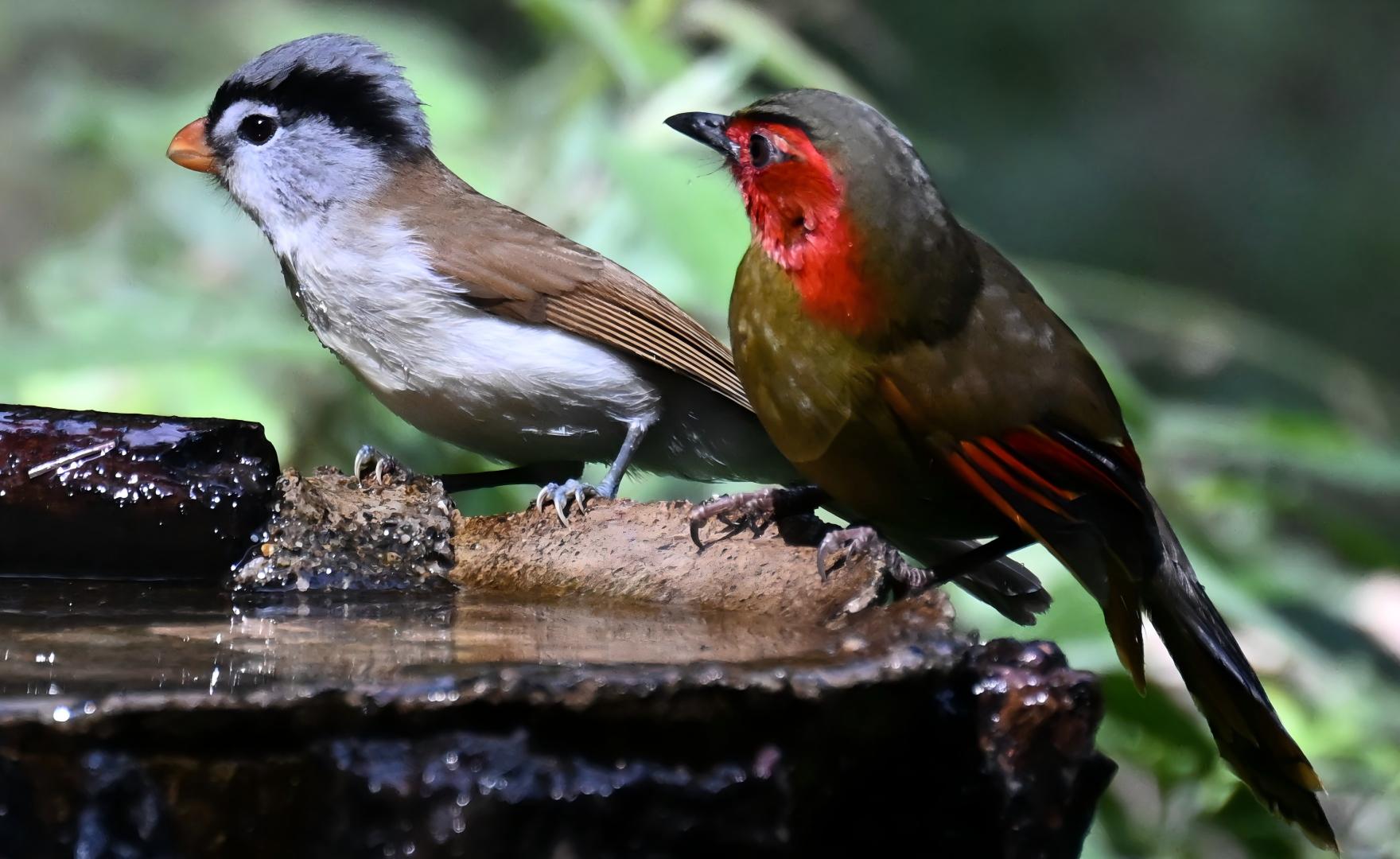
Mid-Montane Belt (Gaoligong Mountains, ~2,500m): Search for the stunning Silver Pheasant and Red-faced Liocichla along misty forest trails
Lowland Rainforest (Nabang, ~300m): Observe the frugivorous behavior of Wreathed Hornbill at the “Banyan King” tree, a critical cross-border foraging channel
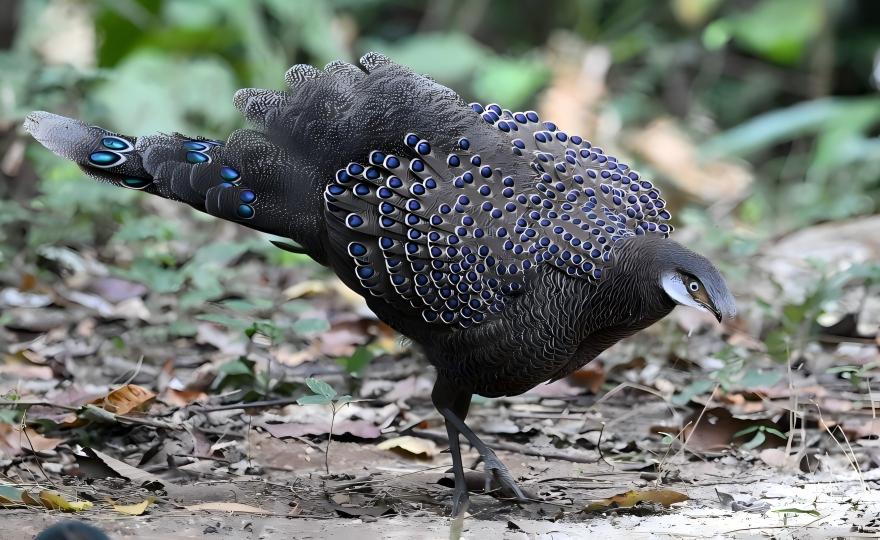
Canyon Floor (Hongbenghe, ~280m): Track the elusive Grey Peacock-Pheasant (CITES Appendix I) as it walks along mossy forest trails
The "Big 6" Southwest China Specialties
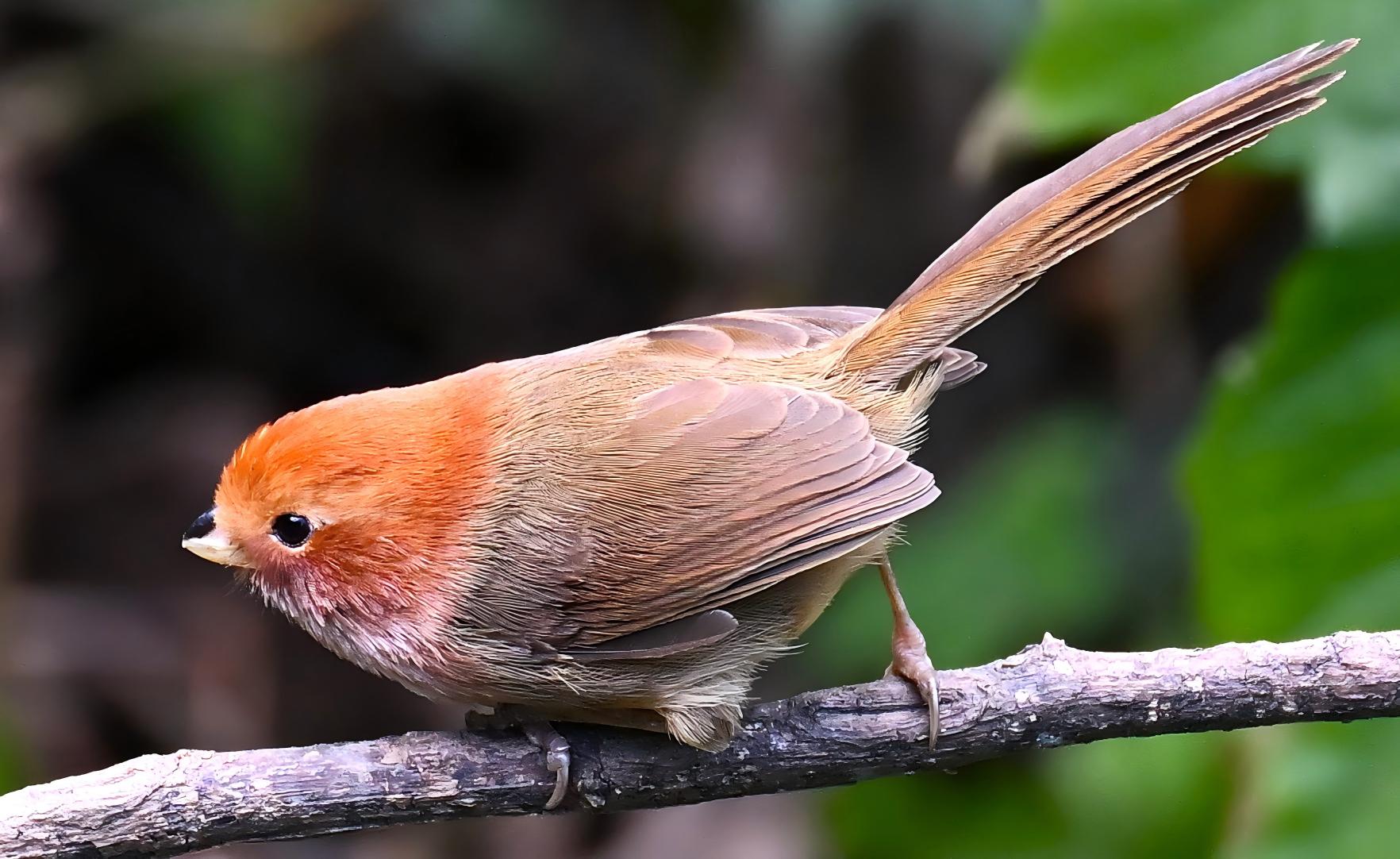
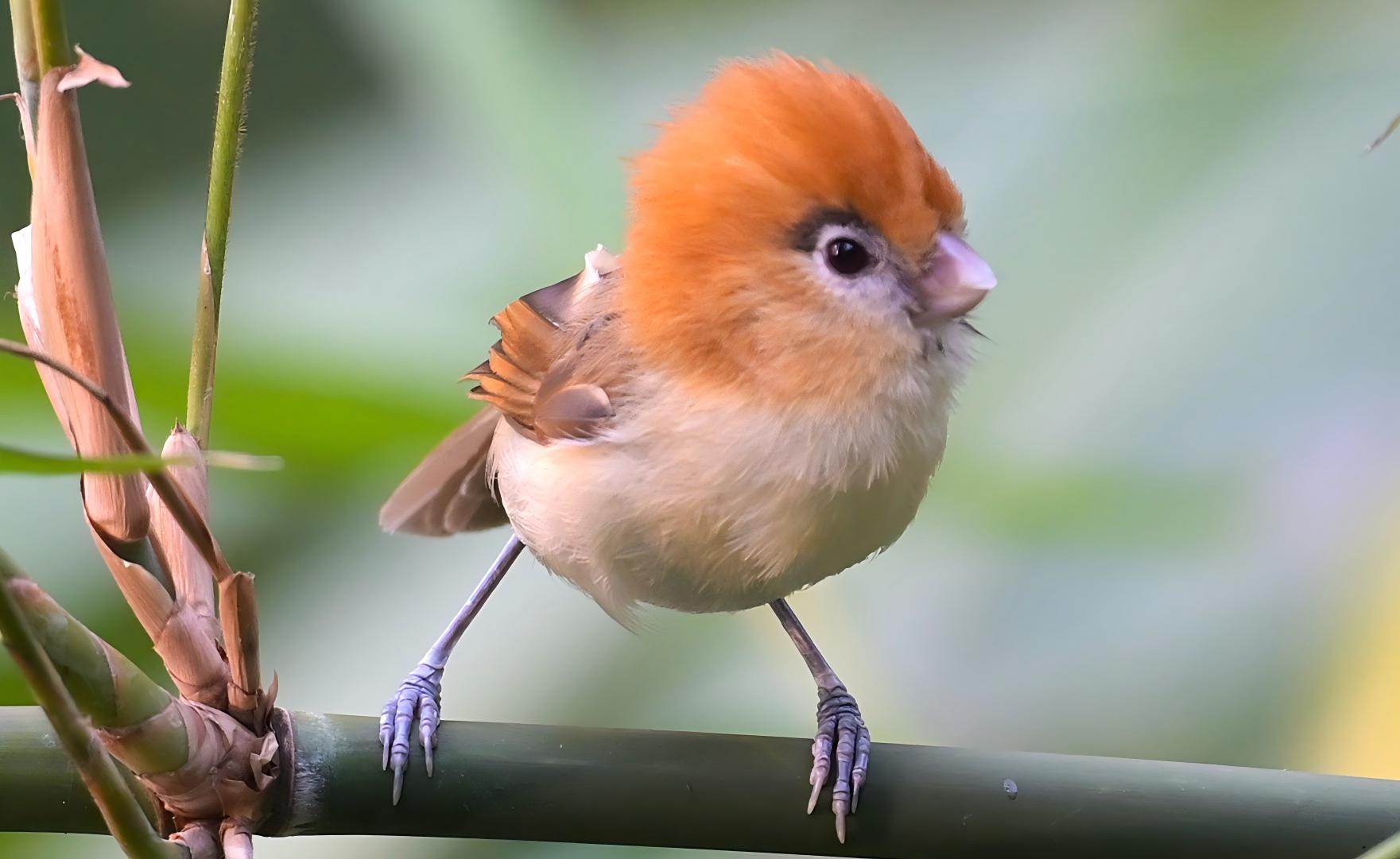
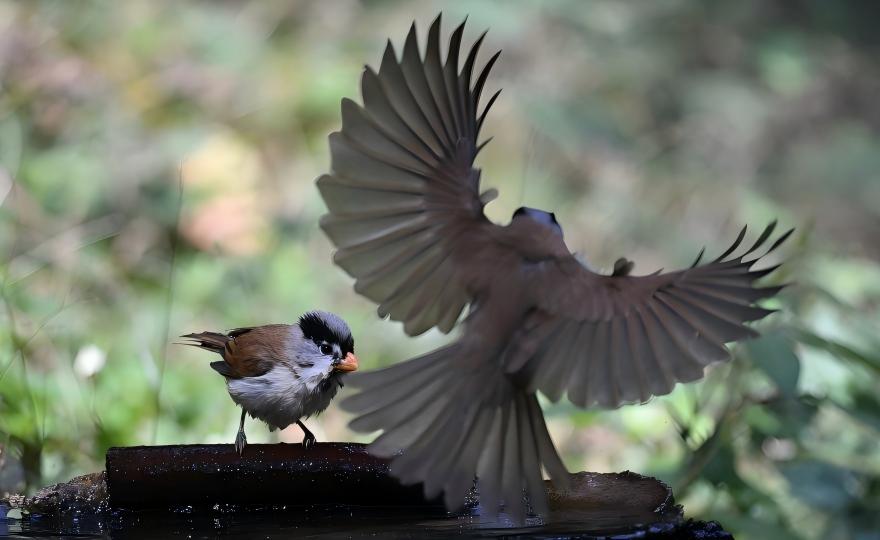
Six restricted-range targets define this route: Long-billed Wren-Babbler, Brown-winged Parrotbill, Red-tailed Laughingthrush, Grey-headed Parrotbill, Black-browed Barbet, and Pale-billed Parrotbill — species that reach their northern global limit in these border forests.
Prime Hotspots & Rare Sightings
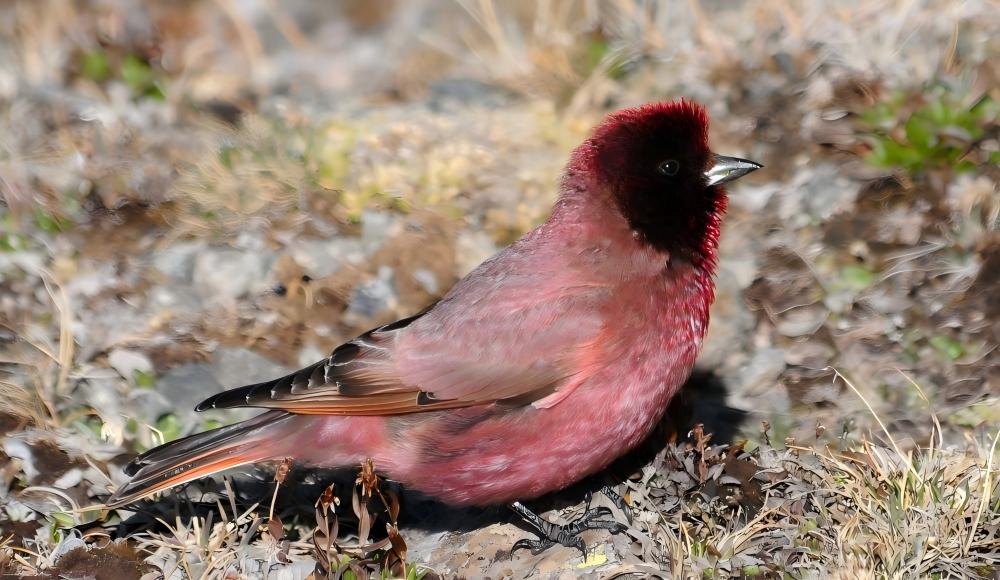
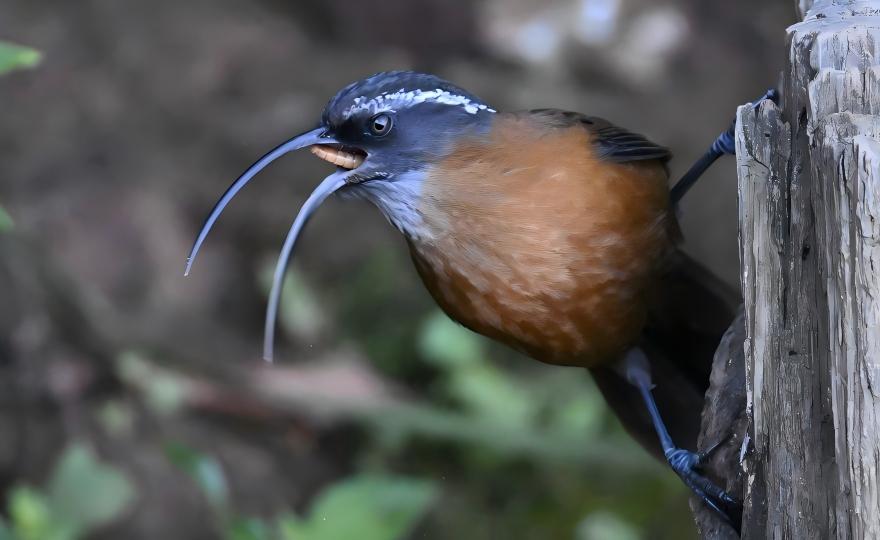
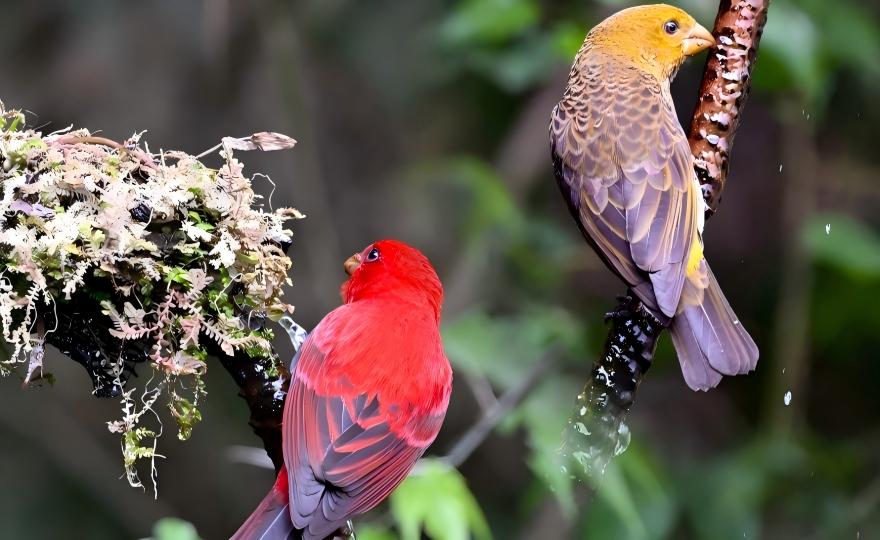
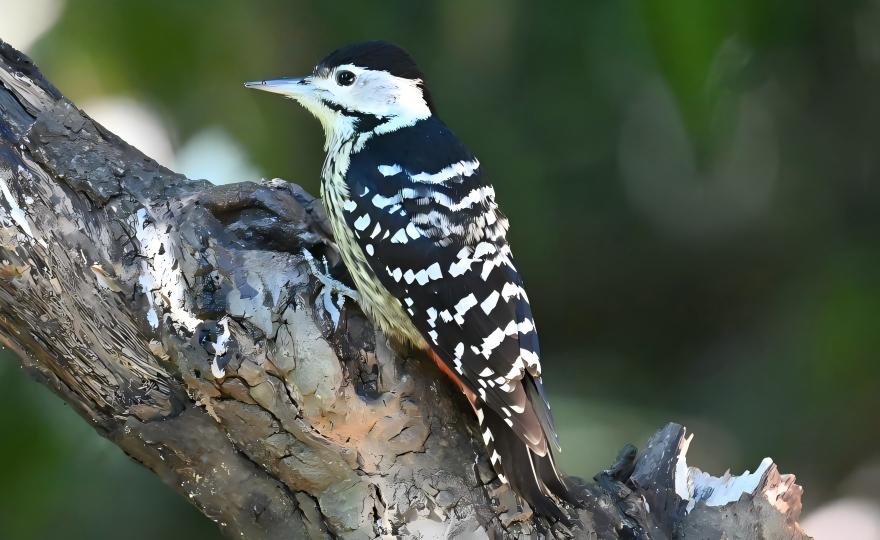
Baihualing Bird Hides: The ultimate stage for observing cryptic skulkers at close range — Slender-billed Scimitar Babbler, Mountain Bamboo Partridge, Scarlet Finch, and Large Niltava
Nabang Wetland: A productive riverine site for waterbirds including Indian Spot-billed Duck, Small Pratincole, and River Lapwing
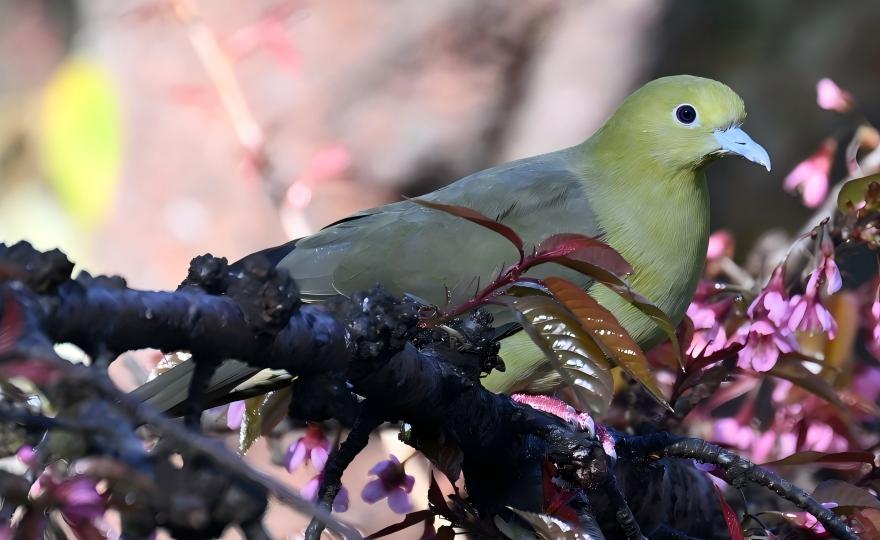
Tongbiguan Nature Reserve: A sanctuary for Wedge-tailed Green-Pigeon and a suite of lowland forest species
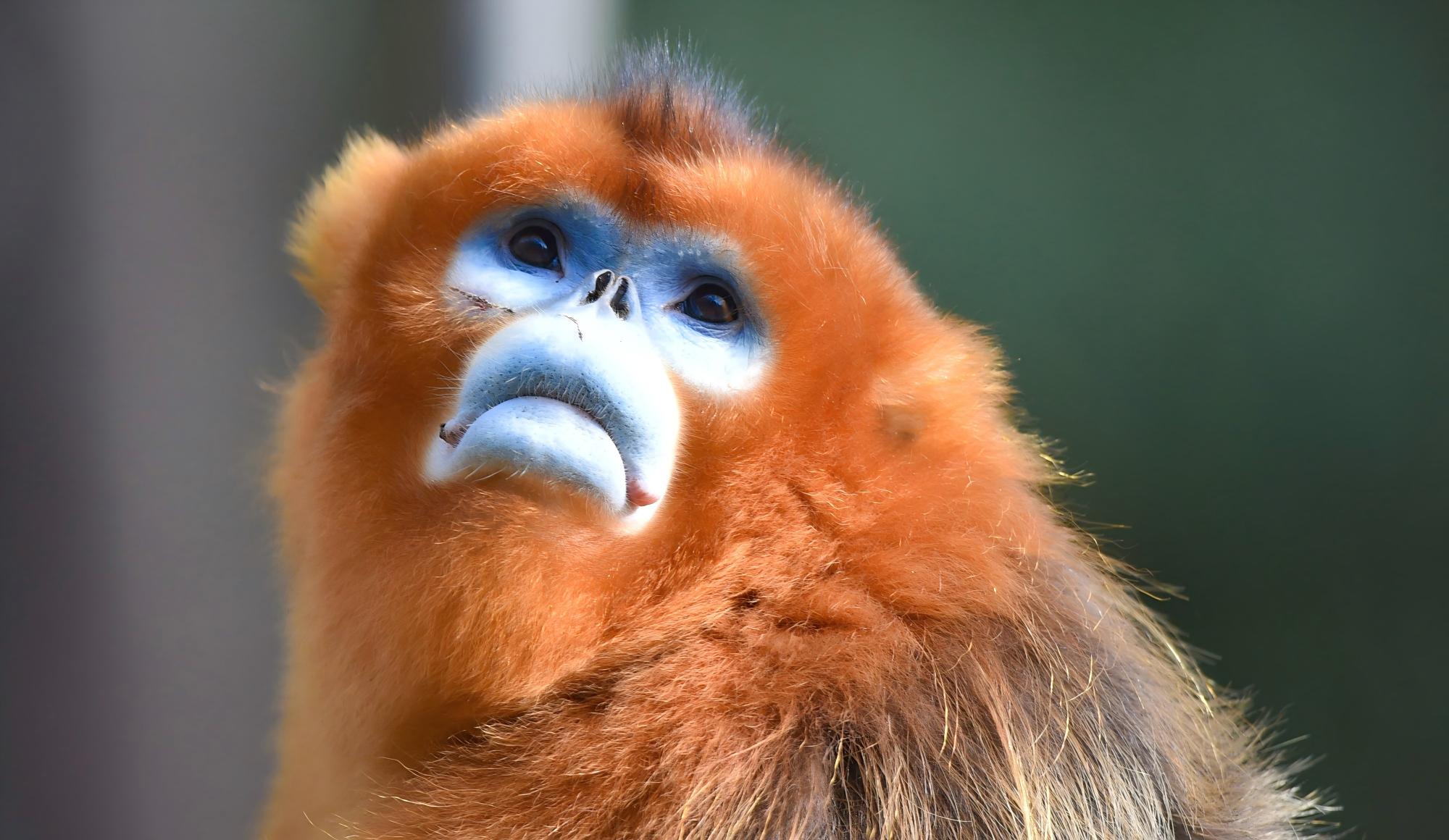
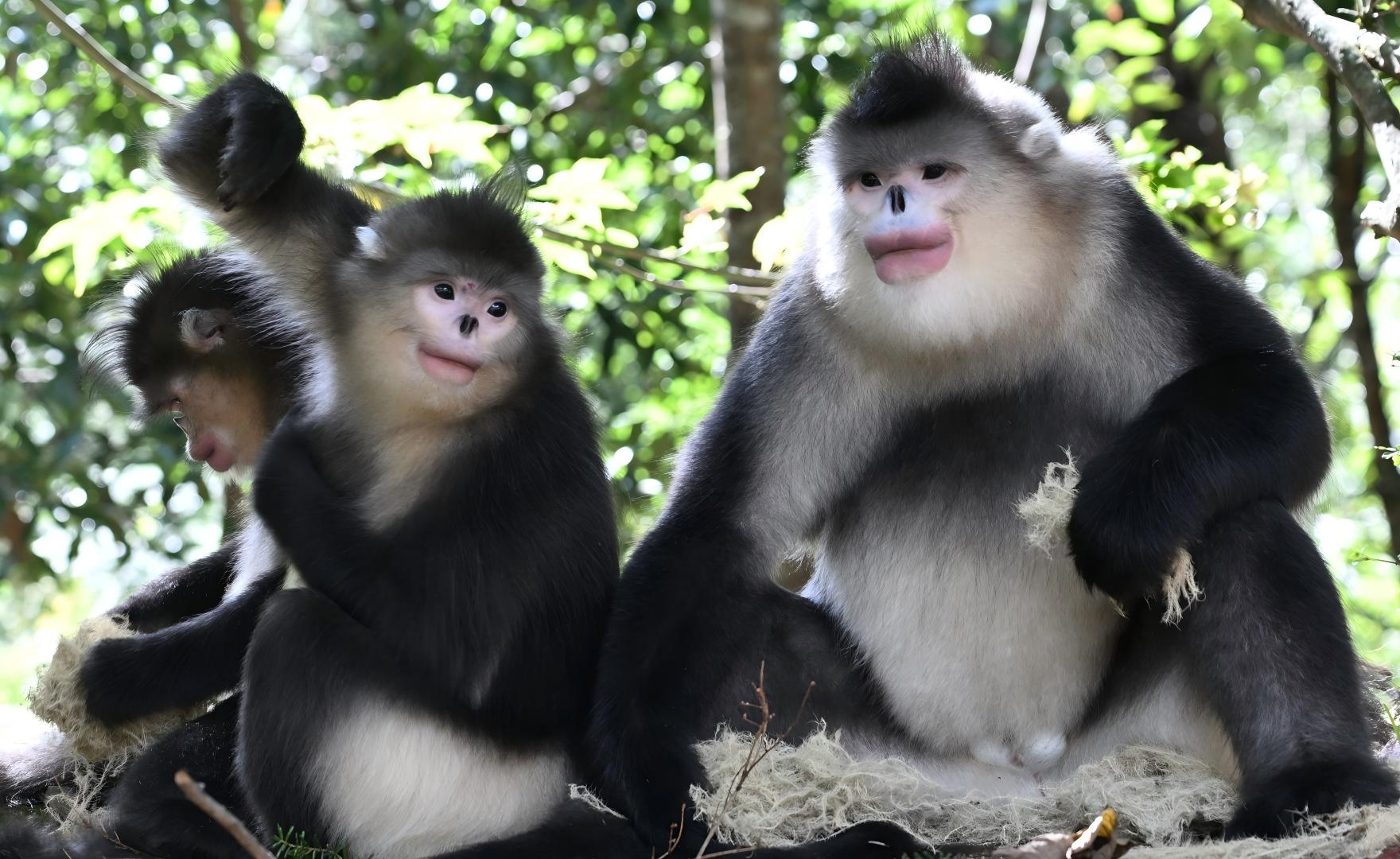
Tacheng: A rare opportunity to combine birding with Yunnan Snub-nosed Monkey viewing, and to photograph the Chinese endemic White-speckled Laughingthrush — a species found only in Sichuan and Yunnan
Why This Trip is Irresistible
1. Unparalleled Altitudinal Gradient
Experience a complete cross-section of Southwest China’s ecosystems in a single expedition. From the Hengduan foothill conifers (~2,500m) to the Myanmar-border tropical lowlands (~240m), this itinerary compresses vast biogeographical zones into one seamless journey, maximizing species diversity.
2. The Gaoligong “Global Hotspot” Advantage
Traverse the Gaoligong Mountains, a recognized Conservation International biodiversity hotspot featuring distinct vertical vegetation zones. Explore a region renowned for its high density of endemics, rare pheasants, and an extraordinary concentration of babblers, parrotbills, and fulvettas.
3. China's Premier Hornbill & Pheasant Corridor
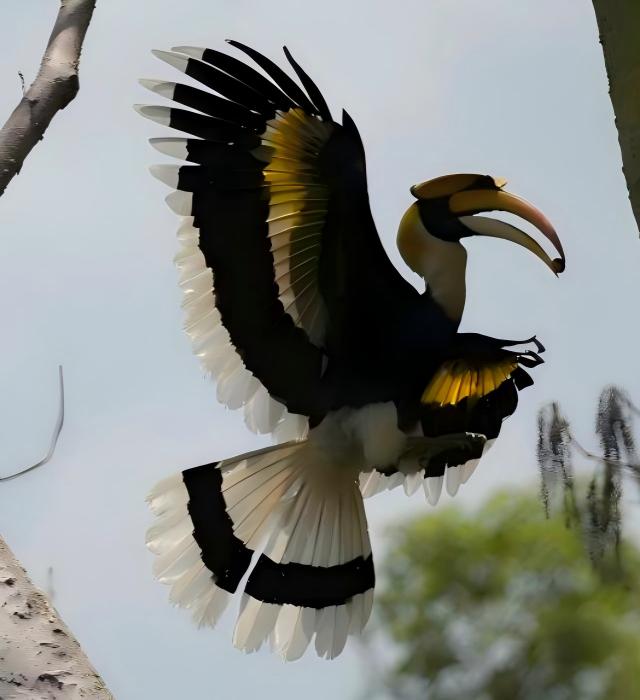
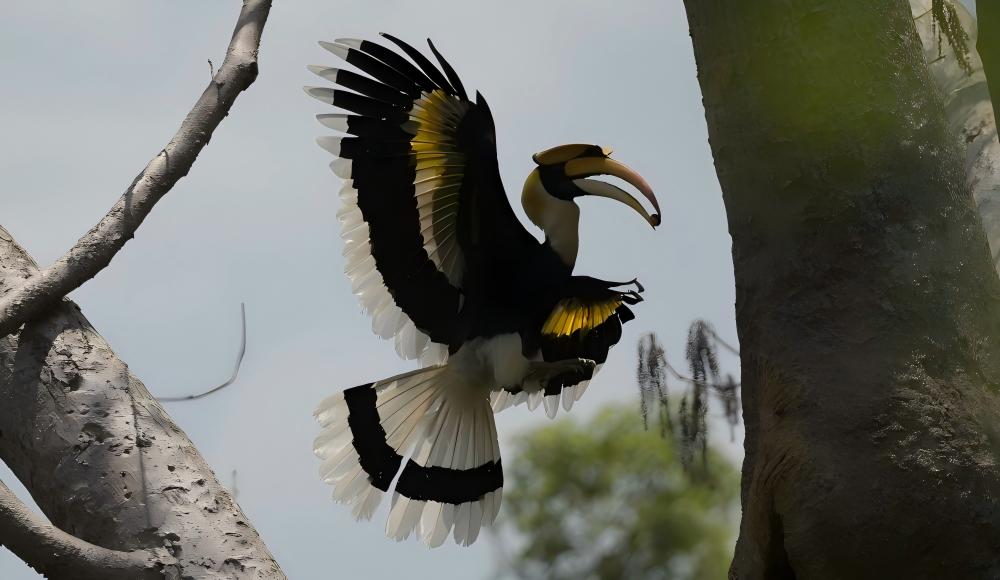
This is the definitive route for China's southwest hornbills and pheasants. Witness the frugivorous behavior of Great Hornbill, Wreathed Hornbill, and Oriental Pied-Hornbill at the legendary "King Banyan" cross-border channel (09:00–11:00 peak window), and track the elusive Grey Peacock-Pheasant (CITES I) along mossy canyon trails with exceptional reliability.
4. The "Big 6" Border Specialties
Lock in on six restricted-range species that make this region unique: Long-billed Wren-Babbler, Brown-winged Parrotbill, Red-tailed Laughingthrush, Grey-headed Parrotbill, Black-browed Barbet, and Pale-billed Parrotbill. Several of these reach their northern global distribution limit in the Gaoligong–Hongbenghe corridor.
5. Critical Conservation Strongholds & Primate Highlight
Visit key habitats including Nabang Wetland, a productive riverine site for waterbirds, and Tongbiguan, sanctuary for the Wedge-tailed Green-Pigeon. A dedicated day at Tacheng offers a rare chance to observe the Yunnan Snub-nosed Monkey and the Chinese endemic White-speckled Laughingthrush — experiences that set this itinerary apart from standard birding tours in the region.
Daily Itinerary
Day 1: Arrival in Kunming (~2,100m)
Welcome to Kunming, the “City of Eternal Spring.” Upon arrival at Kunming Changshui International Airport, you will be met by your private guide and transferred to your hotel in Kunming. If time permits, an introductory birding session at a nearby city park offers a relaxed start to the trip list.
*Accommodation: Hotel in Kunming*
Day 2: Kunming Botanical Garden — Chuxiong (2.5-hour drive)
We spend the morning at Kunming Botanical Garden, where diverse vegetation attracts a mix of wintering visitors and resident species. Targets include White-throated Fantail, Red-tailed Minla, Red-billed Leiothrix, Black-breasted Thrush, and Black-streaked Scimitar Babbler. In the afternoon, we drive to Chuxiong and settle into a guesthouse near Zixi Mountain.
*Accommodation: Hotel in Chuxiong*
Day 3: Zixi Mountain Forest Park — Tacheng (6.5-hour drive)
Zixi Mountain, a vast expanse of evergreen and Yunnan pine forests, is our focus this morning. This key habitat is famous for the endemic Yunnan Nuthatch and the rare Giant Nuthatch. With over 200 species recorded, we also target Chestnut-vented Nuthatch, Himalayan Bluetail, Godlewski’s Bunting, and an array of woodpeckers and fulvettas. After a full morning, we drive west to Tacheng in Weixi County.
*Accommodation: Hotel in Tacheng*
Day 4: Yunnan Snub-nosed Monkey & White-speckled Laughingthrush
A unique day combining primate and bird highlights. In the morning, we visit the Tacheng Snub-nosed Monkey Park, where a habituated troop of Yunnan Snub-nosed Monkey can be observed at close range — one of China’s most iconic and endangered primates. In the afternoon, we visit a local bird hide to photograph the restricted-range White-speckled Laughingthrush, a species with a very limited global distribution centered on the Jinsha River region.
*Accommodation: Hotel in Tacheng*
Day 5: Tacheng — Baihualing, Gaoligong Mountains (6.5-hour drive)
After a final morning around Tacheng, we embark on a scenic drive westward to Baihualing, the gateway to the Gaoligong Mountains. As we descend into the subtropical zone, the habitat shift is immediately apparent. We arrive in time for a first session at a Baihualing bird hide, where an introduction to the Gaoligong’s extraordinary diversity awaits.
*Accommodation: Guesthouse in Baihualing*
Days 6–8: Gaoligong Mountains — Baihualing Bird Hides
Recognized as a global biodiversity hotspot, the Gaoligong Mountains offer dramatic elevation gradients from subtropical valleys to montane forest. Over three full days, we utilize a network of professional bird hides at different elevations, maximizing our chances across a remarkable species list:
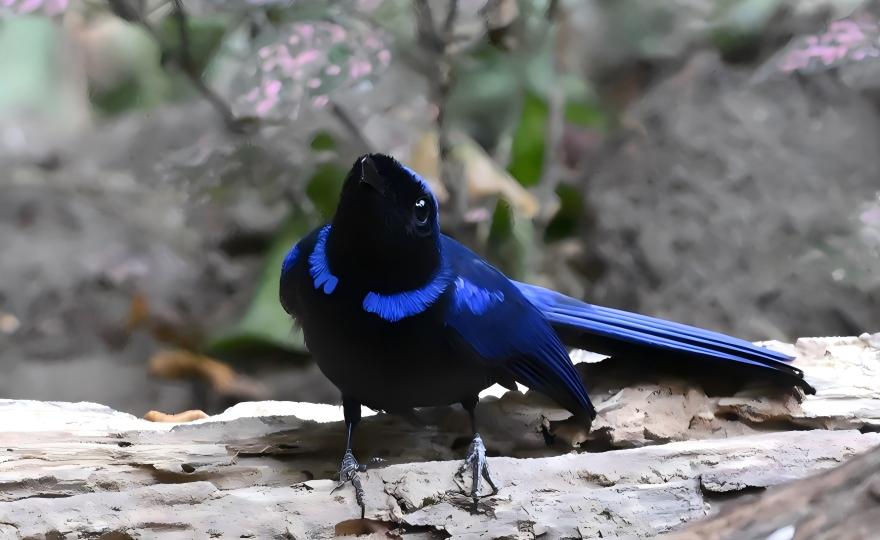
Ground-dwelling highlights: Silver Pheasant, Scarlet-faced Liocichla, Slaty-bellied Tesia, Grey-sided Scimitar Babbler
Canopy gems: Himalayan Cutia, Mountain Imperial Pigeon, a dazzling array of sunbirds and barbets
Undergrowth specialists: Streaked Wren-Babbler, Pygmy Wren-Babbler, various scimitar babblers and fulvettas
Each day focuses on different hides and elevations, ensuring comprehensive coverage of the Gaoligong’s avifauna with minimal repetition.
*Accommodation: Guesthouse in Baihualing*
Day 9: Baihualing — Hongbenghe (4.5-hour drive)
After a final morning session at a Baihualing hide, we drive south to Hongbenghe in Yingjiang County. En route and upon arrival, we begin exploring the lowland and foothill forests, targeting Pale-billed Parrotbill, White-crested Laughingthrush, and Lesser Necklaced Laughingthrush — species characteristic of the Myanmar border region.
*Accommodation: Guesthouse in Shiti Village, Hongbenghe*
Days 10–11: Hongbenghe — Hornbill Haven
These two days focus on the premier birding sites around Shiti and Hongbenghe, arguably the best location in China for hornbills. Using hides and forest trails, we target:
Hornbills: Great Hornbill, Wreathed Hornbill, Oriental Pied-Hornbill
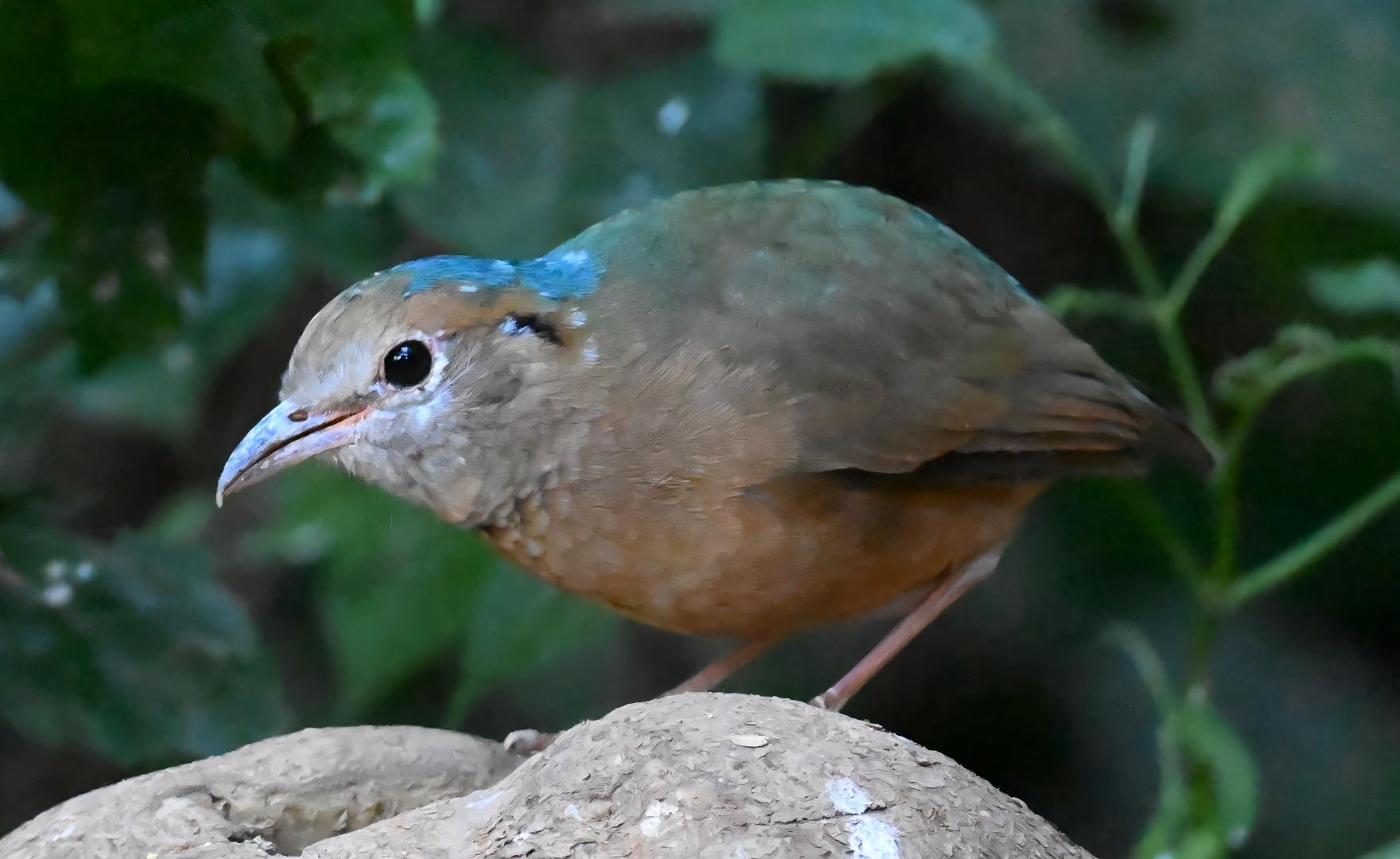
Lowland forest specialties: Grey Peacock Pheasant, Red-headed Trogon, Blue-naped Pitta, Sultan Tit
A host of flycatchers, wren-babblers, and broadbills, including Long-tailed Broadbill and Common Green-Magpie
The tropical feel of these forests, with their towering dipterocarp trees, marks a striking contrast to the montane habitats earlier in the tour.
*Accommodation: Guesthouse in Shiti Village, Hongbenghe*
Day 12: Hongbenghe — Nabang (3.5-hour drive)
We enjoy a final morning around Hongbenghe before driving to the border town of Nabang. The riverine and grassland habitats here offer a different suite of species: Indian Spot-billed Duck, Small Pratincole, River Lapwing, and Striated Grassbird. Stops along the way may yield Crested Treeswift, Indian Greater Coucal, and various starlings.
*Accommodation: Guesthouse in Nabang*
Day 13: Nabang — Tongbiguan — Yingjiang
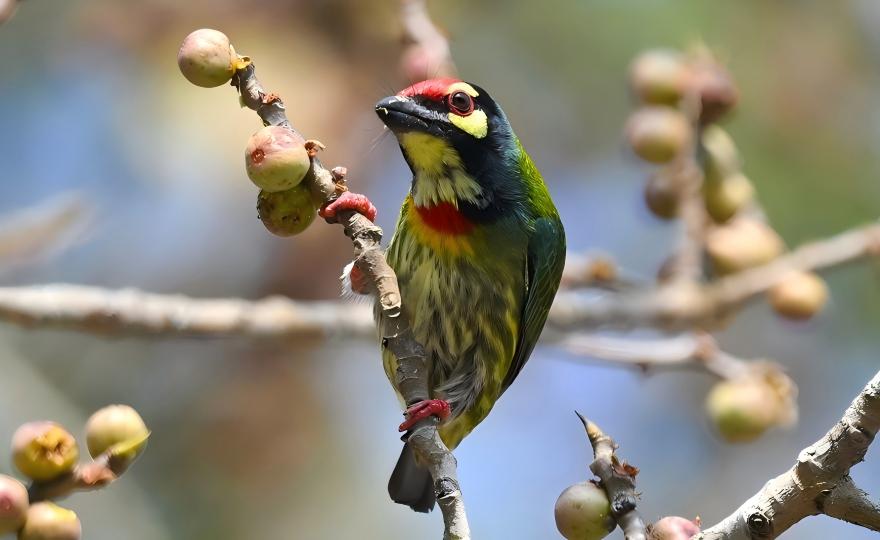
A full day exploring the Nabang area and Tongbiguan Nature Reserve. Morning targets include Long-tailed Broadbill, Stripe-breasted Woodpecker, and Asian Green Bee-eater. We also visit Yingjiang Wetland Park, where Alexandrine Parakeet, Coppersmith Barbet, and Chestnut-capped Babbler are possible. In the afternoon, we drive to Yingjiang town for the night.
*Accommodation: Hotel in Yingjiang*
Day 14: Yingjiang — Mangshi Airport (1.5-hour drive) — Departure
After a relaxed breakfast, we drive to Mangshi (Dehong) Airport for your departure flight. This concludes the tour. Safe travels and happy birding!
Frequently Asked Questions (FAQ)
Q1: How many bird species can I expect to see?
A: We anticipate a total species count of 250–300. This impressive tally spans the “Big 6” southwest China specialties, three species of hornbill, and a wide array of pheasants, babblers, and parrotbills. The diversity is driven by our exploration of habitats ranging from montane pine forests to tropical lowland rainforest along the Myanmar border.
Q2: What is the difficulty level of the birding?
A: Mostly easy. The majority of the birds are approachable, particularly at the professional bird hides in Baihualing and Hongbenghe (where we target laughingthrushes, parrotbills, and hornbills). While there are a few “tricky” skulkers in the rainforest undergrowth, your guide’s expertise ensures a high success rate.
Q3: How physically demanding is the tour?
A: The trip is designed to be mostly easy. The bird hide sessions require only short walks on gentle trails. There are a few optional more demanding sections, such as tracking pheasants along forest trails in the Gaoligong Mountains. You can choose to skip these if you prefer to focus on the hide-based birding.
Q4: What is the accommodation standard?
A: We prioritize comfortable accommodation throughout the trip. You will stay in quality hotels in cities such as Kunming, Chuxiong, Tacheng, and Yingjiang, and the best available local guesthouses in the birding areas of Baihualing, Shiti Village (Hongbenghe), and Nabang, where options are more limited but perfectly adequate for a restful night after a day in the field.
Q5: What is the transportation like?
A: We travel in a private, air-conditioned vehicle (5–19 seats depending on group size). This spacious vehicle allows plenty of room for participants and photography gear, and provides a comfortable ride for the scenic transfers across Yunnan — from Kunming westward through the Gaoligong Mountains to the Myanmar border.
Q6: What are the photography opportunities like?
A: Excellent. While this is primarily a birding trip, the photography chances are outstanding thanks to the extensive use of professional bird hides. Key photographic targets include White-speckled Laughingthrush at Tacheng, Silver Pheasant and Scarlet-faced Liocichla at Baihualing, and hornbills at the “King Banyan” tree in Hongbenghe. The diverse lighting conditions — from misty montane forests to sun-drenched tropical lowlands — also offer superb scenic photography.
Q7: Besides birds, what else will we experience?
A: A highlight of this itinerary is the dedicated Yunnan Snub-nosed Monkey viewing at Tacheng — one of China’s most endangered and iconic primates, observed at close range in its natural habitat. You will also encounter the colorful cultures of the Yi, Lisu, and Dai peoples as we travel from central Yunnan to the Myanmar border.
Q8: What are the expected climate conditions?
A: The weather is generally comfortable. Expect cool, crisp mornings in the mountains around Zixi Mountain and Baihualing (necessitating layers) and warm, pleasant temperatures as we move south into the tropical zones of Hongbenghe and Nabang. It is an ideal climate for extended outdoor activity.
Q9: What habitats will we be exploring?
A: The tour covers a spectacular range of ecosystems along a continuous altitudinal gradient: montane pine and evergreen forests (Zixi Mountain, ~2,500m), subtropical broadleaf forest (Gaoligong Mountains, Baihualing), lowland tropical rainforest (Hongbenghe, ~280m), and riverine wetlands (Nabang, Yingjiang). This variety is the key to encountering such a high number of species in a single trip.
AvH123Johannesburg, South Africa140 contributions
Oct 2023 • Solo What an amazing experience! This is the second time that I have gone birding with China Wildlife Tour in China. This time it was with Bella as my guide in Yunnan in the Xishuangbanna area. She is an extremely professional and well organised guide, with absolute eagle eyes of her own. I had provided a list of what I wanted to see and she had developed a plan to try and find as many as possible in our 4 1/2 day trip. She is fluent in English and knows all the English names of the birds. I highly recommend China Wildlife Tour.
Written October 31, 2023
Thanks for helping us to fill the following form about your personal preferences. This information you provide can help us to plan the best trip especially for you.




Copyright © 2026 • China Wildlife Tour All Rights Reserved Safari in Cina
 中文
中文