(+86)133 8819 6153
info@chinawildlifetour.com

Price from $4899 January 18, 2027
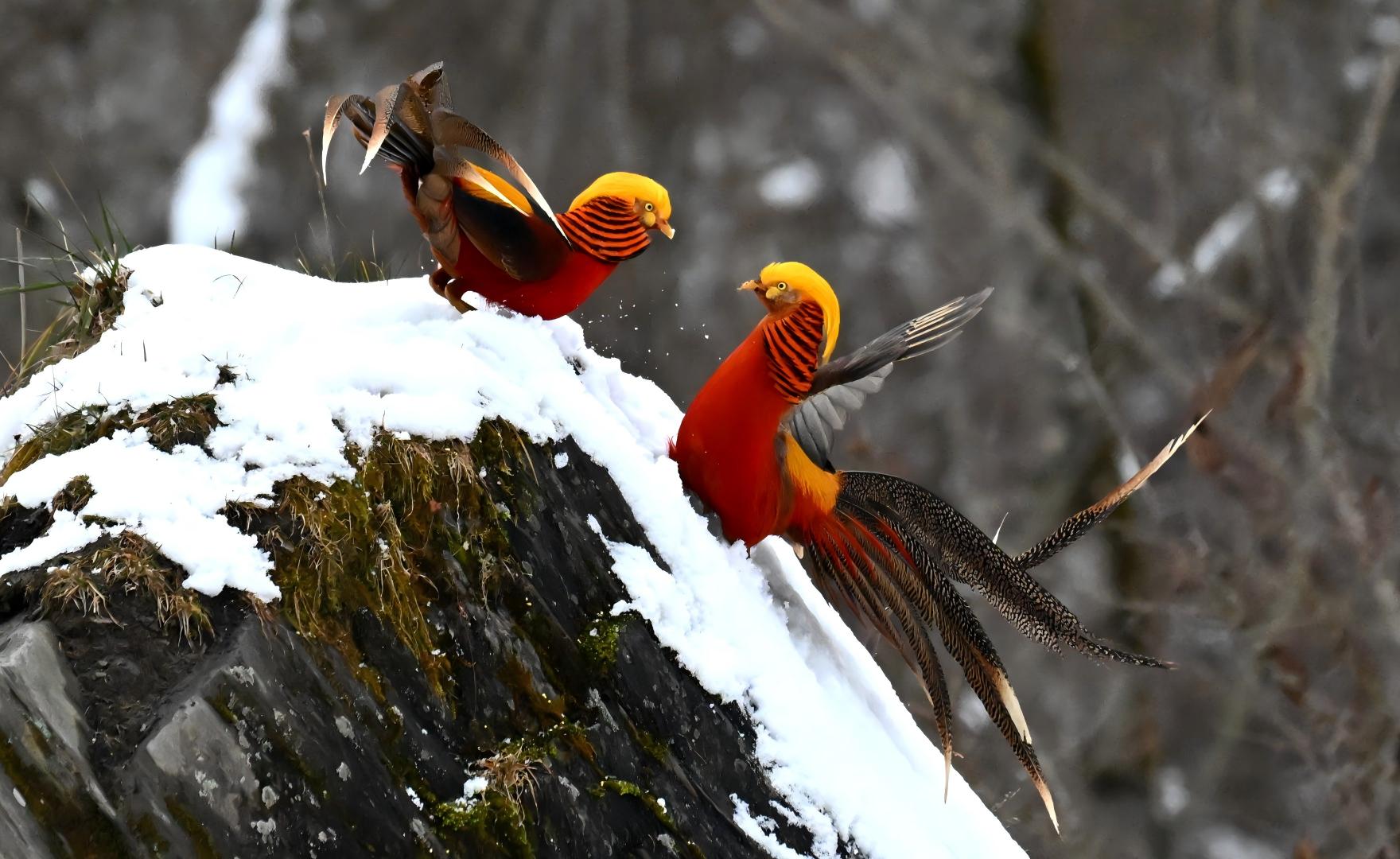
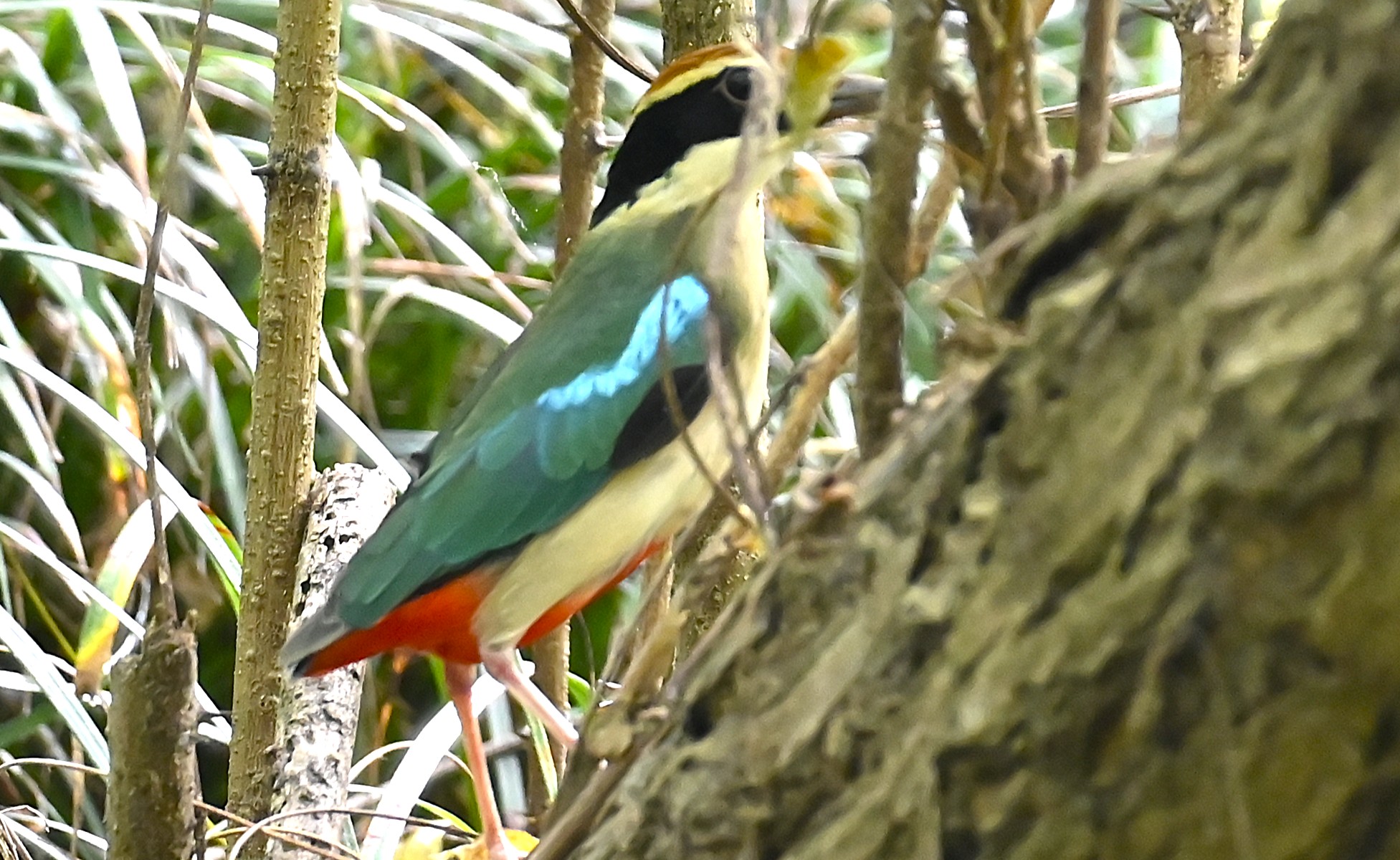
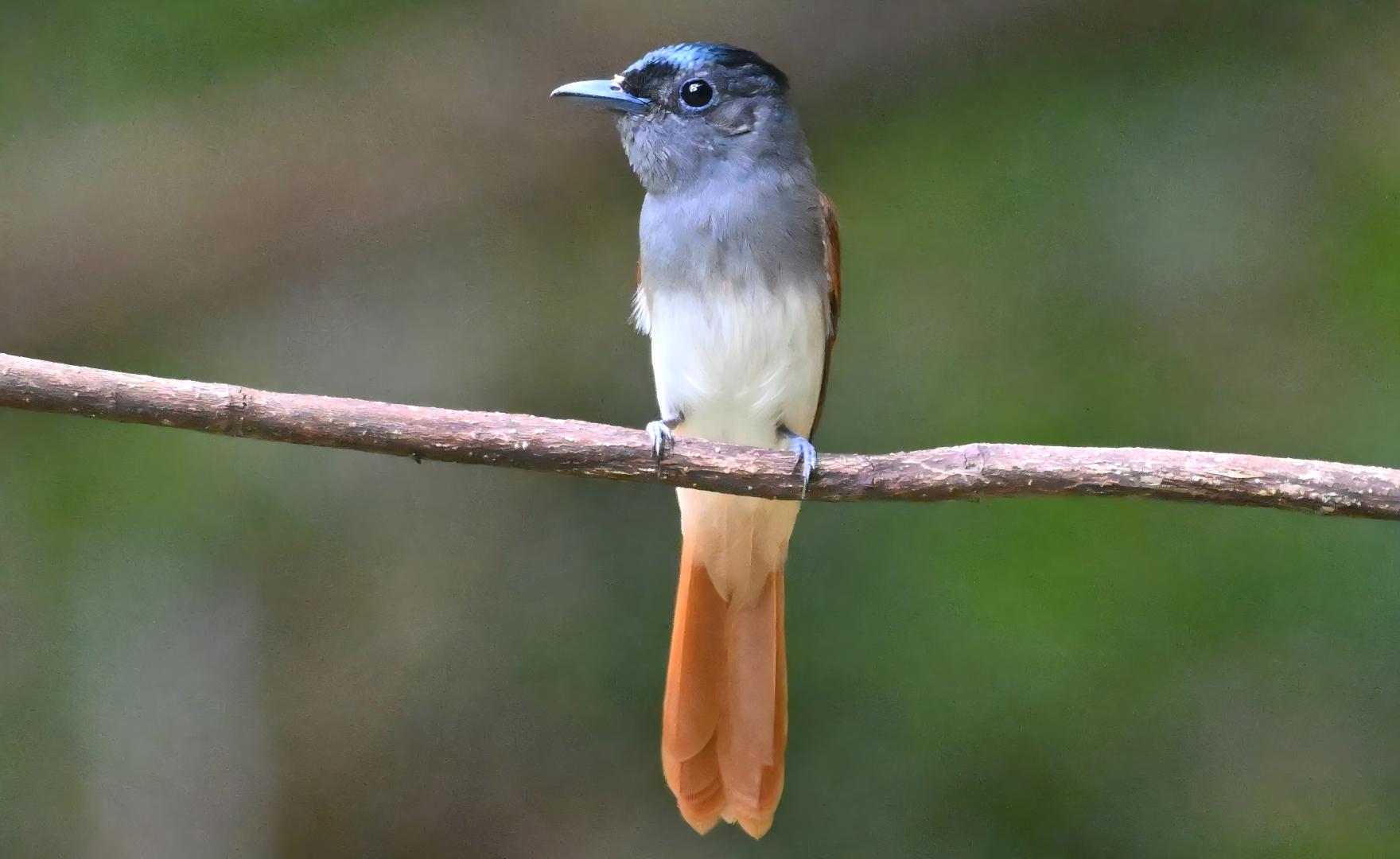
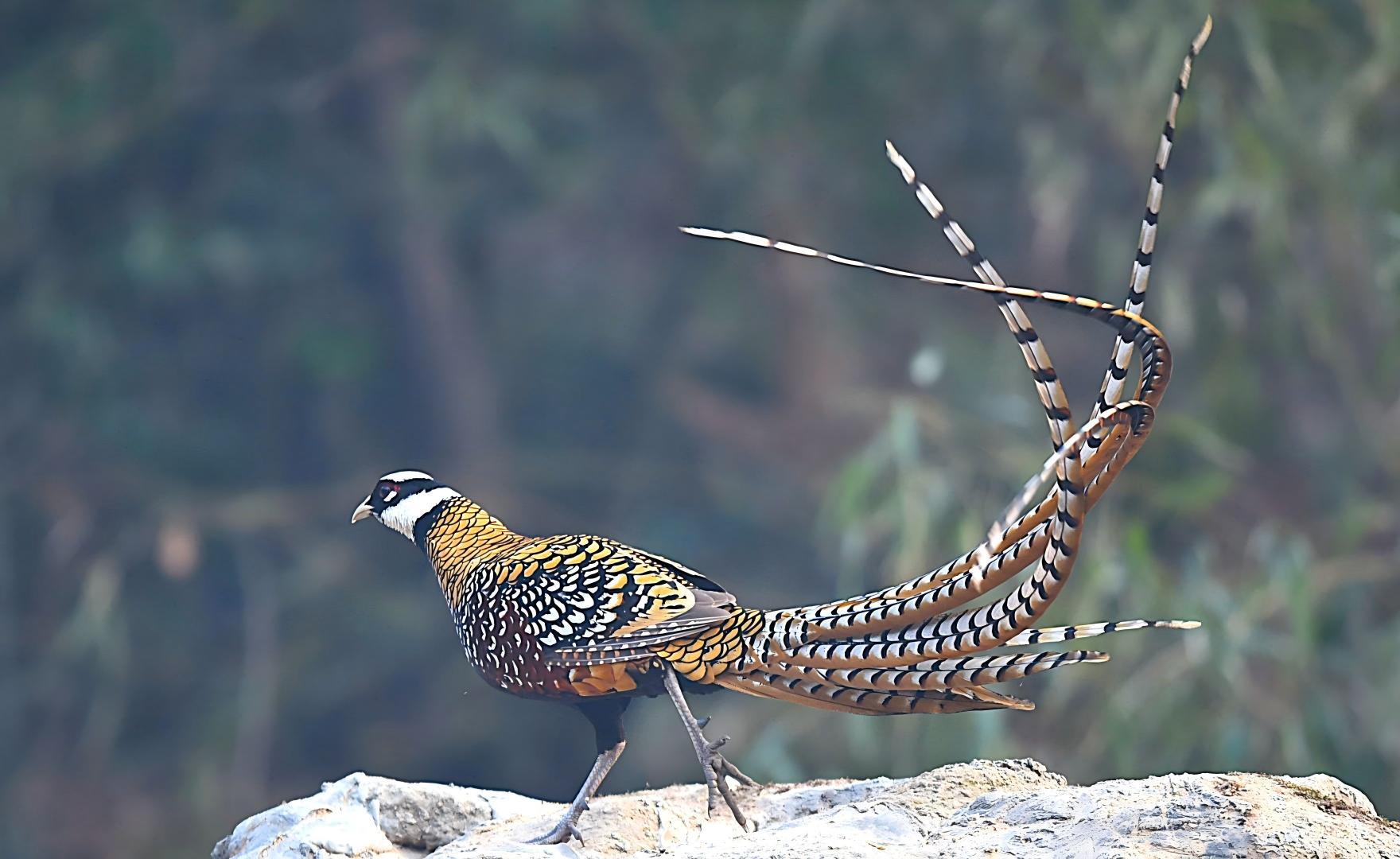
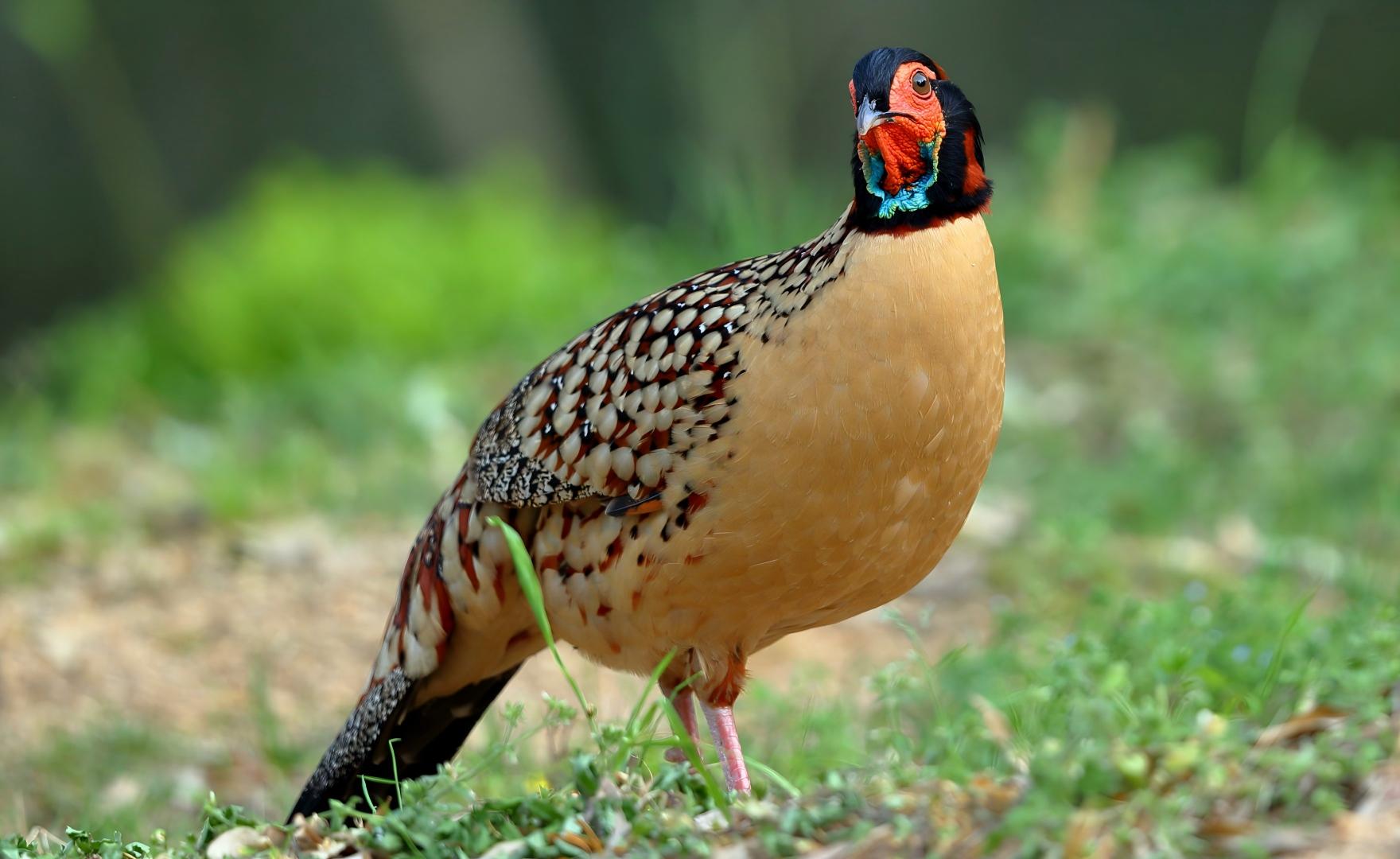
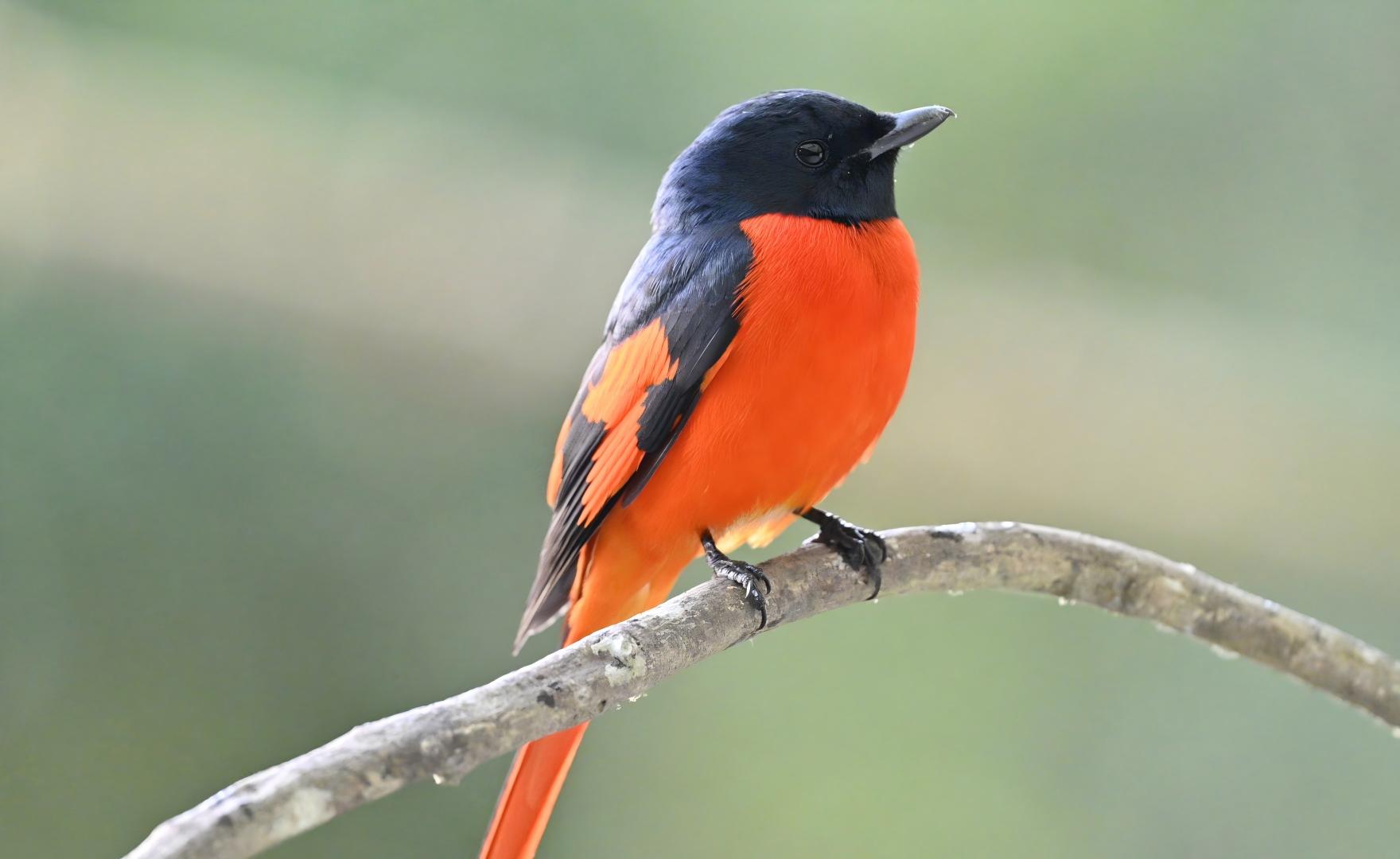
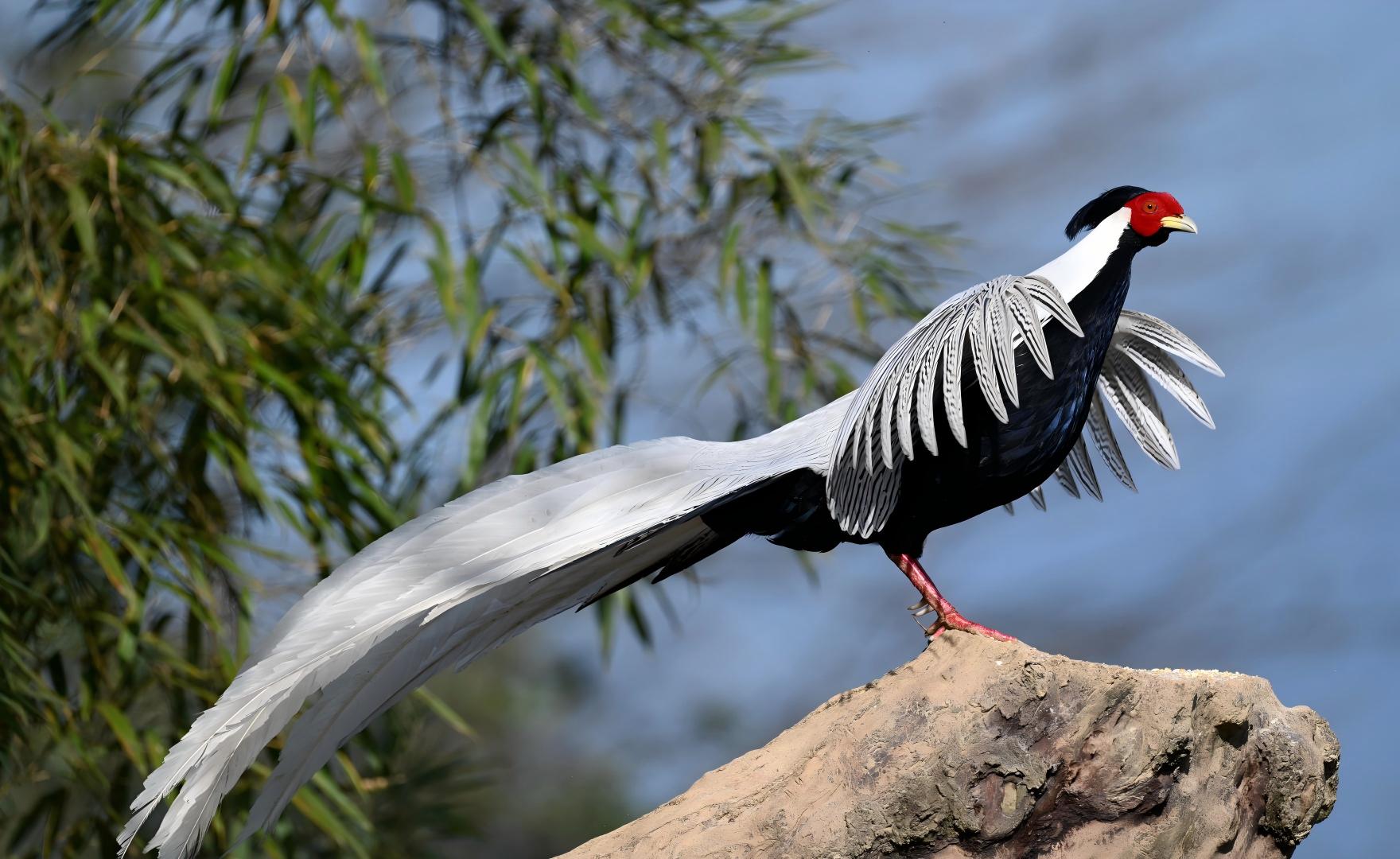
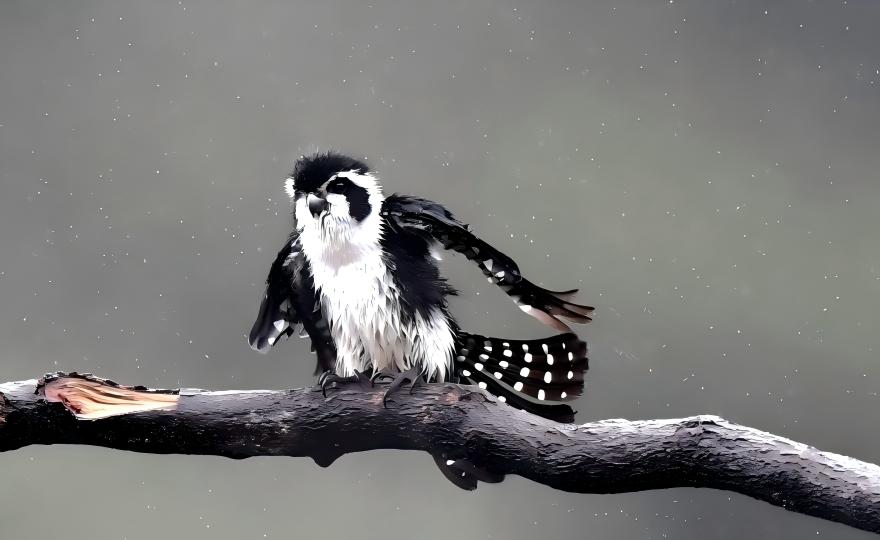
Embark on a comprehensive 16-day East China birding tour traversing the most ecologically significant habitats of East and Southeast China. This journey bridges the divide between the dynamic, mudflat-rich coastlines — vital staging posts for the East Asian-Australasian Flyway — and the lush, subtropical montane forests that harbor ancient lineages. From the intertidal zones teeming with migratory shorebirds to the mist-shrouded highlands home to rare Chinese endemics, this tour offers a spectacular contrast of ecosystems, promising an intensive yet rewarding birding experience in China led by expert guides.
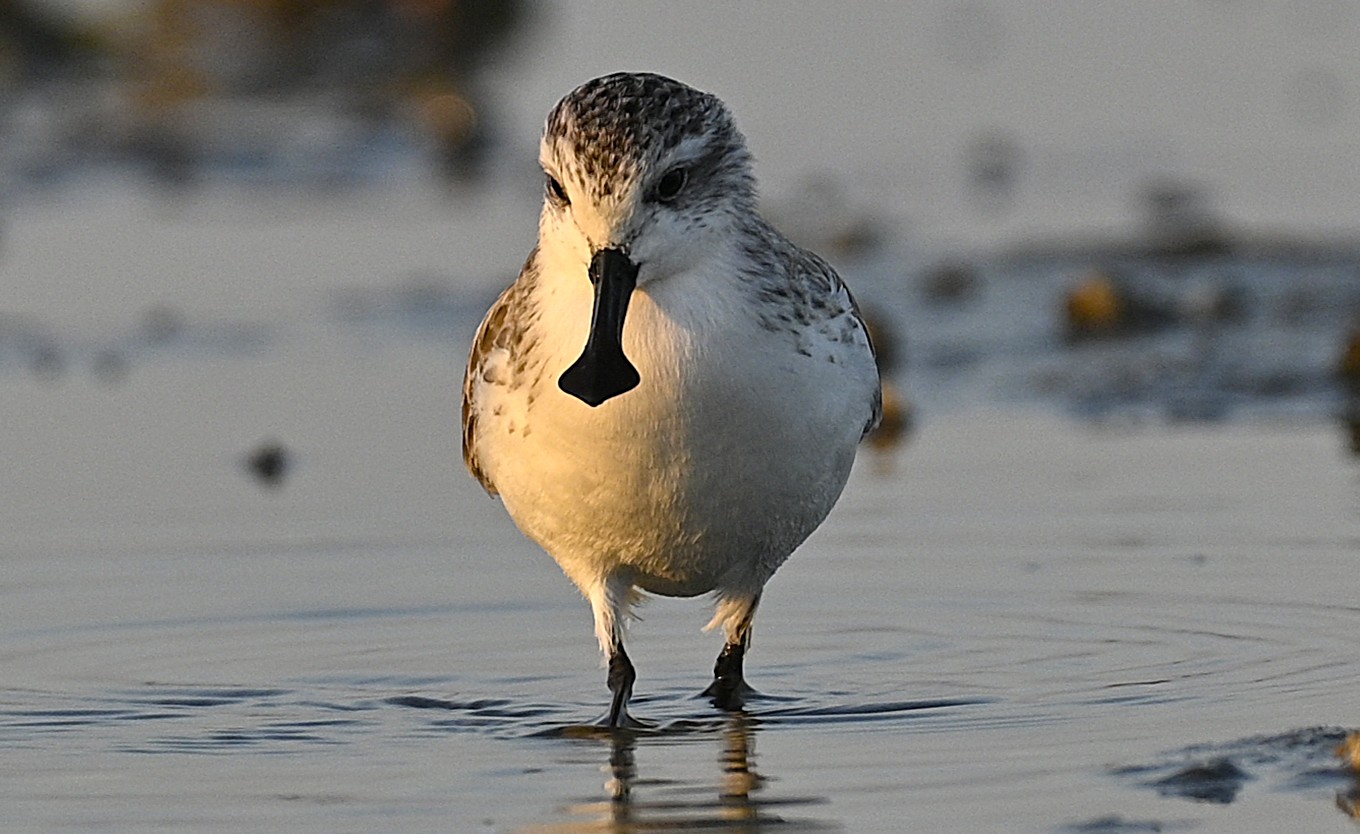
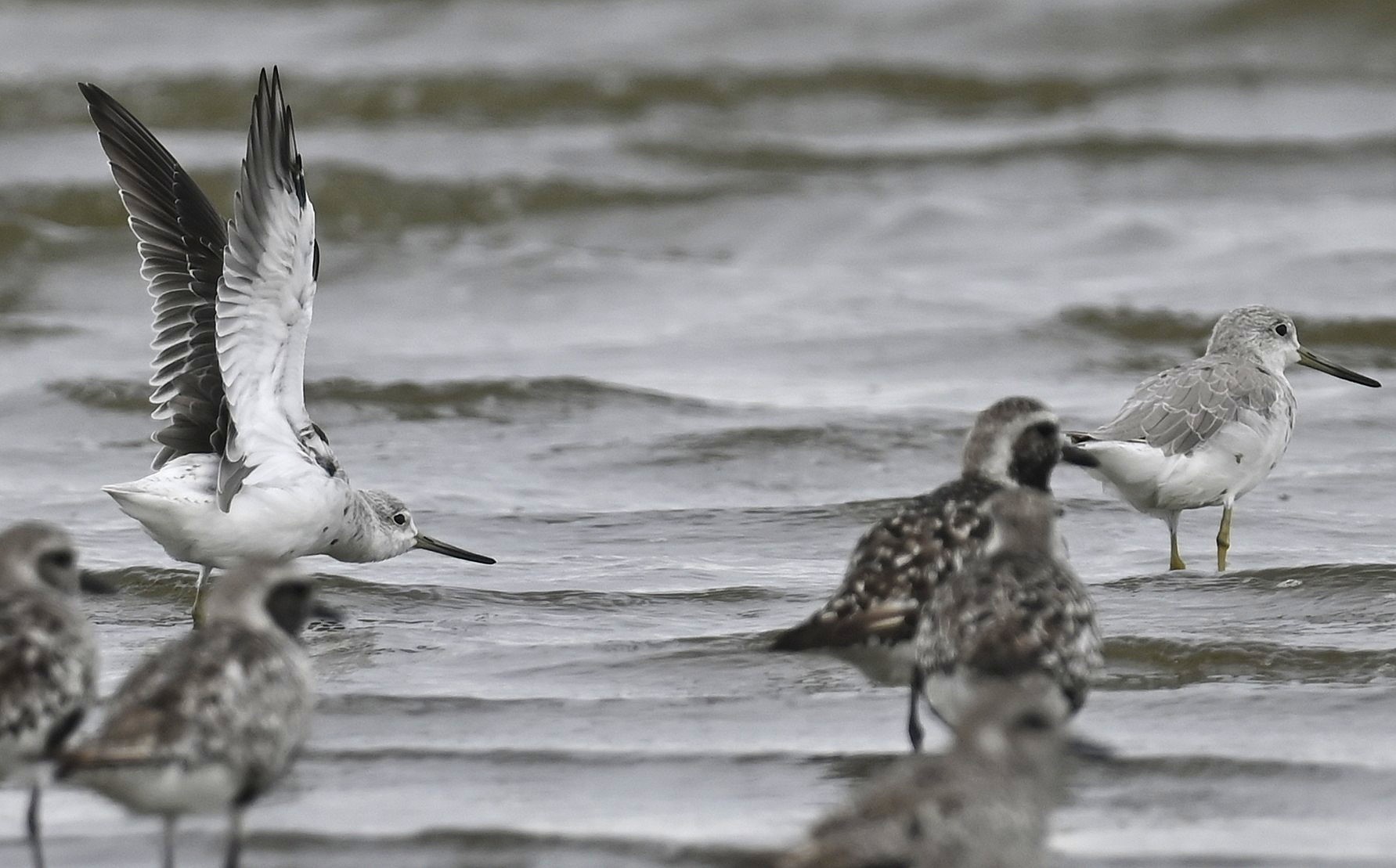
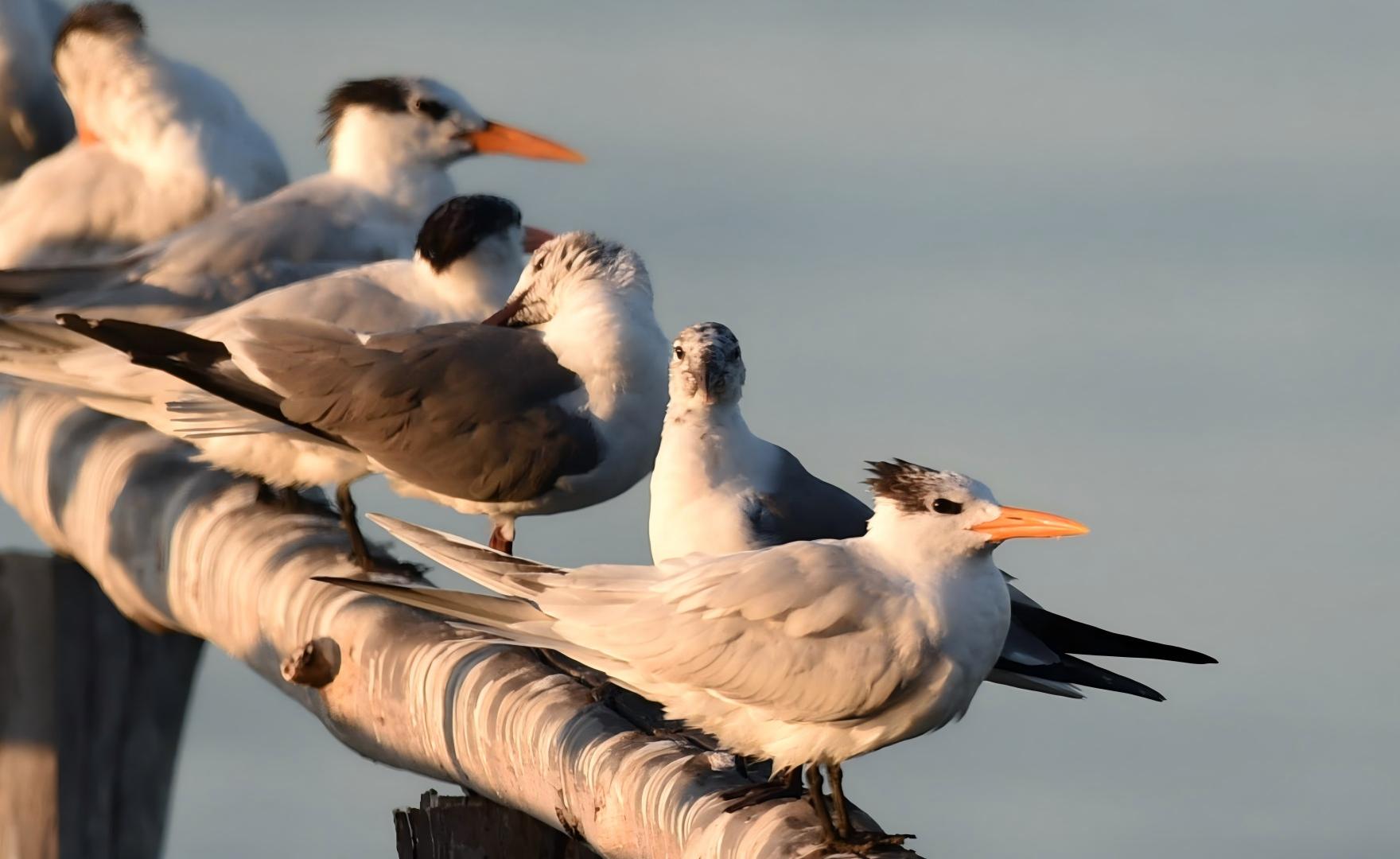
Quest for the Critically Endangered: Target the “Holy Grail” of waders, the Spoon-billed Sandpiper — one of the world’s rarest birds with fewer than 700 individuals remaining — alongside the Endangered Nordmann’s Greenshank and the critically endangered Chinese Crested Tern on the coastal wetlands of Rudong and the Minjiang River Estuary.
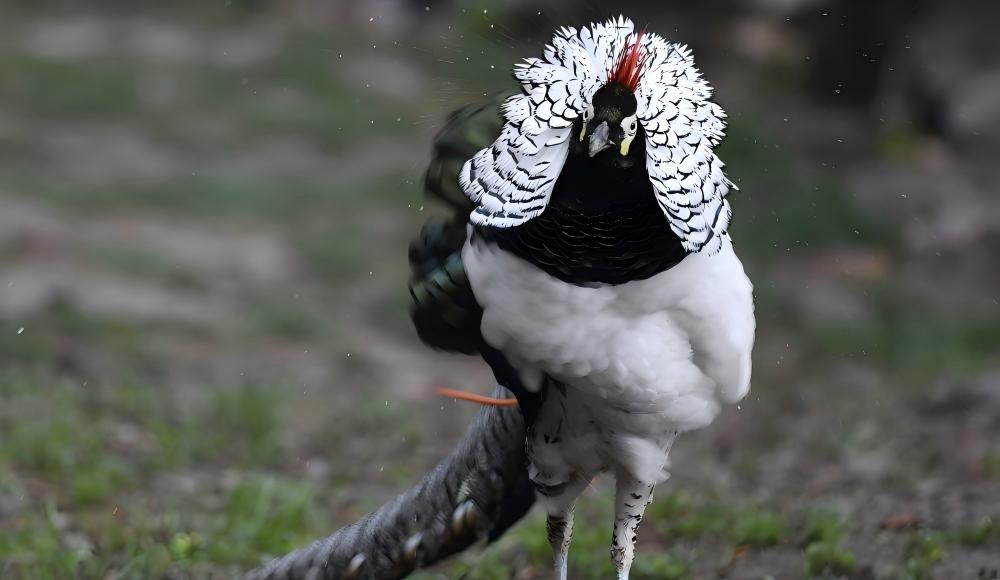
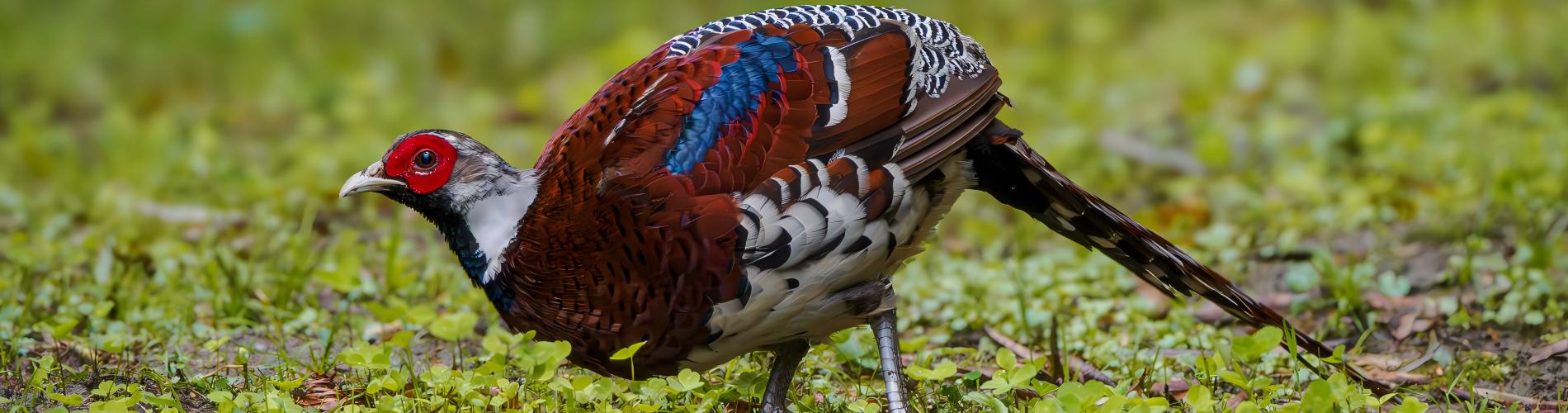
Endemic Pheasant Extravaganza: Penetrate the southeastern forests of the Wuyi Mountain Range to seek out a stunning suite of galliformes, including Cabot’s Tragopan, Elliot’s Pheasant, White-necklaced Partridge, Silver Pheasant, and the magnificent Reeves’s Pheasant — six pheasant species across two reserves, representing one of the most concentrated pheasant birding experiences anywhere in Asia.
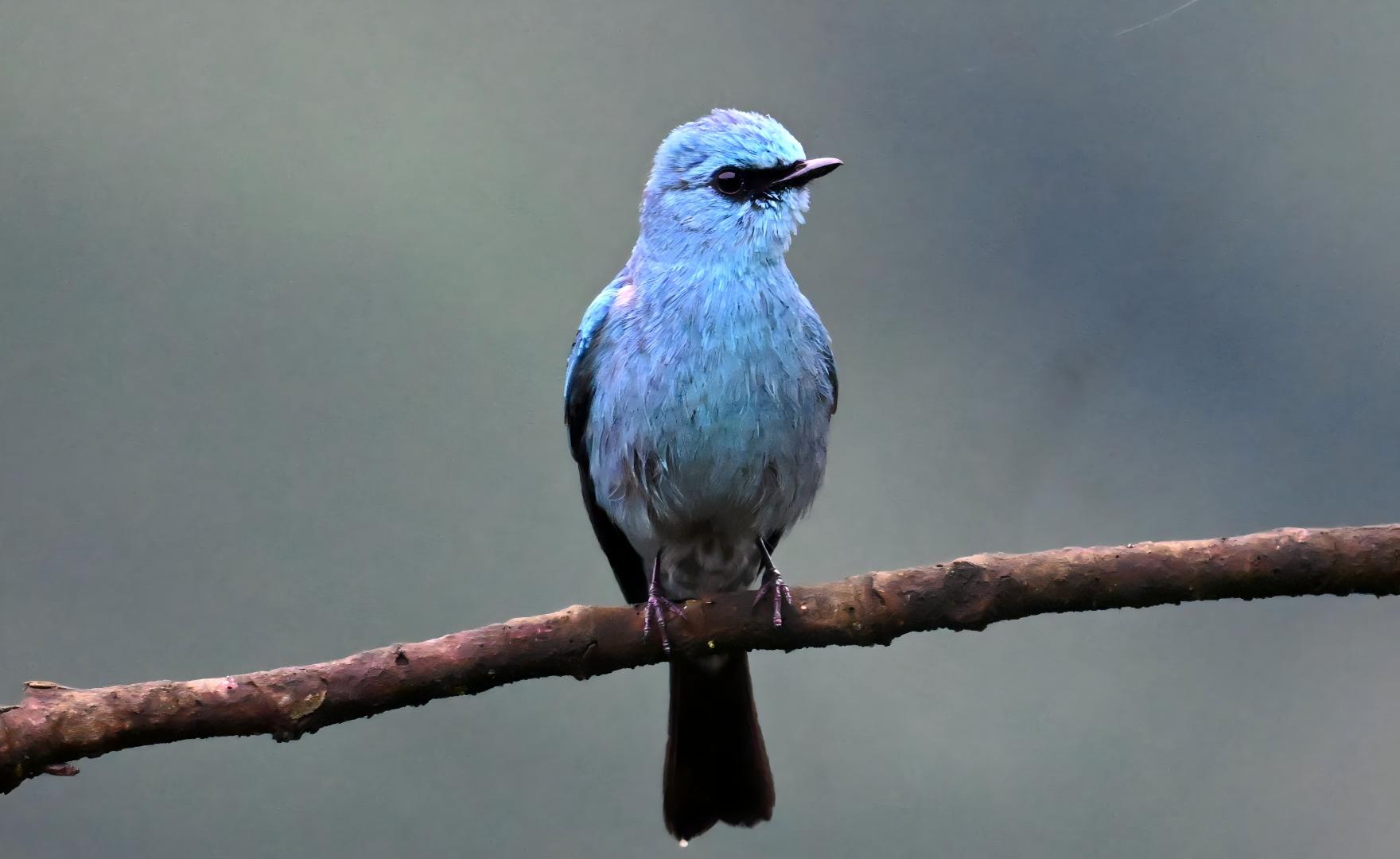
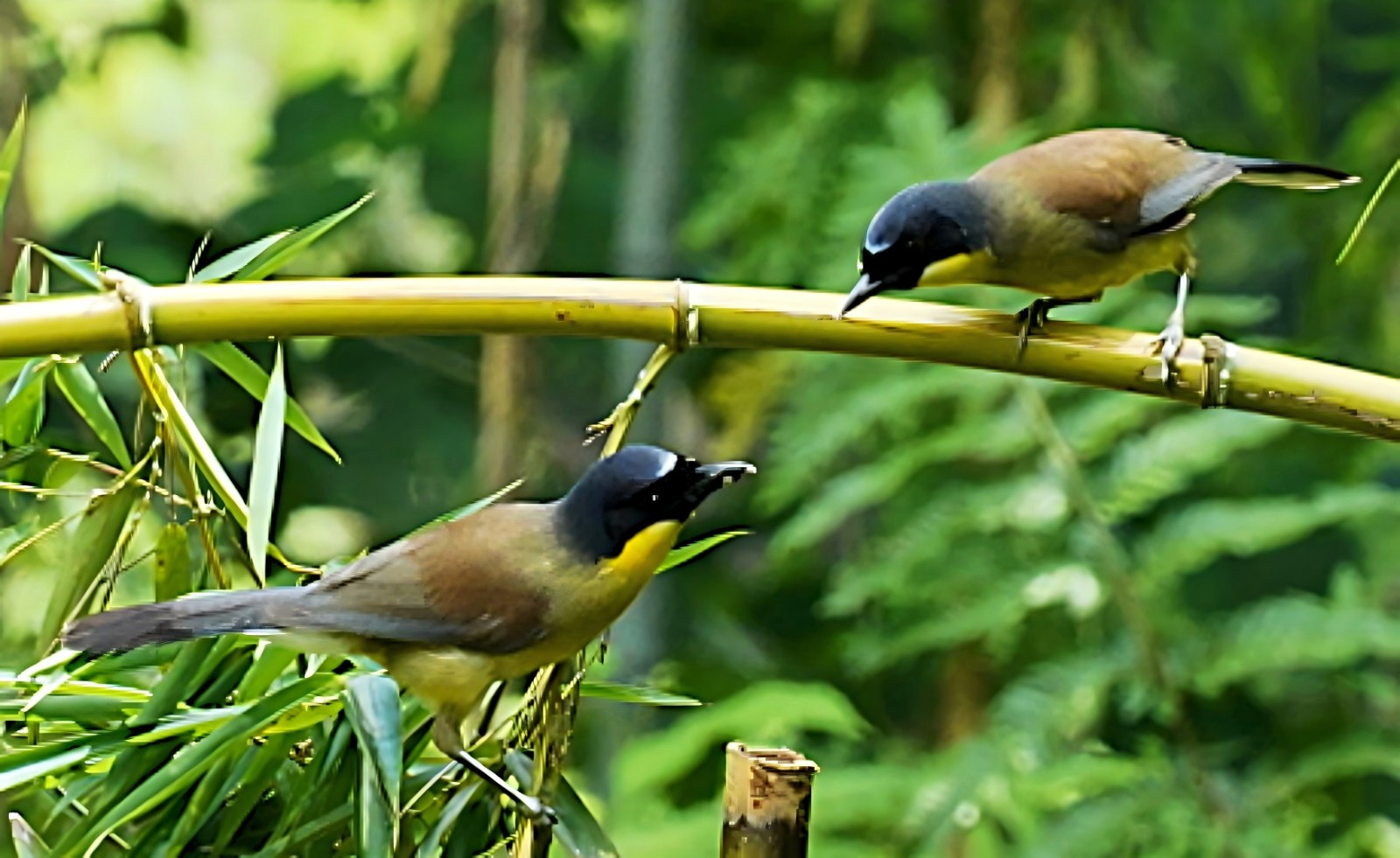
Diverse Avifauna Across Five Habitats: Enjoy a species-rich journey with an expected tally of 180–220 bird species, ranging from the critically endangered Blue-crowned Laughingthrush — exclusive to Wuyuan’s low-elevation forests with only ~200 individuals remaining — to forest gems like Fairy Pitta, Red-headed Trogon, and raptors including Black Baza and Pied Falconet. Five distinct habitat types — coastal mudflats, reedbeds, transitional montane forest, lowland subtropical forest, and estuarine wetland — ensure exceptional diversity within a single itinerary.
Cultural & Gastronomic Immersion: Savor exquisite Fujian cuisine and admire the intricate aesthetics of traditional Hui-style architecture in Wuyuan, adding a profound cultural dimension to your China nature travel experience.
Unmatched Guiding Expertise: We bridge the gap between global standards and local knowledge. Our combination of experienced international leaders and expert local birding guides in China ensures every identification is accurate and every specific need is met — from finding a hidden Reed Parrotbill in Nanhui’s reedbeds to calling in a Cabot’s Tragopan at dawn in Emeifeng.
Strategic Timing for Peak Migration: We operate exclusively during the peak shorebird migration season along the East Asian-Australasian Flyway, maximizing your chances of witnessing the incredible movement of migratory waders at Nanhui Dongtan and Rudong — while simultaneously catching the peak activity of forest pheasants and breeding birds in the Wuyi Mountains.
Exclusive Small Groups: Limited to just 8 participants, we ensure a personalized, quiet, and high-quality China small group birding tour experience that larger crowds simply cannot replicate — essential when tracking shy species like Spoon-billed Sandpiper and Blue-crowned Laughingthrush.
Proven Excellence as a Local Partner: Years of operating as a trusted local birding tour operator in China for prestigious international wildlife tour companies guarantee a seamless, professionally executed itinerary with deep knowledge of every site.
Premier Logistics & Comfort: Travel with peace of mind knowing our dedicated back-office team handles every detail. Combined with comfortable accommodations — from city hotels in Shanghai and Fuzhou to boutique stays in Wuyuan — and efficient transportation, your focus remains entirely on the birds across this 16-day China birding expedition.
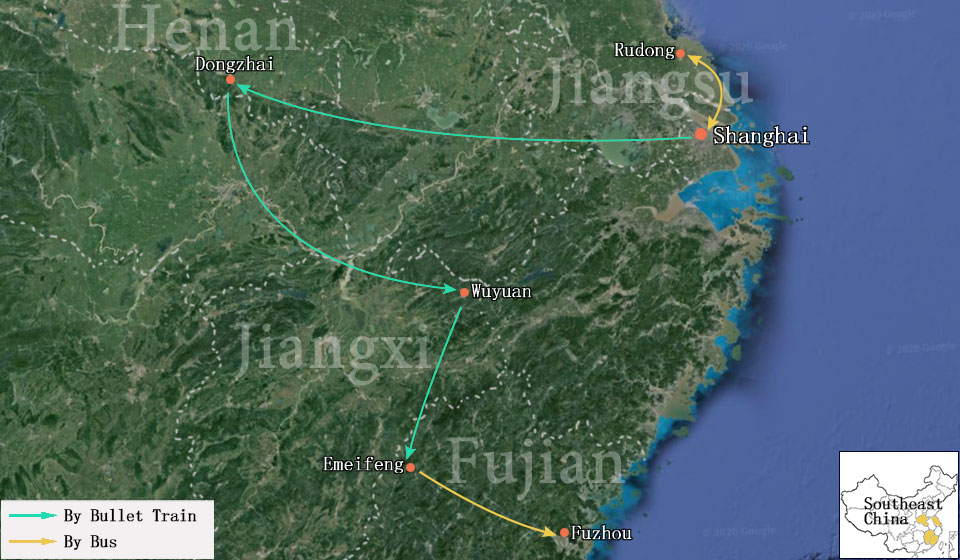
Daily Itinerary
Upon arrival at Shanghai Airport, meet your guide/driver for hotel transfer. Early arrivals may explore Shanghai’s urban birding hotspots, targeting Long-tailed Shrike, Azure-winged Magpie, Oriental Magpie-Robin, and a diversity of waterfowl along city waterways. Evening welcome dinner to kick off this East China birding tour.
*Overnight: comfortable city hotel in downtown Shanghai.*
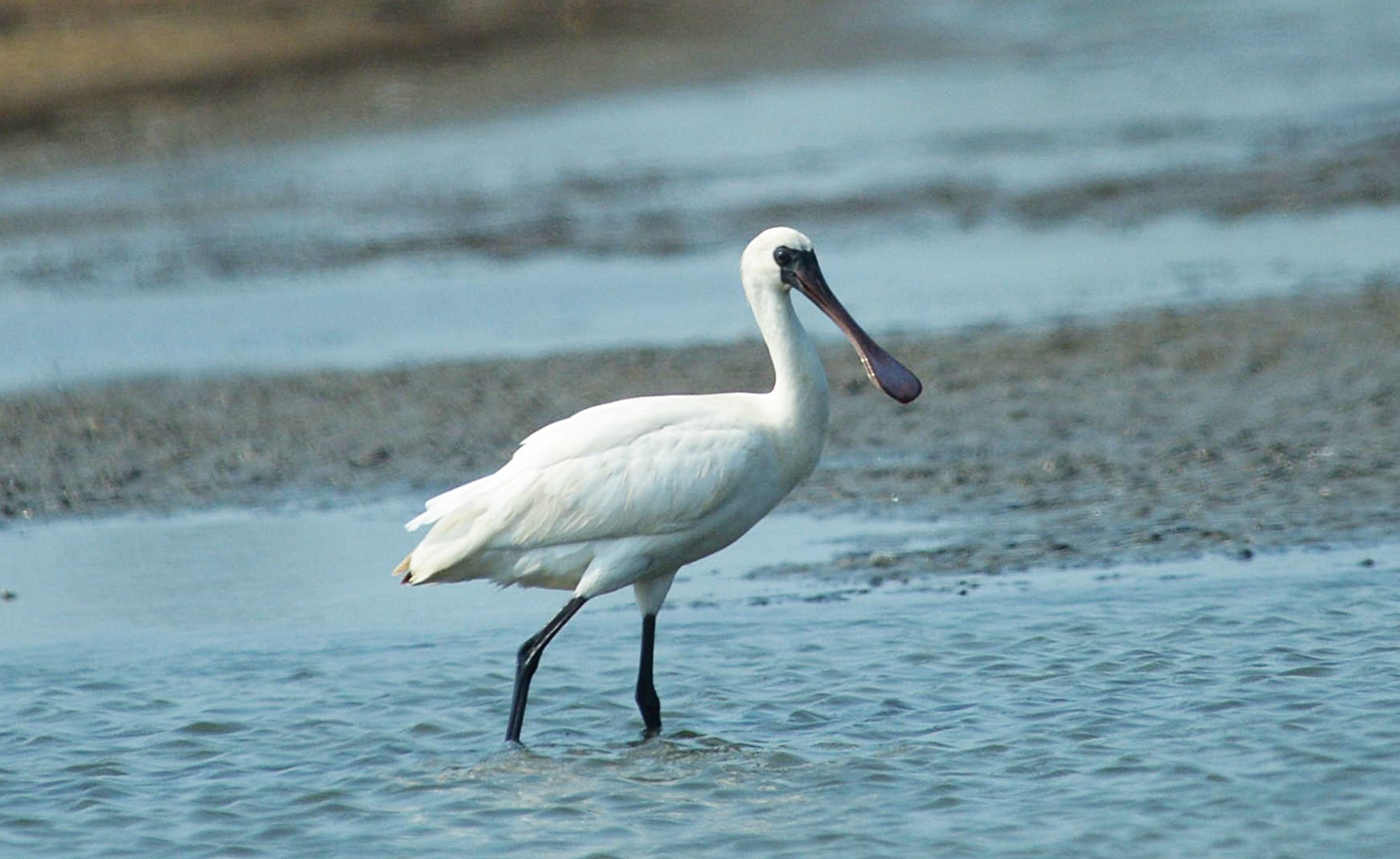
Morning: Focus on Nanhui Dongtan’s critical mudflats and wetlands — one of East Asia’s most important shorebird staging sites. Targets include Eurasian Spoonbill, Black-faced Spoonbill, Baikal Teal, and waders such as Dunlin, Herring Gull, and Saunders’s Gull.
Afternoon: Nearby reedbed survey for the range-restricted Reed Parrotbill, Peregrine Falcon, and passerines including Pale Thrush and Chestnut-eared Bunting. Drive to Rudong (~4 hours).
*Overnight: local comfort hotel in Rudong.*
Full-day search on Rudong’s tidal mudflats for the critically endangered Spoon-billed Sandpiper — China’s most reliable site for this species, though it occurs among millions of migratory waders. Additional targets: Nordmann’s Greenshank (Endangered), Eurasian Oystercatcher, Kentish Plover, Terek Sandpiper, and forest-edge species such as Blue-and-white Flycatcher and Rufous-tailed Robin.
*Overnight: local comfort hotel in Rudong.*
Final morning session in Rudong for any missed shorebird targets before driving back to Shanghai. Afternoon: 6-hour bullet train to Dongzhai National Nature Reserve, arriving in the evening for check-in at the reserve guesthouse.
*Overnight: reserve guesthouse at Dongzhai (basic but clean, en-suite bathroom).*
Two full days in this key transitional zone between the Dabie Mountains and eastern plains — one of China’s most important sites for the endangered Reeves’s Pheasant and the endangered Crested Ibis. Explore diverse forest habitats for Fairy Pitta, Chinese Sparrowhawk, Oriental Scops Owl, Masked Laughingthrush, Blue Whistling Thrush, and Forest Wagtail. Dawn and dusk sessions maximize chances for pheasant encounters.
*Overnight: reserve guesthouse at Dongzhai (basic but clean, en-suite bathroom).*
Day 7: Dongzhai to Wuyuan — UNESCO Village Transition
Pre-departure birding around the guesthouse for any missed forest species before a 4.5-hour bullet train to Wuyuan. Begin exploration of this serene county, a UNESCO-listed “most beautiful village” set among well-forested lowlands with over 300 recorded bird species.
*Overnight: comfortable boutique hotel in Wuyuan old town.*
Two days focused on the critically endangered Blue-crowned Laughingthrush — a species with only ~200 individuals remaining, exclusive to Wuyuan’s low-elevation forests and found nowhere else on Earth. Additional targets: Pied Falconet (one of the world’s smallest raptors), Chinese Bamboo Partridge, Dollarbird, and stream specialties including Mandarin Duck and Plumbeous Redstart. Multiple visits to known territories ensure the best possible views.
*Overnight: comfortable boutique hotel in Wuyuan old town.*
Day 10: Wuyuan to Emeifeng — Into the Wuyi Mountain Range
Extended morning birding in Wuyuan for any key species before departing for the Emeifeng National Nature Reserve, nestled within the Wuyi Mountain Range. Afternoon arrival with introductory birding along forested access roads.
*Overnight: local hotel near Emeifeng (best available option).*
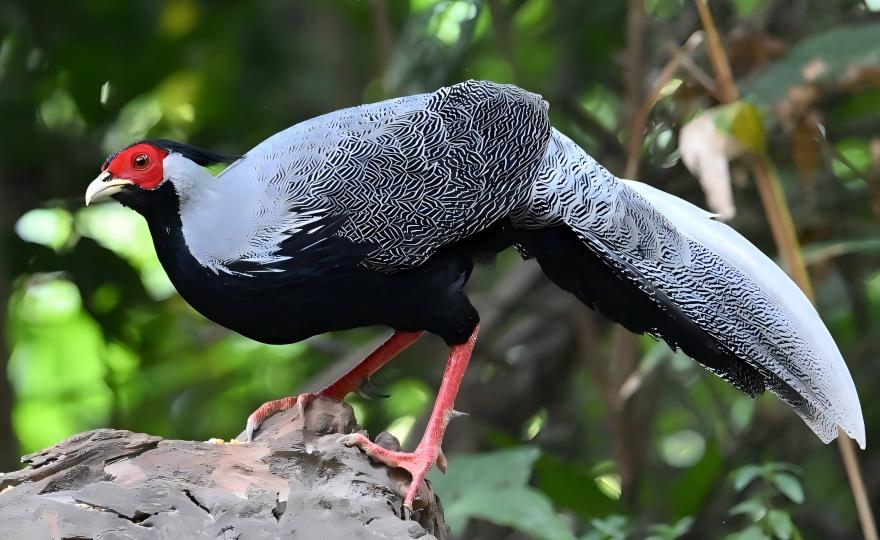
Emeifeng showcases a striking vertical zonation of vegetation and stands as one of China’s premier sites for pheasants. With vehicle support, we efficiently cover key habitats in search of Cabot’s Tragopan, Elliot’s Pheasant, White-necklaced Partridge, Silver Pheasant, Koklass Pheasant, and Chinese Bamboo Partridge — six pheasant species in two days.
Beyond game birds, forested slopes yield Large Hawk Cuckoo, Black Eagle, Crested Serpent Eagle, Collared Owlet, Great Barbet, Speckled Piculet, Bay Woodpecker, Blyth’s Shike Babbler, White-bellied Erpornis, Spotted Elachura, and Chestnut-bellied Rock Thrush. This is a highlight stretch for both avian diversity and scenic immersion in the Wuyi Mountains.
*Overnight: local hotel near Emeifeng (best available option).*
An extra morning in Emeifeng for any missed pheasant or forest targets before a 2-hour bullet train to Fuzhou, arriving in time for an introductory evening walk.
*Overnight: comfortable city hotel in Fuzhou.*
Fuzhou Forest Park (860 hectares, established 1960) hosts over 2,500 tree species and lush trails targeting White-necklaced Partridge, Silver Pheasant, Mountain Hawk Eagle, Red-headed Trogon, Scarlet Minivet, Orange-bellied Leafbird, and Tristram’s Bunting.
Late afternoon drive to the Minjiang River Estuary for overnight stay, preparing for our final wetland birding session.
*Overnight: local hotel near Minjiang River Estuary.*
The Minjiang River Estuary Wetland Reserve (3,129 hectares) supports vast mudflats serving as critical habitat for migratory waterbirds. While core-area access is restricted under conservation policy, we have had past success locating the critically endangered Chinese Crested Tern just outside the reserve boundary — one of the world’s rarest birds with fewer than 100 individuals remaining.
Other expected highlights: Great Crested Tern, Whiskered Tern, White-winged Black Tern, Far Eastern Curlew, Black-faced Spoonbill, Osprey, Peregrine Falcon, Dunlin, Red Knot, and Oriental Reed Warbler. As a responsible eco-tourism partner, we strictly adhere to all reserve guidelines.
*Overnight: local hotel near Minjiang River Estuary.*
Final breakfast at the hotel before transfer to Fuzhou Airport for departure — concluding this 16-day East China birding tour through some of the region’s most ecologically significant and bird-rich landscapes.
A: Expect 6–8 hours of active birding per day, structured around peak activity windows. Dawn sessions (05:30–09:00) target forest species such as Cabot’s Tragopan and Reeves’s Pheasant at Dongzhai and Emeifeng, when pheasants are most vocal and visible. Mid-morning to afternoon (09:00–15:00) shifts to shorebird scanning on the mudflats of Rudong and Nanhui Dongtan, aligned with tidal cycles for maximum wader exposure. Late afternoon (15:30–18:00) returns to forest trails for species like Blue-crowned Laughingthrush in Wuyuan. Travel between sites is scheduled during low-activity midday hours via bullet train or private vehicle, ensuring no birding time is lost.
A: Accommodations are selected for comfort and proximity to birding sites. Shanghai and Fuzhou (Days 1, 13): comfortable city-center hotels with modern amenities. Rudong (Days 2–3): the best local comfort hotels available in this coastal county. Dongzhai National Nature Reserve (Days 4–6): a reserve guesthouse — basic but clean, all rooms with en-suite bathroom, and within walking distance of prime forest trails. Wuyuan (Days 7–9): comfortable boutique hotels in the old town, surrounded by the low-elevation forests where the Blue-crowned Laughingthrush occurs. Emeifeng (Days 10–12): local hotels near the reserve — the best available option in this mountainous area of the Wuyi Mountain Range. Minjiang River Estuary (Days 14–15): local hotels near the wetland reserve. Single supplement is available upon request.
A: Optics: A compact 8×42 or 10×42 binoculars (essential); a spotting scope (20–60×) is highly recommended for shorebird identification on Rudong’s vast mudflats, where birds may be distant. Photography: A DSLR or mirrorless camera with a telephoto lens (300–400mm+ for forest species; 500–600mm+ for shorebirds on mudflats). Field gear: Waterproof field notebook, waterproof jacket and trousers (essential for Nanhui Dongtan and Minjiang River Estuary mudflat sessions), sturdy hiking shoes for forest trails at Emeifeng and Dongzhai, and a small daypack. Seasonal note: Coastal sites can be windy and exposed — bring a windproof layer and sun protection.
A: Spoon-billed Sandpiper at Rudong: approximately 30–50% sighting probability, depending on tidal timing and migration peak. Rudong remains China’s most reliable site for this critically endangered species. Chinese Crested Tern at Minjiang River Estuary: lower probability due to its extreme rarity (fewer than 100 individuals globally), but our past success at sites just outside the reserve boundary demonstrates it is possible. Blue-crowned Laughingthrush in Wuyuan: approximately 70–80% detection rate during our survey windows — this critically endangered species is restricted to Wuyuan’s low-elevation forests with only ~200 individuals remaining, making our local knowledge essential. Cabot’s Tragopan at Emeifeng: approximately 60–75% during dawn stakeouts in the Wuyi Mountains. We provide honest probability estimates — no guaranteed sightings — as part of our commitment to responsible eco-tourism.
A: With over a decade of partnership with leading international wildlife tour companies, China Wildlife Tours is a trusted local birding tour operator in China with deep, firsthand knowledge of every site on this itinerary. Our local birding guides in China are experienced in finding target species — from locating a Reed Parrotbill in Nanhui’s reedbeds to calling in a Cabot’s Tragopan at dawn in Emeifeng. Logistics are optimized: bullet train transfers between major sites minimize travel fatigue, and our back-office team monitors real-time weather and tidal conditions at Rudong and Minjiang River Estuary to adjust daily plans for maximum birding efficiency. As a responsible eco-tourism partner, we strictly adhere to all nature reserve guidelines and contribute to local conservation efforts.
*This review was originally posted on Alpine Birding, a brand of China Wildlife Tours.*
Jan 2025 • Friends
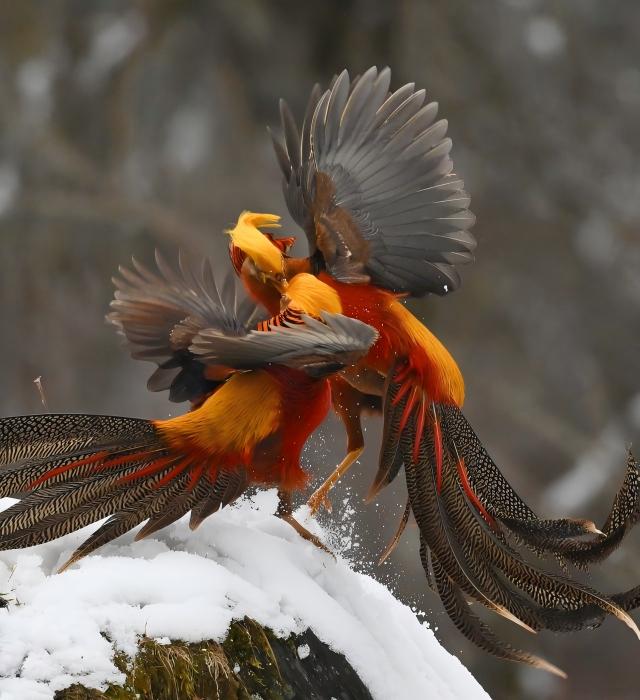
Bella Zhang our guide knew exactly what I wanted and showed great initiative in rescheduling the original itinerary so that I could photograph the Golden Pheasants with a winter backdrop.
Overall Bella & Karen made my stay very comfortable and delivered
thank you , I will definitely use Alpinebirding again in my future birding trips to China.
Written January 20, 2025
Thanks for helping us to fill the following form about your personal preferences. This information you provide can help us to plan the best trip especially for you.




Copyright © 2026 • China Wildlife Tour All Rights Reserved Safari in Cina
 中文
中文