(+86)133 8819 6153
info@chinawildlifetour.com


Price from $ 2199/pax for group of 4-8 pax July 10, 2027
Destinations: Changbai Mountain (Jilin) & Hengdaohezi (Heilongjiang), Northeast China
Duration: 7 Days / 6 Nights
Activity Level: Moderate (Nature Focused)
Focus: Entomology (Endemic & Fossil Species), Mammalogy (Tigers), Ornithology, Alpine Botany
Journey into the wild heart of Northeast China, a land shaped by volcanoes and ancient forests. This expedition offers a rare dual focus: tracking the majestic Siberian Tiger (the “King of the Forest”) and searching for the enigmatic Galloisiana sinensis (a living fossil insect that has survived since the age of dinosaurs).
We will traverse the breathtaking vertical landscapes of Changbai Mountain, a UNESCO Biosphere Reserve, to find the relict *Galloisiana* hidden in alpine tundra, and then venture into the historic birch forests of Hengdaohezi to observe the world’s largest cat. This is a comprehensive study of apex predators, alpine botany, and the hidden micro-wonders of the North.
· The Quest for a “Living Fossil”: Search for the *Galloisiana sinensis* (Chinese Grylloblattid), a National Class I protected insect. These wingless, cold-loving creatures are direct descendants of the Paleozoic era, found only in the harshest, high-altitude zones of Changbai Mountain.
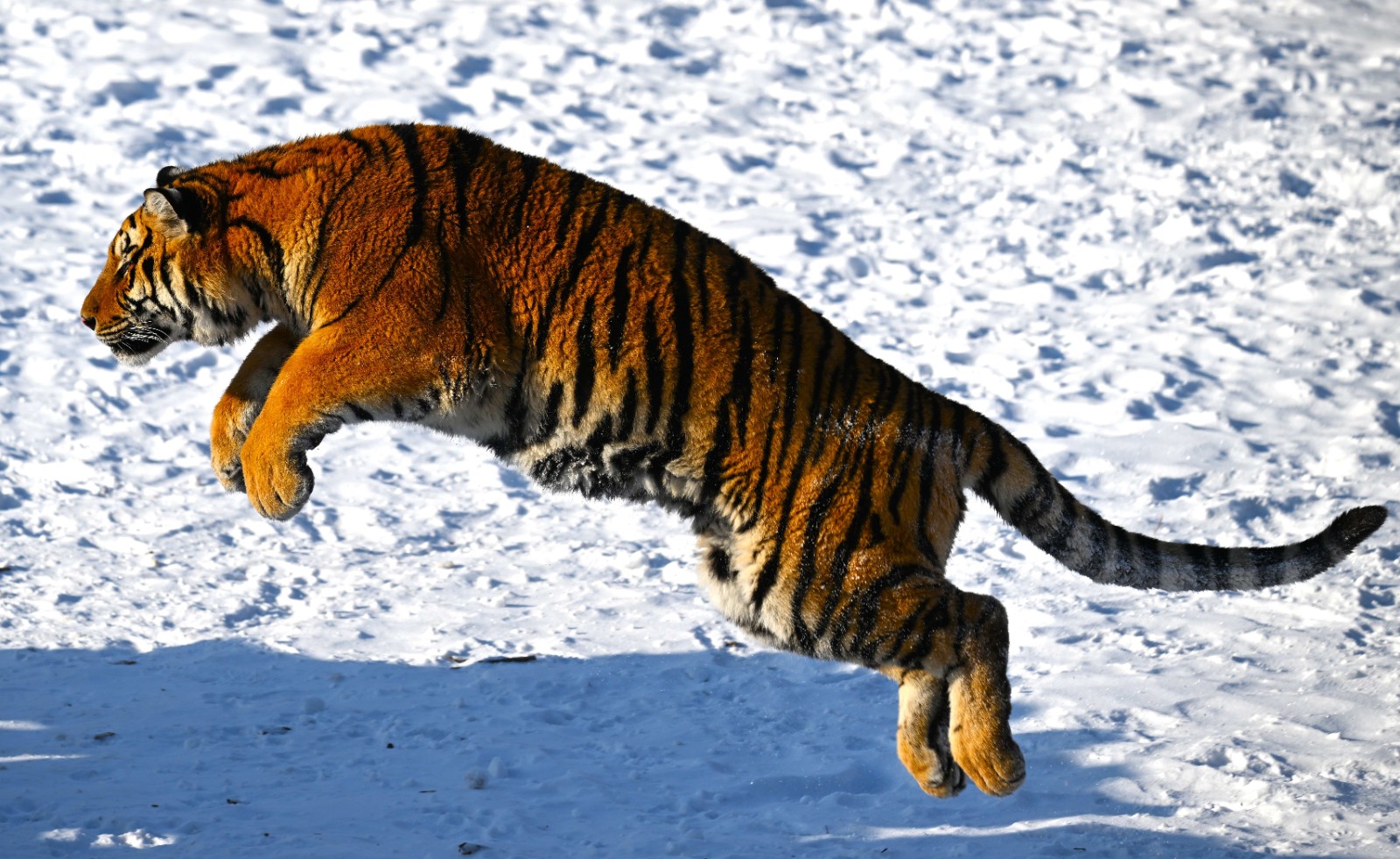
· Face-to-Face with the Siberian Tiger: Visit the Hengdaohezi Siberian Tiger Park and the surrounding old-growth forests. Observe the sheer power and size of the Amur Tiger up close, and track wild signs (scat and prints) in the nearby wilderness.
· Vertical Ecosystem Traverse: Ascend from the temperate Korean Pine broadleaf forests to the sub-alpine Erman Birch zone and the volcanic Alpine Tundra. Witness the bloom of rare *Rhododendron* and *Gentian* flowers that survive the extreme Arctic-like climate.
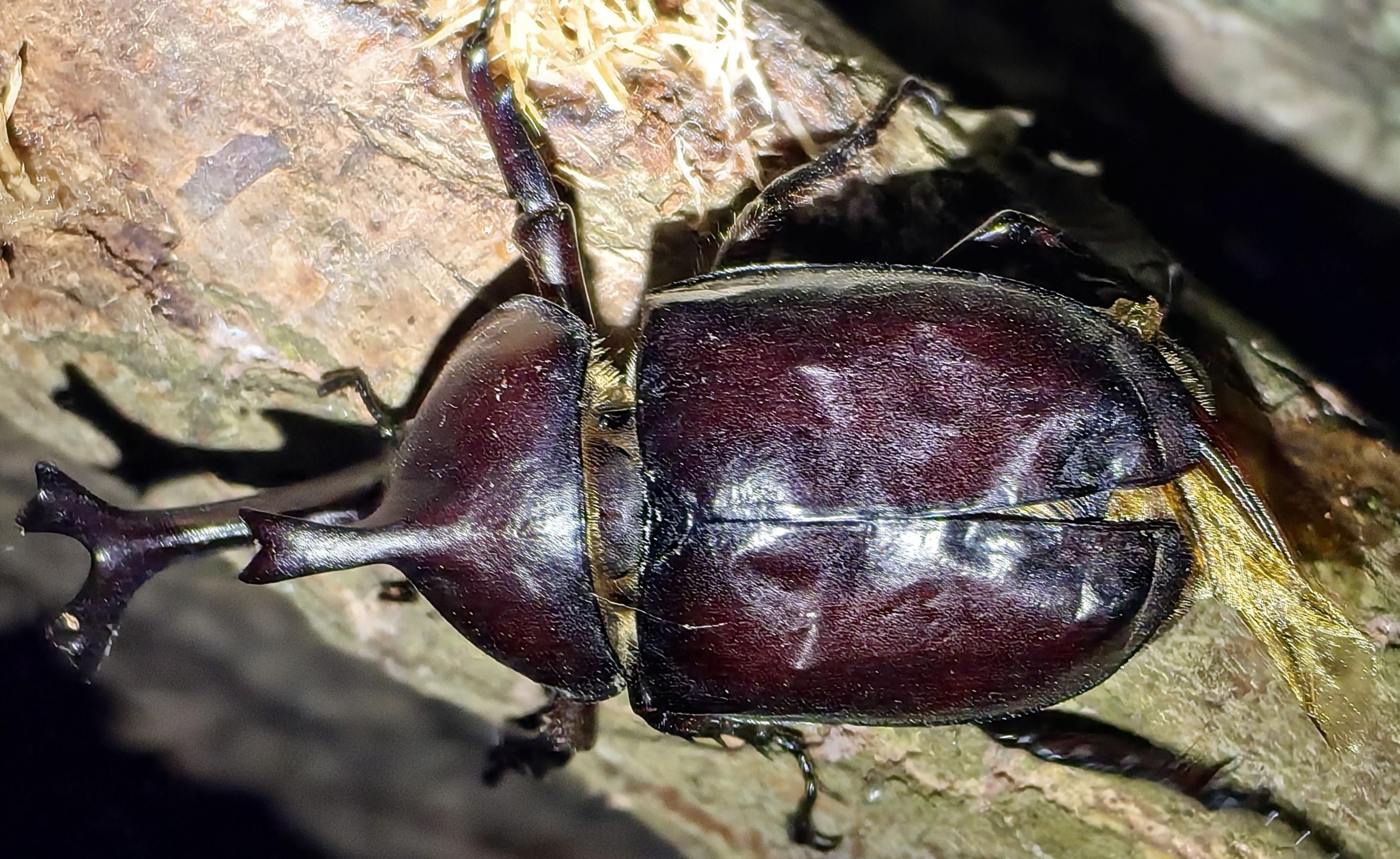
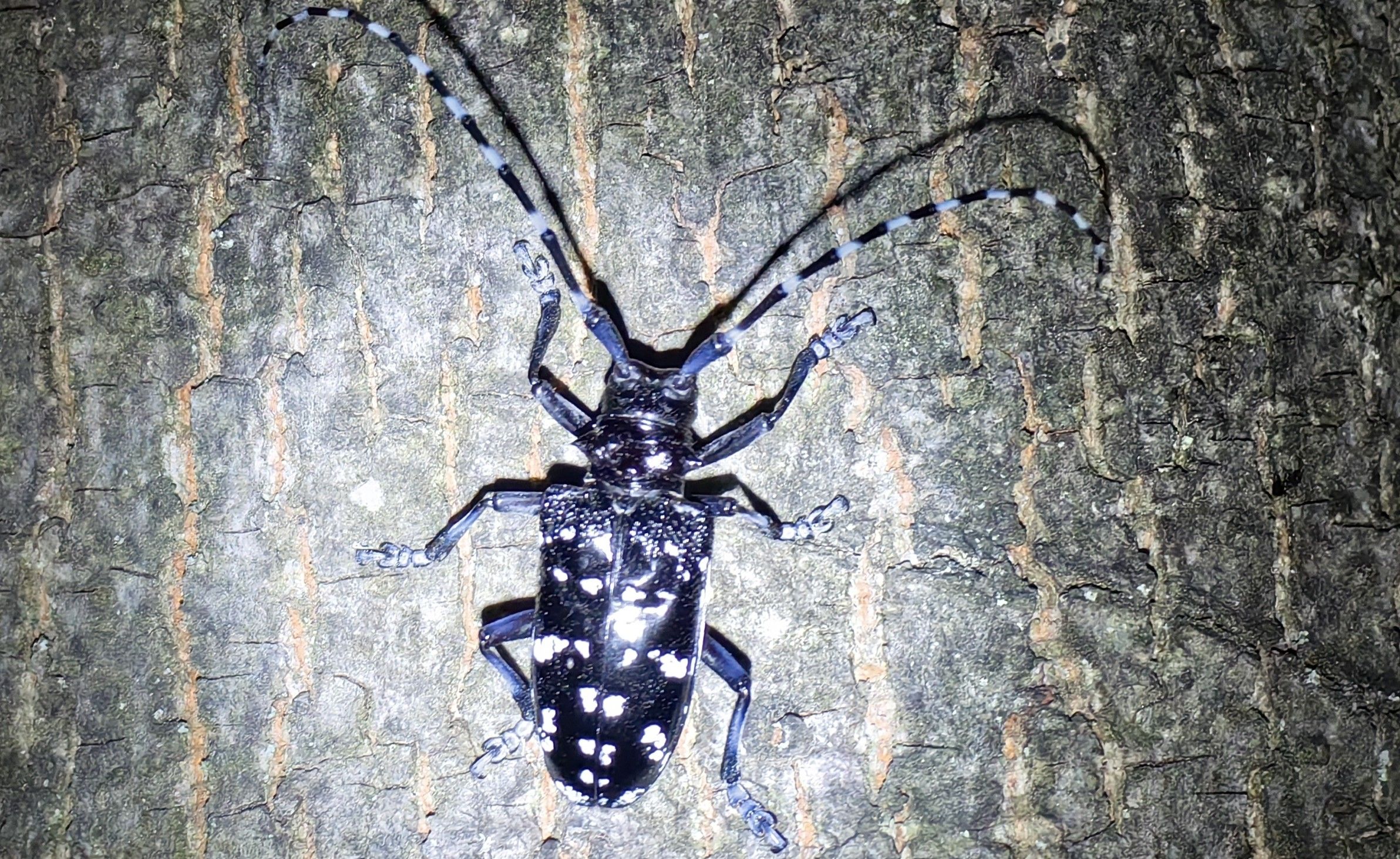
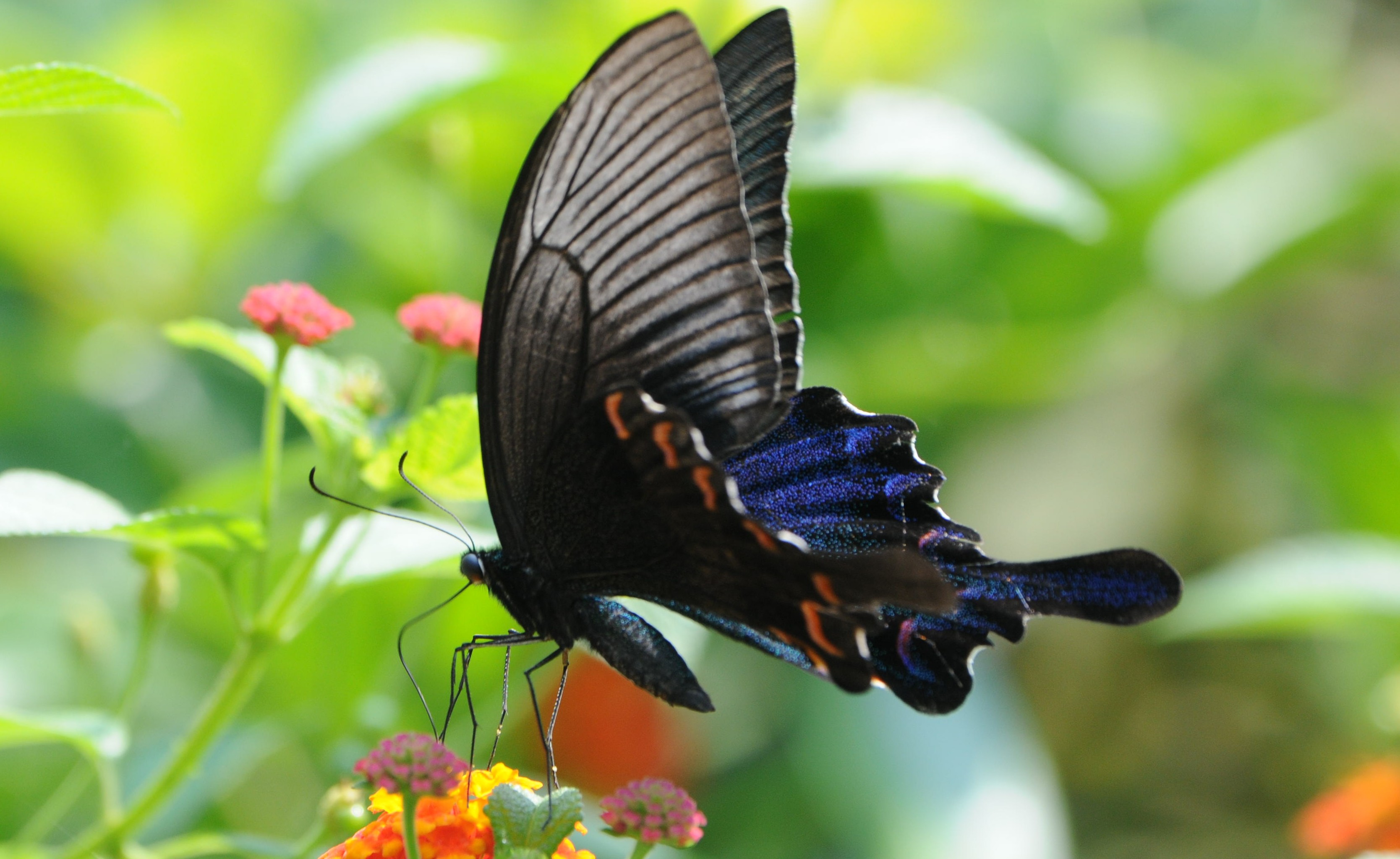
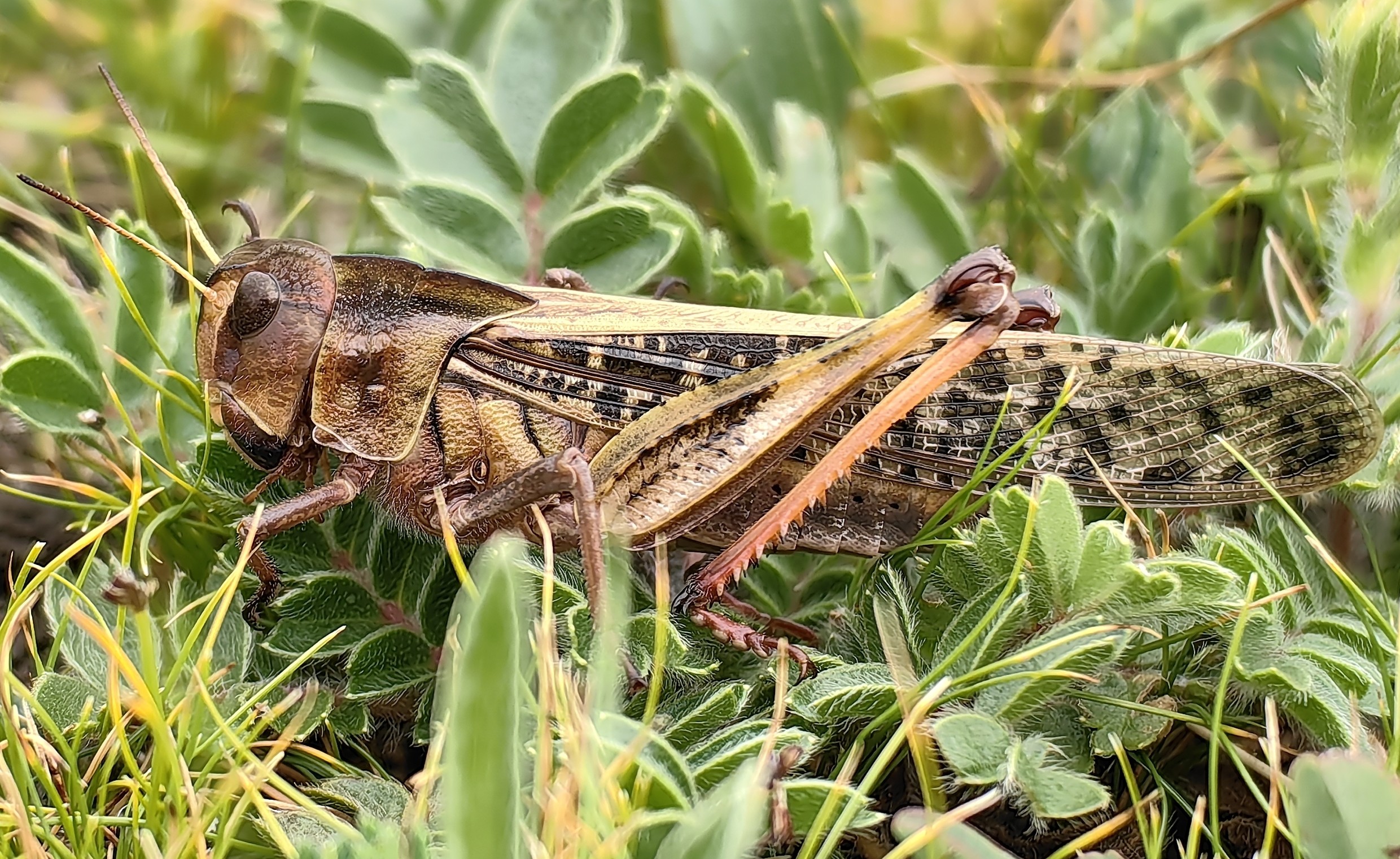
· Cool-Climate Entomology: Experience the unique insect diversity of the North, from the spectacular Old World Swallowtail and Chinese Mantis to cold-adapted ground beetles and giant longhorns.
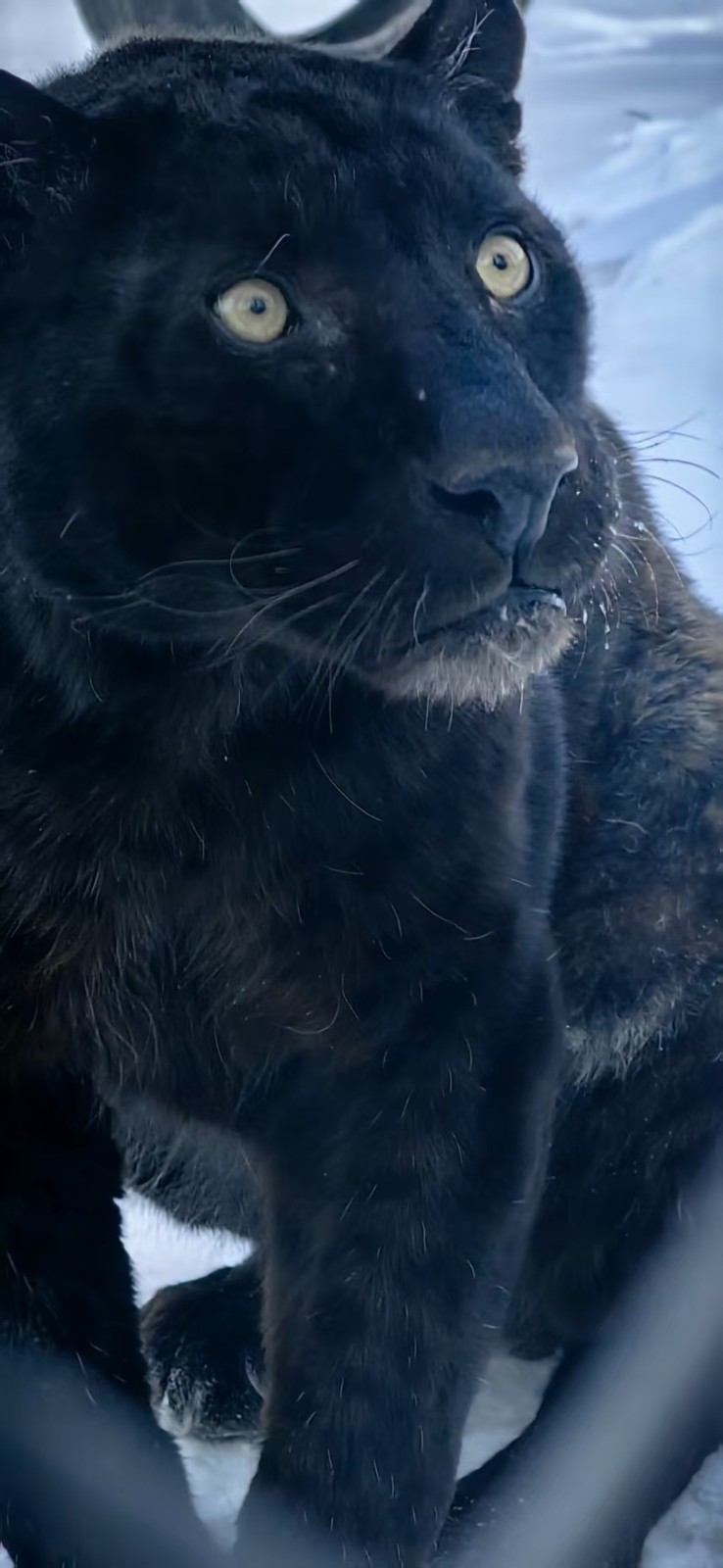
· Star: Siberian (Amur) Tiger (*Panthera tigris altaica*), Amur Leopard.
· Others: Wild Boar, Roe Deer, Siberian Chipmunk, Red Squirrel.
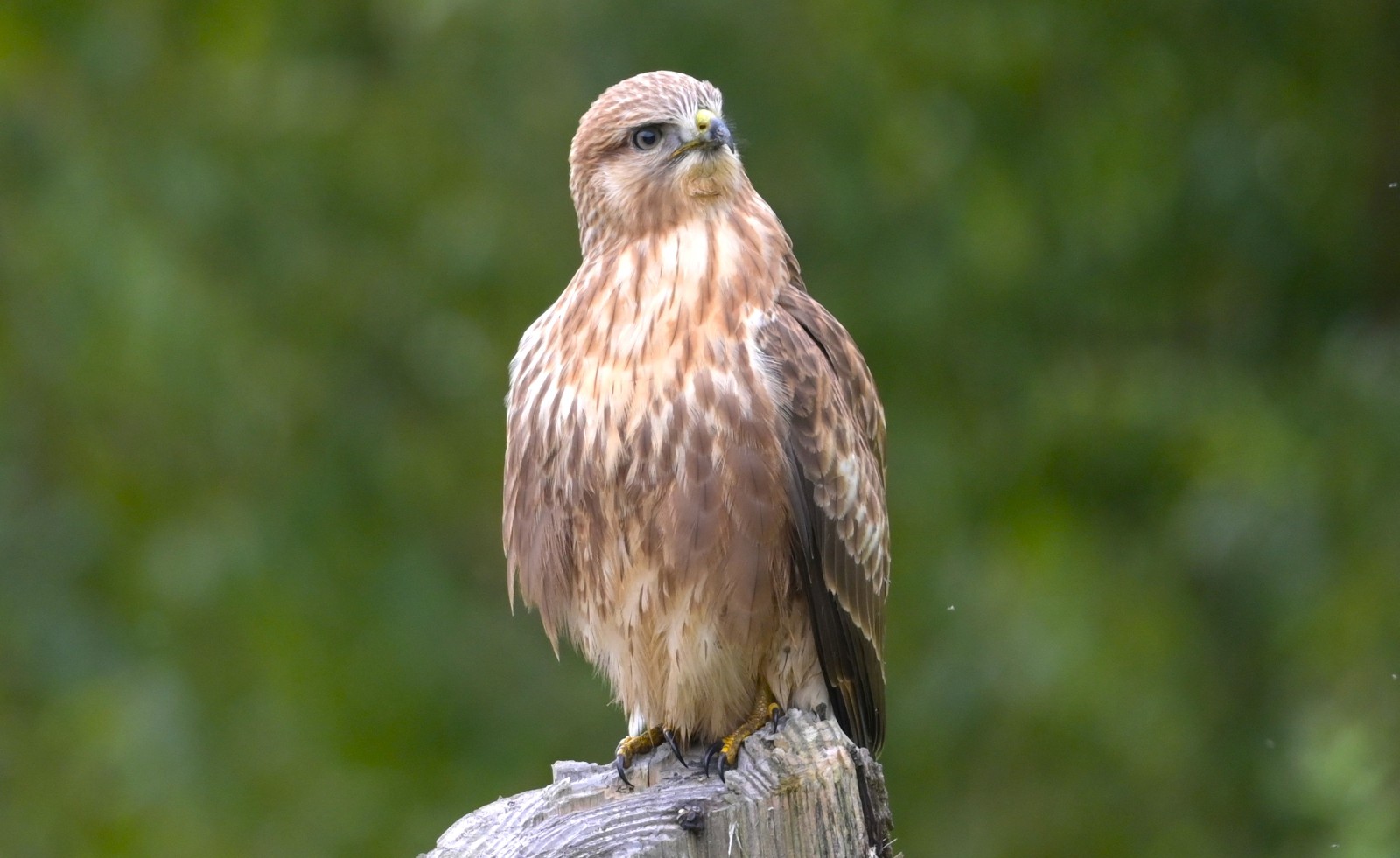
· Star: Mandarin Duck, Common Buzzard, Northern Goshawk.
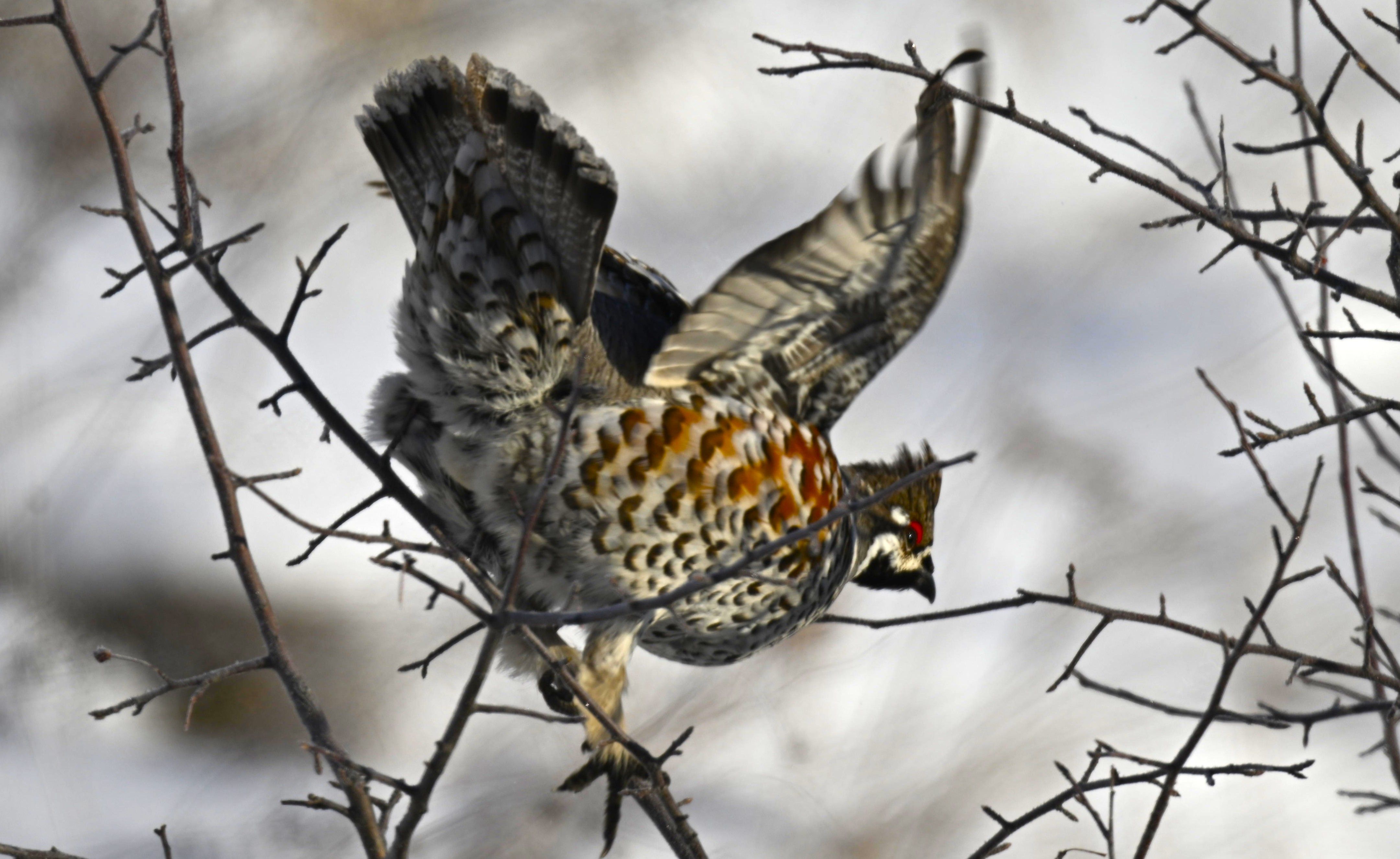
· Common: Grey-headed Woodpecker, Great Spotted Woodpecker, Marsh Tit, Bohemian Waxwing.
· Absolute Star: Galloisiana sinensis (Chinese Grylloblattid – National Class I Protected).
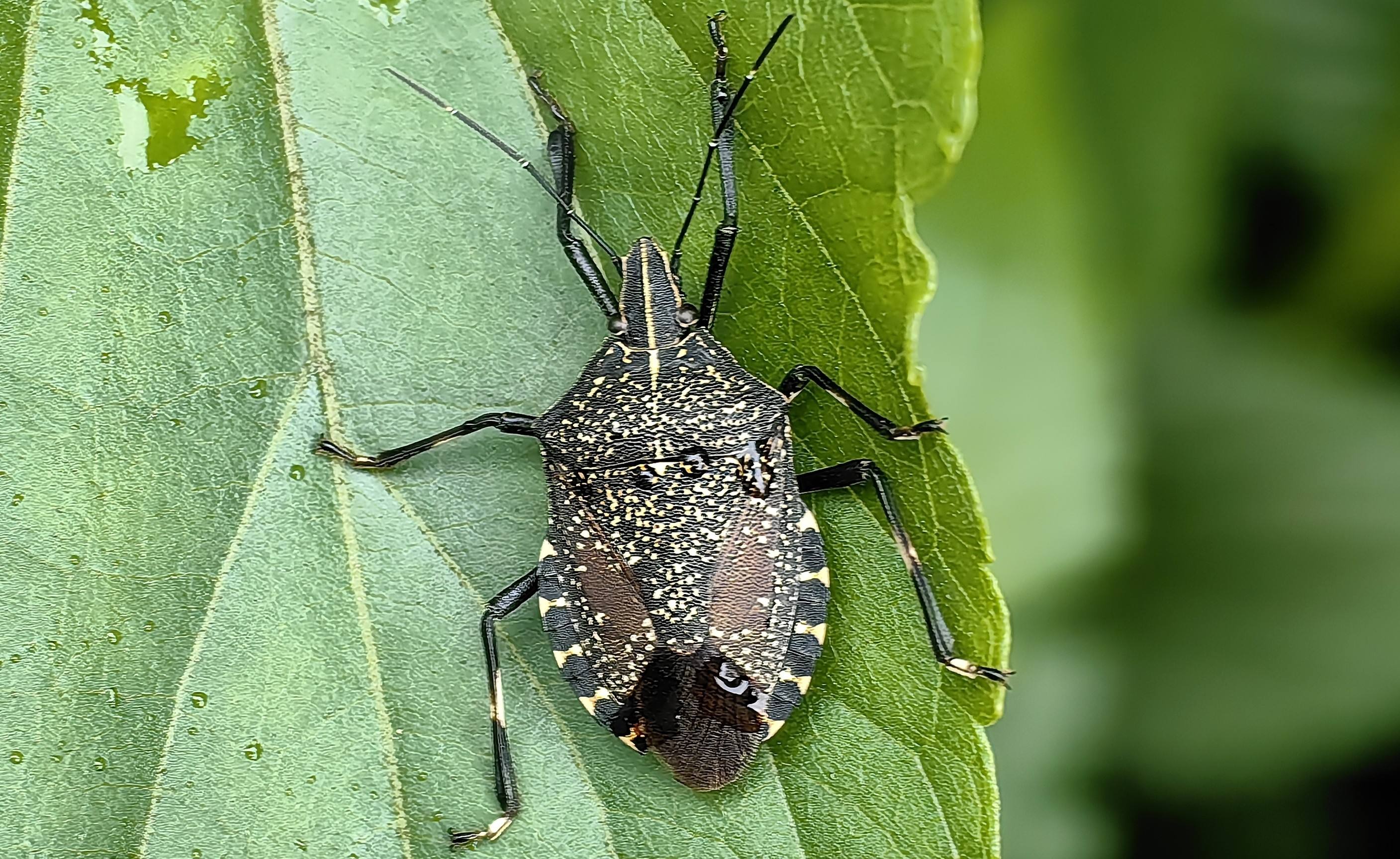
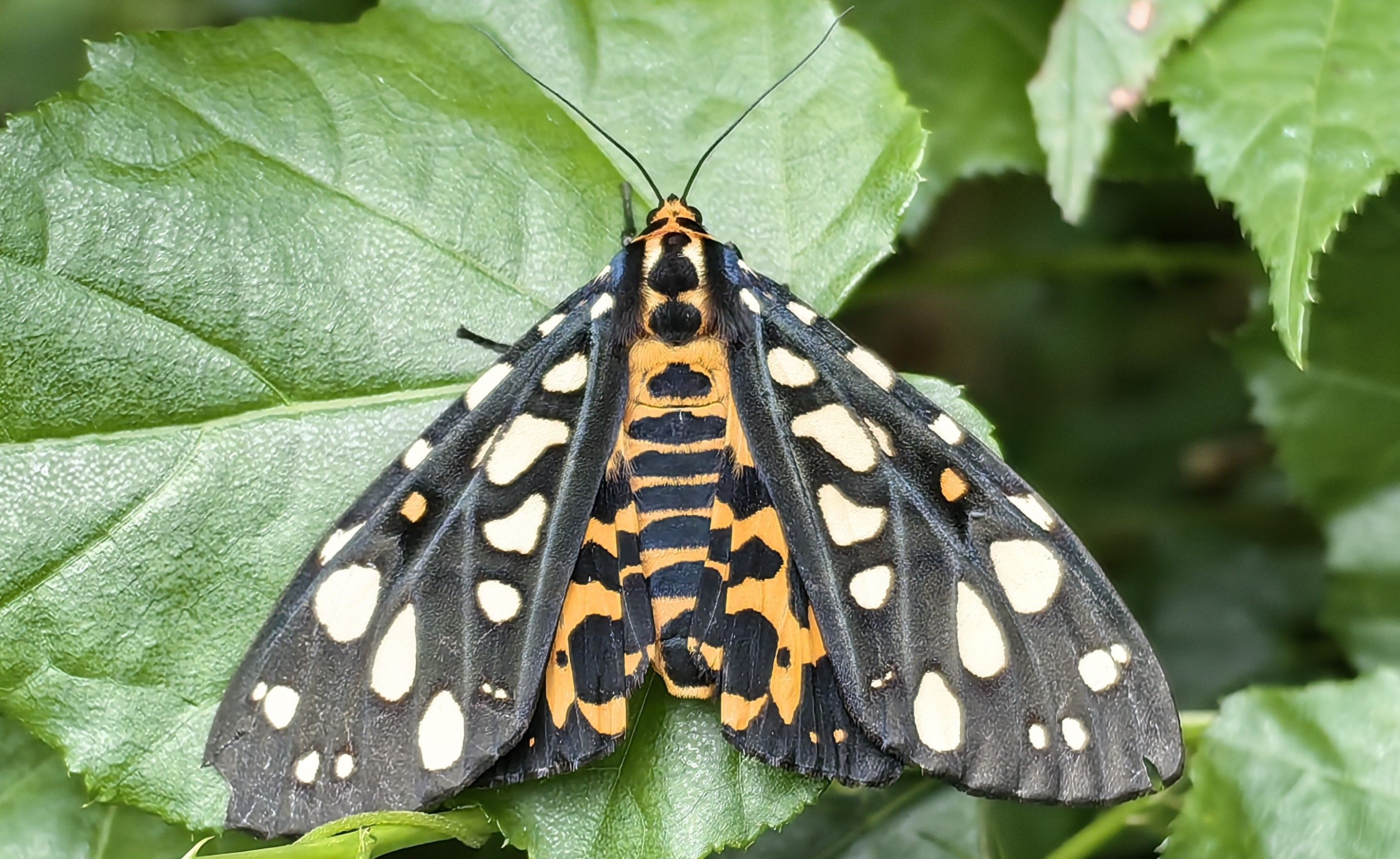
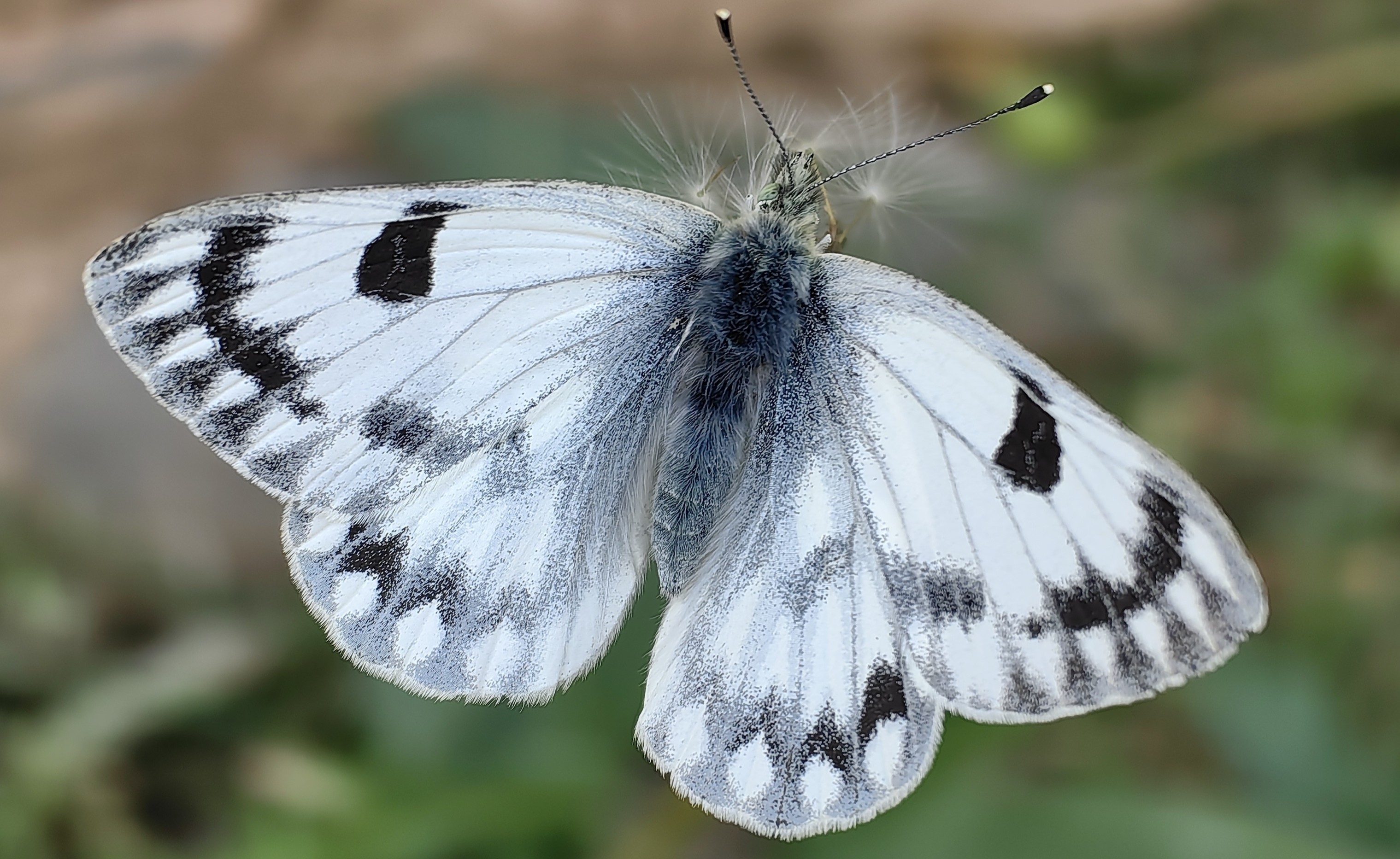
· Common/Showy: Old World Swallowtail, Chinese Peacock (*Aglais io*), Clouded Apollo, Large Longhorn Beetles (*Anoplophora*), Shield Bugs.
· Star: Rhododendron aureum (Lapland Rhododendron), Gentiana scabra, Trollius chinensis.
· Unique: Korean Pine (*Pinus koraiensis*), Erman Birch (*Betula ermanii*).
Arrival (Day 1): Changbaishan Airport (NBS) or Changbaishan Railway Station (45-90 min transfer).
Departure (Day 7): Mudanjiang Airport (MDG) or Mudanjiang Station (1 hour transfer). This “Open-Jaw” route saves travel time.
Day 1: Arrival & The Town of “Slow Living”
Arrive at Changbaishan Airport (NBS). Meet your guide and transfer to Erdaobaihe, the gateway town nestled in the forest.
Late PM: [Township Ecology] A gentle stroll through Erdaobaihe, famous for its “slow city” ethos. Spot Siberian Chipmunks and Mandrills (local squirrels) in the town parks. Look for Mandarin Ducks on the river.
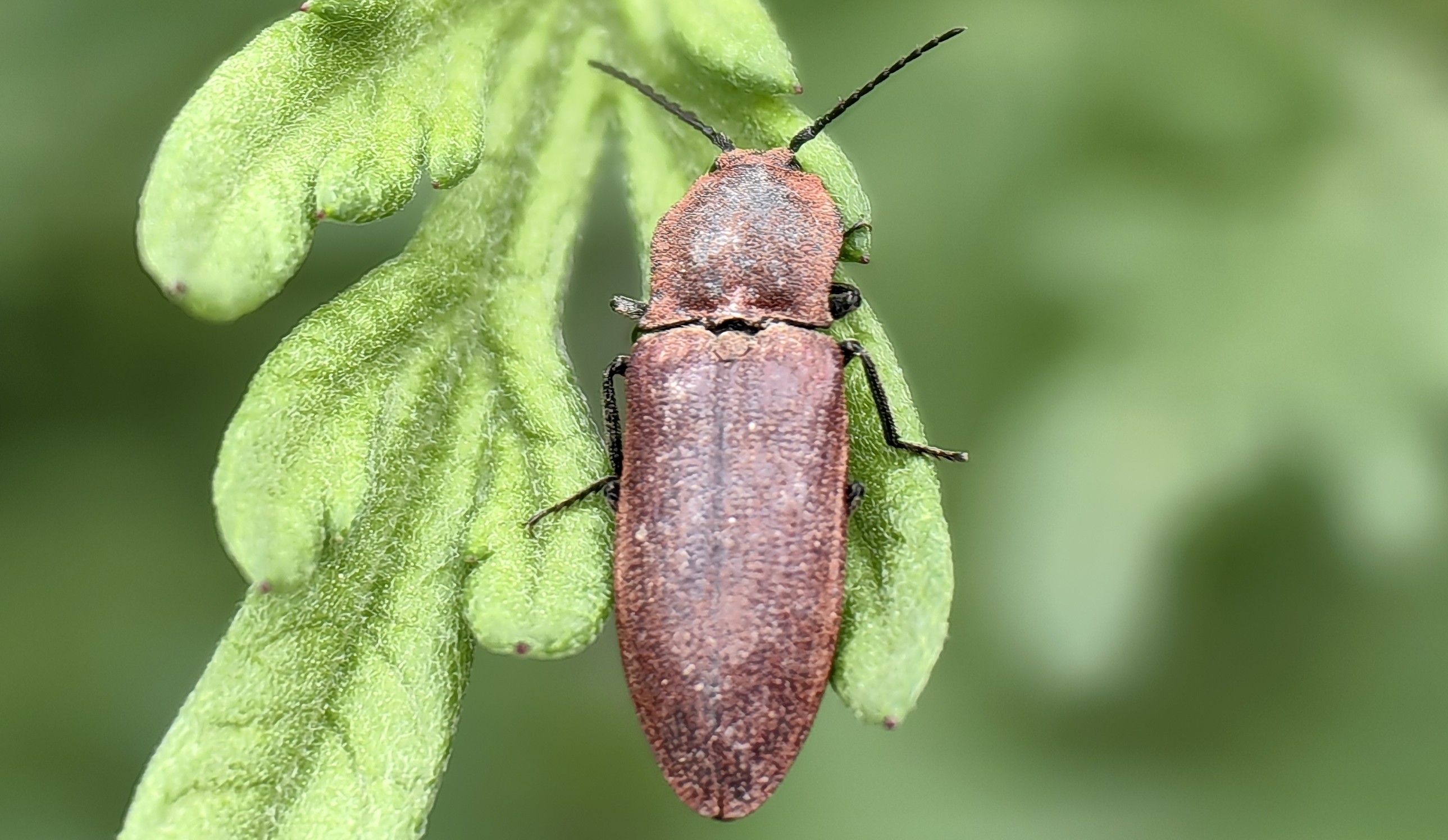
Night: [Garden Light Trap] Introduction to Northern moths and click beetles.
Overnight: Forest Eco-Hotel in Erdaobaihe.
Day 2: The Peaks – Search for the Living Fossil
AM: [Vertical Vegetation Hike] Ascend to the Changbai Tianchi (Heavenly Lake). Traverse the Erman Birch forest to the Alpine Tundra. Target the vibrant Rhododendron aureum and Gentiana species blooming on the volcanic slopes.
PM: [Target: Galloisiana sinensis] *Weather dependent*. Access a high-altitude scree zone (near the snow line). Under expert guidance, carefully turn stones in mossy crevices to find the Chinese Grylloblattid, an incredible survivor from the Carboniferous period.
Night: [Amphibian Night Walk] Explore the river valleys for the Siberian Tree Frog and Amur Tree Frog, listening to their chorus.
Overnight: Forest Eco-Hotel in Erdaobaihe.
Day 3: The “Beauty Pine” & Crossing the Border
AM: [Korean Pine Forest] Visit the Pinus sylvestriformis (Beauty Pine) park. Birdwatch for species like the Grey-headed Woodpecker and Coal Tit.
PM: Transfer by private vehicle to Hengdaohezi, Heilongjiang (approx. 3.5 hours). Cross the Laoyeling Range, enjoying the scenery of mixed birch and pine forests.
Evening: Arrival in the historic Russian-style town of Hengdaohezi. A brief night walk to check for Stag Beetles and Ground Beetles.
Overnight: Hengdaohezi Russian-Style Guesthouse.
Day 4: The King’s Forest – Amur Tigers
AM: [Hengdaohezi Siberian Tiger Park] Enter the conservation park via specialized vehicle. Observe the Siberian Tiger (Amur Tiger) at close range—focusing on their massive size and thick winter coats (molt stage). Observe behavioral interactions and compare with African Lions kept for comparison.
PM: [Tracking Wild Signs] Enter the neighboring primitive Red Pine forests (wild zone). Track scat (droppings) and footprints of wild tigers. Look for prey species like Wild Boar and Roe Deer.
Night: [Forest Light Trap: Swallowtails] Focus on night-flying insects, specifically looking for the Old World Swallowtail (*Papilio machaon*) roosting, and large Stink Bugs.
Overnight: Hengdaohezi Russian-Style Guesthouse.
Day 5: Raptors & History
AM: [Raptor Watch] The forests around Hengdaohezi are prime habitat for raptors. Search for the Common Buzzard, Northern Goshawk, and flocks of Waxwings.
PM: [Cultural & Nature Walk] Visit the Middle East Railway Museum or Russian Street to understand human history. Follow with a butterfly survey in the meadows, targeting the Chinese Peacock butterfly and Brimstone.
Night: [Farewell Dinner & Review] Recap the trip’s wildlife sightings.
Overnight: Hengdaohezi Russian-Style Guesthouse.
Day 6: Nature at Leisure & Transfer to Mudanjiang
AM: [Morning Nature Walk] A relaxed morning to enjoy the fresh pine-scented air. Opportunity to photograph local wildflowers or check any insect traps set the previous night.
PM: Lunch in Hengdaohezi. In the late afternoon, transfer to Mudanjiang City (approx. 1 hour drive).
Evening: Check into a comfortable city hotel. Enjoy a final authentic Northeastern Chinese dinner.
Overnight: 4-Star Hotel in Mudanjiang City.
Day 7: Departure from Mudanjiang
AM: Leisurely breakfast.
Noon: Transfer to Mudanjiang Airport (MDG) or Mudanjiang Railway Station for departure.
Q1: How do we get to the meeting point?
A: We recommend flying into Changbaishan Airport (NBS). It is the closest airport to the nature reserve (approx. 45 min transfer). If you prefer trains, the Changbaishan High-Speed Railway Station is also available (approx. 2 hour transfer). Summer (June-Aug) is the peak season with the most direct flights from major Chinese cities.
Q2: Where does the trip end?
A: The trip ends in Mudanjiang (Heilongjiang Province). We will transfer you to Mudanjiang Airport (MDG) or the train station. This “Open-Jaw” routing saves you from backtracking, as Mudanjiang is the transport hub closest to Hengdaohezi.
Q3: Why is the “Galloisiana” called a Living Fossil?
A: The *Galloisiana* belongs to the order Grylloblattodea, an ancient lineage that originated over 300 million years ago. They are wingless, lack eyes, and thrive only in near-freezing temperatures. They are endemic to only a few high-altitude locations in Northeast China.
· Note: They are extremely cryptic and rare. While we cannot guarantee a sighting, our expert guides know the specific microhabitats (scree slopes and moss) where they are found.
Q4: Is the Hengdaohezi Tiger Park a zoo?
A: It is a specialized conservation and breeding center (semi-wild). It is the safest and most reliable place in China to observe the physical majesty of the Siberian Tiger up close. We supplement this with tracking in the surrounding wild forests to understand their natural ecology.
Q5: How cold is it in summer?
A: The northeast is a cool summer retreat. Daytime temperatures in Erdaobaihe are pleasant (20-25°C). However, nighttime and the summit of Changbai Mountain can drop to 10°C or lower. You must bring a fleece jacket or down jacket for the evening and summit activities.
Thanks for helping us to fill the following form about your personal preferences. This information you provide can help us to plan the best trip especially for you.




Copyright © 2026 • China Wildlife Tour All Rights Reserved Safari in Cina
 中文
中文