
(+86)133 8819 6153
info@chinawildlifetour.com

Price from $ 2299/pax for group of 4-8 pax May 09, 2026
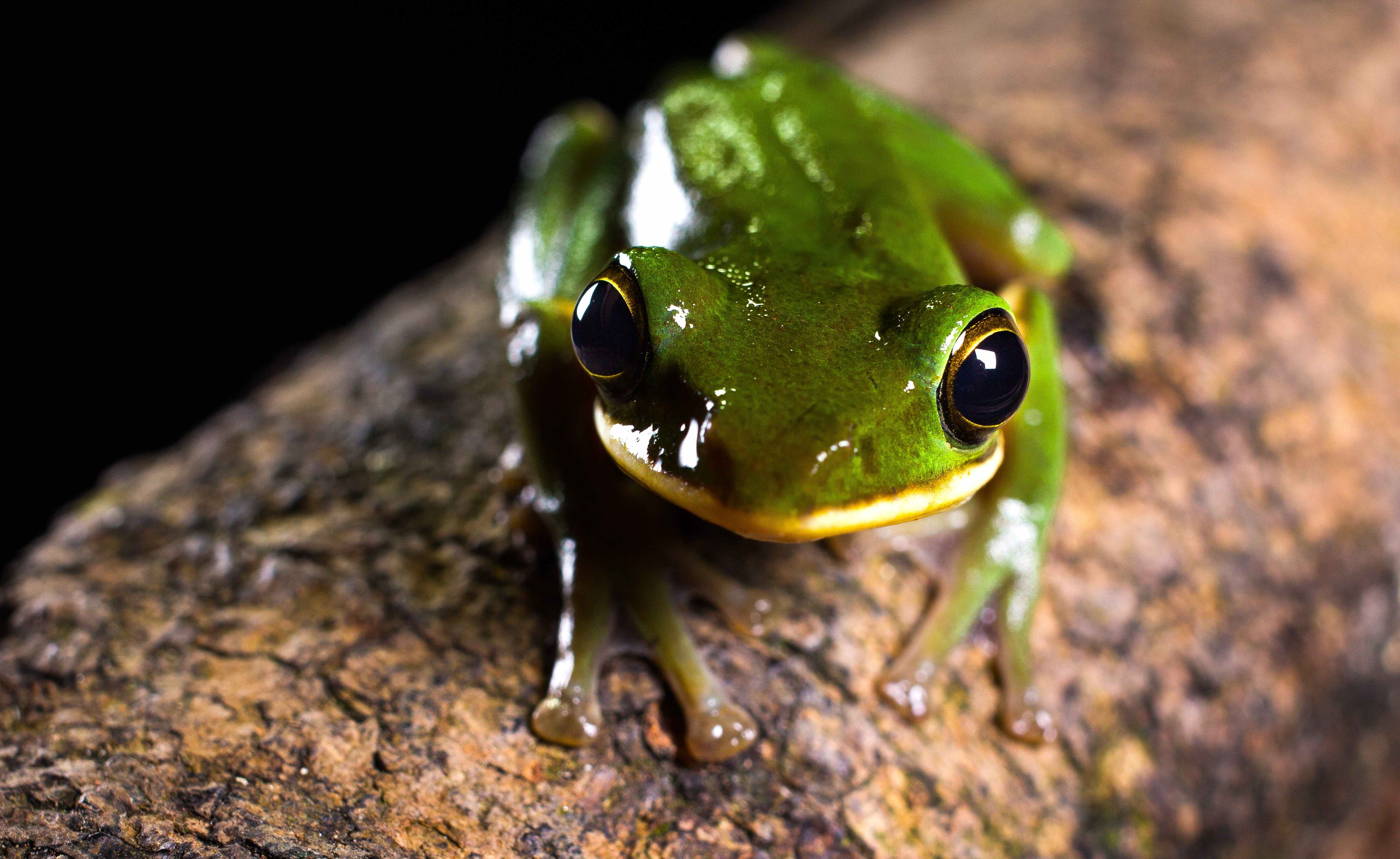
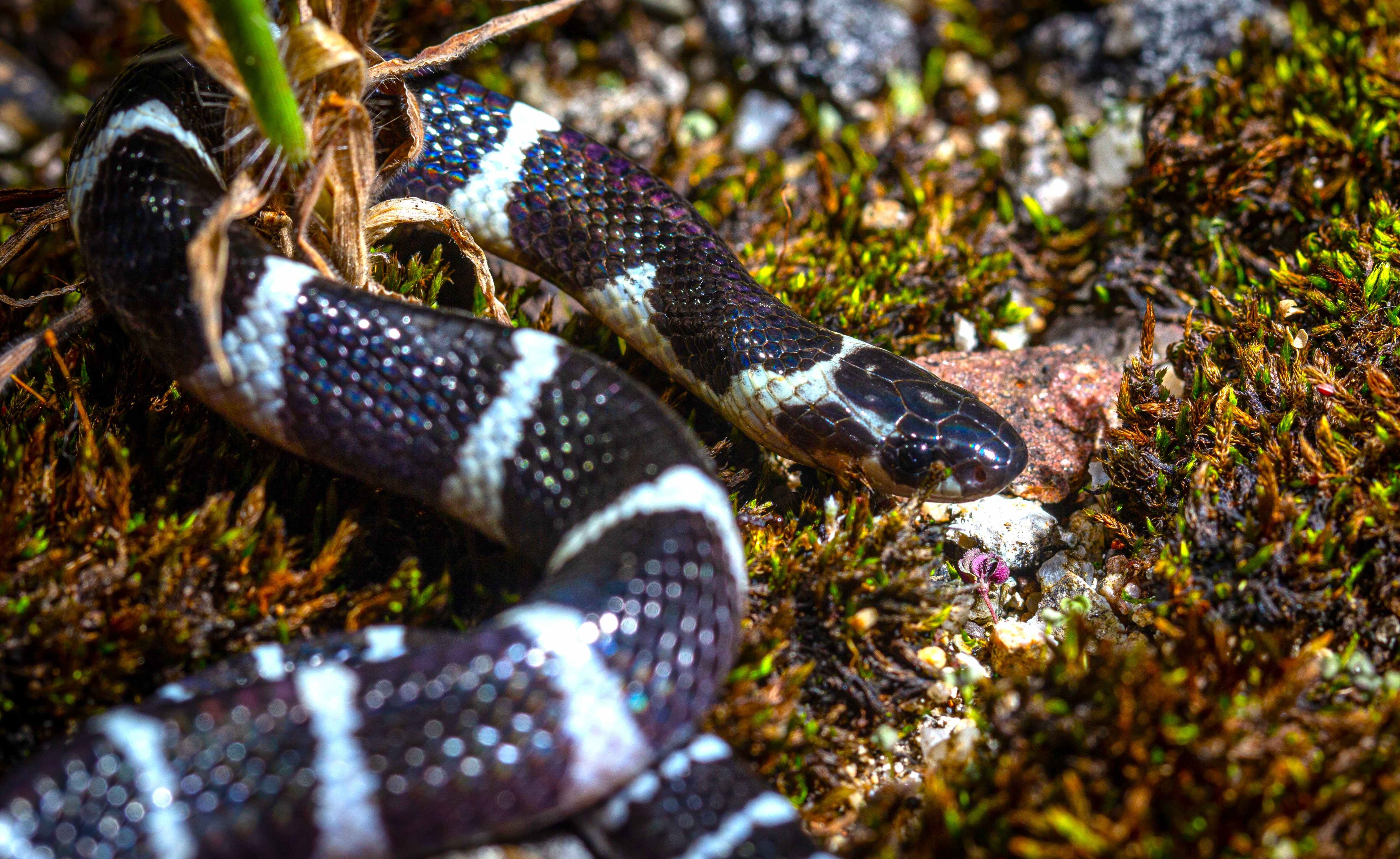
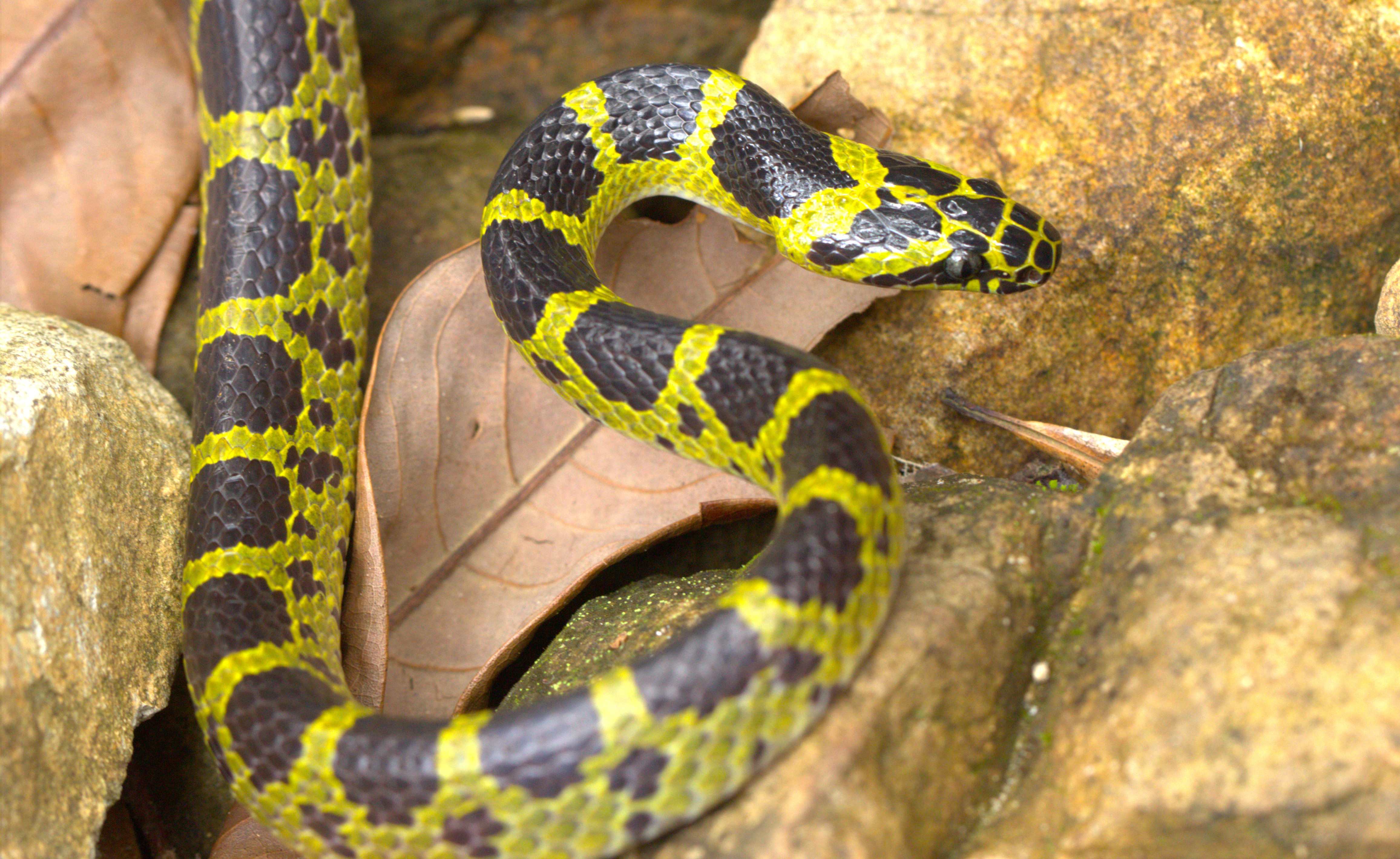
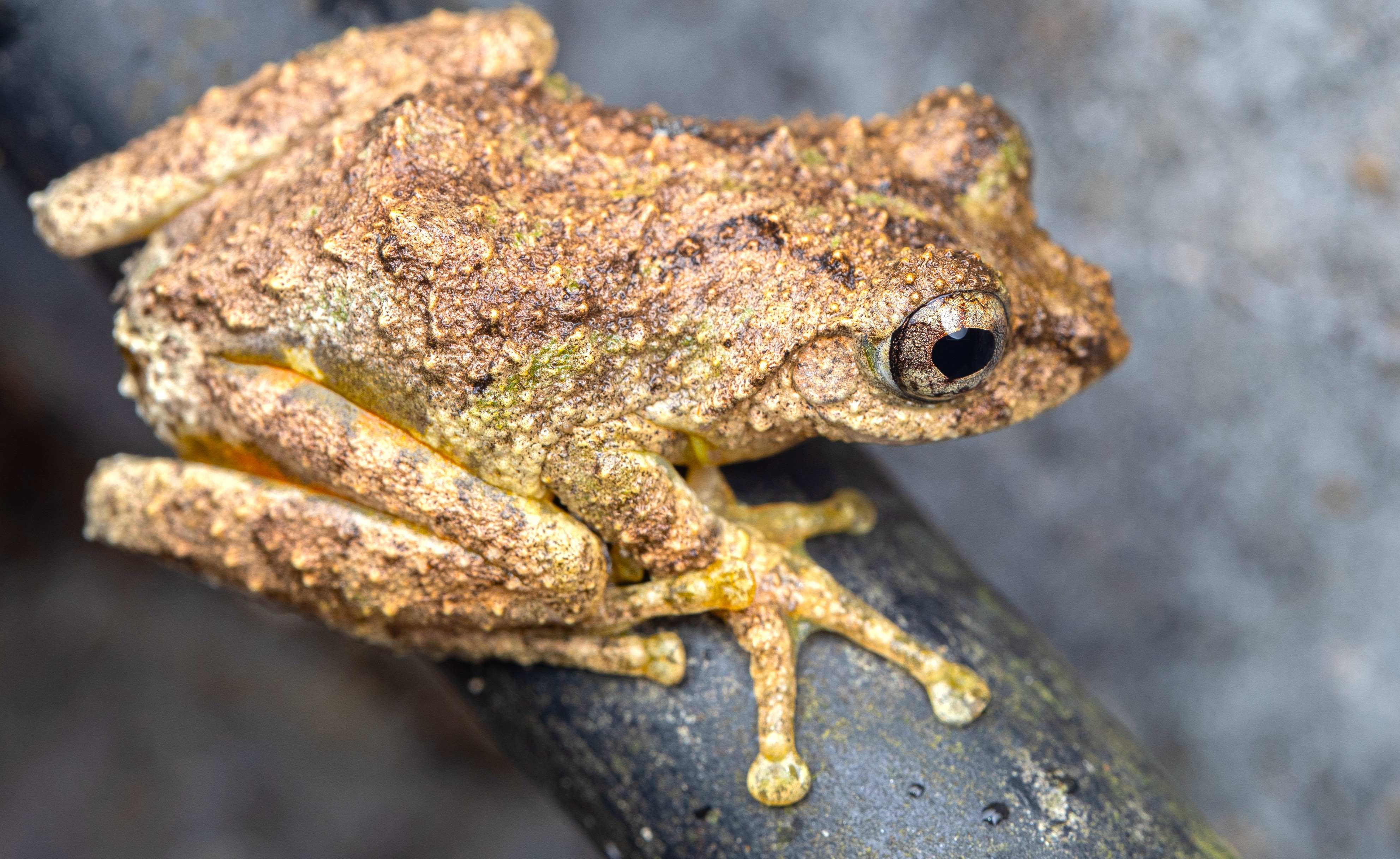
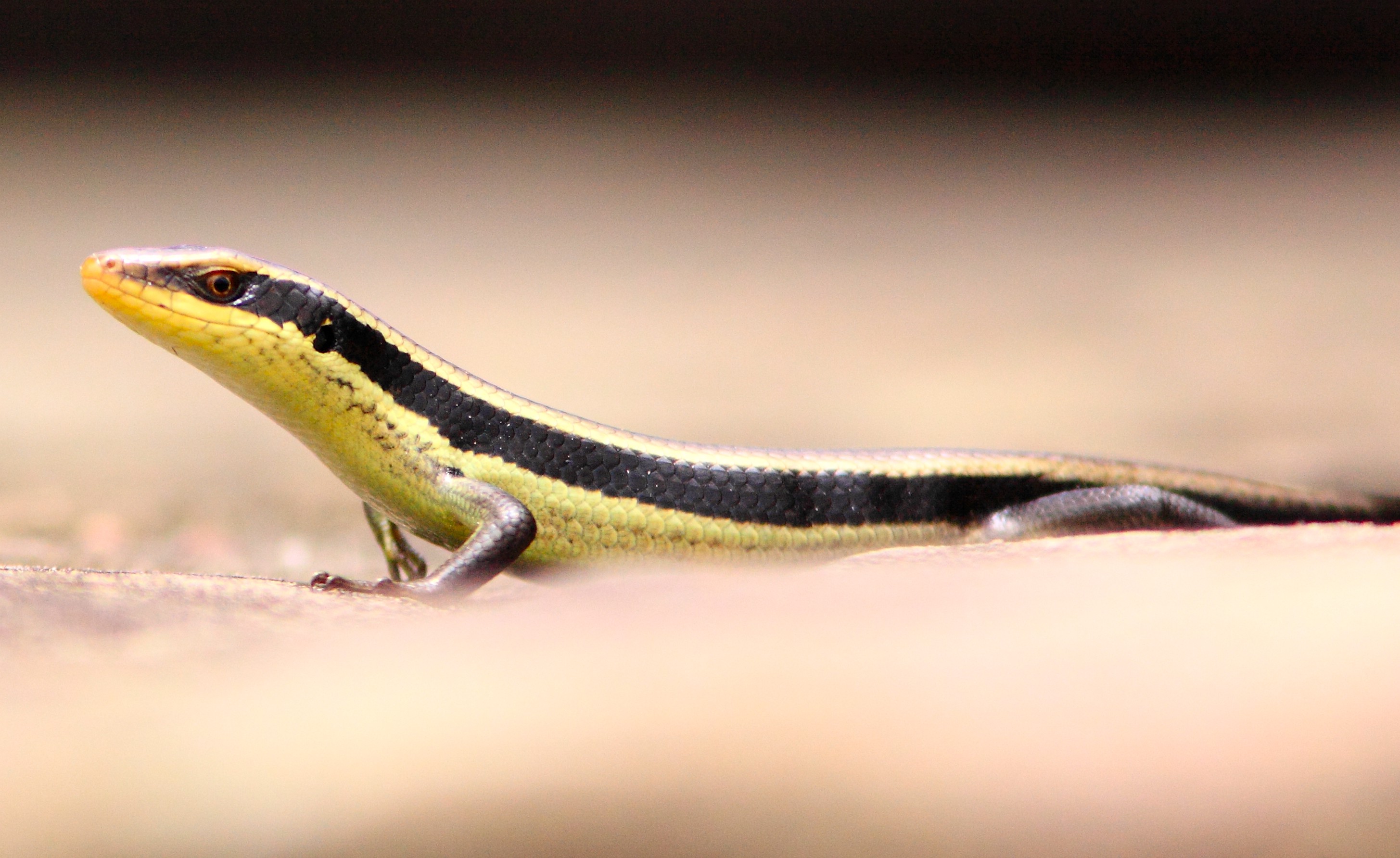
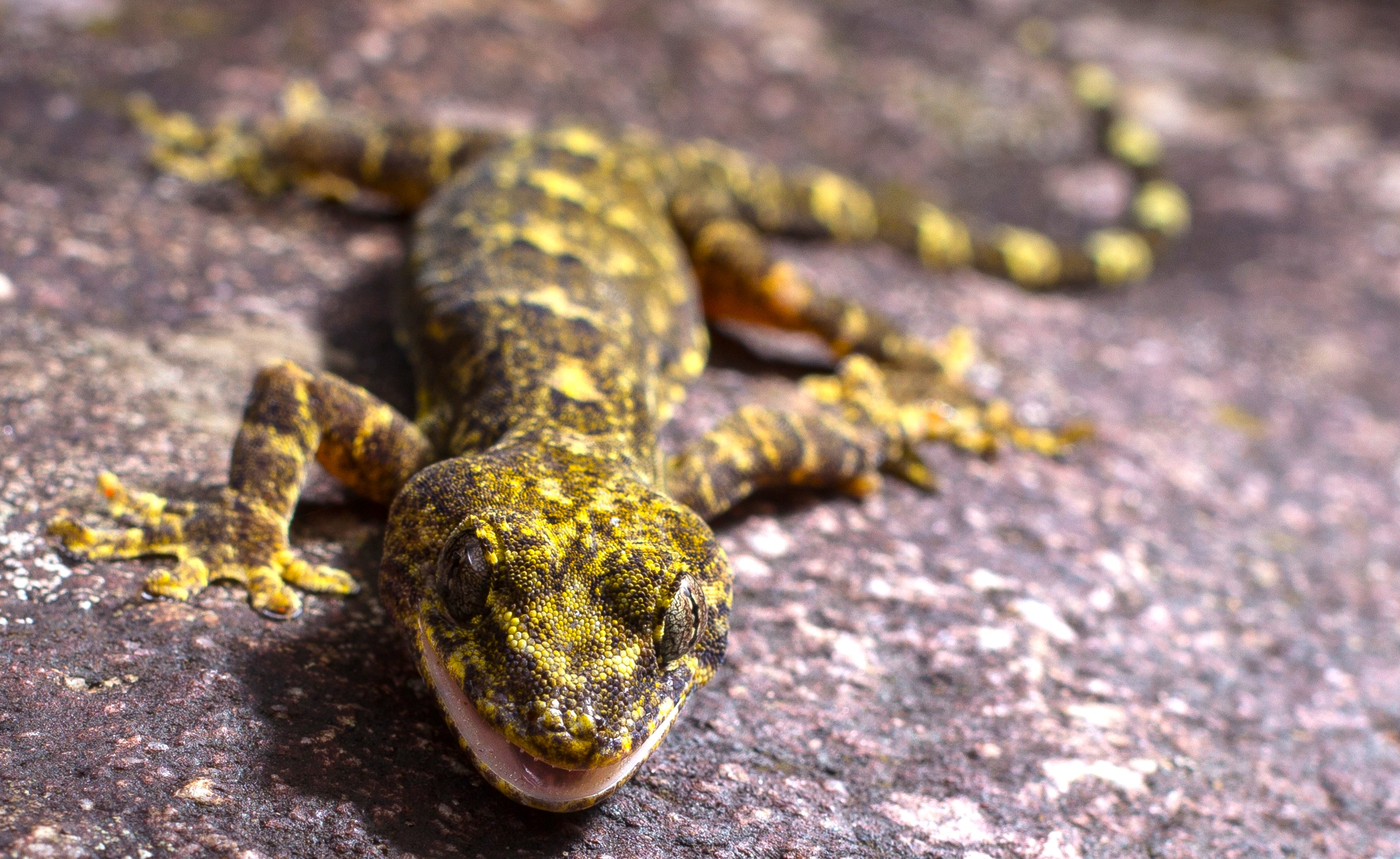
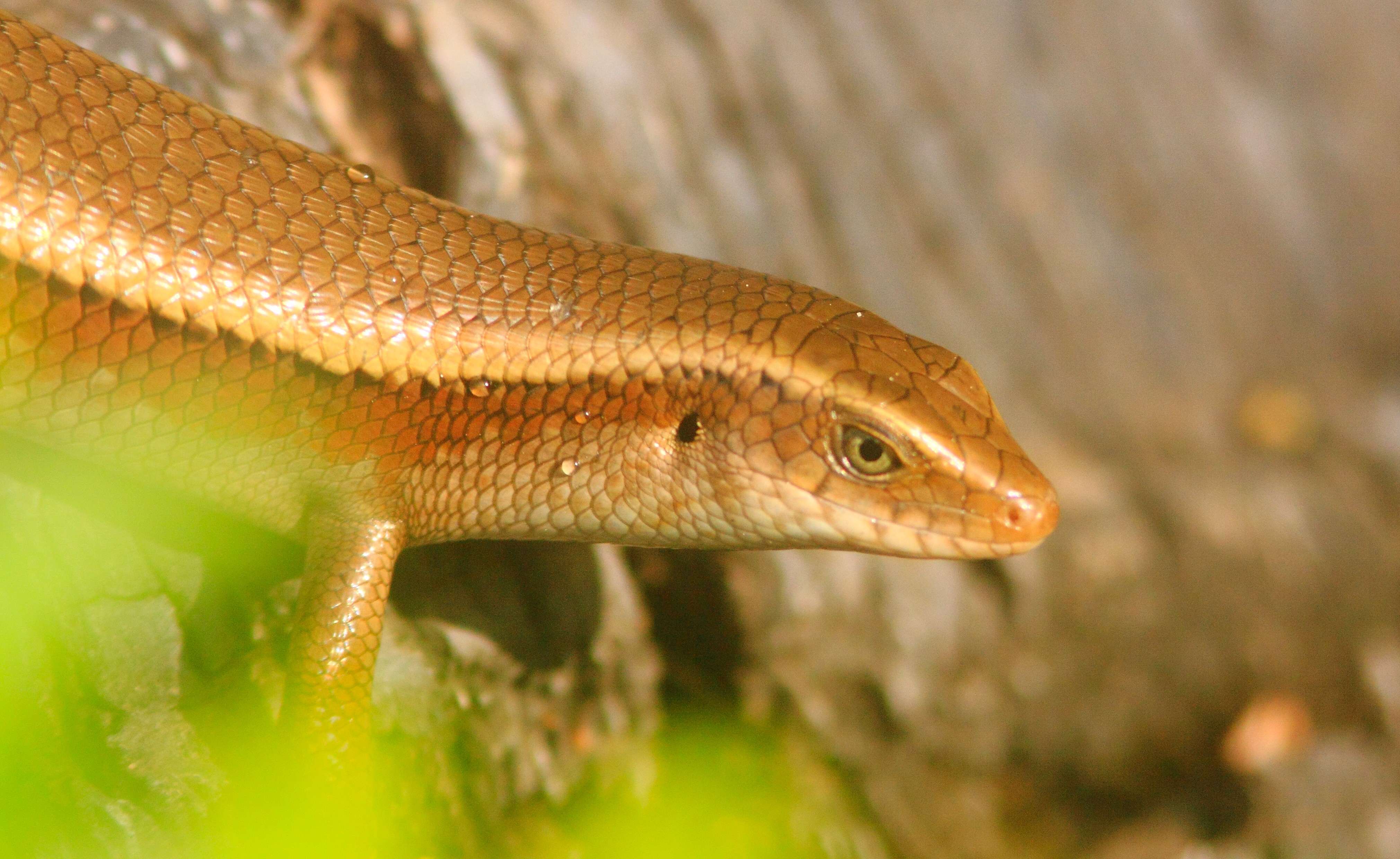
Destination: Xishuangbanna Dai Autonomous Prefecture, Yunnan Province (Menglun & Mengla Sections)
Focus: Arboreal Herpetofauna, Karst Endemics, & Tropical Mammals
Gateway City: Xishuangbanna Gasa International Airport
Overview
Descend into the best-preserved tropical rainforest oasis at 21°N for a vertical eco-expedition focusing on the “aerial and cliff-dwelling” inhabitants. Xishuangbanna is China’s only region with extensive tropical rainforest, where a complex canopy, karst outcrops, and three-dimensional stream valleys nurture a highly specialized arboreal and saxicolous herpetofauna. Breaking away from traditional ground-level herping, we turn our gaze upward to track Southeast Asian iconic flying lizards, cryptic karst geckos, and the vibrant SAPPHIRE-eyed tree frogs. As darkness falls, we prowl the forest floor for elite elapids and pit vipers, complemented by breathtaking encounters with Phayre’s Leaf Monkeys, Asian Elephants, and the elusive Leopard Cat. This is the ultimate immersive museum of tropical Asian biodiversity.
Best Time to Visit
Prime Season: May to July (Early Rainy Season). The first rains awaken the slumbering forest; amphibian choruses reach a crescendo, reptile activity peaks, and it is the optimal window for arboreal and saxicolous species.
Alternative Season: November to December (Dry/Cool Season). Comfortable temperatures, minimal leeches and mosquitoes, and stable weather make for extended, pleasant night drives and excellent opportunities to observe basking cold-blooded predators.
Highlights
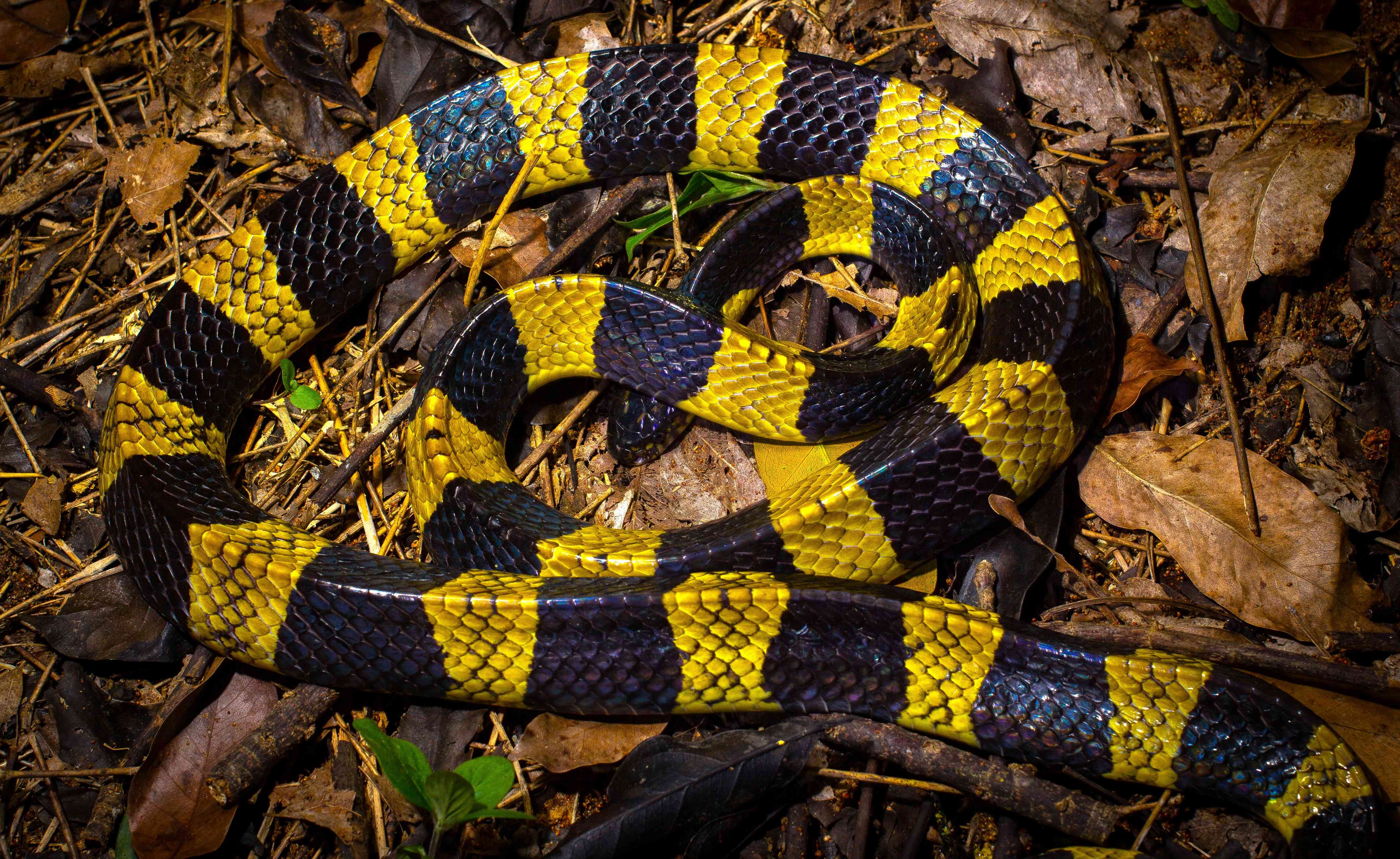
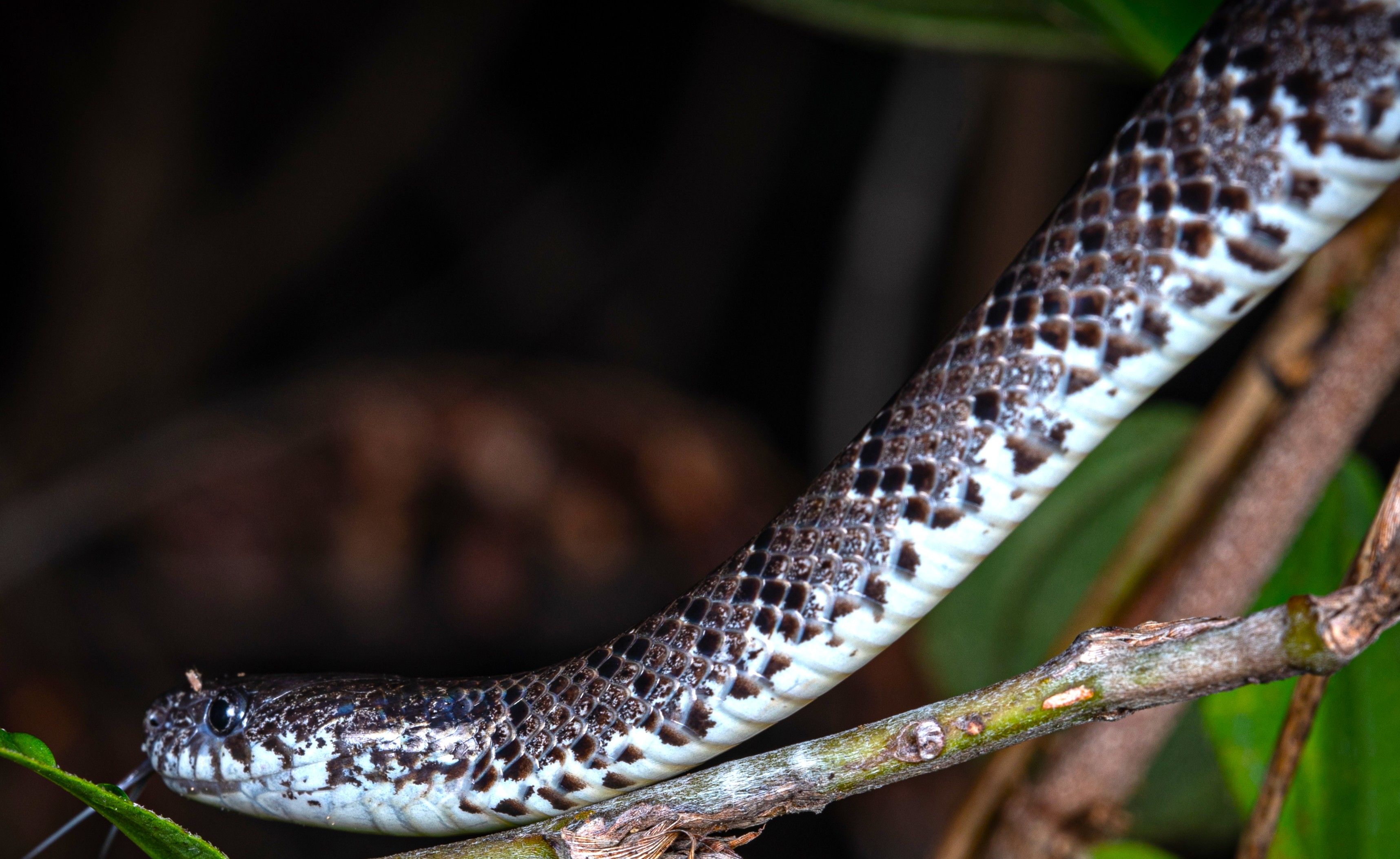
Kraits & Pit Vipers Nocturne: Safely observe the most iconic venomous snake assemblage of South China—Bungarus (Kraits) slithering through the undergrowth, alongside the photogenic White-lipped and Yunnan Tree Vipers.
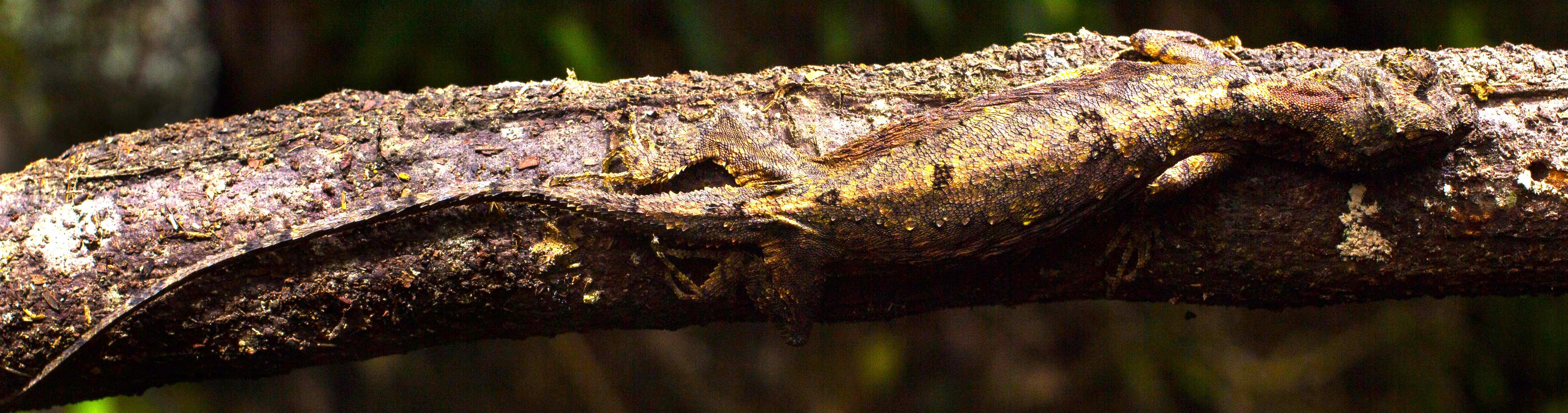
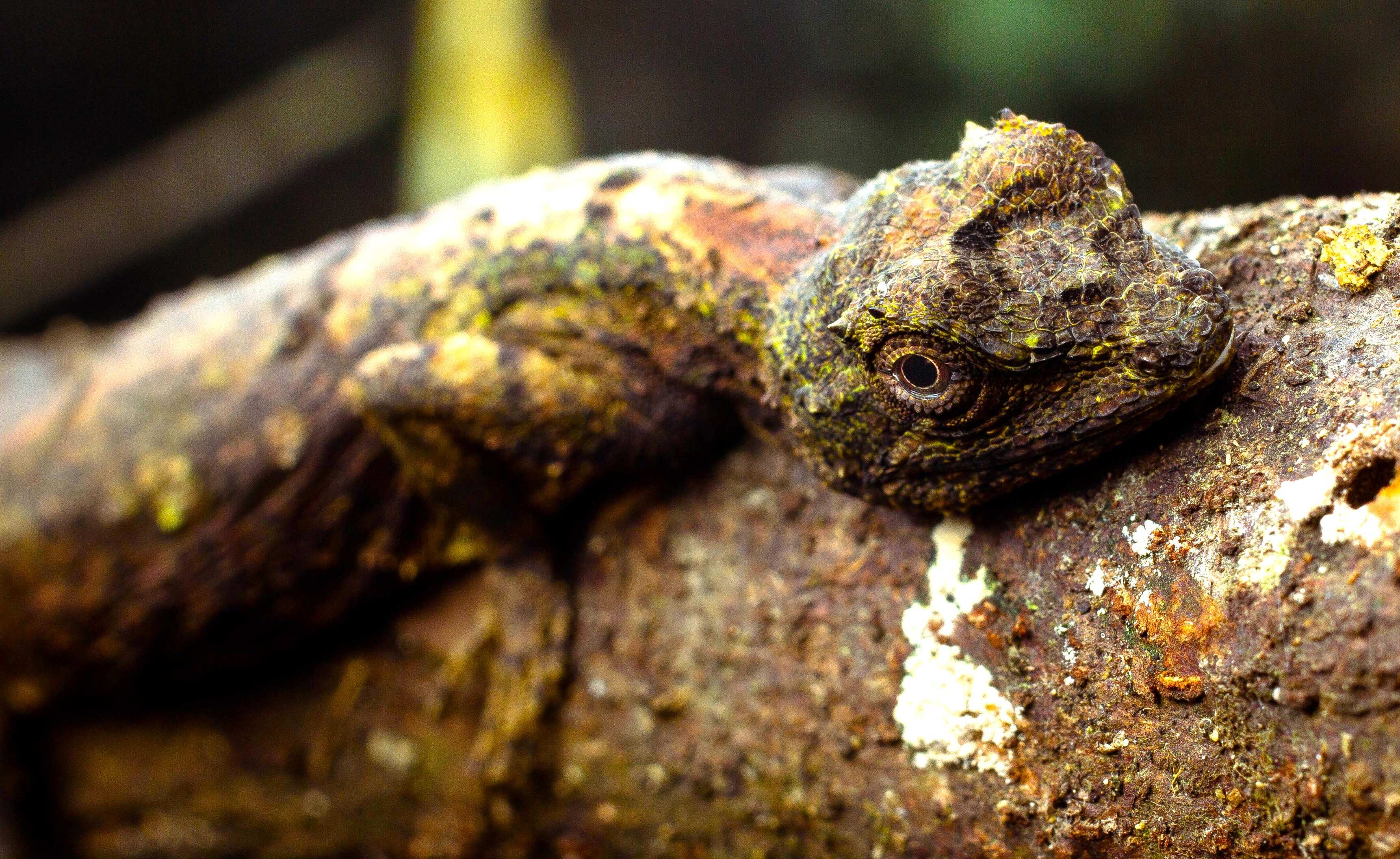
Canopy Gliders & Cliff Walkers: Witness the astonishing gliding flight of the Blanford’s Flying Dragon (*Draco maculatus*) between canopy giants; spotlight the specialized, vertically-oriented Karst Geckos on limestone faces.
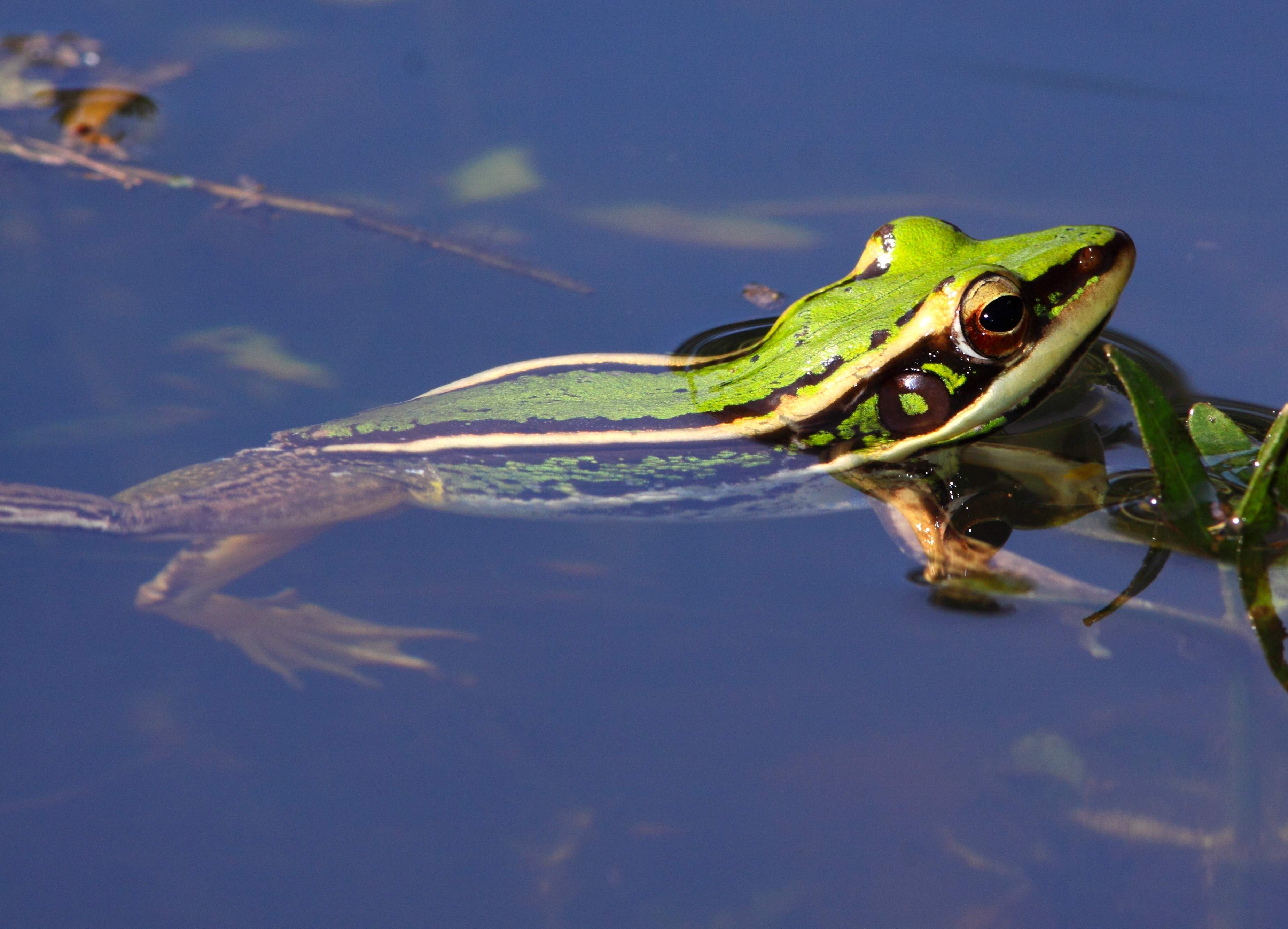
Rainforest Micro-Color Masters: Seek out the leopard-print camouflage of the Moustache Toad, the vibrant warning colors of the Black-band Frog, and the delicate SAPPHIRE hues of the White-cheeked Small Tree Frog.
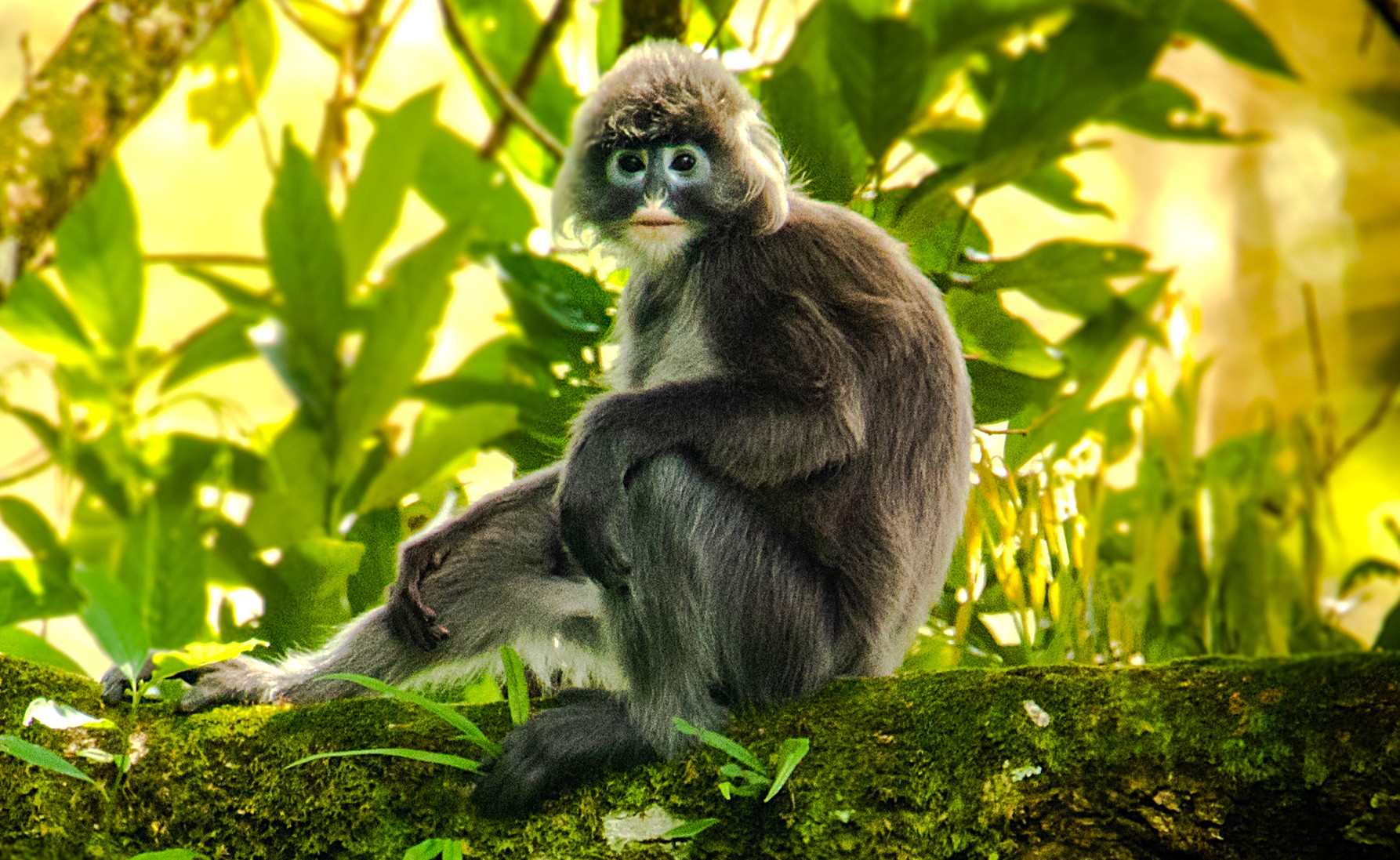
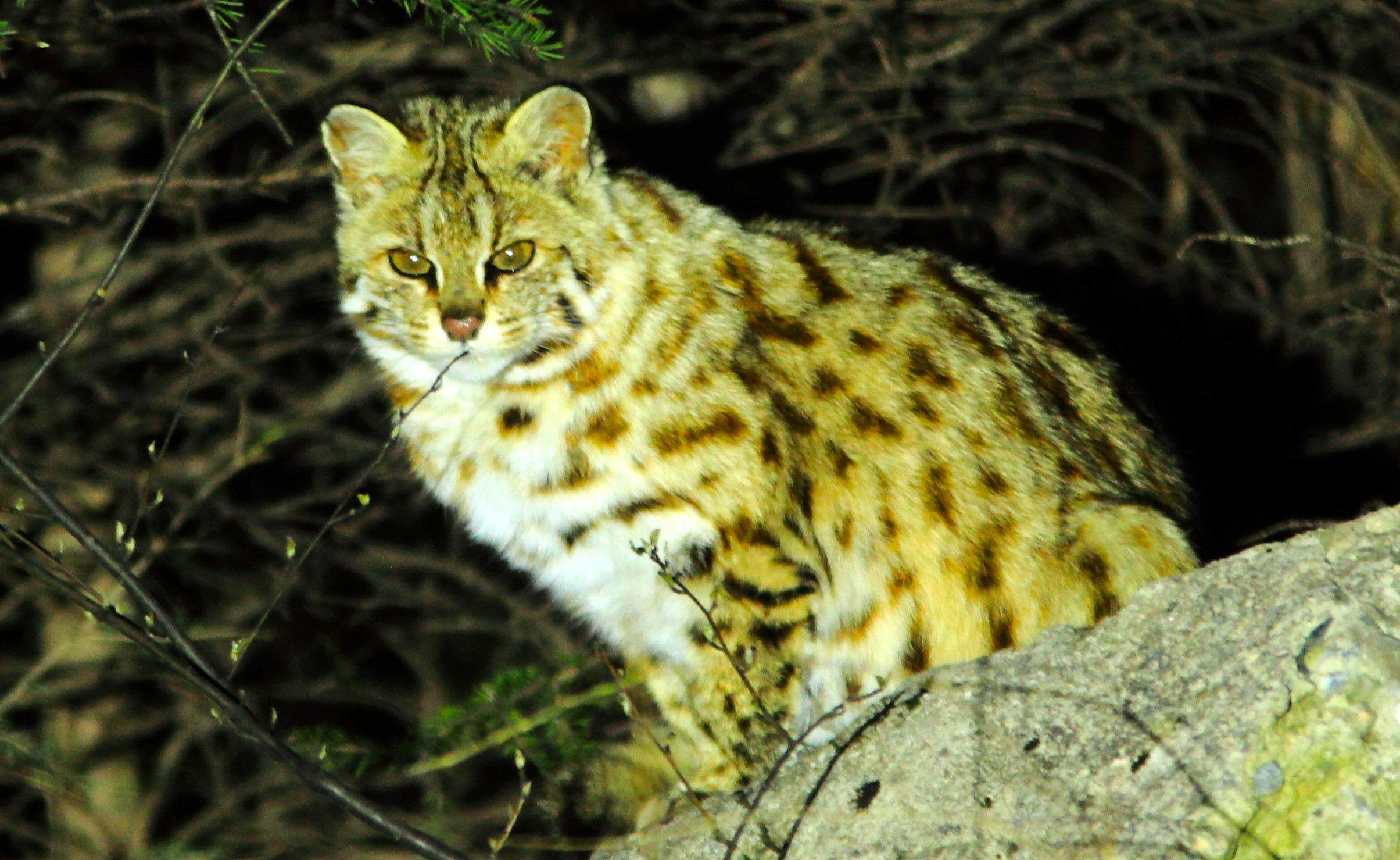
Megafauna & the Night Stalker: Track Phayre’s Leaf Monkeys in the morning mist, safely observe wild Asian Elephants, and spotlight the Asian “Mini-Leopard”—the Leopard Cat—after dark.
Day-by-Day Itinerary
Day 1: Arrival & Tropical Acclimation
Afternoon: Arrive at Xishuangbanna Gasa Airport. Transfer to Menglun Town (approx. 1.5h) and check into an eco-lodge near the botanical garden.
Evening: Orientation on rainforest safety (snakebite prevention, wasps, leeches) and tropical herp micro-habitats. Conduct an adaptive night walk along forest edges.
Target Species: Yunnan Scaly-toed Gecko (*Hemidactylus yunnanensis*), Southern Smooth Skink (*Scincella reevesii*), Asian Painted Frog (*Kaloula pulchra*).
Accommodation: Eco-lodge in Menglun.
Day 2: Canopy Symphony & Stream Valley Chorus
Morning: Enter the Wangtianshu (Skytree) primeval rainforest. Walk the aerial walkway to observe canopy diurnal lizards and scan for flying dragons.
Afternoon: Stream valley trekking, searching for specialized aquatic amphibians beneath riffles and scanning karst outcrops for saxicolous fauna.
Evening: Deep nocturnal trek focusing on leaf litter, vines, and riparian thickets.
Target Species: Blanford’s Flying Dragon (*Draco maculatus*), Karst Gecko (*Cnemaspis* sp.), White-lipped Tree Viper (*Trimeresurus albolabris*), Yunnan Tree Viper (*T. yunnanensis*), Black-band Frog (*Hylarana nigrovittata*).
Accommodation: Rainforest eco-lodge in Mengla.
Day 3: Primate Tracking & Micro-Habitat Exploration
Morning: Dawn excursion to a Phayre’s Leaf Monkey sanctuary to observe foraging troops, alongside morning bird and lizard activity.
Afternoon: Survey the karst-rainforest ecotone around Mengyuan, where limestone topography intersects with tropical moisture to create unique micro-habitats.
Evening: Targeted search for arboreal snakes and nocturnal mammalian predators.
Target Species: Phayre’s Leaf Monkey, Green Vine Snake (*Ahaetulla prasina*), Slug-eating Snakes (*Pareas* spp.), White-cheeked Small Tree Frog (*Rohanixalus palpebralis*), Leopard Cat (*Prionailurus bengalensis* - requires luck).
Accommodation: Eco-lodge in Mengyuan or Menglun.
Day 4: Elephant Realms & Wetland Herping
Morning: Visit ecological corridors frequented by Asian Elephants (wild observation from safe distances, tracking signs and birds).
Afternoon: Transfer to the wetland-agriculture matrix of Menghai, a drastically different habitat hosting unique herpetofauna assemblages.
Evening: Marshland and meadow night drive/survey for aquatic snakes and explosive frog aggregations.
Target Species: Asian Elephant (tracks/seasonal sightings), Checkered Keelback (*Fowlea piscator*), Ornate Flying Snake (*Chrysopelea ornata* - rare), Moustache Treefrog (*Kurixalus odontotarsus*).
Accommodation: Boutique hotel in Menghai or Jinghong.
Day 5: Botanical Garden Microcosm & Night Giants
Morning: Return to Menglun for a rainforest hike within the Xishuangbanna Tropical Botanical Garden (XTBG), leveraging its exceptional vegetation cover for diurnal herping.
Afternoon: Rest and photo editing. Late afternoon stakeout along the Luosuo River for waterbirds and monitor lizards.
Evening: Dedicated XTBG night tour focusing on artificial phytotelma micro-habitats and lotus-leaf ambush predators.
Target Species: Water Monitor (*Varanus salvator* - rare), Red-webbed Treefrog (*Rhacophorus rhodopus*), Chinese Cobra (*Naja atra*), Tokay Gecko (*Gekko gecko* - vocal), Banded/Kraits (*Bungarus* spp. - requires luck), Leopard Cat.
Accommodation: Eco-lodge in Menglun.
Day 6: Final Glides & Departure
Morning: Final dawn herping session to fill photographic gaps, targeting common skinks and lizards around village edges.
Afternoon: Transfer to Xishuangbanna Gasa International Airport for departure.
Target Species: Blanford’s Flying Dragon (makeup shots), Many-lined Sun Skink (*Eutropis multifasciata*).
Accommodation: N/A
FAQ
Q1: Is night herping in the Xishuangbanna rainforest dangerous? How do you mitigate risks?
A: The tropical rainforest has high biodiversity, including venomous snakes (vipers, kraits) and stinging insects. We strictly enforce a “No Touch, No Harass” policy. All groups are led by expert local guides who clear the path, and we provide knee-high rubber boots and leech socks. By following guide instructions and never blindly reaching into leaf litter or rock crevices, risks are entirely manageable.
Q2: Can we guarantee sightings of Asian Elephants and Leopard Cats?
A: Both are iconic but wide-ranging mammals with unpredictable movements. Elephants are observed from safe, designated corridors and require seasonal luck. Leopard Cats have stable territories around XTBG and secondary forests, yielding relatively high encounter rates during night drives, but they are wild animals and sightings cannot be 100% guaranteed.
Q3: How reliable are Water Monitor (*Varanus salvator*) sightings?
A: As a Class I protected species heavily impacted by habitat loss, wild Water Monitors have low encounter rates. We target riparian zones where they leave tracks, and early morning basking individuals are occasionally spotted. We treat them as a premier bonus, not a baseline guarantee.
Q4: What camera gear is recommended?
A: For arboreal species (Flying Dragons, Vine Snakes) often 3-10m above ground, a versatile telephoto lens (e.g., 100-400mm) is crucial. For nocturnal frogs and terrestrial snakes, a macro lens (90-105mm) with a twin flash or ring flash is standard. High-ISO camera bodies are recommended for fast-moving, low-light mammal subjects like Leopard Cats.
Q5: Does the rainy season hinder the experience?
A: No, the early rainy season (May-July) is when the rainforest is most alive. Showers are usually brief, and the post-rain period is precisely when amphibians and reptiles are most active. We dynamically adapt our schedule to weather patterns; with proper waterproof gear, this is the premier time for tropical herping.
Q6: Is searching for Kraits dangerous?
A: *Bungarus* (Kraits) possess potent neurotoxic venom and are highly secretive. We search for them strictly on open trails or stream banks at night—never by flipping rocks or rummaging through deep leaf litter. All observation and photography are conducted at a safe distance (2+ meters), and we strictly prohibit hooking, handling, or flashing direct light into their eyes.
Thanks for helping us to fill the following form about your personal preferences. This information you provide can help us to plan the best trip especially for you.




Copyright © 2026 • China Wildlife Tour All Rights Reserved Safari in Cina
 中文
中文