
(+86)133 8819 6153
info@chinawildlifetour.com

Price from $ 1499/pax for group of 4-8 pax May 08, 2027
Destination: Wuyishan National Park, Fujian Province
Focus: Amphibian Endemism, Pit Vipers, & Subtropical Avifauna
Gateway City: Nanping (High-speed Railway) / Wuyishan Airport
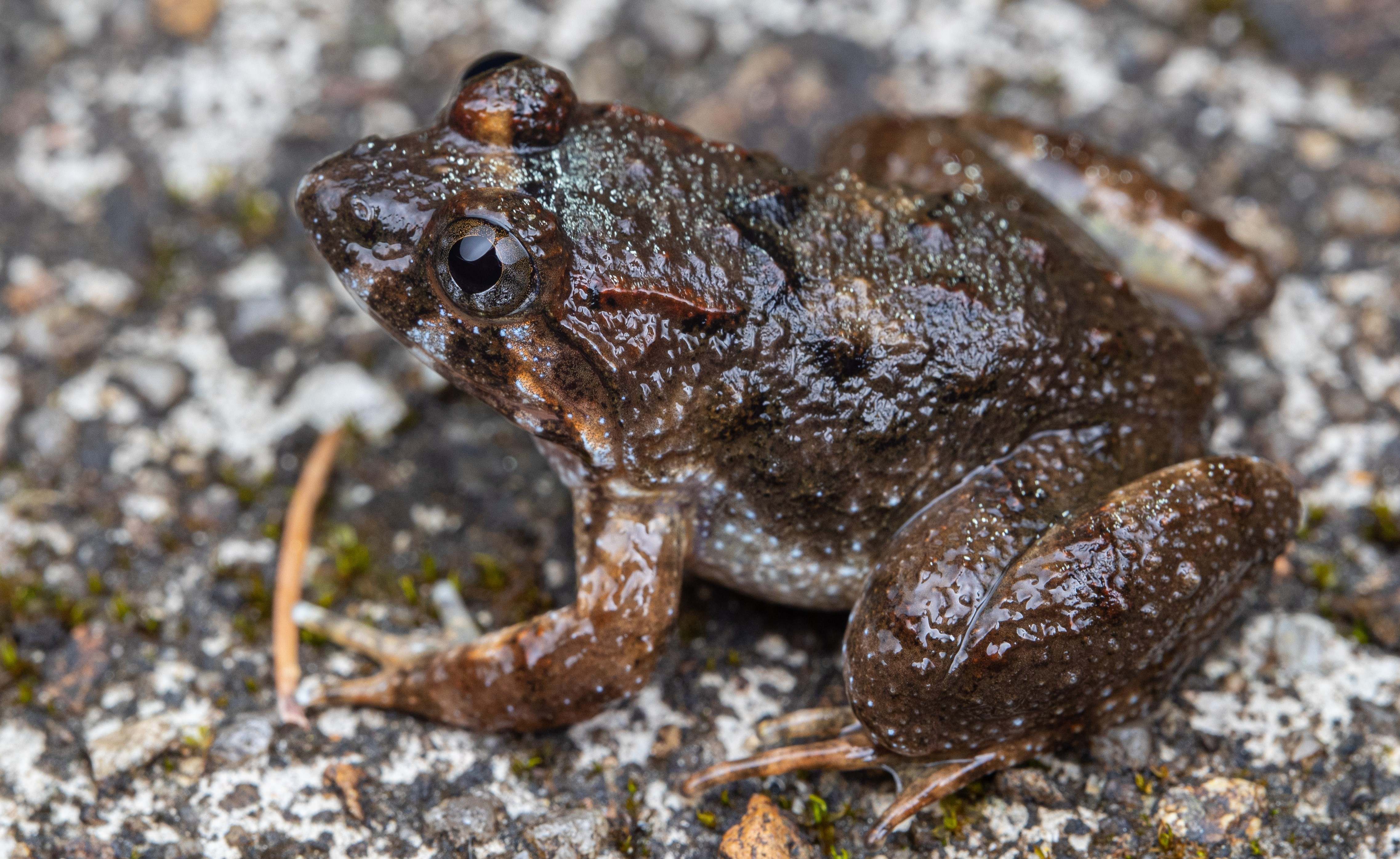
Journey into the “Kingdom of Snakes” and a UNESCO World Heritage site renowned as a global biodiversity hotspot. Wuyishan serves as a type locality for countless species, making it a pilgrimage site for naturalists. This expedition delves into pristine subtropical evergreen broadleaf forests and crystal-clear stream ecosystems. We target a high concentration of endemic amphibians and elusive reptiles, including the peculiar Kwangtung Spiny-bellied Frog (*Quasipaa boulengeri*) and various pit vipers, while enjoying world-class birdwatching in one of China’s best-preserved terrestrial ecosystems.
Prime Season: May to June (Breeding Season). The forests echo with frog choruses, and reptile activity peaks.
Alternative Season: September to October (Autumn). Stable weather offers excellent opportunities for snake observation as they prepare for winter brumation.
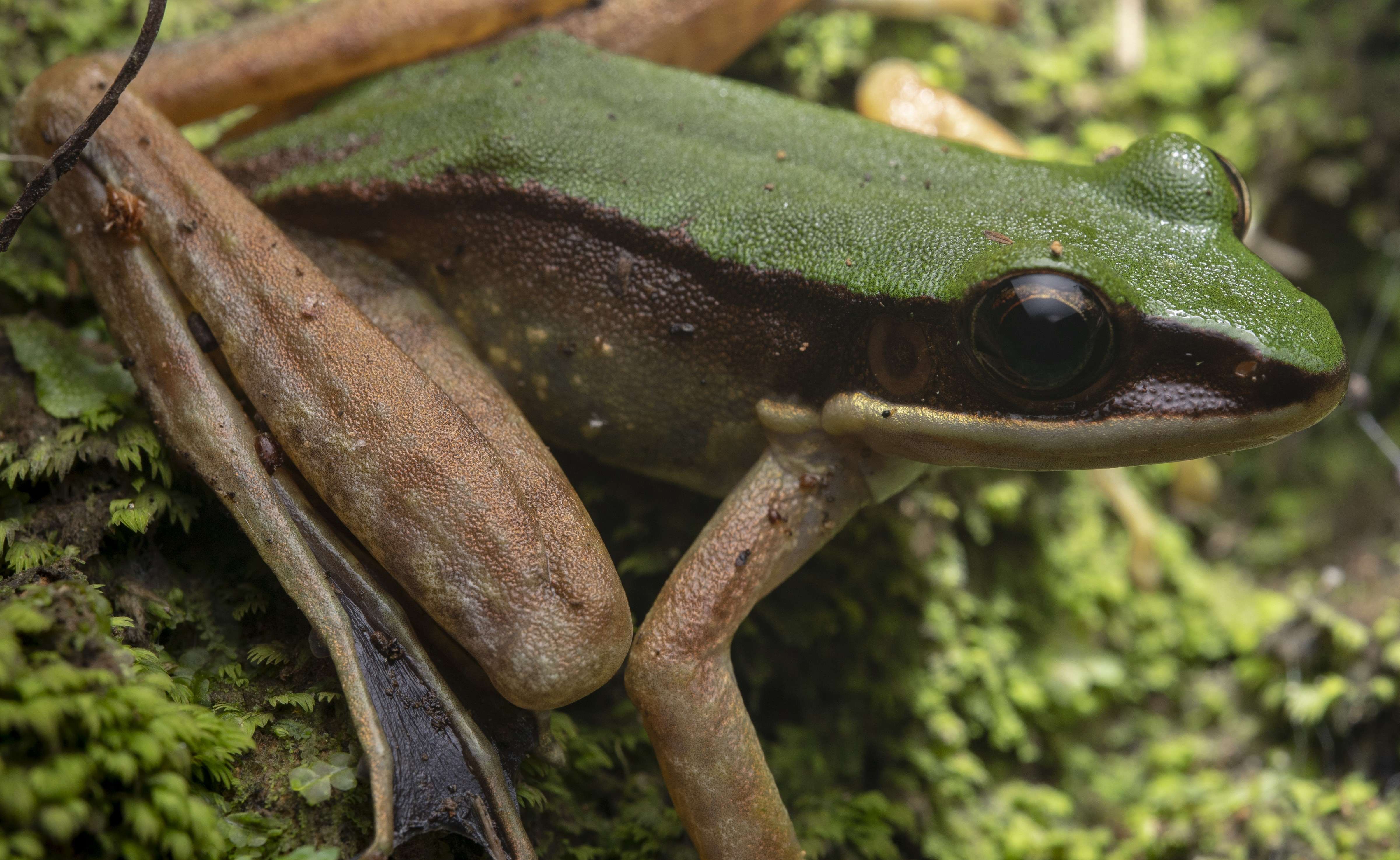
The “Mustache” Frog: A targeted search for the Kwangtung Spiny-bellied Frog (*Quasipaa boulengeri*) and the bizarre Chong’an Moustache Toad (*Vibrissaphora liui*), known for the males’ keratinous spines during mating season.
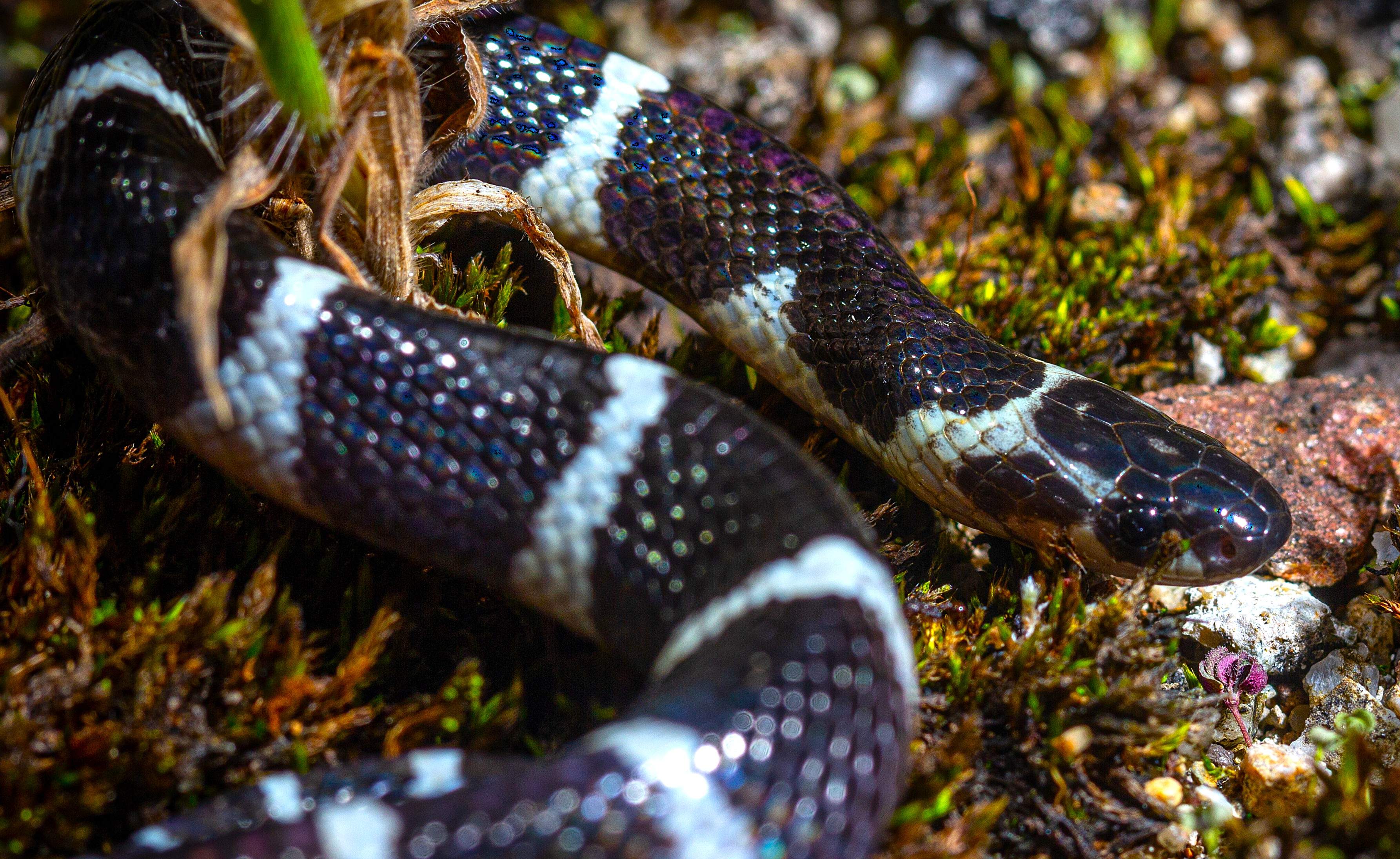
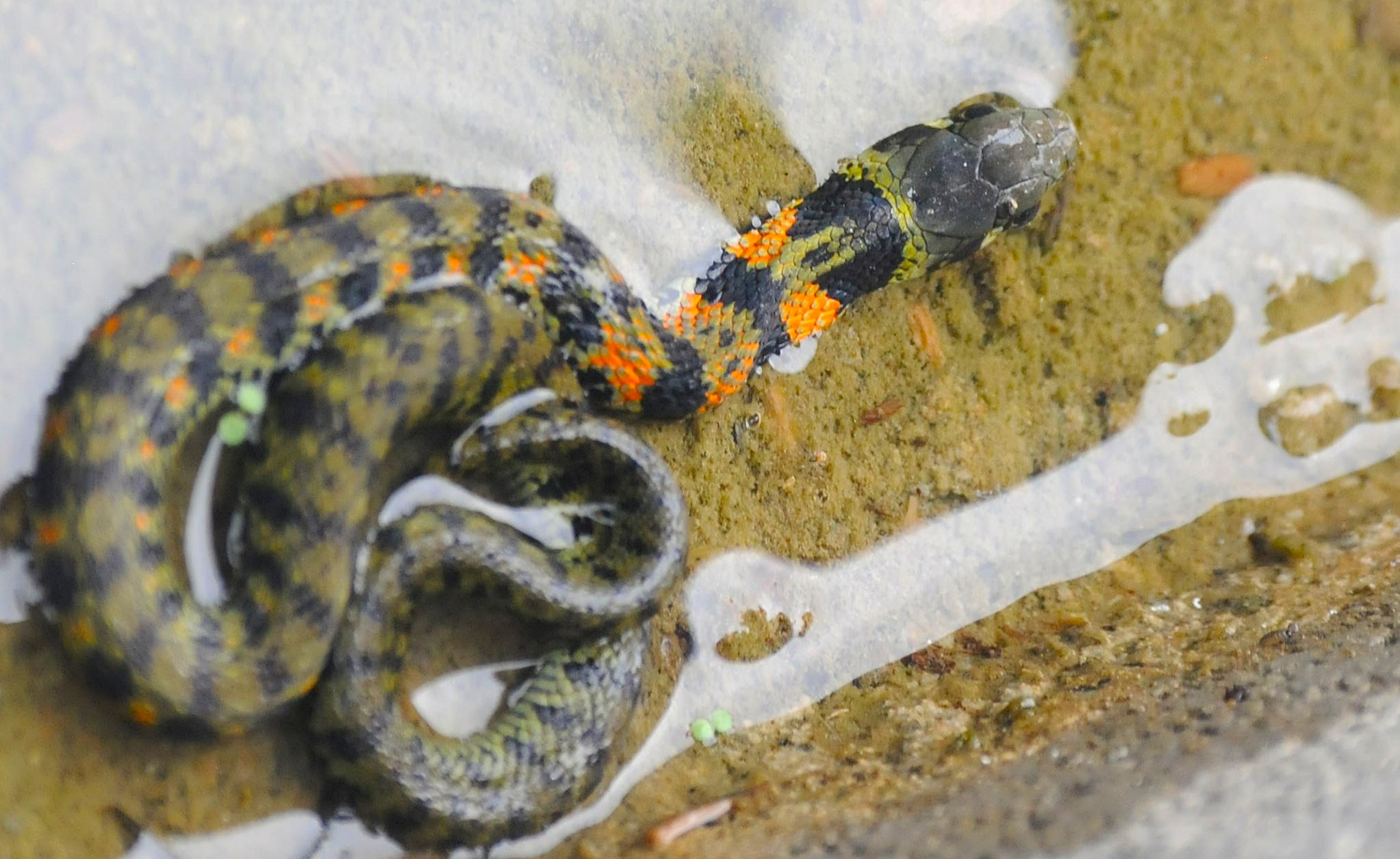
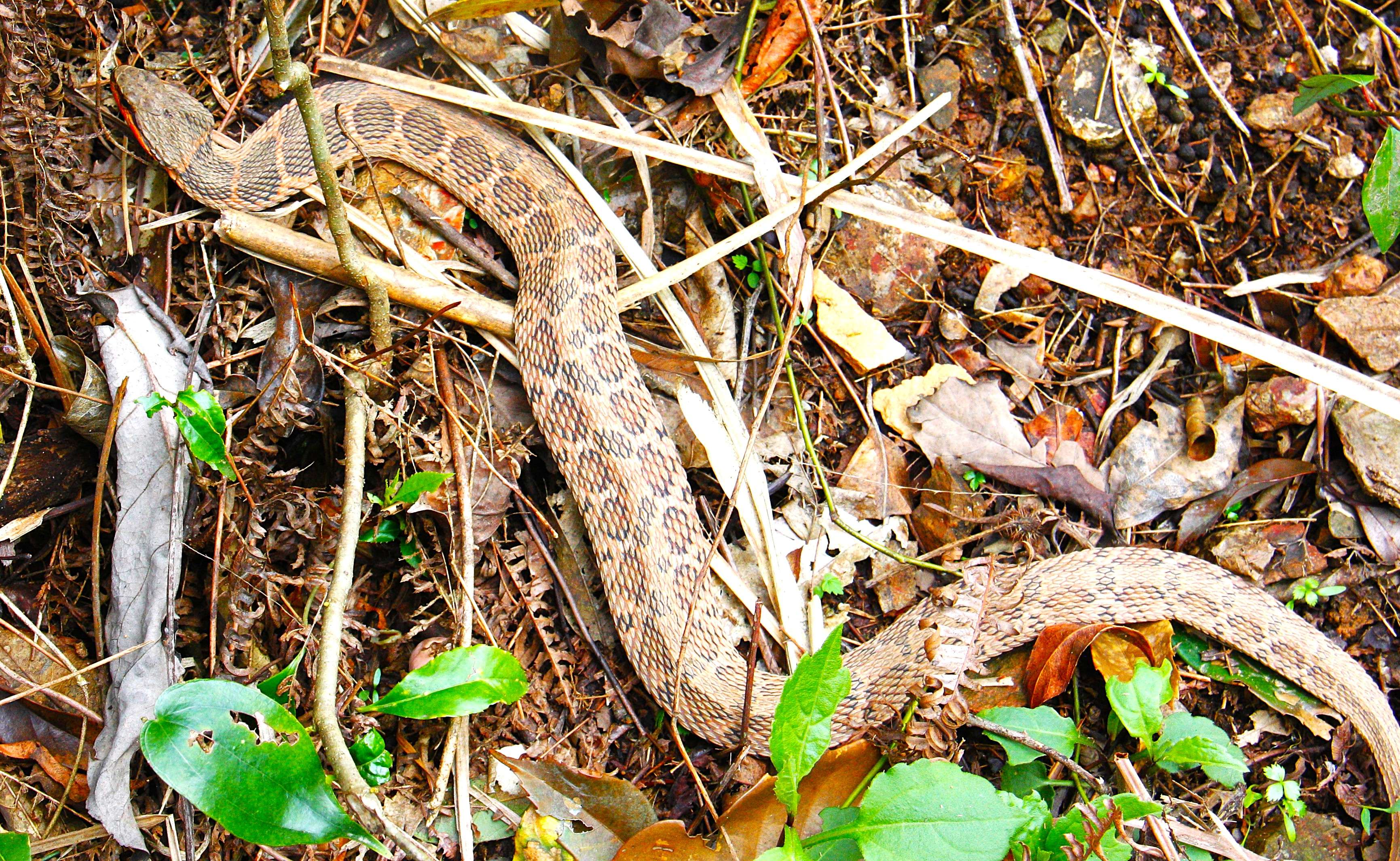
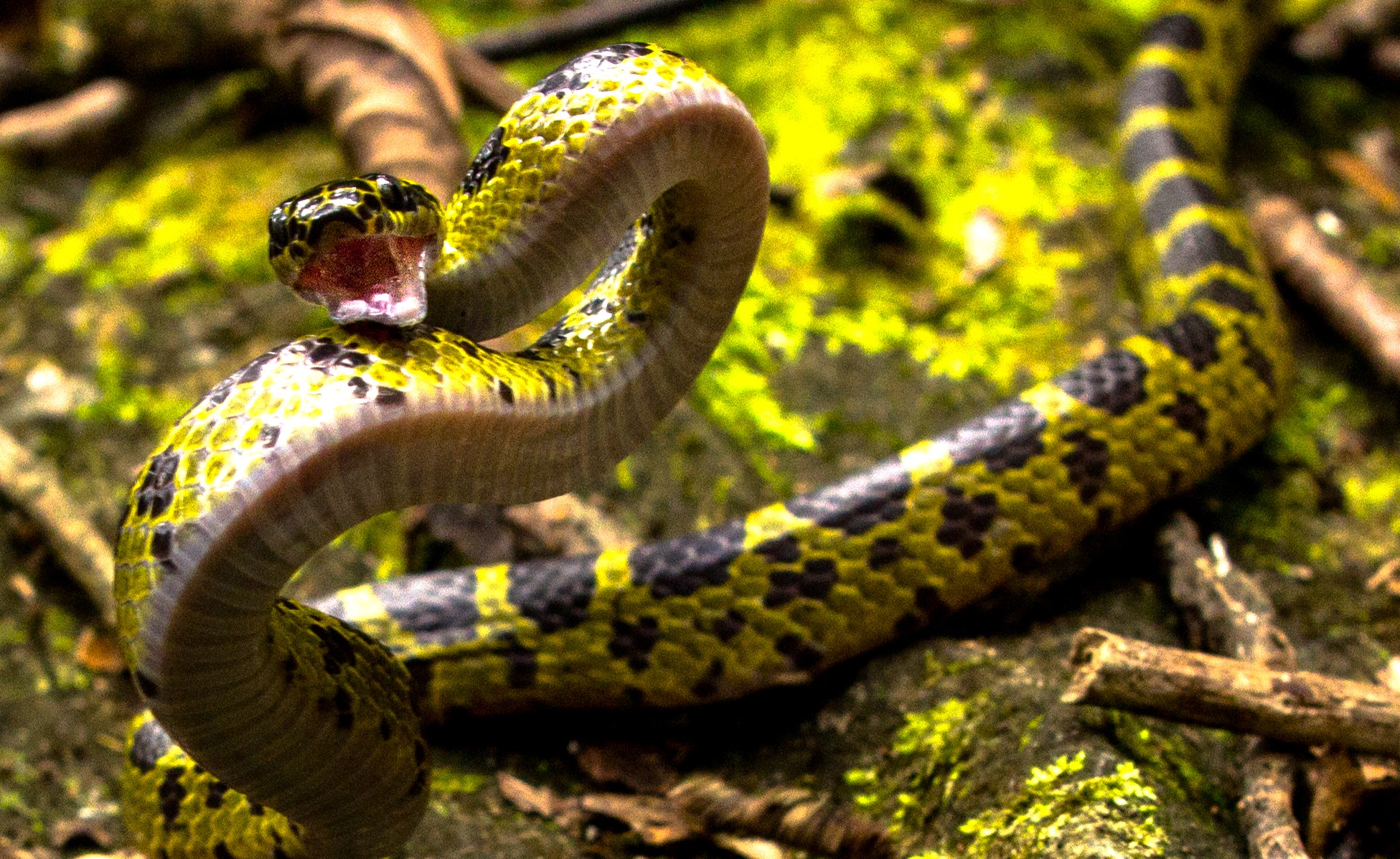
Pit Viper Diversity: Encounter venomous beauties such as the Hundred-pace Viper (*Deinagkistrodon acutus*) and Stejneger’s Bamboo Viper, observed safely under expert guidance.
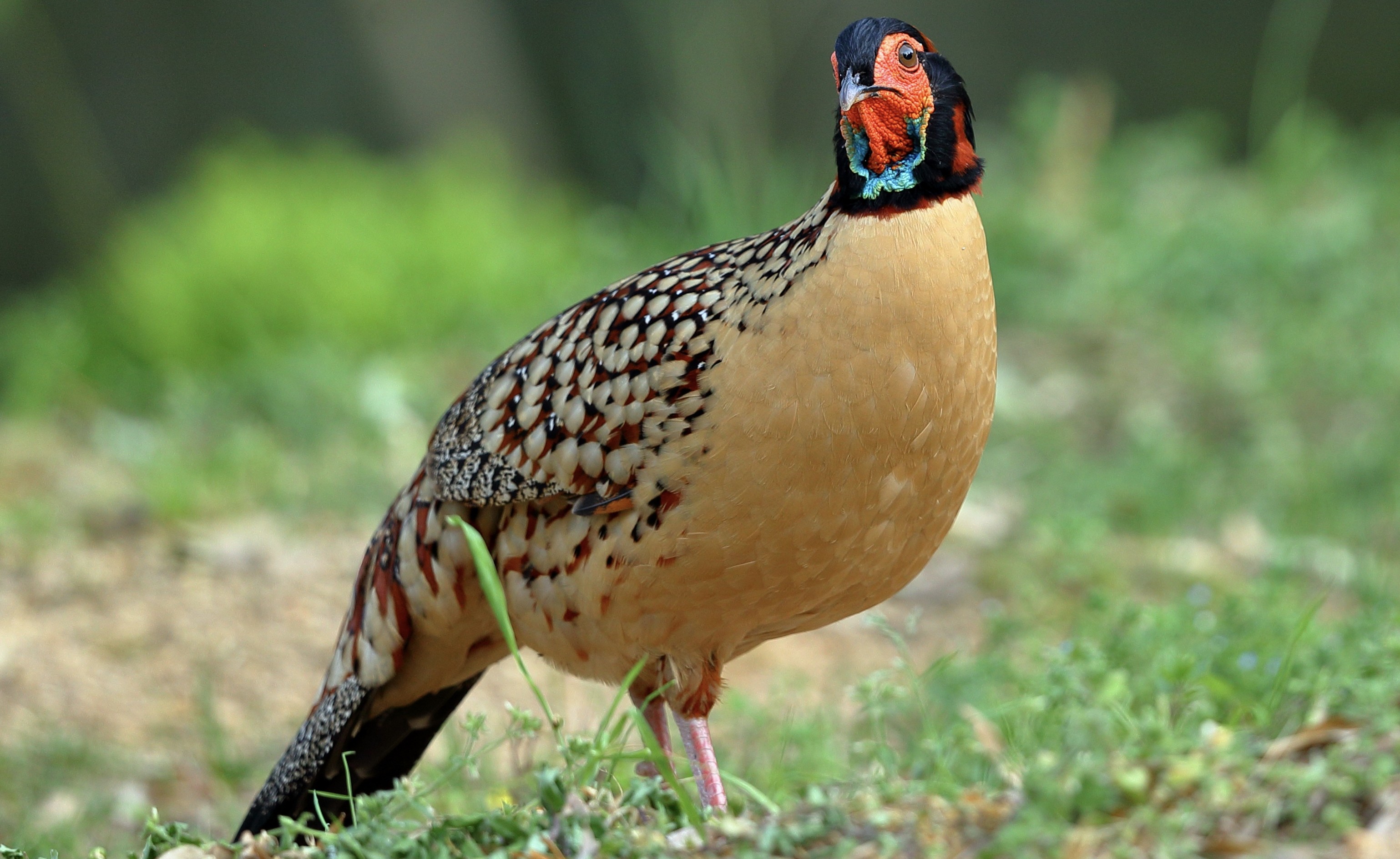
Avian Gems: Spot the miniature White-legged Falconet perched on bare treetops and the elusive Cabot’s Tragopan in the dense understory.
Type Locality Exploration: Walk the historic trails of “Dazhulan” and “Guadun,” areas that have defined the study of Asian herpetology for over a century.
Day 1: Arrival & Adaptation
Afternoon: Arrive at Nanping or Wuyishan. Transfer to an eco-lodge situated on the fringe of the protected area (approx. 300m elevation).
Evening: Orientation session on herpetology safety and field ethics. Conduct an adaptive night walk along forest-edge streams.
Target Species: Asian Painted Frog (*Kaloula pulchra*), Kuatun Frog (*Odorrana kuangwuensis*), and nocturnal arachnids.
Accommodation: Eco-lodge near the reserve boundary.
Day 2: The Amphibian Symphony
Early Morning (06:00-09:00): Birdwatching peak. Scan the canopy for White-legged Falconets and Silver Pheasants.
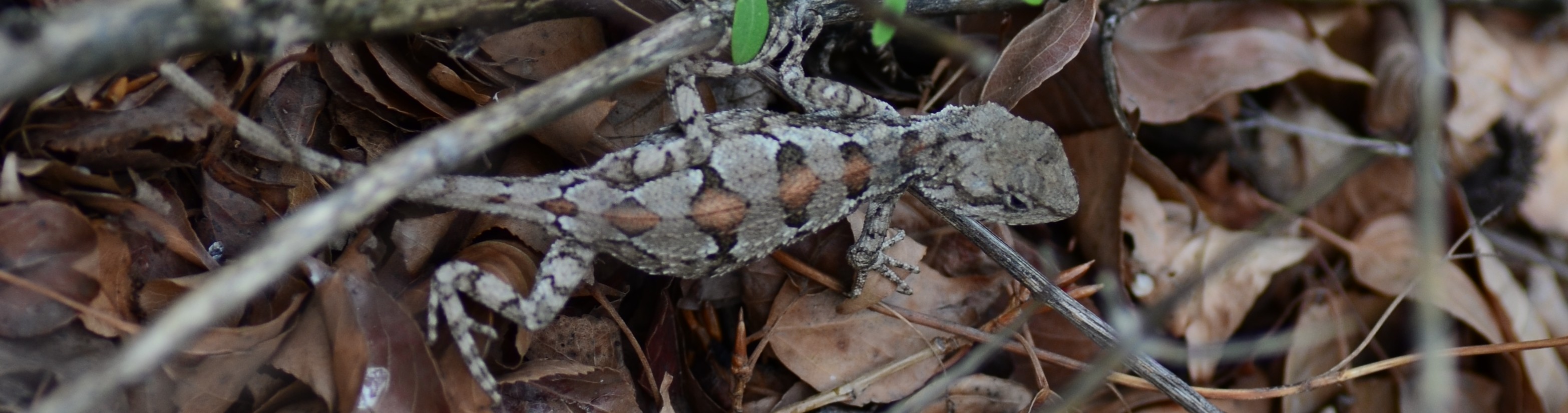
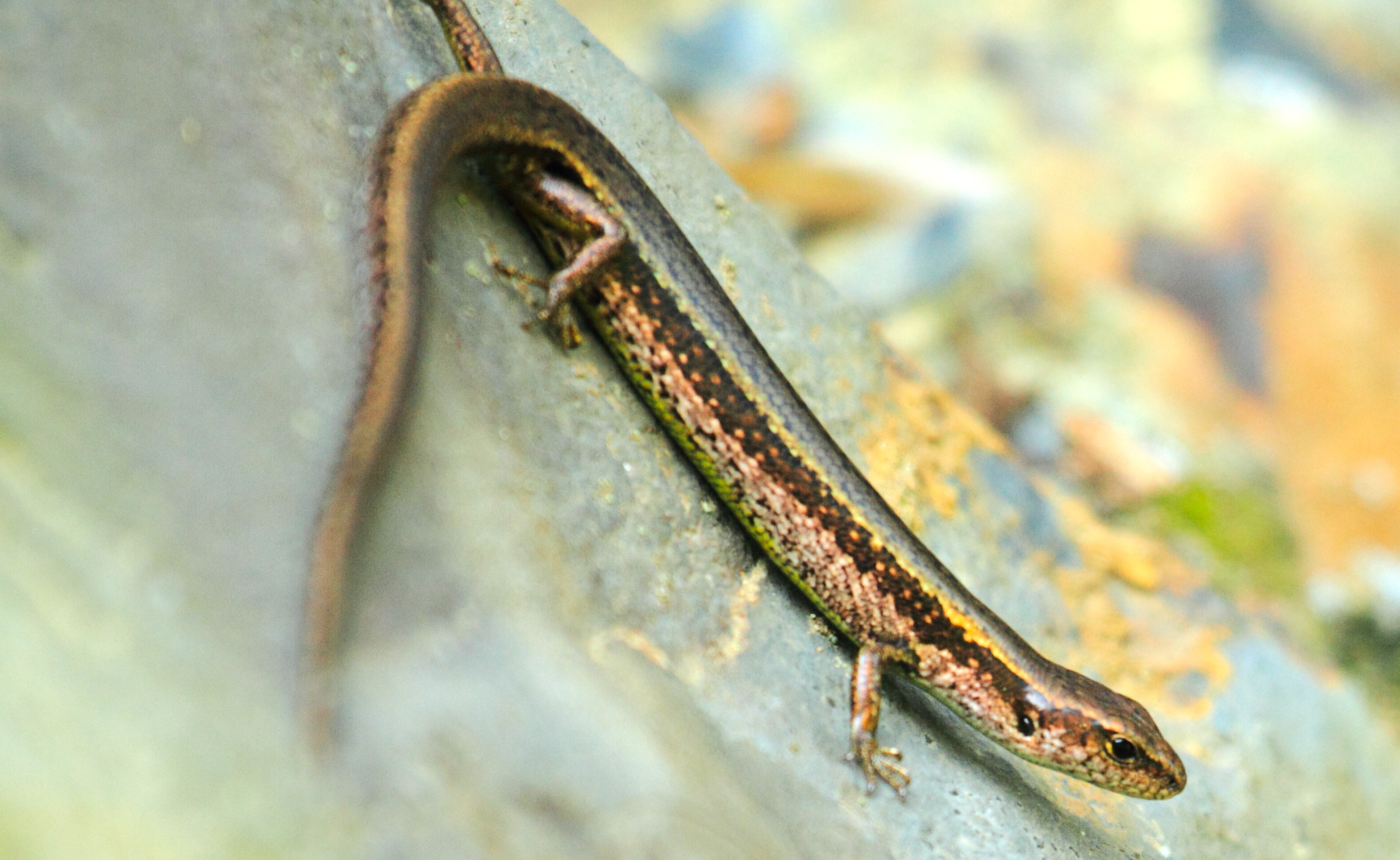
Morning: As temperatures rise, search for heliothermic (sun-basking) lizards like the Spiny Forest Lizard (*Acanthosaura lepidogaster*) and Chinese Skinks on rock faces.
Afternoon: Stream ecology session. Search for torrent-dwelling frogs and aquatic insects in shaded ravines.
Evening: Deep forest night drive and trek.
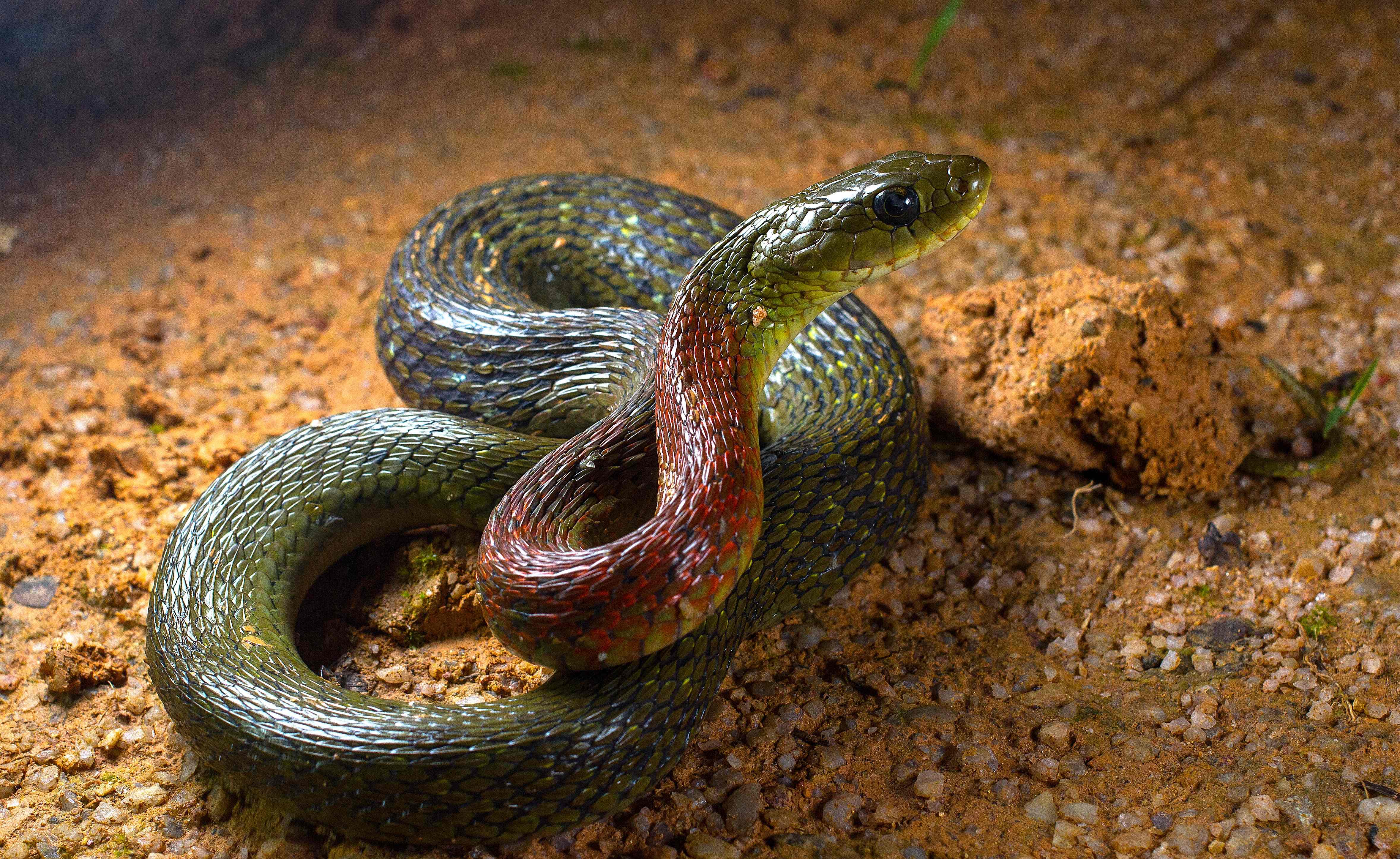
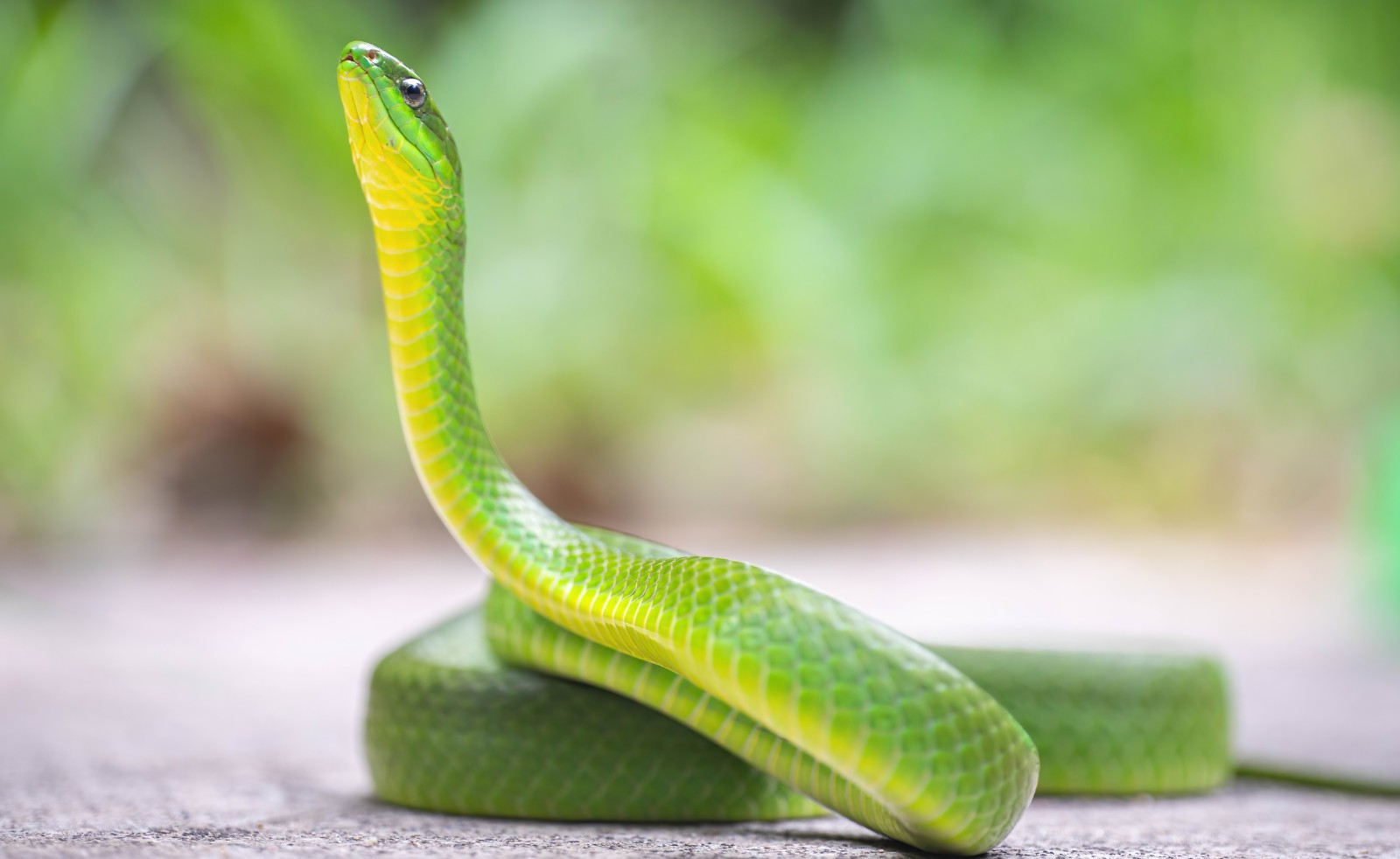
Target Species: Focus on endemic species such as the Chong’an Moustache Toad and the Wuyi Kricken Frog (*Oreolalax wuyinensis*). We also look for cryptic snakes like the Stanley’s Green Snake.
Accommodation: Eco-lodge near the reserve boundary.
Day 3: Guadun Trail & Serpentine Shadows
Morning: Hike the historic Guadun Trail. This area is a hotspot for both herpetofauna and rare pheasants like the Yellow-bellied Tragopan. Look for Reeves’ Smooth Skink and geckos on tree trunks.
Afternoon: Visit the Wuyishan Natural Museum to study preserved specimens and understand the region’s biogeographical significance.
Evening: Final targeted night survey for vipers. We carefully scan forest floors and low branches for Hundred-pace Vipers and Mangshan Pit Vipers (strict observation protocol).
Accommodation: Eco-lodge near the reserve boundary.
Day 4: Departure
Morning: Relaxed breakfast and final photography. Transfer to the station/airport for departure.
Q: Is the night survey dangerous due to venomous snakes?
A: Safety is paramount. All participants are required to wear high-ankle hiking boots and long trousers. Our expert guides carry professional snake hooks, torches, and first-aid kits. We observe all snakes at a safe distance and strictly prohibit handling.
Q: Is the hiking strenuous?
A: The terrain consists of well-maintained trails and stream beds with moderate elevation gain. A reasonable level of fitness is required for the Guadun Trail hike.
Q: What if it rains?
A: Wuyishan has a humid climate. Light rain often stimulates amphibian activity, making it an excellent time for “rain-loving” species. We provide full-body ponchos and continue activities unless there is a severe storm or lightning risk.
Thanks for helping us to fill the following form about your personal preferences. This information you provide can help us to plan the best trip especially for you.




Copyright © 2026 • China Wildlife Tour All Rights Reserved Safari in Cina
 中文
中文